
Chrono Odyssey has quickly become one of the most talked-about MMORPGs right now, and it’s easy to see why. Powered by Unreal Engine 5, it offers gorgeous visuals, combat that stays exciting without getting too complicated, and a class system that really clicks when teammates coordinate, especially during those tense boss battles. Some players chase streaming moments, others dive into intense PvP, and many just enjoy creating their ideal RPG crew with friends. Often, the biggest edge comes from knowing how each class helps the rest of the team.
We’re exploring how to build a strong Chrono Odyssey party, breaking down each class, pointing to their unique strengths, and showing how they work together in different setups. Strategies often change between dungeon runs and large-scale world events. We’ll also look at new features like the Matrix System Expansion and Chronotector mechanics, tools that can make team planning feel even more fun and strategic.
Understanding the Core Chrono Odyssey Classes and Their Roles
Chrono Odyssey features six unique classes: Swordsman, Ranger, Sorcerer, Paladin, Berserker, and Assassin. A big draw is the option to switch weapons during combat, so you’re not stuck in one role, a feature many MMORPGs skip. You could begin as a damage dealer but step in as a healer or tank when needed, even tossing in some support to help your team. One moment, a Swordsman might charge in to protect allies, while a Ranger changes tactics to slow enemies. This freedom makes battles feel lively and keeps foes on their toes.
Swordsman
When fights get intense and enemies charge straight at you, the Swordsman is usually the one keeping things under control, cutting down threats while holding firm during those “uh-oh” boss moments. Pairing them with a Paladin quickly boosts defense, making the front line hard to break. With smart mastery upgrades, they can shift into an off-tank role, absorbing big hits while still dealing heavy damage. Their mix of sharp single-target blows and wide, sweeping attacks works well in quick skirmishes and in big, messy battles where things can get out of hand fast.
Ranger
Rangers excel at hitting hard from a distance, often the safest way to handle danger before it gets close. Enemies scatter as they’re kept moving, away from weaker allies. They’re a headache for enemy healers, breaking their flow so recovery drags. With traps and snares, they force foes into slow, winding paths that make chasing them feel hopeless.
Sorcerer
Made for blasting out huge bursts of magic and stopping enemies with those nerve-wracking control spells, a sorcerer does best when foes stay at a distance. They’re usually fragile up close, so having a tank to take hits, or a quick partner to counter, keeps them safe. With that help, they can keep launching big area attacks without worrying about getting knocked out too soon.
Paladin
This reliable tank is the teammate you lean on when fights start getting messy. They’re quick to throw up strong shields before big hits land, and can step in with clutch heals when things get rough. Often the steady presence in wild battles, they help ease the strain in drawn-out fights, cutting damage and landing powerful heals so the team can keep pushing until the finish.
Berserker
A fierce fighter driven by pure rage, the Berserker shines when teammates hold enemies in place or knock them down. Those moments often explode into total chaos. When foes are stuck, anger rises quickly and each hit feels harder. In these moments, it’s often just a blur of wild swings and loud battle shouts. Well-timed bursts of rage during a stun or fall can push damage into levels that seem almost ridiculous.
Assassin
An Assassin is basically the team’s sneaky troublemaker, built for slipping into messy fights and turning them your way. They’re great at picking off key enemies, like healers hiding behind the front line or burst fighters who can change the battle in seconds. Often, they skip past heavy tanks and guards, finding openings to hit threats right where it matters. Sometimes they’ll start by stacking nasty debuffs, making it easy for the main damage crew to finish the target with little risk.
| Class | Primary Role | Secondary Role |
|---|---|---|
| Swordsman | DPS | Tank |
| Ranger | Ranged DPS | Support |
| Sorcerer | Magic DPS | Crowd Control |
| Paladin | Tank | Healer |
| Berserker | Melee DPS | Burst Damage |
| Assassin | Burst DPS | Debuff |
Masteries unlock at levels 10, 15, 20, and 25, each giving strong, team-focused abilities, Raging Storm, Avatar Transformation, Crimson Frenzy, and a final level 25 skill that can swing momentum fast. They work well with other roles; for example, a level 15 Paladin’s shield regen can let a Swordsman pin an enemy while the Assassin lands a clean, decisive blow.
Building Balanced Chrono Odyssey Party Compositions
Heading into a dungeon with four or six players? The difference between a smooth run and getting wiped by a mid-boss often depends on how well the team’s roles work together. It’s not just about bringing a tank, it’s about having the right mix of defense, healing, and different types of damage so enemies can’t rely on one resistance to shut you down. A tough frontliner takes the hits, a healer keeps everyone ready to fight, and splitting DPS between melee and magic gives you ways to handle most surprises, whether it’s a sudden mob rush or an environmental hazard like lava forcing a quick reposition.
Example setup:
- Paladin (Tank/Healer)
- Sorcerer (Magic DPS/CC)
- Ranger (Ranged DPS)
- Berserker (Melee DPS)
This group balances toughness, damage variety, and dependable crowd control. In PvP, you might swap the Ranger for an Assassin to break enemy formations. Stealth can set up devastating moves for the Berserker. The Paladin keeps the front secure while the Sorcerer casts from a safe spot.
In raids, overlapping roles can save the team. Two healers make long battles steadier, while hybrid DPS/Tanks adjust to moving fights. Some bosses change the plan. Fast-moving ones favor ranged-heavy groups, while stationary enemies let melee bursts hit hard.
Synergy Through Chrono Odyssey Class Mastery Abilities
Level-based mastery unlocks let you pull off some wild, high-impact combos that are hard to resist trying out:
- Raging Storm: Gain +7 Rage per hit when HP drops below 50%, usually risky, but the reward can be huge.
- Avatar Transformation: Cuts special ability costs, adds knockback, and heals 3% HP with every strike.
- Explosive Rage: Triggers a huge AoE blast and instantly gives 40 Rage.
- Crimson Frenzy: Adds bleed to enemies already stuck in crowd control.
When teammates coordinate, these moves can feel almost unfair, in the best way. Imagine a Paladin holding enemies still while a Berserker fires off Crimson Frenzy; bleed stacks climb fast before opponents can react. If Raging Storm kicks in right as health drops below half, chaining it into Explosive Rage can melt health bars in seconds. For a Swordsman, Avatar Transformation isn’t just extra damage, it’s a pushback, a heal, and a clutch survival boost all rolled into one.
A smart tactic is syncing with control effects. If a Sorcerer freezes a target, that can give a Berserker the perfect setup for Crimson Frenzy, pushing the team’s damage far beyond what random plays can manage. Deadly when timed well.
Advanced Party Synergy With the Chrono Odyssey Matrix System
The Matrix System Expansion brings 12 specialization paths for every class, along with 4 combat styles linked to each weapon type. This means your Swordsman might be a shield-focused tank absorbing hits in one battle, then switch to a speedy dual-wield attacker in the next. This is perfect for moving from a boss with huge area attacks to quick dungeon trash runs. Each path offers its own skill trees, passive bonuses, and quirky interaction effects that can change how a class works in a team, sometimes in ways you wouldn’t expect.
According to SpidMMO:
It seems like they're finally going to add some in-depth skill synergies to the game... each weapon will support four distinct combat styles so you can create different builds.
It’s a fun space for creating unexpected builds. Some players combine odd setups just to throw PvP opponents off balance, while others tune stats for huge PvE burst damage. Picture a Paladin suddenly dealing massive damage in an arena, or a Sorcerer loaded with shields stepping in as an emergency healer during a rough raid. The best part? You can swap styles mid-run. That’s useful when bosses switch tactics halfway or enemy squads change their approach.
Pay attention to the gear and builds others use. Spotting common trends can help you pick smarter Matrix setups. Over time, you’ll find unusual combos that counter predictable plays, especially in competitive matches, where surprising someone often tips the fight your way. For deeper MMO build inspiration, you can explore MMORPG.com which regularly shares creative build ideas.
Using Chronotector Mechanics for Synergy
Chronotector’s time-bending effect can turn tough moments into real openings. It helps dodge big hits, stretch combos far beyond their usual reach, and make stuns or slows feel heavier than most expect. In PvP, those extra seconds can help your team slip to safer ground or land the blow that changes the match. Use it just before an enemy’s big burst and you can often stop their momentum cold. Sometimes it’s even better for pushing your own combo chain past what opponents can realistically counter.
Picture this, your Sorcerer freezes enemies, the Berserker smashes in with Explosive Rage, hitting huge AoE. Drop Chronotector’s slow-time field and now the Berserker can land every strike, building rage fast. In PvE, tanks use it to steady chaotic boss phases, while healers get just enough time to finish a clutch cast. Teams working Chronotector into their plans often outplay straight damage squads, since speed control changes the fight’s flow in ways pure power can’t match.
Party Composition in Various Chrono Odyssey Situations
Sometimes it’s just you and a buddy, which is great because you can actually talk without shouting. Other times, the whole crew arrives, and it becomes loud, messy, and often pretty funny. Then there are those middle moments, often the best, where there’s enough people to keep things lively, but not so many that you’re yelling over the noise. In the end, you usually just roll with it and see what happens.
Dungeons
In tight, twisting dungeon corridors, being able to adjust on the fly often matters more than just chasing big damage. This is especially true when foes swarm in. Runs feel easier when someone’s watching health bars and there are backup tactics for crowded spots. Hybrids who can swap roles mid-battle often do well. For example, picture a Ranger setting traps at a choke point and shooting from safety. This gives the tank space to regroup and keep enemies in check without rushing.
PvP Arenas
In these matches, hitting fast and hard usually gives you the upper hand. Waiting too long often lets your opponent take control. Assassins, Berserkers, and quick Skirmishers tend to shine here with their burst damage. Additionally, adding some crowd control first, like a perfectly timed stun or slow, makes that sudden melee push even more effective. Working with your team so everyone strikes together can turn a good move into a memorable win.
Raid Bosses
Long, tough boss fights, where every mistake hurts, usually need a setup that can take hits and keep steady damage going. Pairing a Swordsman with a Paladin is often a good pick, giving both consistent attacks and dependable defense. Clear role assignments for mechanics can matter as much as raw strength. Sometimes tweaking the Matrix System is what makes a build match a fight’s odd challenges.
In these extended battles, smart stamina and resource use often matter more than quick bursts. This is especially important when hazards like slow zones, huge knockbacks, or constant health drains start stacking up. A helpful tactic is to get your team ready for those threats ahead of time. Adjust gear, skills, and positions early, so when trouble shows up, everyone’s already set and focused, instead of rushing around at the worst moment.
Common Mistakes to Avoid
- Stacking too much DPS without enough backup: Big damage can be exciting and fun to brag about, but in long boss fights it won’t help much if the whole team ends up knocked out. Often, what’s missing is a tough tank or a healer who can keep everyone going.
- Skipping crowd control: Some battles give only short chances to lock down enemies, and missing them can cause real problems. Soon you’re swarmed, fights drag on, and it’s hard to get control back.
- Not talking about ability timing: Even a perfect combo can flop if used at the wrong time. One bad click can wreck the plan.
- Refusing to adjust builds: Try changing things. Different maps and bosses often need new gear or skills. Using the same setup every time can quickly get frustrating.
- Forgetting defensive cooldowns: These “last chance” moves can save the fight. A well-timed shield or burst heal can turn a loss into a win.
Related Strategies You Might Like
Big battles in games often run more smoothly when the team’s roles are balanced and each player’s strengths match well, especially when smart counters keep things interesting. That’s why it’s worth exploring Splatoon 3 Competitive Playbook: Weapon Balancing & Team Composition Strategies. You’ll find tactics there that fit into Chrono Odyssey with barely any changes, making it easier to try new approaches.
If you want more ideas, check out guides from Final Fantasy XIV, Guild Wars 2, or smaller MMOs that still get multi-role teamwork right. FFXIV is great at detailed raid setups, while Guild Wars 2 mixes professions for lively battles. Even lesser-known titles can inspire creative builds, and Chrono Odyssey’s flexible class system makes those experiments turn into genuinely fun playstyles. For further MMO strategy insights, IGN’s MMO section has a wide range of guides.
Your Path Forward
In Chrono Odyssey, putting together a party that really clicks often starts with getting to know each class, what they can do, how their skills roll out in the middle of a fight, and which skill chains match your own style. Some players uncover unexpected strengths when they swap roles or try out the Matrix System, while others find the Chronotector mechanics feel natural after enough practice. That kind of prep can really help when a boss changes up its attack pattern or a PvP match gets unpredictable.
Good teamwork isn’t just about chasing huge damage numbers; it’s often about using abilities at the right times, holding steady positions (even the less flashy defensive ones), and making sure every role adds to the team’s flow. Gather your squad, tweak your builds, then test yourselves in both PvE and PvP. When a plan falls apart, treat it as a chance to spot problems, fix them, and learn. Chaotic battles can be some of the best lessons.
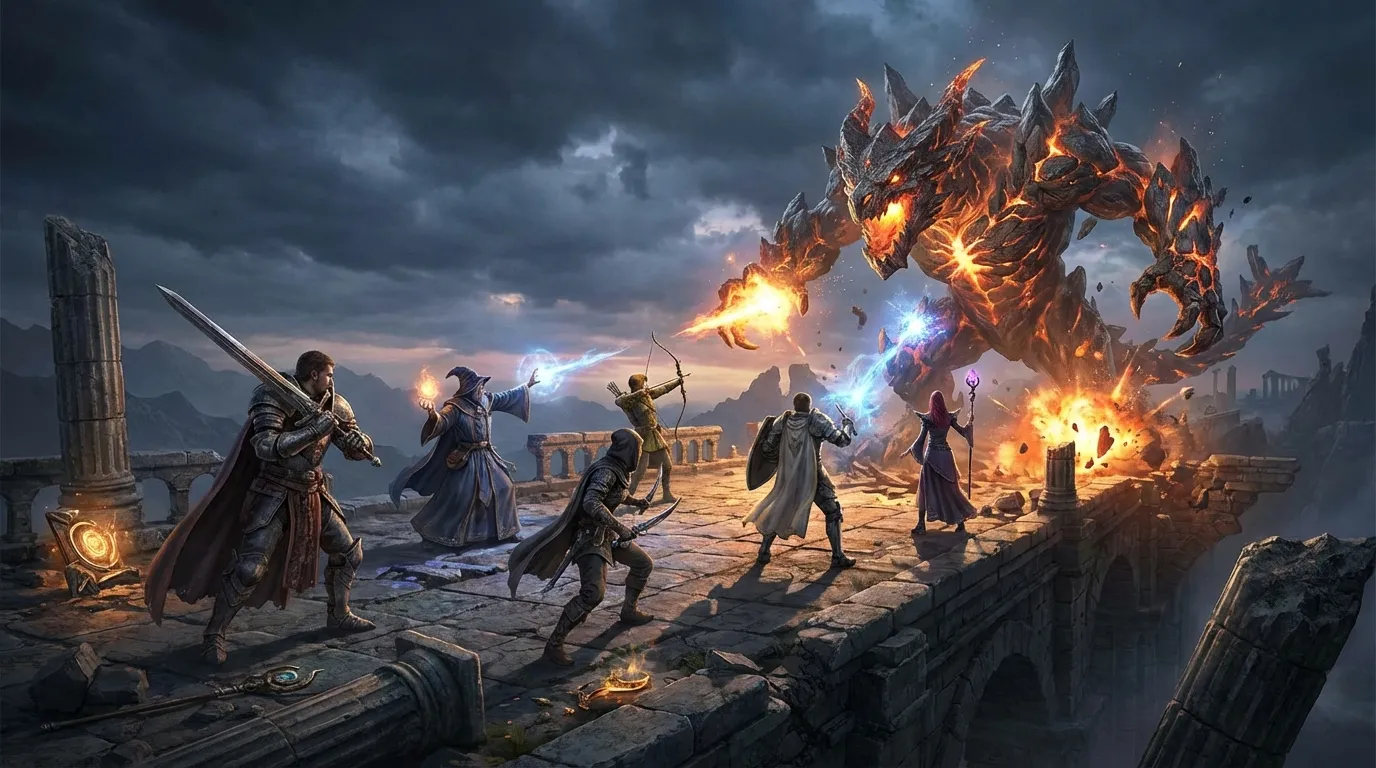
So go for it, create a party that feels uniquely yours, take chances with odd skill combos, and have fun exploring the tactics and hidden mechanics waiting inside Chrono Odyssey.