
Civilization 7 often comes down to making smart choices from the very first turn and sticking with that plan as the ages roll on. Whether you’re going for a Military, Cultural, Scientific, or Diplomatic victory, each route pushes you toward a different way of thinking and a new set of priorities. Picking your civilization and leader early can tilt the entire match, especially when their special perks really shine in those tense late-game moments, rewarding early planning. In competitive matches, knowing which Civ 7 civilizations excel at your chosen victory type can give you a decisive edge right from the introduction of your strategy.
This guide lines up the strongest Civ 7 civilizations, shows their standout perks, gives tech path tips, and shares practical winning strategies. It also looks at current meta shifts, points to common AI slip-ups you’ll spot right away, and explores how Legacy Paths are changing the flow and tactics in top-level play.
Understanding Civ 7’s Competitive Scene
Right now in Civ 7, most players are sticking to carefully planned victory routes. You don’t just drop cities wherever looks nice, every move leans toward the specific Legacy Path you’ve chosen. Leaders like Xerxes or Confucius can swing a match big if picked at the right time, often mid-game when things still feel balanced. Even those “wait, who picks them?” leaders can end up winning matches. In ranked games, the first few turns often set the whole pace, and once someone gains momentum, it’s hard for others to catch up. That’s why top players keep an eye on both their own civ’s strengths and what’s trending on the leaderboards, noting which leaders have been dominating recent matches.
Pottery leads to discovering Irrigation and Writing, which are especially helpful for Military and Scientific Victories (respectively), and pursuing the Antiquity Age Scientific Legacy Path.
Think of tech choices like steps on a ladder toward your win, grabbing random upgrades just because they’re shiny often slows you down. On larger maps, science and culture victories tend to come out ahead, mostly because armies take longer to cross the big spaces. Smaller maps? They’re a pressure cooker, tight borders push early battles, and stats from community leagues show military wins jump over 60% there. On large maps, about 42% of wins come from science paths. Knowing these numbers before you place your first settler can save you from panicked mid-game decisions.
Scouting may feel low-key, but it can decide matches. Spotting rich resource spots or narrow choke points early can give you a big edge. Grab them quickly and you either boost your own progress or block an opponent’s plans. The best players tie Legacy Path milestones directly to claiming these areas, treating each milestone like another step toward winning. It’s careful, steady progress that often locks down the match in their favor.
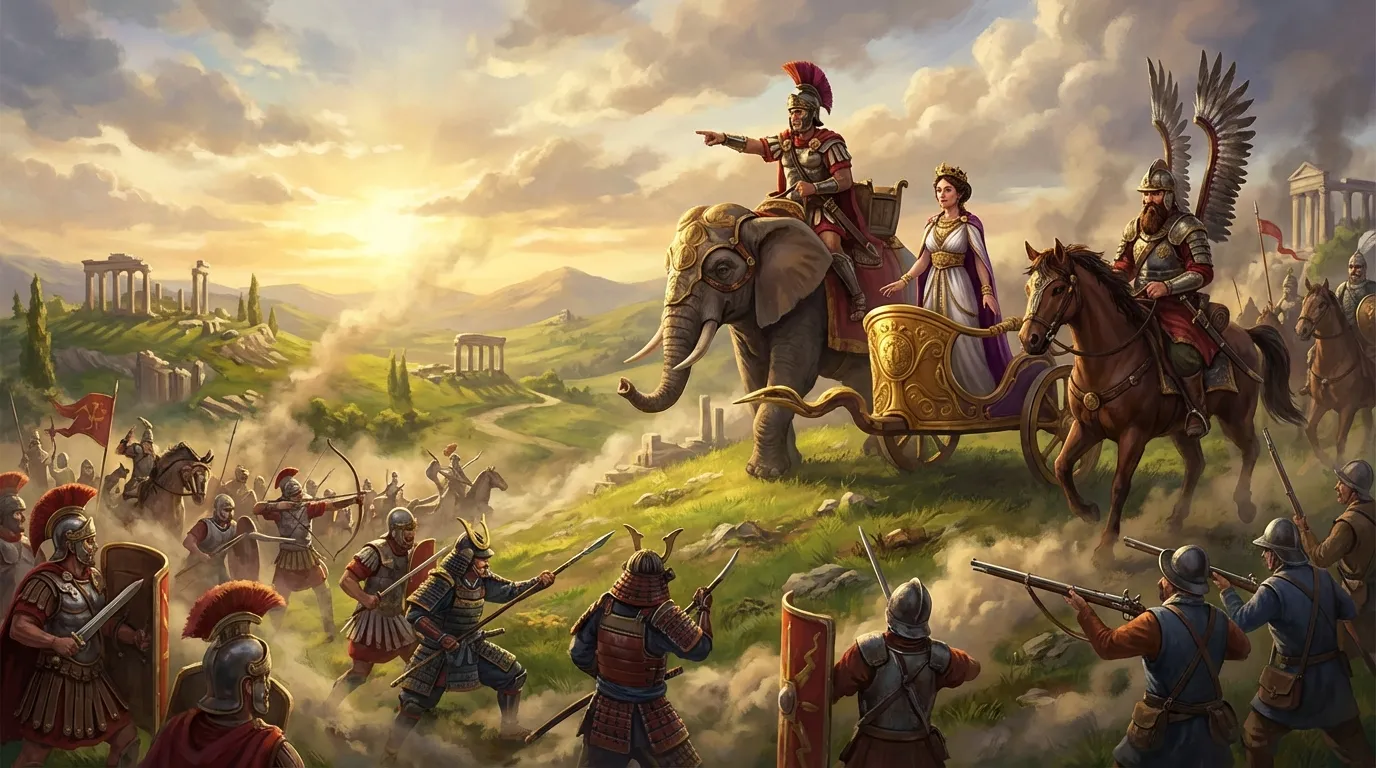
Best Civ 7 Civilizations for Competitive Play
When you’re chasing a win, especially in those tense late-game battles, some civilizations really stand out. Some offer useful perks, like faster resource gathering or stronger early units, giving you a quick edge. Others may seem tricky at first, but once you get the hang of them, they can take over the match in style. Choosing the right one can often turn a near defeat into an exciting, hard-fought victory.
1. Confucius (Scientific Victory)
Unique Ability: Keju, boosts science output and works especially well with libraries, universities, and other research-focused buildings.
Confucius stands out because his civilization can jump ahead in technology quickly once Keju stacks with your main science buildings. When you combine this with Writing Mastery, libraries and universities start producing science at a pace that feels almost unfair. The bonus keeps building over time, by the middle of the game, you’re often an era or two ahead, unlocking advanced units and futuristic buildings long before others can catch up. That kind of lead means you can play with more confidence, knowing your tech advantage will help protect you if someone tries to attack.
| Leader | Victory Type | Key Ability |
|---|---|---|
| Confucius | Scientific | Keju |
| Xerxes | Military | Immortal Guard |
| Charlemagne | Military | Imperial Authority |
Screen Rant notes that Confucius’s progress moves smoothly from one era to the next, which fits well for players who like filling out the tech tree fast. His steady but focused approach keeps you on track without wasting turns. In many competitive games, this can spark a strong mid-game surge, grabbing key wonders, making smart tech trades, and upgrading cities faster than most opponents can manage. That momentum often makes a big difference.
2. Xerxes (Military Victory)
Unique Ability: Immortal Guard, stronger melee units and morale boosts.
What often surprises opponents is how fast Xerxes can launch an early attack, sometimes before they’ve even started thinking about defense. A good tactic is to rush Iron Working, giving your melee troops extra punch, then add Bronze Working Mastery for even more force. On small maps, this combo hits hard because battles start quickly and rivals often lack solid walls or decent archers. The morale boosts help troops hold their ground longer, keeping your economy steady during war. After a big win, many players push forward to grab new land while others are still recovering.
3. Charlemagne (Military Victory)
Unique Ability: Imperial Authority, boosts settlement loyalty and speeds up unit production.
Wars in this game often drag on longer than you’d expect, and that’s when Charlemagne really comes into his own. His ability to keep newly taken cities loyal means fewer rebellions in key spots like border forts or areas loaded with resources, freeing you up to focus on those Legacy Path goals without constant setbacks. The faster unit production is a big help after heavy losses, letting you rebuild forces while still shoring up defenses at home. In team matches, he’s often the one holding the front, leading huge offensives, or grabbing land before rivals can react. Steady, strong, and made for momentum.
Optimizing Your Tech Path
The tech choices you make at the start often shape how fast you get the tools and units that fit your plan. Pick something that doesn’t work for your situation and you could waste valuable turns, slowing down your path toward those late-game moves everyone loves to pull off.
Researching a mastery will enhance the bonuses awarded by its associated parent technology/civic. For example, researching writing will unlock libraries, and then researching the writing mastery will grant an additional +1 science per library.
A smart way to begin is by focusing on techs that push you directly toward your chosen win style. Aiming for a strong military? Bronze Working and Iron Working can quickly change the game if your map supports them. Chasing science? Writing is usually a go-to early choice, then keep climbing toward big milestones like Education. If you’re all about culture, early civics and wonders that boost tourism help a lot; the Great Library’s early jump or the Eiffel Tower’s worldwide draw can make a clear difference.
| Technology | Science Cost | Bonus Effect |
|---|---|---|
| Bronze Working Mastery | 255 | +3 Combat Strength, +2 Production |
| Iron Working | 738 | Unlocks stronger melee units |
| Navigation | 430 | Improves naval unit speed |

Choosing techs that fit what’s happening right now pays off quickly. No iron? Military upgrades might just sit unused. But a long coastline? Navigation can open trade routes and give you naval control before rivals catch on. Some players even test early turns to adjust their plan based on terrain and enemy habits. And while mixing things up can be fun, spreading research too thin often kills the momentum you need to grab those mastery bonuses that really swing the game your way.
Leveraging Legacy Paths for Victory
Legacy Paths give milestone rewards that can swing the game in your favor surprisingly quickly. Each path feels different, and the more you progress, the bigger the bonuses get. The real trick is matching your tech and growth so those rewards land right when you’re ready to make a big move, like expanding into fresh territory or launching a major attack. That timing can be the quiet advantage many players miss until it’s already working against them.
| Milestone | Reward |
|---|---|
| Control 6 Settlement Points | 1 Legacy Point |
| Control 9 Settlement Points | Fealty Legacy (+2 Settlement Limit) |
| Control 12 Settlement Points | Pax Imperatoria Golden Age |
A good tactic is picking leaders and techs that push you toward those milestones faster than your rivals. Military-focused players might grab early settlement points from quick conquests, changing the map in their favor. Science-focused ones may prefer improving colonization and infrastructure for similar results. Even being one turn ahead can throw off an opponent’s plan. Once Legacy bonuses start rolling, they can keep the momentum going, like Fealty Legacy’s +2 Settlement Limit, which means more resources and quicker milestones. Keeping an eye on rivals, through map checks or subtle spying, can reveal the best moment to act.
This really opens up a bunch of fast-action tactics, especially if you’re aiming for a quick military victory. One solid method is to hit hard, expand fast, and commit before the AI figures out what’s happening, since they usually react slowly. In games against full AI or mixed AI-human teams, you’ll spot their building patterns easily. Many AI civilizations pour effort into wonders way too early, which often leaves them vulnerable to a mid-game military strike right where it hurts.
Their naval strategy? Often messy and scattered. You’ll see fleets drifting in small, separate groups, perfect for taking out with one focused attack. On the economy side, they tend to mismanage resources, which stalls production or slows research. That’s your chance to grab valuable trade routes or lock down areas rich in gold and iron. For more examples of AI strategy flaws, you can check discussions on CivFanatics.
When it comes to diplomacy, AI leaders are slow to adjust when alliances change. Sudden wars can catch them mid-project, cities exposed, defenses light, and ripe for capture.
How to Win by Type
Winning by type is usually simple, you match your plan with what that type is good at. It’s like picking the tool that really works for the job, so you’re not stuck trying to use a screwdriver to hammer a nail.
Military Victory
Try getting to Bronze and Iron Working earlier than usual, these techs let you build stronger troops quickly. The AI often makes silly mistakes, and that’s your chance to push forward. Stationing your army close to their borders usually forces them to waste turns on defense, giving you breathing room. Use a mix of units: melee in front to hold ground, ranged behind to chip away at walls and pick off targets. Strike before they research techs that could shut down your attack.
Scientific Victory
Start by locking in your main writing tools quickly, since building libraries early usually sets the pace for a strong science push, and watching them fill up can be surprisingly fun. Leaders like Confucius can give your research a big boost, so use that energy to grab wonders that improve science or speed up building time. If extra resources start stacking up, think about trading them for gold, gold you can put back into labs, universities, or other science-focused spots. Rivals with sudden cultural bursts or unexpected military plays can mess with your flow, so keeping an eye out helps you stay on track.
Cultural Victory
Aiming for a cultural win often works well when your civics help grow both culture and tourism, letting your cities prosper without nonstop fighting. A calm, peace-first approach usually keeps progress steady. Wonders like the Great Library can make a big difference, and famous landmarks, like the Eiffel Tower or Broadway Theatre, attract plenty of interest. Friendly partnerships can spread your influence faster than expected, and smartly planned trade routes can carry your culture across the whole map.
Case Study: Confucius vs Xerxes
On maps where technology moves forward at a steady pace instead of constant fighting, Confucius’s talent for boosting early science usually leaves Xerxes struggling to keep up. Rivals spread far apart with lots of open ground tend to make that edge even bigger, you can almost imagine Xerxes pacing, waiting for someone to attack. But flip the situation, and cramped starting spots can turn Xerxes’s quick attacks into a serious problem for anyone depending on research. In one community tournament, civs led by Confucius won about 70% of matches on roomy maps, while Xerxes-led forces took around 75% on tight, crowded ones. Map layout and starting distance often decide the outcome, especially in shaping those first battles.
When these two leaders meet head-on, Confucius often survives the early rush, setting up a strong tech push later. Forts on hills, narrow passes, and well-timed alliances can create the space needed. Xerxes, meanwhile, excels at grabbing important cities before advanced troops arrive, his success often depends on damaging enough infrastructure to stop that science surge from coming back.
Resource Management for Sustained Growth
When production, science, culture, and economy work together, a civilization can usually dodge the problems that come from uneven growth. Push too hard in one area and weaknesses show up fast. A science-focused civ with low production might end up with half-built wonders or scrambling to fix defenses when a surprise attack happens. On the other hand, a military giant that ignores culture can see new cities slip away as loyalty drops.
Experienced players often check their resource panel every 10, 15 turns to be sure it still matches their plan. Food and gold keep people and projects going, while iron and oil decide what your armies can use. Extra resources can be traded for something you need; shortages may mean changing trade routes or building specific structures. On maps where resources are scarce, claiming those important tiles early can shift the balance, sometimes quietly keeping rivals from even starting a war.
Future Trends in Civ 7 Competitive Play
We’ll likely see more creative hybrid strategies where players mix strong military forces with steady scientific growth, ready to switch gears when the situation changes, which happens often in this game. A match might start with peaceful, tech-driven expansion, only for someone to turn new research into a sudden all-map attack. Those mid-game surprises usually push opponents into quick recovery mode. With updates and balance tweaks constantly shifting the meta, a unit that dominates one week might be almost worthless the next, so adapting fast becomes part of the normal flow.
Community-made mods are already changing things, custom maps that encourage odd tactics, unusual rule sets, and unexpected win conditions keep even experienced players on their toes. Sticking to one “perfect” plan rarely works here; being flexible matters most. And as smarter AI closes loopholes, expect games to get harder, messier, and way less predictable.
Your Path Forward in Civ 7
The fastest way to stand out in Civ 7 is to match your civ’s best abilities to the win goal you’re chasing, whether that’s climbing the science tree fast, aiming for cultural control, or going all-in on military power. Some leaders naturally fit certain styles: Confucius tends to shine when you’re pushing for a huge science lead, while Xerxes can dominate if you’re building a force to crush opponents. A handy plan is to chart a tech route that works with your strengths, watch for weak spots in the AI’s defenses, and grab Legacy Path milestones before others catch on. But keep things flexible, map layouts can throw off your plans, rival tactics can catch you off guard, and the game’s trends can change quickly.
For more on the mechanics, check out: Civilization 7 Guide: Mastering Strategies & New Mechanics. You can also get fresh ideas by mixing in strategies from other genres here: Mastering Cross-Genre Game Strategies for Modern Play. Additionally, you can find historical inspirations for your Civ 7 civilizations by visiting HistoryExtra.