
For players who enjoy tinkering and new streamers testing things live, these setups often begin as a small fix and grow into large projects that quietly eat up days. Modern survival games often move past the old “barely hanging on” idea, they mix smart planning with quick reactions when surprises pop up, plus ways to genuinely connect with other players. That combination can completely change the feel of the game.
This guide points to 2025’s survival games that really shine in their resource systems, looks at why they’re so engaging, and shares tips to improve both gameplay and streaming.
We’ll look at Subnautica 2, Dune: Awakening, Valheim, and some standout indies, covering AI‑powered tools, accessibility updates, mental‑health‑friendly design, and subtle indie shifts worth noticing.
Survival games with well-designed resource management systems tap into a primal satisfaction loop, players feel a tangible sense of progress when every crafted item or gathered resource directly impacts their odds of survival.
Underwater Survival Games Strategy in Subnautica 2
Subnautica 2 builds on the already tense survival feel of the first game, but now there’s an extra twist, you’re managing the ocean’s ecosystem like it’s your own living project. You’re not just grabbing scrap to patch onto your base; you’re also keeping an eye on fish numbers, juggling oxygen, and trying not to upset the marine balance with a few careless harvests, a mistake that’s easier to make than you’d think.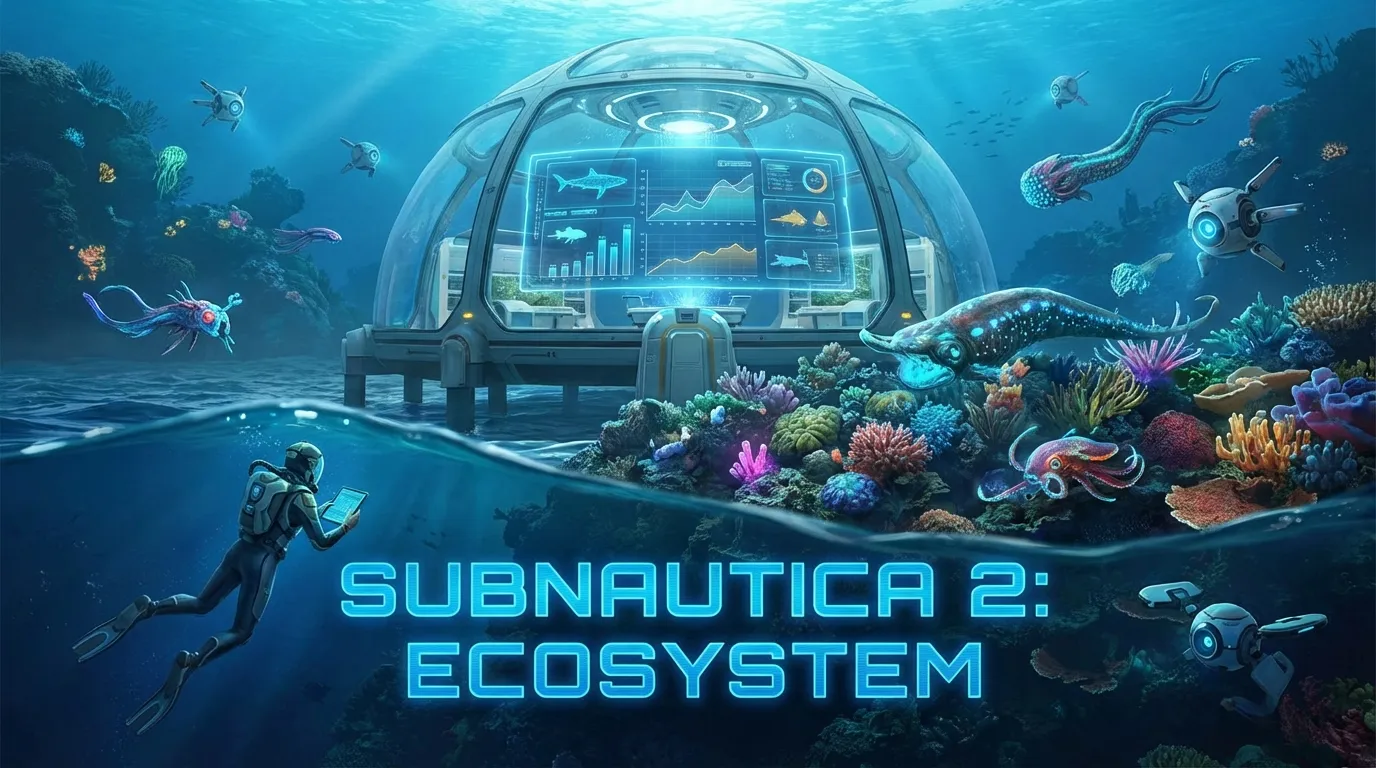 The sea doesn’t just look alive, it changes based on what you do. Overfish a species and suddenly you’re short on meals, certain crafting recipes disappear, and the food chain shifts. The game often pushes you toward acting like a caretaker who keeps things steady, instead of someone scooping up anything shiny in sight.
What used to be a quick “grab kelp, chase fish” loop now becomes more thoughtful. You might end up starting breeding programs so certain creatures don’t disappear. It’s basically farming, but underwater. That means building tanks, setting up filtration systems, and keeping feeding schedules, especially for species with picky diets. You’ll also be adjusting water chemistry: salinity, temperature, and nutrient levels can decide whether a population thrives or collapses. Let those drift too far and you could wake up to find an entire species gone, along with the food or crafting materials you depend on.
Oxygen is its own balancing act. At first, your setup is basic. Later, you can hook up renewable sources, tidal generators are popular, to power oxygen farms. But if you put too much energy into that, your defenses might suffer. And if something dangerous shows up while your guard’s down? You won’t forget it.
For streamers, this setup is perfect for slow‑building tension. Picture spotting rare coral that could help craft top‑tier gear, but it’s also the last shelter for a fish your colony needs. Take it, and you might get amazing tools… or start a domino effect that your audience watches fall apart in real time.
| Game | Core Mechanic | Unique Resource Feature |
|---|---|---|
| Subnautica 2 | Ecosystem balance | Population-dependent crafting |
| Dune: Awakening | Economy control | Faction-based spice trade |
| Valheim | Crafting loop | Procedural material distribution |
Each game handles resource complexity in its own way, and that variety is what often keeps the survival games genre fun.
Desert Survival Games Economies in Dune: Awakening
In Dune: Awakening, staying alive isn’t the only challenge, it’s mixed in with politics, trading, and the constant fight for control of spice. The spice market doesn’t quietly tick away in the background; it’s loud, unpredictable, and pulls players into intense competition. Groups battle over distant desert spice fields, busy city markets, guarded warehouses, and the risky transport routes connecting them. Running production, making deals, and keeping your stash safe can feel like walking a tightrope.
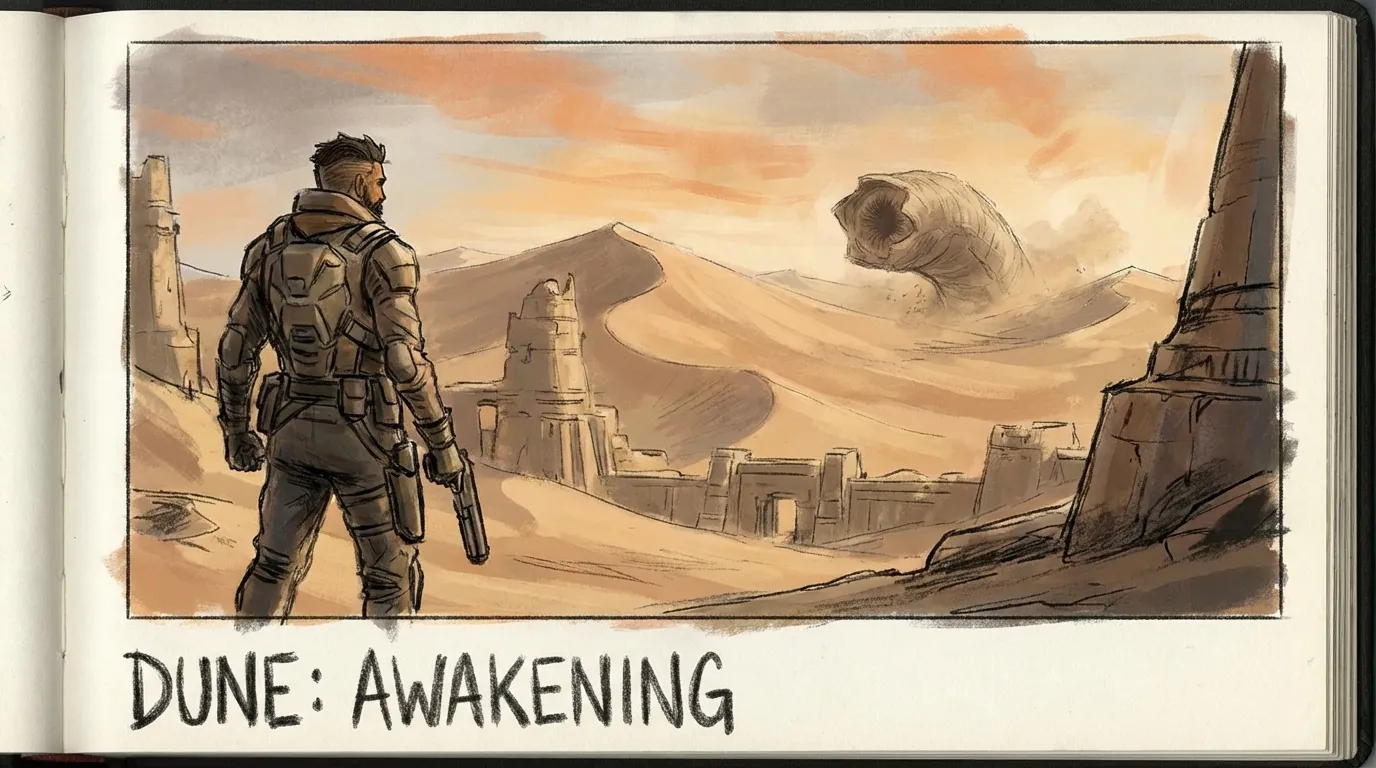
Since resource cycles are run by AI, no two sessions play out the same. One week a sandstorm might wreck your crop before you can harvest, and the next you might wake to find a rival faction has sabotaged your gear or stolen your shipment, leaving you wondering how they managed to slip past unnoticed.
Some of the hardest calls are deciding whether to grab quick profits or save resources for later. A single huge harvest can fill your pockets with credits, but it can also drain the soil so badly it struggles for weeks. Trade routes aren’t dependable either; sudden storms or grudges between factions can shut them down. And when smugglers get paid to send your cargo elsewhere, the race begins, maybe you hire escorts, maybe you form new trading partnerships before competitors beat you to them.
What players do affects the market instantly. Prices shoot up or crash depending on supply changes and big news. When factions flood the market, values drop fast, and suddenly, warehouse space can be worth more than the spice itself. Smart players stash extra during oversupply, waiting for shortages to send prices soaring. Here, profit comes from timing, sharp deals, and sometimes misleading rivals.
Politics can flip fortunes in a moment. A friendly tariff cut can save you thousands, but losing that agreement wipes out the benefit right away. Tracking alliances with spies, and blocking enemy intel, often makes the difference between lasting success and sudden failure.
Community engagement is no longer optional, for survival games, it’s the heartbeat. Developers who listen to players on Discord and Reddit often see better retention and monetization.
Developers also run live trials based on player ideas, sparking seasonal market changes that shift which resources are worth fighting over. For more on how complex economies work in gaming, check out this analysis on game economy design.
Building Dynasties in State of Decay 3 Survival Games
State of Decay 3 takes the “survive together” idea and pushes it way beyond just keeping one lone wanderer alive. Now you’re running an entire settlement, with each NPC bringing their own personality, skills, and constant needs for food, medicine, and, surprisingly, morale, which often turns out harder to keep steady than you’d expect. Trying to juggle it all can spin out of control fast.
What really stands out is how quickly resources affect people’s behavior. If medical supplies run out, sickness can spread faster than you can help the first person. Let morale drop too much and suddenly folks drag their feet or stop helping altogether. Some choices spark cooperation; others trigger a chain of problems that’s tough to stop and easy to regret.
The generational system changes the whole rhythm of play. Survivors grow older, retire, and pass their best skills to younger members. That means you have to plan years ahead, the training you give someone today might be what keeps a future leader steady during a harsh winter instead of watching everything collapse.
Food management isn’t just piling boxes in storage. Planting different crops can save you when blight or drought hits. Taking care of livestock means handling breeding, keeping them healthy, and making sure they’re fed. Making medicine often sends you into dangerous areas hunting for rare plants or chemicals, where trouble can be hiding around any corner.
Morale can slip away if you only focus on survival basics. Small celebrations, fair sharing of supplies, and places to rest can stop tensions from boiling over. Skip them, and you risk people leaving, stealing, or even staging a mutiny that destroys months of work.
For players who enjoy managing every detail, there’s endless depth. And for streamers, the unpredictability is pure entertainment, shortages, power struggles, tense arguments. Imagine going live while deciding whether your last antibiotics go to the sharpest hunter or the most loved elder, knowing the choice could shape the settlement for years.
Procedural Survival Games Worlds in Valheim
At first, Valheim’s resource loop seems straightforward. But after a few hours, you start to notice the hidden depth. Every world has its own odd setup, iron might be tucked away in a far-off swamp, while berry bushes cluster along sharp ridges. Sometimes you’ll wander for ages before finding what you need. This pushes you to keep moving, explore unexpected spots, and juggle crafting materials, wood, metals, and unusual plants, each with its own stubborn quirks.
Farming came later in the game. You might end up checking soil patches, rotating crops, and working to keep harvests steady. Hardcore survival fans enjoy this kind of detail, but it’s also nice for casual players who just want a dependable carrot bed nearby. The ‘low‑stress survival’ setting makes it easy to slow down, turning it into more of a calm routine than a rush.
The expansion mixed things up again. Now each biome has its own weather personality, foggy forests grow certain herbs, while dry plains favor grains. Players often build small outposts far from their main base. These bring challenges: keeping food from spoiling, guarding supply runs through troll-filled trails, and making sure distant teammates stay in touch.
Season changes add more variety. Winter ice shuts down fishing, while autumn brings a flood of berries and healing plants. Smart players store extras during rich months to prepare for lean times.
Mineral hunting shifts too. Tracking rare metals for top gear might mean climbing icy peaks or sneaking through dark caves, danger that makes the payoff feel even better.
For streamers, Valheim’s unpredictability means the next rare find or ridiculous mishap can happen anytime, keeping viewers hooked.
Post-Apocalyptic Survival Games Crafting in Rooted
Rooted throws players right into the rough reality of scavenger life, making them work through a dangerous, ever-changing wasteland. The crafting system is surprisingly detailed, often pushing you to build gear from rare salvage, usually broken into odd little parts that aren’t simple to keep track of. Since the AI quietly moves resources around (like someone’s been raiding your stash), you almost never find the same item in the same place twice. That uncertainty turns every supply run into a risky bet, which is part of why the game feels exciting.
The interface is easy to work with. Players can resize the UI, change color palettes for better visibility, and tweak settings so menus feel natural to navigate. This means less strain from tiny text or awkward layouts, and more time actually playing.
Scavenging is more than just grabbing loot, it’s how the game gives you glimpses of its world. One moment you’re inside a crumbling factory spotting a pile of mechanical parts; the next, you’re realizing the floor might collapse or poisonous gas could be seeping in. Protective gear helps, but sometimes you’ll need a teammate with the right skill to keep you alive.
Crafting often becomes a series of linked steps. A top-tier weapon might begin with scrap metal, then steel made in a generator-powered forge, fuel often hides in hard-to-reach industrial zones. Each stage feels like its own mission, mixing danger, planning, and problem-solving.
With the AI reacting to weather, shifting territories, and your past actions, the world keeps changing in ways that make you stay alert. For indie survival games fans, Rooted’s mix of responsive environments and player-focused crafting really makes it stand out.
Hazard Survival Games Management in Atomfall
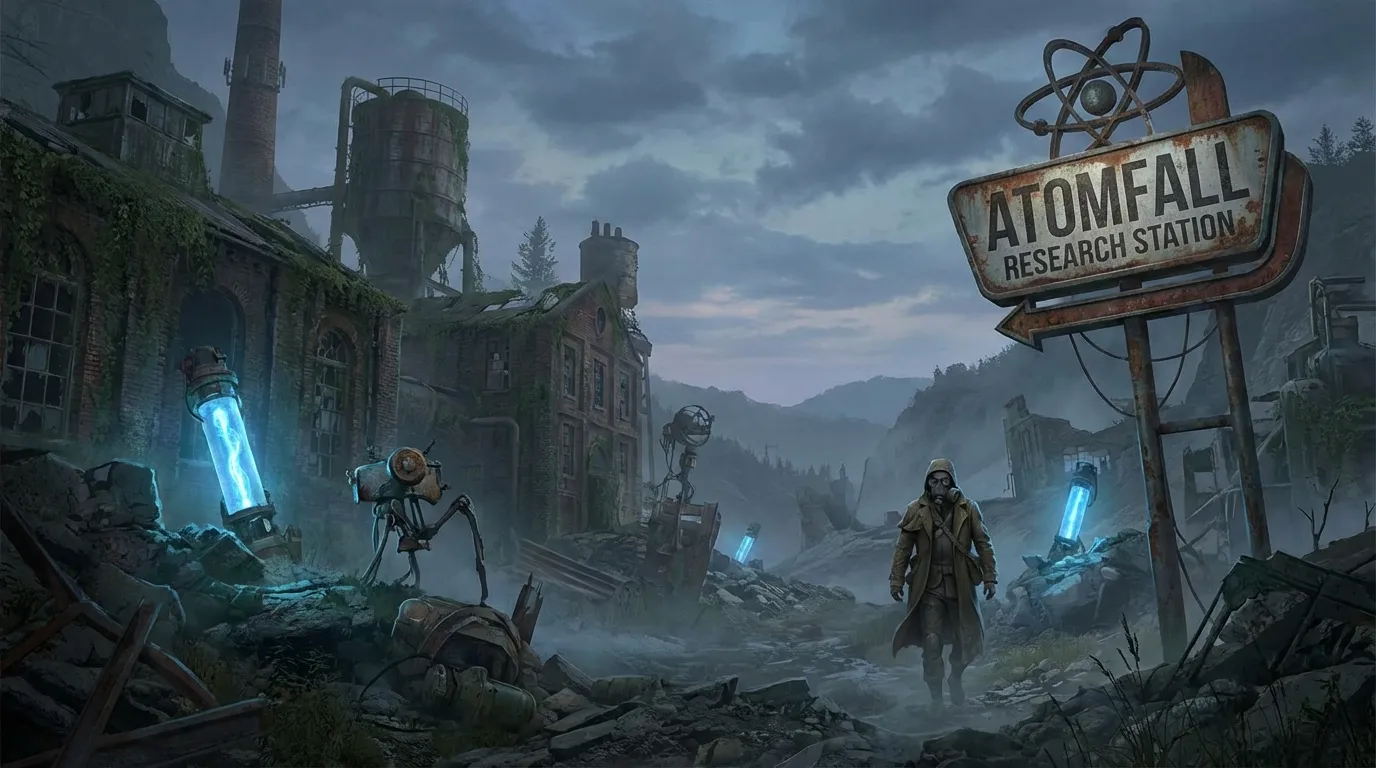
In Atomfall, environmental threats aren’t just scenery, they show up in every part of gathering resources. Radiation zones aren’t places you wander into without thinking; they call for solid protection, like tough hazmat suits and sealed helmets. Making that gear often eats up rare parts you might have wanted for something more exciting, like a weapon upgrade. And once you’ve got your supplies, keeping them clean means planning routes carefully, timing shipments right, and sometimes just hoping nothing goes wrong.
Safe breathing for the crew usually starts with mapping danger spots and cutting secure paths between resource hubs. Scouts head out, sensors get set up, and sometimes drones vanish, lost while trying to collect important data. The tricky part? The most hazardous spots often hide the best loot, forcing you to weigh whether risking radiation damage is worth the payoff.
Your protective gear, hazmat suits, air scrubbers, shielded storage, needs constant upkeep, pulling rare components away from defenses or base improvements. Bad weather makes things worse: acid rain and sudden lightning can raise hazard levels fast, stopping supply runs cold. In multiplayer, teams that mix scouts, haulers, escorts, and flexible players can turn a risky trip into a strong haul.
Exploration Depth in Light No Fire Survival Games
Light No Fire drops players into a huge world where survival naturally fits with whatever area they decide to explore. Each biome has its own personality, and what you collect often depends on the local weather and terrain. Some resources only show up in certain regions, so tracking down rare materials means traveling far and adjusting your plan for each spot, kind of like changing your gear for different kinds of trips.
There’s a ‘low-stress survival’ mode for anyone who wants to explore without constant danger. It’s perfect for players looking to unwind after a busy day, moving at their own pace while still finding new places and things.
The map covers an entire planet, with shifting climates, diverse landforms, and seasons that truly change what you can do. Volcanic areas might hide valuable minerals under intense heat, without proper heat protection, you’ll suffer the consequences. Tropical rainforests are full of plants that can heal or boost survival skills. Getting these rewards takes planning: picking the right gear, mapping out travel routes, and packing enough supplies to finish the trip.
Surprises keep exploration exciting. A meteor could crash into a desert, leaving rare loot for fast players. Migrating herds might turn a quiet plain into a sudden hunting spot.
In ‘low-stress survival,’ crafting, wandering, and enjoying the scenery are the focus, but there’s still plenty to do. Streamers often share moments like massive views, sudden weather shifts, or chasing rare finds across icy tundra while others film unusual animal migrations. Here, exploration always connects closely to how you handle and use your resources.
Streaming Potential of Advanced Resource Systems in Survival Games
Advanced resource systems can make a game’s world feel almost alive, which is exactly the sort of energy that tends to draw in streaming audiences. People watch for those tense moments when you’re scraping by with barely anything, finally nail a clever production chain, or bounce back after a complete disaster. It’s messy, but that unpredictability is part of the fun.
Games with faction-based markets, huge procedural maps, AI-driven ecosystems that slowly rebuild, and layered crafting loops often keep people interested for a long time. Switching up your approach now and then can keep a game exciting for months, or, with enough variety, even years.
The unexpected is where streams really shine. In Dune: Awakening, you might be doing great until a sudden market crash forces you to throw out your plan live on stream. That’s when chat lights up with advice, jokes, and arguments. In Valheim, stumbling across a hidden biome full of rare resources can kick off an unplanned mega-build that keeps viewers glued to the screen far longer than they expected.
A smart move is making sure your setup can handle the game. Detailed worlds often need strong GPU and CPU power. Smooth gameplay and sharp visuals make streams easier to watch, while steady frame rates show viewers you’ve got things under control.
Bring the audience into the adventure. Let them vote on risky moves, drop tips about resources, or join in co-op to shake things up. That kind of interaction often turns casual viewers into loyal fans.
You can see another deep survival system in action here: Cloudheim Survival Guide: Resource Management & Combat Tactics for 2025’s Most Anticipated Indie.
Your Path Forward in Survival Games
From exploring alien oceans to trekking along dusty trade routes, from keeping small outposts running to experimenting with unpredictable crafting systems, survival games pull you into all kinds of worlds. One week you might be scavenging in post-apocalyptic ruins, the next you’re wrestling with tricky resource chains, or simply wandering through huge, open areas. Each setting feels unique, different strategies to figure out, little moments worth recording, and stories that never feel the same twice.
Key takeaways:
- Deep, connected resource systems can keep the gameplay fresh and surprisingly addictive.
- AI combined with player feedback is steadily shaping where the genre goes next.
- Easier controls, calmer modes, and creative building tools are attracting people who normally wouldn’t play survival games.
- Streaming your runs can show not just your tactics, but your personality, and how you handle things when they go wrong.
What’s exciting is how the genre keeps expanding into new styles, giving more chances to hit that mix of challenge, creativity, and connection with others. Some players chase high-stakes tension, knowing one wrong move could erase hours of progress. Others take it slow, crafting, exploring, and making their spaces look amazing. Both styles work, though the real fun comes from learning the systems behind each world, whether that means juggling oxygen tanks, managing spice shipments, or rationing food when supplies run low.
If you’re into new tech, smart planning, or plain determination, find a game that fits. Explore its systems, push its limits, and share what happens. You might become the sharp trader in Dune: Awakening, protector of coral worlds in Subnautica 2, builder of a thriving market, or the steady hand keeping a community together in State of Decay 3.
Survival games often mean creating something that can handle change just as much as they mean lasting through the night. Watching your plan grow into a strong economy, a healthy environment, or a close-knit crew, that’s the reward. And every choice, from mapping Subnautica 2’s deep trenches to hauling spice in Dune: Awakening, could inspire someone else to jump in.