
ARC Raiders looks simple at first. You drop in, fight machines, grab loot, and get out. After a few real runs, though, it gets pretty clear that winning in ARC Raiders co-op has a lot less to do with raw aim than people expect. Teams do better when they cover roles, move with some discipline, know when to stop looting, and spot the moment it’s time to leave, even if that sounds easy on paper. In real matches, it usually isn’t.
A lot of players get stuck here. They start looking for the “best class” or “strongest class,” but ARC Raiders doesn’t really use a fixed-class setup like a hero shooter. What matters more is how flexible builds, gear choices, and squad jobs work together during a run. So the clearest way to talk about ARC Raiders class balance is through role archetypes like scout, frontliner, support, or loot runner, because that is how most squads end up working anyway.
That balance shapes almost everything in a match. Enemy pressure changes how a squad rotates or holds ground. Loot value affects how greedy a team can afford to be before extraction gets risky. Matchmaking also changes how safe certain routes feel, and gear power feeds into that same choice. None of these parts really stand on their own. The co-op loop is tied together very closely.
This guide explains how ARC Raiders co-op balance actually works. It looks at which squad roles feel strongest in different situations, how enemy AI behavior changes fights, and how to make better ARC Raiders loot decisions without giving up clean extractions. For anyone trying to survive more often, play better as a team, and farm more efficiently, that bigger-picture view is really useful.
ARC Raiders co-op balance starts with roles, not locked classes
ARC Raiders doesn’t seem to use hard, official classes in the usual way. It leans more on flexible loadouts and different playstyles, which feels like a nice change. So when players talk about class tiers, they’re really talking about which roles feel most useful in a squad.
That usually works well in co-op because there’s more freedom. Players aren’t locked into a tank role or pushed into healing, and a build can change based on what a run actually needs and what the team is doing. Even so, most groups still seem to settle into four common archetypes in practice.
The four ARC Raiders co-op role archetypes most squads use
Scout: moves fast, reads routes well, spots threats early, and keeps an eye on flanks.
Frontliner: best at taking aggro, making space, and holding angles while machines push hard.
Support/utility: brings revive tools, control gear, ammo support, healing items, or anti-ARC gadgets.
Loot runner: keeps inventory tight, hits high-value spots fast, and knows the right time to rotate out.
Most balanced squads cover at least three of these jobs, even when one player ends up doing two, which happens pretty often. ARC Raiders co-op usually works better once players stop asking, “What class am I?” and start asking, “What job am I covering for the team?” That change is small, but it changes how a squad plays together.
The player numbers show why that flexibility matters. ARC Raiders reached an all-time Steam peak of 481,966 players. Its recent 30-day Steam average was 41,462. At that kind of live-service scale, there’s a broad mix of skill levels and build styles, so flexible balance usually works better than rigid templates, and every squad feels that.
| Metric | Value | Why it matters for balance |
|---|---|---|
| All-time Steam peak | 481,966 | Shows huge early player discovery and many playstyle tests |
| 30-day average players | 41,462 | Indicates an active meta still forming |
| 30-day change | -32.09% | Pushes devs to keep tuning fairness and retention |
| Copies sold by Feb 2026 | 15 million | Large audience means many skill bands and balance needs |
Balance is not just something for patch notes, either. It affects whether mixed-skill squads can still have fun and extract on a regular basis. If a group cannot cover the key jobs, runs start falling apart very fast.
Why Embark changed direction and why ARC Raiders co-op balance feels tighter now
The current form of ARC Raiders makes more sense once you look at why Embark changed the game in the first place. The studio didn’t just tweak a few systems. It rebuilt the loop so tension, extraction, long-term replay, and team flow could work together more smoothly and feel better from one run to the next.
We loved every aspect of what we were trying to design. But we came to the conclusion, after quite a long time: 'Guys, this game is not fun'.
That quote helps explain the design thinking behind modern ARC Raiders class balance and the game’s co-op structure. The team moved away from a version that sounded good on paper, but didn’t hold up in practice. It simply wasn’t creating a strong enough loop, and that sits at the center of the whole issue.
There's moments of fun, but it doesn't consistently gel.
In simple terms, consistency is the main idea here. A co-op extraction shooter needs pressure that feels fair, builds that stay useful, loot that feels worth the risk, and a reason to stay alert through the whole run. Once one of those parts starts to slip, the whole match can feel off very fast.
IGN coverage, citing Patrick Söderlund, says the current direction does a better job supporting a live-service game built around tension and replay. That also says something clear about balance. It isn’t just about damage numbers. Pacing shapes it too, because the game needs enough danger to stay exciting while still giving players enough control for role choice to matter. Without that, builds start to feel too similar.
For players, the message is pretty clear. Strong squads usually aren’t the ones stacking selfish damage builds. The squads that hold up better are usually built around consistency: revives, range coverage, anti-machine tools, and a clean extraction plan. If you already play similar team-based games, it helps to compare that idea with Helldivers 2 co-op meta strategies, where role overlap can save a run or ruin one.
The strongest ARC Raiders co-op roles in real matches
Balance gets easier to judge once fixed classes stop being the main focus and the question gets simple: which role actually helps the squad stay alive and get out more often?
In real matches, the strongest role usually isn’t pure damage. It’s utility-heavy support or information-rich scout play (yeah, not the flashy pick). That fits a PvPvE extraction game pretty well, honestly. A damage build might win a fight, but a utility build can help the team avoid a bad fight before it starts, and that matters a lot.
Role strength by situation
Best for early game routing: Scout. It helps the team read danger, spot machine paths, and avoid noisy mistakes before they start to snowball.
Best for mid-fight stability: Frontliner with control tools. If machine pressure jumps without warning, this role keeps the squad stable and stops fights from falling apart.
Best for long runs and recovery: Support/utility. As a raid drags on, revives and sustain matter more. Equipment also becomes more valuable over time, so keeping teammates alive has a bigger payoff.
Best for high-value extraction runs: Loot runner paired with overwatch. With solid map knowledge, that combo turns clean movement into profit and helps avoid greedy pushes that end badly.
A common mistake is stacking two or even four aggressive roamers. It can feel strong early on, but the issues show up later. Ammo runs out faster, revives get harder, and everyone starts pushing loot at the same time. That usually means nobody is left to watch flanks or track machine movement.
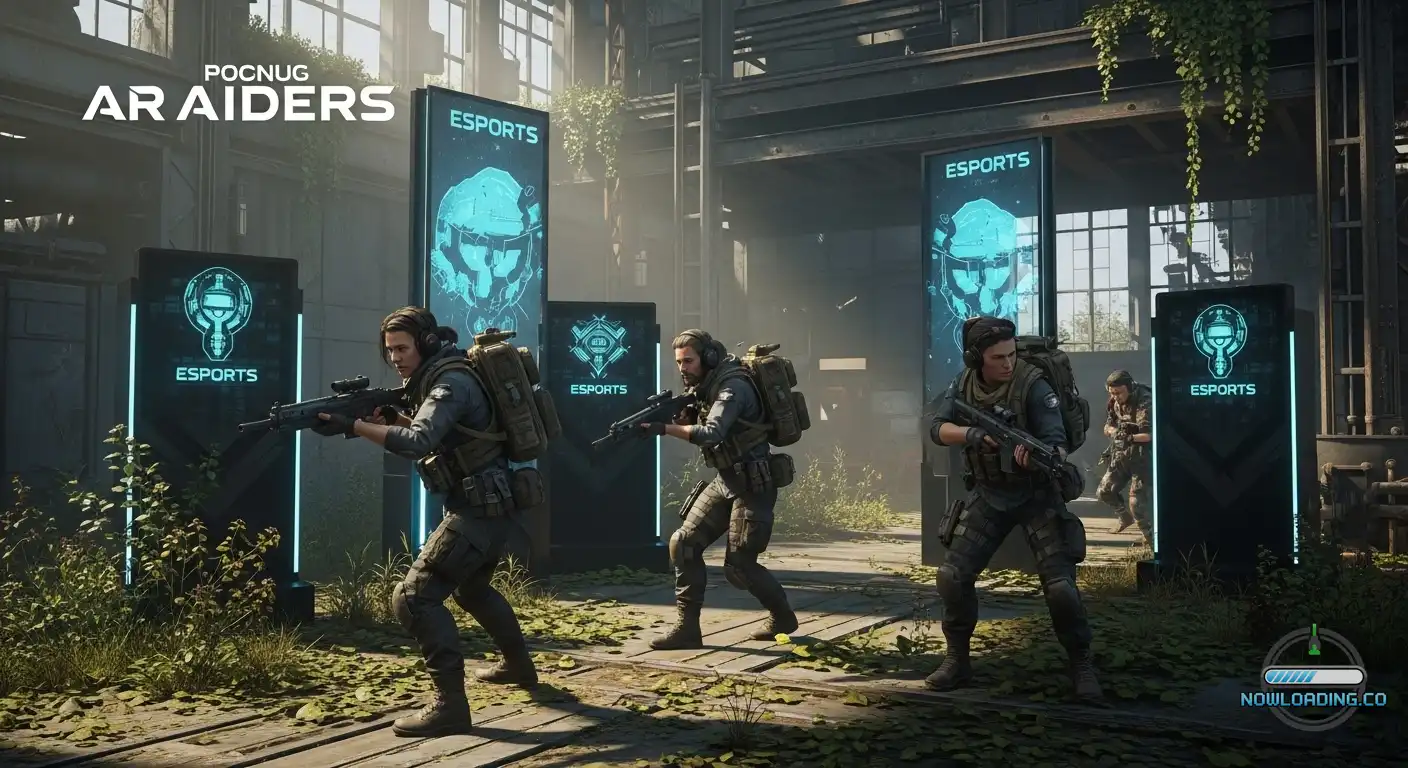
A better setup usually has one player scanning ahead, another holding space, and someone else handling sustain or loot flow. For a role-based look at weapons that fits this structure, that was covered here: ARC Raiders Weapon Tier List & Loadout Optimization for 2025 Roadmap Content.
The real answer to ARC Raiders class balance is pretty simple: the best “class” is the role your squad does not have yet.
How enemy AI behavior shapes every ARC Raiders co-op decision
ARC Raiders feels different from a lot of shooters mostly because of how its enemies act. The machines are not just targets. They also control the pace, which can change a lot. They affect noise, movement, panic, and timing in every fight.
There are no confirmed public numbers for exact aggro ranges or hidden AI formulas, so it makes more sense to focus on what players can actually see. On the enemy side, pressure comes from area denial, chase risk, and constant interruptions. The AI is there to kill you, of course, but just as often it pushes squads into bad choices, and that is a big part of the trouble.
What enemy AI seems to do well
Punish greedy movement: Stay too long at a point of interest and squads can pull layered danger onto themselves, and it builds fast.
Force path changes: Even simple machine patrols can wreck a clean route, pushing teams onto louder ground or straight into rival players, which is a rough trade.
Expose weak role coverage: Once pressure starts building, teams without scan or sustain feel a lot weaker. Missing anti-ARC tools hurts too.
Create PvP openings: Machine aggro makes squads loud and easy to track, which gives third-party attacks a much easier opening.
In ARC Raiders co-op, that last point really stands out. Enemy AI feels a lot like an alarm system. Even if the machine never finishes the squad, it can still start the chain reaction that gets them wiped later.
It makes more sense as a pressure curve. Early contact is usually manageable. Let that contact drag on, though, and the cost climbs fast. Once things turn messy, it can become fatal. The smart play is not to win the longest fight, but to end it quickly and rotate before the noise tax gets too high. That change shows up pretty fast in a match.
Players coming from other team shooters might compare it to Mastering Helldivers 2: Essential Co-Op Strategies for Victory, where enemy pressure also changes route value and mission tempo.
Reading the map for better ARC Raiders co-op loot improvement
Good loot runs in ARC Raiders are not just about luck. One of the strongest ideas in the game is that loot seems to be at least partly thematic, which is a nice touch. Certain points of interest seem more likely to have the kinds of items that fit that location.
That shifts how ARC Raiders loot improvement works. Efficient teams should think more like route planners than slot machines. It is a more useful way to think here.
What thematic loot means in practice
A medical-looking area usually points to healing or support items. Industrial spaces tend to hold parts, scrap, or other machine-related resources. Security or tactical zones lean more toward combat value. None of that guarantees a specific drop, but the odds get better when the route matches what the squad actually needs.
That makes pre-run planning worth the time. Before dropping in, the squad should agree on the main goal and stick to it:
- fast economy gain
- build-specific crafting needs
- safe mid-tier extraction
- risky high-value run
- event or objective overlap
Once that goal is set, route decisions get clearer. The scout has less reason to wander. The frontliner can better judge where to hold. The loot runner also gets a clearer sense of what is actually worth taking.
A lot of squads struggle because they loot too broadly. They cover too much ground, make too much noise, and leave with too many low-value items. Try a tighter plan instead: focus on 2 to 4 points, check the pressure, and get out. That usually keeps the run cleaner and more useful.
Need more route-specific map help? It was covered here: ARC Raiders Stella Montis Map Guide: Best Routes, Loot Spots & Event Tactics. It pairs well with this balance guide because map knowledge helps connect build strength to actual profit, turning smarter routes into better returns.
ARC Raiders co-op squad comps that feel best in low, mid, and high-risk runs
Not every raid needs the same comp. In ARC Raiders co-op, matching your squad setup to your goal is a simple way to play better. It really helps, and your runs usually feel easier, especially once you see how each setup fits the risk level.
Low-risk farming comp
Run one scout, one utility support, and one hybrid damage-looter. It’s simple, reliable, and easy to manage. This setup helps avoid messy fights, keeps your inventory efficient, and works well for regular progression or a warm-up before harder runs.
Mid-risk all-purpose comp
Run one frontliner, one scout, and one support. It’s an easy default for most teams and easy to play. This setup handles machine pressure well, gives good map awareness, and stays flexible enough to loot strong points, which helps a lot. Nice balance.
High-risk value chase comp
Use one frontliner with control, one high-mobility scout, and a specialist loot runner who communicates clearly. This setup fits squads that know exactly when to pull back, because timing and speed matter more here than raw damage.
One main idea is role compression. Good teams have one player cover two jobs without losing core coverage, so a scout can make loot calls too, and a support can hold overwatch at the same time. That gives the third player more freedom to focus on clearing machines or keeping extraction secure, which helps the squad avoid wasting actions.
Balance patches affect this setup too. If Embark keeps adjusting economy, weapons, and matchmaking, some comps will rise because they fit the current pressure curve better. That does not automatically make them broken. In a live game, that kind of shift is usually a healthy sign.
Matchmaking, progression, and why fairness affects ARC Raiders co-op balance more than players think
A lot of balance talk stays focused on builds or enemy damage, but matchmaking and progression shape fairness just as much. Reported roadmap details mention separating high-level players once they hit level 40+. If that system works, newer squads and mid-tier groups should land in fewer hopeless lobbies, and that would change a lot.
Balance only really shows up when teams get enough space to use it. Right now, top-end players can roll over lower-skill groups too often. Once that happens, most role discussion loses its value fast. Optimal utility does not mean much if a team gets wiped before it can set anything up, and that is the real problem.
Progression and economy tuning also matter here. In extraction games, access to gear changes how confident players feel. That confidence affects route choice, and route choice affects how often teams run into fights. So when Embark adjusts progression, it also changes the feel of ARC Raiders class balance and the pressure around loot. It is a bigger shift than it may seem at first.
For creators and streamers, this is worth watching closely. A meta is not just about what gets kills fastest. It also includes what leads to repeatable, watchable success. Better fairness tends to create better educational content, because viewers can actually use what they are seeing instead of just watching another blowout.
If you like this kind of role-based team analysis across games, we covered a similar idea from a different combat structure here: Chrono Odyssey Class Synergy Guide: Building the Perfect Party
Common mistakes that make ARC Raiders co-op loot runs fail
Most failed runs come down to a few repeated mistakes, which is pretty common, honestly. The good news is that every one can be fixed, so there’s no need to worry.
Mistake 1: Treating every fight like a fight you have to win
Sometimes the best move is to skip the fight entirely. Really. If machines add noise and delays, even a clean win can still become a bad trade, and that’s exactly what you should avoid.
Mistake 2: Carrying low-value clutter
Inventory space really is a balance tool. If your bag is full of weak items, the choices you make later usually get worse. It’s that simple.
Mistake 3: No clear loot caller
One player should call what to grab, what to drop, and when your squad is already ahead, keep it simple. That keeps everyone on the same page, and that helps.
Mistake 4: Overlapping jobs too much
If three players all watch the same doorway, the flank gets ignored, and the exit does too, which causes its own problem.
Mistake 5: Staying one minute too long
This is the classic extraction mistake, and yeah, it gets a lot of people. Most great runs fall apart right at the end because players get greedy, not because they were too weak earlier.
A simple fix is to use a soft extraction rule. Once the team locks in its target value, any extra stop should be worth the risk, really worth it. It’s a small habit with a big effect, and that change helps ARC Raiders loot efficiency more than many gear upgrades.
Frequently Asked Questions
Not in the usual hero-shooter sense. The game is better understood through squad roles and build archetypes like scout, support, frontliner, and loot runner. That is the most accurate way to discuss ARC Raiders class balance right now.
For most players, the safest setup is one scout, one frontliner, and one support or utility player. That mix gives vision, survivability, and enough flexibility for both machine fights and loot runs. It is a strong default for consistent ARC Raiders co-op success.
Focus on thematic points of interest, not random wandering. Pick a route based on what your squad needs, assign one player to call loot value, and leave once you hit your target profit. Smart exits usually beat greedy full-map clears.
Not exactly, at least not from what is publicly confirmed. It is safer to think of machine AI as pressure that punishes noise, long fights, and bad timing. The system matters most because it shapes movement and exposes squads to third-party danger.
A good place to keep building your knowledge is Now Loading, especially if you want route, weapon, and co-op strategy guides that connect systems instead of treating them in isolation. That is useful when you are trying to turn better theory into better extractions.
Yes, especially if you like games that reward communication, planning, and clutch choices. It also gives you strong educational angles for content because viewers want guides on squad roles, loot discipline, and encounter reads. Sites like Now Loading help because they cover this kind of deeper strategy without losing the fun side of the game.
The bottom line for stronger ARC Raiders co-op runs
If there’s one idea to keep from this guide, it’s this: ARC Raiders is built around roles, pressure, and risk management, not fixed classes. A better way to judge ARC Raiders class balance is by asking what the squad can really handle once things go wrong. Can the team scout safe routes? Recover after a mistake? Stay alive long enough for the loot to be worth taking out?
Here are the main points:
- treat classes as squad roles instead of locked identities
- support and scout value can matter more than pure damage in real runs
- enemy AI works best as a pressure system, not just a damage source
- ARC Raiders loot gets better when you route by theme and extract on time
- matchmaking, progression, and economy tuning all shape how balance feels
- the best co-op teams split jobs clearly and avoid role overlap
Before the next drop, make a basic plan. Pick the route, then assign jobs. Why not choose an extraction trigger before greed starts calling the shots? It really does help. It’s a small step, but in real play it makes runs feel smoother. Do that, and ARC Raiders co-op results should improve fast. The squad should also feel more consistent from one run to the next, and that usually becomes clear pretty quickly.
That’s the real meta: building a team that still works when everything gets loud, instead of chasing one broken build.