
Counter-Strike 2 esports opened 2026 in a huge way, and one team sat at the center of almost every major headline: Vitality. In the first quarter of the year, Vitality did a lot more than win. It led the conversation, set the pace, and pushed the standard higher for everyone else (which says quite a bit). Big stuff, honestly. Recent data from Esports Charts shows CS2 esports passed 159 million Hours Watched in Q1 2026, a massive sign that Counter-Strike is still one of the strongest esports in the world. At the same time, Vitality claimed the first three biggest trophies of the season and turned a strong start into something that already feels, in this view, era-defining.
For fans, players, streamers, and anyone trying to understand where CS2 esports goes next, this moment matters a lot. When one team is this dominant, it can shape map priorities and change what players are expected to do on certain maps and in big late-round situations. It can also affect roster building and even change how casual viewers follow big tournaments (that part is often easy to miss). In this article, we’ll look at why Vitality ruled Q1 2026, how the wider Counter-Strike scene grew around them, and what teams like Spirit and PARIVISION added to the story. If you follow competitive shooters closely, this quarter probably gave a pretty clear signal: the CS2 esports race is very much alive, and Vitality is the team setting the pace.
Why Vitality owned the first quarter of Counter-Strike esports
The biggest reason Vitality dominated Q1 2026 is pretty simple: it kept winning the events that mattered most. Esports Charts reported that Vitality won BLAST Bounty Spring 2026, IEM Katowice 2026, PGL Cluj-Napoca 2026, and kept the streak going in one uninterrupted run. In Counter-Strike, that kind of consistency is usually rare. Really rare. One rough playoff day, one bad veto, or one star player going cold at exactly the wrong time can end a title run quickly, and that happens more often than teams would like.
What made the streak stand out even more was the level of competition. These were not easy brackets or low-pressure wins. They came against strong lineups, in front of huge global audiences, with expectations on the team every time it played. The same Esports Charts report called Vitality the undisputed kings of CS2 in Q1. It also said that every player on the roster appeared in top player rankings during the quarter. So this was not a one-man carry. The whole lineup was playing well, and that is a big reason the run looked so convincing.
| Q1 2026 CS2 metric | Value | Why it matters |
|---|---|---|
| Total CS2 Hours Watched | 159M+ | Shows strong global demand for CS2 esports |
| IEM Katowice 2026 Hours Watched | 59M+ | The biggest event of the quarter |
| IEM Katowice peak viewers | 1.3M | Huge live reach for a single CS2 tournament |
| Vitality major trophies in Q1 | 3 | Clear proof of early-season dominance |
The table above shows that the team result and the business result went up together. CS2 esports was already in a healthy place, but Vitality gave the quarter one strong storyline that people could actually follow. Esports usually grows faster when viewers can follow a clear chase like this. Dynasty teams often create that tension in a very direct way. Fans either want to see the streak continue, or they tune in hoping this is finally the series where it ends, which is honestly part of the appeal.
Readers who also follow the style side of Counter-Strike will usually notice this kind of dominance carrying over into fan attention and spending. It connects with skin demand, player popularity, and the social chatter around the game. But that part does not exist on its own. It usually grows alongside results, visibility, and the way fans react online. We covered that here: Latest Counter-Strike 2 Skins: Market Trends and Fan Reactions (May 2026).
The viewership boom behind Counter-Strike headlines
Vitality’s winning streak may be the obvious headline, but the bigger industry story is how huge CS2 esports looked in Q1 2026. More than 159 million Hours Watched in a single quarter is not just a nice stat to mention. It suggests Counter-Strike is still one of the most reliable esports products around, which says a lot in a crowded market. It also makes it pretty clear that the shift to CS2 is no longer a short transition period. This is the version of the scene people are watching now, and in most cases, treating as the standard.
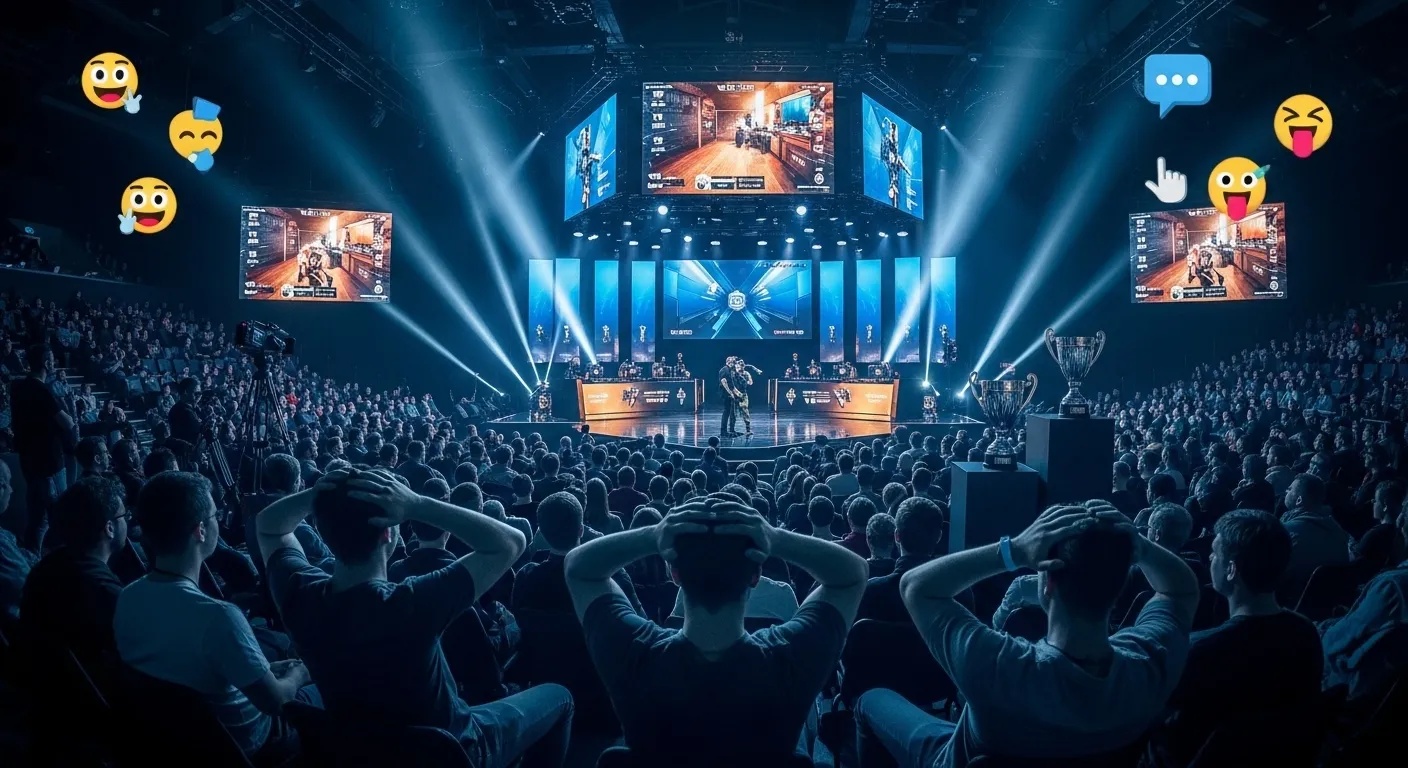
IEM Katowice 2026 led the quarter with more than 59 million Hours Watched and a peak of 1.3 million concurrent viewers. Those numbers stand out because Katowice has long been a benchmark event for Counter-Strike. When that tournament performs well, it usually points to a healthy scene overall. Fan interest is there, sponsor value usually holds up, and the broadcast keeps viewers engaged. Just as important, the competition still feels meaningful when the biggest teams and players meet on one of the scene’s most watched stages, which is often the clearest test.
BLAST Bounty Spring 2026 and PGL Cluj-Napoca 2026 were the other most-watched events, helping create a packed early calendar. That kind of event density usually matters more than it seems at first. Fans never really had a long quiet stretch between major tournaments, so the scene stayed active. Vitality also kept giving people new reasons to tune in, which probably helped carry momentum from one event to the next.
This also matters for streamers and aspiring creators. When CS2 esports numbers rise, people start searching for map breakdowns, player settings, highlight reactions, fantasy picks, and hardware tips. A strong tournament season usually drives traffic across the wider gaming ecosystem. That includes coaching content, equipment coverage, and growing interest in esports careers. So for anyone building a setup or planning content around competitive shooters, we covered that here in a practical way: Competitive Edge: Essential Esports Gear for Success.
What made the Vitality team so hard to beat
A title streak alone doesn’t fully explain why Vitality looked so different from the rest of the field. The bigger reason was balance. In a lot of Counter-Strike eras, top teams lean a little too much on one star player, and you can usually spot that pretty fast. Once that player cools off, the whole system starts to shake. Vitality’s Q1 2026 success felt steadier because the whole roster contributed, and their level stayed high across multiple events.
Esports Charts noted that every Vitality player appeared in top player rankings for the quarter. That kind of spread suggests several things were working at the same time: strong opening duel impact, dependable trading, cleaner mid-round calls, and enough confidence to recover after rough maps. That matters because it points more to structure than to a simple hot streak. It also gave opponents fewer clear pressure points. If one player had a quiet game, someone else could step in without forcing the team to change its style, which is often when teams start to fall apart.
The FURIA rematch also says a lot if you look at it a little closer. FURIA beat Vitality earlier at IEM Chengdu. Later, in the grand final of PGL Cluj-Napoca 2026, Vitality answered with a 3-1 win. That’s a strong sign of championship maturity. Great teams do more than win when everything feels easy. They usually learn, adjust, and come back sharper against teams that already exposed them once, especially on a final stage.
For competitive players, this is probably the clearest lesson from the Vitality team: over a long season, depth usually matters more than flash. A team that can adapt on the fly, stay emotionally steady, and trust all five players will often survive harder brackets than a team built only around explosive aim. That’s a big part of why Vitality’s Q1 run felt like a system instead of just a streak.
That pattern also gives younger players something useful to study. Counter-Strike mastery is about more than mechanics alone. It also comes down to spacing, communication, recovering after lost rounds, and understanding what the lineup needs in each moment. Those team-building lessons also carry beyond CS2. Even in games with very different pacing, like squad battlers or creature-based formats, the same logic still shows up, which is why team synergy discussions in articles like Digimon Story: Time Stranger Guide, Team & Combat Tips still connect with esports thinking.
The challengers: Spirit, FURIA, and PARIVISION
A dominant champion is only really interesting when the rest of the field can still fight back, and Q1 2026 gave a few good examples of that. Team Spirit stayed one of the most visible squads in the scene, with strong average viewership tied to its star-heavy lineup. That was easy to notice. Put simply, Spirit kept drawing fans in even while Vitality continued stacking trophies, which usually is not easy for any team sitting behind a clear No. 1. That also felt like a good sign for CS2 esports, since the scene was not depending on just one team to keep attention high.
FURIA brought a different kind of challenge. The Brazilian side had already shown it could beat Vitality at IEM Chengdu, so their later rematch in Cluj-Napoca felt like it really mattered. Vitality still won the final 3-1, but the matchup stood out because it showed that some teams could still seriously pressure the leaders when a title was on the line. That part meant a lot. Rivalries often turn a good quarter into one people actually remember, or at least keep talking about after the event ends.
Then there is PARIVISION, probably the most interesting new team of the quarter. Esports Charts described it as a powerful new arrival in CS2 esports during Q1 2026. It also said PARIVISION had the highest average viewers at top events, with long match times helping raise that number. Still, that did not automatically make it the second-best team overall. What it did show was how quickly the team became part of the conversation, which is just as interesting if the focus is on how the scene changes over time.
For fans, this mix felt ideal. You had the steady giant in Vitality, Spirit with its star power, FURIA with that emotional edge, and the surprise energy of PARIVISION. That is a pretty nice mix. Balance like this usually keeps counter strike feeling fresh even during a busy event calendar. It also gave content creators more than one angle to cover, from upset picks to style trends to region-based fan growth.
Why this Counter-Strike quarter matters beyond trophies
It’s easy to look at Vitality’s story as just a run of wins, but the effect usually goes beyond that. A strong Q1 often shapes what happens next across the whole scene. Other teams start copying the leader’s habits, and that usually happens fast. Coaches rethink veto plans. Analysts spend more time looking at utility structure, role fit, pressure management, and how lineups perform in playoff matches and late-stage tournament games. Fans change their standards too. When one roster looks clearly ahead, every other contender starts being judged against that level.
That also brings pressure, while sometimes helping push the scene forward at the same time. Expectations get heavier for everyone near the top. If a team is supposed to contend, every playoff exit feels bigger now because Vitality has already shown what the bar looks like: deep runs, cleaner closes, and stronger form against other elite teams. Rival rosters adapt faster too. They need to fix weak spots sooner than they probably would have otherwise. In a healthy scene, one dominant team usually does not shut competition down. It pushes the rest of the field to get better.
There’s a money side to all this too. Big viewership helps organizers, sponsors, talent teams, and platform partners. Strong events also make future event deals easier to sell. That creates a better setup for newer creators who want to build content around CS2 esports, which helps the scene too. One hot quarter can help a lot of people, from analysts and coaches to streamers and smaller channels making clips, shorts, and map explainers.
For players trying to turn passion into work, that matters a lot. A strong counter strike ecosystem supports more career paths than people often realize: player, coach, observer, editor, host, event staff, social producer, stat specialist, and brand partner. So if that path sounds interesting, we covered it here: Esports Career Paths: Breaking Into Gaming in 2025.
What aspiring players and streamers should learn from Q1 2026
If you take CS2 seriously or stream competitive shooters, Vitality’s quarter gives a few genuinely useful lessons. The biggest one is that consistency usually matters more than hype. A lot of players get pulled toward flashy plays, but spend less time building habits they can repeat under pressure. Those smaller habits add up. Vitality looked so strong because the team kept its level across several tournaments, which is often the hardest part. It was not about one viral map or one big pop-off performance.
Another takeaway is that team play is still at the center of counter-strike. Social clips and big moments are everywhere, but the best CS2 esports teams still win through trust, spacing, utility timing, and clear roles. If you queue with friends or play amateur scrims, those are probably the areas worth practicing regularly, not just when motivation is high. That repeated structure is usually what separates decent teams from teams that actually keep getting better.
Then there is the audience side. Teams and players with a clear story often pull bigger numbers. Spirit had star power. PARIVISION came in with surprise momentum. FURIA brought emotional swings and fan energy. Vitality brought dominance. If you’re building a stream, it makes sense to think about your own angle the same way. Is it education, comedy, demo review, a grind journey, or tournament breakdowns? Any of those can work. You do not need to do everything.
This is also where hardware and workflow matter. A stable setup helps with scrims, demo review, clean streams, and long sessions with less friction. Not exciting, but still key. So if you’re shopping with performance in mind, Best Gaming Laptops 2025 for Esports: Performance & Portability can help you sort through the options, especially if portability matters to you.
The pressure points that could slow Vitality down
Even great teams do not stay untouchable forever. If the rest of the scene wants to catch Vitality, a few weak spots usually make the most sense to target. The first is predictability. The more a team wins, the more footage everyone else has to study, and that is the trade-off. Over time, utility patterns, favorite defaults, clutch habits, and map priorities become easier to spot and prepare for.
Fatigue is another big factor. Deep runs at multiple events sound ideal, but a packed schedule can slowly wear down focus. Top-level Counter-Strike is mentally brutal, and often even tougher late in a long stretch. Travel, media work, anti-strat prep, and high-pressure playoff matches can pile up quickly. So if a contender wants to take a trophy later in 2026, timing could matter a lot, especially when players are working with less energy than usual.
There is also the question of adaptation from hungry teams. Spirit and FURIA already bring different kinds of problems for the field, while PARIVISION has its own style as well. A steady favorite can start to wobble when several teams improve at the same time. One opponent might pressure you with pace. Another could do it through discipline, or simply peak in the playoffs or the title match.
For fans, that uncertainty is a good thing. Dominance is fun, but it usually works best when there is real tension around it. The best Counter-Strike seasons often have one super team and a few real threats. Right now, Q1 2026 suggests that is exactly the kind of setup in front of us.
Frequently Asked Questions
Vitality won the first three major trophies of the season, which made it the clear team to beat. On top of that, all five players showed strong form, so the team looked complete rather than top-heavy.
CS2 esports generated more than 159 million Hours Watched in the first quarter of 2026. That makes it one of the strongest esports scenes of the year and shows that viewer demand remains very high.
IEM Katowice 2026 led the way. It produced more than 59 million Hours Watched and reached a peak of 1.3 million concurrent viewers, making it the biggest CS2 event of the quarter by audience.
FURIA, Team Spirit, and PARIVISION all added pressure in different ways. FURIA had an important rivalry angle, Spirit kept strong viewer interest with star talent, and PARIVISION emerged as one of the most exciting new teams.
Focus on consistency, teamwork, and clear communication before chasing flashy clips. The biggest lesson from Q1 2026 is that strong systems, good habits, and full-team trust still win at the highest level.
Where Counter-Strike esports goes next
The clearest takeaway from Q1 2026 is simple: Vitality dominated. Counter strike also looks strong, steady, and full of storylines as the year goes on, which is a really good sign. Right now, Vitality has the spotlight because it earned it through results, roster depth, repeated wins under pressure, and the ability to finish tight matches when rounds get close. That usually matters a lot in a season like this. The wider scene looks healthy too. Strong event numbers, rising teams, active rivalries, and real momentum all show a season that could easily get even better.
For fans following CS2 esports, this is a great time to pay more attention to map pools, rematches, and how rosters change over time. Players can study the small habits behind Vitality’s success, because the details often show up most when matches get tense. And for streamers or creators, the audience surge is worth using while interest stays high. If the main thing is just loving counter strike, this is a moment to enjoy. A game usually feels special in seasons like this, when elite play shows up, viewership gets huge, and the tension in big matches feels real.
Q1 2026 gave exactly that. Vitality may be on top today, but the chase behind them could make the rest of the season really fun to watch, especially if the rematches keep building. We covered more on Now Loading.