
The latest wave of Counter-Strike 2 skins in May 2026 did more than give players new cosmetics to chase. It brought the counter strike economy back into focus, started debate in trading circles, and changed what players want from a good-looking loadout (which is kind of a big deal). A pretty clear shift.
Over the past few weeks, new finishes went from early curiosity to appearing everywhere in matches, streams, and social clips. That matters because the CS2 skins market usually is not driven by looks alone anymore. In 2026, buying behavior is tied to identity, flex value, resale potential, and how visible a skin is across content platforms, especially for people who spend time watching clips. For most players, it is about more than style.
According to recent reporting from SkinVS and other market trackers, players are leaning toward cleaner, easier-to-read designs that stand out without trying too hard. Traders, though, are watching rarity, liquidity, and short-term hype more closely. So this article looks at what changed in May, why fan reactions have been so strong, how gaming market trends are shaping prices, and what is probably worth watching next.
Why May 2026 Became a Big Month for Counter Strike Skins
May 2026 felt like a big month because the newest Counter-Strike 2 skin drops landed in a market that was already more mature, faster, and more reactive than it had been a year earlier. Reports from GameSpace said the CS2 skin market became more organized in 2026, with more regular collection releases and sharper price swings as players reacted quickly to visual updates and trading changes. In a market like that, attention matters a lot. When a finish catches on early, it can build momentum very fast, sometimes faster than people expect.
A few clear forces shaped the month. Players were looking for skins with a strong identity. SkinVS reported that the market is crowded, so fans now want designs that feel intentional and easy to match with existing inventories, which fits here. The updated look of Counter-Strike 2 still matters too. Lighting, textures, and surface detail can make a skin feel very different in CS2 compared with older previews or with what people expected from concept art. Then there is stream and clip culture, which keeps speeding things up. A skin that looks great in a short highlight will often get noticed much sooner than one that mainly works in static screenshots.
That created a closer feedback loop between release, community buzz, and price movement.
| Market Signal | What Happened in May 2026 | Why It Matters |
|---|---|---|
| Design preference | Players leaned toward cleaner, easy-to-match finishes | These skins fit more loadouts and spread faster |
| Trading behavior | Flippers and collectors reacted quickly to early demand | Short-term prices moved faster than before |
| CS2 visual impact | Lighting and texture changes affected skin appeal | Appearance in-game became a bigger buying factor |
| Content creator effect | Streams and clips boosted visibility for standout skins | Exposure increased fan interest and trade volume |
That also helps explain why this topic is not just about cosmetics. For many players, skins now sit at the point where expression, status, and digital market strategy come together. It sounds bigger than it first seems. If you follow broader gaming shifts, you can probably see how this connects to a larger story about player identity and virtual ownership. That is likely a big reason people pay attention to skin drops now, not only for how they look in a match, but for how they show taste and how they might do in the market. This was also explored in Future Gaming Trends: Virtual Communities in 2025.
What Players Are Actually Buying Right Now in Counter Strike 2
The biggest buying trend in May 2026 wasn’t raw flash. It was clarity. Players seemed drawn to skins that look polished, easy to read, and confident as soon as they appear. That may sound obvious, but in a crowded market, simple often wins for a reason. If a weapon finish feels too busy, overdesigned, or hard to read in motion, it can lose momentum even when it’s rare.
SkinVS summed up this pattern well, saying that the standout skins in May had a clear identity without feeling forced. That connects pretty directly to how people actually play. Most players aren’t building a museum-piece collection. They’re building a loadout. They want an AK, M4, AWP, or pistol skin that works with gloves, stickers, agents, and everything else in their inventory. When a skin fits naturally into many setups, it reaches more people and often sees stronger market activity, especially among players who swap cosmetics around often.
There’s a content side to this too. Skins that read clearly on video can get a kind of free promotion from streamers and clip creators. Bright accents, clean contrast, and recognizable shapes usually stand out better on compressed footage, so some finishes get an edge before any real market consensus has formed. That early push often matters more than people think.
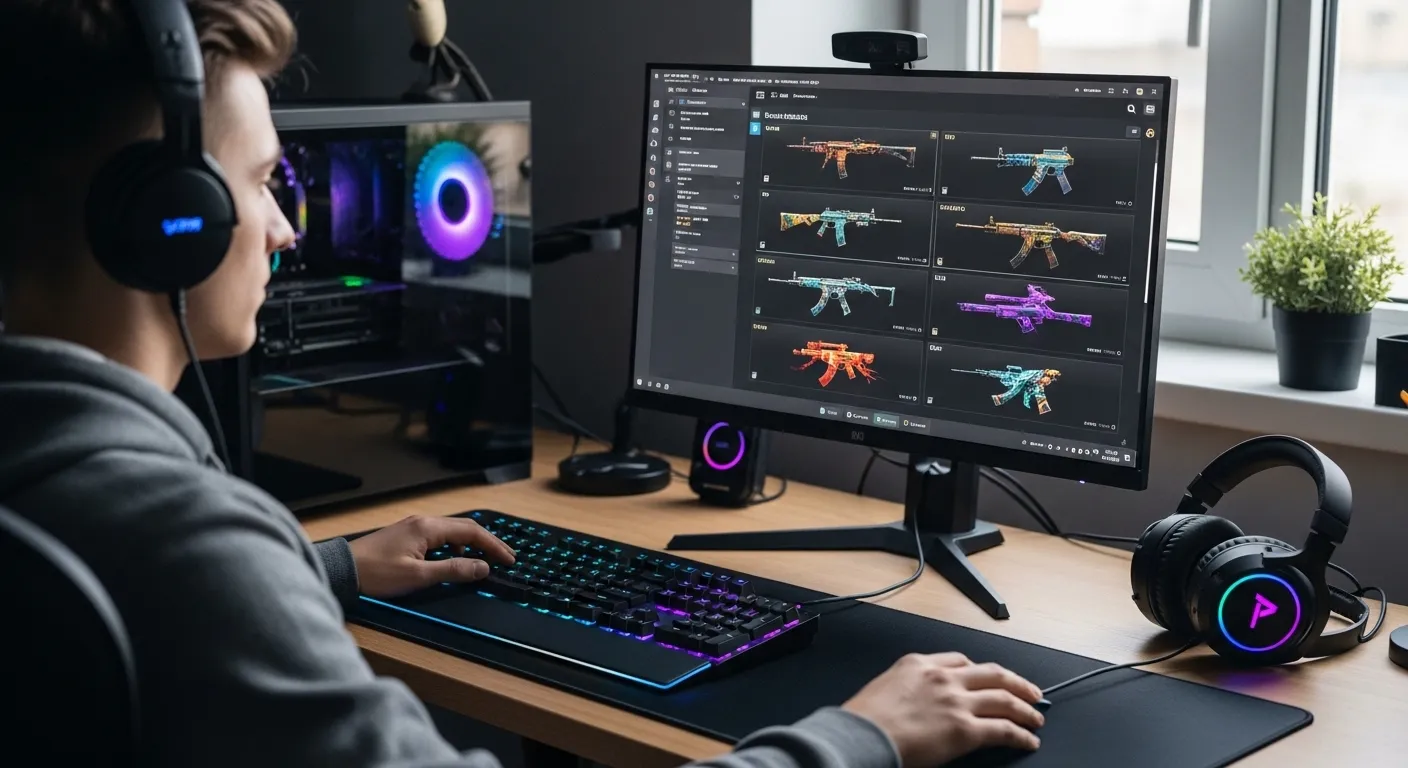
This shift says a lot about current gaming market trends. Visual products often do best when they’re flexible, easy to understand right away, and easy to share. That pattern shows up across live-service games, not just counter strike. It also connects to broader changes in design tech and personalization. If that side of the market is interesting, it’s covered here: Future Trends in Gaming: 5 Emerging Technologies Ahead.
For players, the practical takeaway is pretty straightforward. The hottest CS2 skins right now aren’t always the loudest ones. More often, they’re the skins people can actually imagine using every day. That’s really the key.
The New Rules of the Counter Strike 2 Skin Economy
The CS2 skin economy in May 2026 looks a lot more like a fast-moving digital collectibles market than a simple item shop scene. Prices are being pushed by several things at once: rarity, visual appeal, collector demand, discontinued supply, and how easy an item is to trade, which usually matters more than people think. PorchDrinking pointed to a key detail in its 2026 market coverage: the strongest performers are often skins that already have collector interest and fairly active trading volume. Put simply, the market usually leans toward items people actually want and can resell or swap without much trouble.
That has created a split between two types of skins. Some are ‘wearable winners.’ They stay popular because lots of players genuinely want to use them in matches. Others are ‘market winners.’ Those get attention because traders expect future gains, usually because of demand patterns and limited supply. Every so often, a skin becomes both at the same time, and that is often when it turns into one of the most talked-about items of a given month, which is usually where things start to get interesting.
May 2026 showed how quickly that shift can happen. New releases hit the market through curiosity-driven trades, then either cooled off or picked up speed depending on stream exposure, loadout compatibility, and early talk about scarcity. GameSpace also said that the faster release cycle in 2026 has made reactions sharper. Players and investors no longer wait long before deciding whether a skin matters, and that usually shows up in the first wave of trading.
Before CS2, many buyers were happy to treat cosmetics mostly as long-term collectibles and only secondarily as style pieces for the game. Now those roles overlap much more. A skin has to look good under current lighting, match current taste, and keep enough market confidence to stay interesting once the first burst of hype fades. In that sense, people are not only buying for looks anymore. They are also buying into how the market sees that item right now and whether that view can actually last.
That mix of utility and speculation is one reason the market keeps getting new attention. A similar shift is visible across broader digital systems, where AI, recommendation engines, and player behavior all play a bigger role in how value gets discovered. We covered that here: AI in Gaming: Innovations Shaping Game Development.
Fan Reactions: Excitement, Skepticism, and Loadout Culture
Fan reaction to the newest Counter-Strike 2 skins has been intense, but it hasn’t been the same everywhere. Plenty of players are truly excited, because fresh collections usually make the game feel more active. New skins give people a reason to rebuild loadouts, revisit older combos, or just spend time talking about aesthetics in a game that mostly revolves around skill, and that’s part of the appeal. That social side often matters more than people openly say. A new skin drop quickly turns into a shared event: friends compare picks, stream chats rate the designs, and Reddit threads plus Discord servers start breaking down the hits and misses within hours.
At the same time, there’s real skepticism around all of it. Some players think the market moves too fast now. When every release gets framed like an opportunity, the excitement can start to feel a little forced. Fans also notice when a skin rises mostly because people want to flip it, instead of because the design is actually strong. In those cases, the community usually pushes back pretty fast and calls the hype fake.
NewsBreak coverage from May 2026 landed in that middle ground, saying that no single release reset the economy. Even so, several new additions created enough discussion to affect prices, trade interest, and loadout habits. That seems like the most accurate way to read the month. It wasn’t a total revolution. It was more like a clear shift in taste and attention.
For competitive players and streamers, that shift is practical too. A better-looking, more current inventory can help a channel feel fresh, and it can become part of a personal brand. That helps explain why skin culture still matters for creators building their setup and online identity. For anyone at that stage, pairing inventory choices with smart hardware matters too, and A Beginner’s Guide to Building Your Gaming PC from Scratch is a useful next read.
Why Some Counter Strike Skins Spike While Others Fade Fast
Not every new CS2 skin gets past the launch window. In fact, a lot of them don’t. A skin might look great on reveal day, get a quick burst of buying, and then lose steam within a week. It happens fast. Usually, the difference comes down to a few factors that show up again and again, and people can often spot them earlier than expected.
One big factor is instant visual recognition. If players remember a skin after seeing it once or twice, it usually has a better chance of keeping attention. Versatility matters too. A finish that works with different glove combos, sticker setups, and inventory styles tends to appeal to a wider group of buyers. Then there’s scarcity perception, which can get complicated fast. Even before the actual supply is clear, players react to the idea that something might be rare. If the community starts to think a skin could be harder to get later, demand can rise before the facts are fully clear.
Liquidity is another big part. PorchDrinking pointed out that liquid trading volume matters. When a skin can be bought and sold easily, it usually pulls in more serious market participants. That can make it feel safer to hold, since there’s a clearer way to exit. On the other hand, an item with thin demand can still seem rare, and that can be misleading. It may still struggle to keep its value.
Accio’s 2026 market analysis adds more context. It puts skin market cap above $4 billion and annual trading volume above $1 billion, with projected growth over time. Those are big numbers. Whether those estimates should be taken cautiously or not, they help explain why CS2 skin behavior now feels like more than simple cosmetic collecting. It often looks more like a real trading market than a group of players just picking finishes they like.
When all four factors line up, a skin can spike hard in the short term. If they don’t, the drop can happen just as fast, and that’s usually the part people underestimate.
The Role of Streamers, Clips, and Social Proof
One of the biggest forces in the May 2026 counter strike skins cycle was social proof. Players do not judge skins in isolation anymore. They keep seeing them on Twitch, YouTube, short clips, edit videos, and match broadcasts, often again and again. When a finish looks good in motion, people usually notice it much faster than they would from a static market listing.
That changes the older idea that rarity alone drives demand. Rarity still matters, of course. But visibility matters more than it used to. A skin can be uncommon and still go unnoticed if nobody is showing it in a memorable way. At the same time, a skin with moderate supply can still feel premium when it keeps showing up in clean ace clips, loadout videos, or creator inventory videos, and that happens a lot.
That helps explain why May’s biggest reactions centered on skins that looked good right away. SkinVS pointed out that first impressions matter, especially across videos, clips, and streams. That matches what players already notice every day. If a finish looks good on camera, it can quickly become part of a creator’s signature style, and fans usually catch that fast. In many cases, it is something people notice within just a few seconds.
This matters even more for aspiring streamers. A loadout is not everything when trying to grow, but it still becomes part of a streamer’s visual style. The same pattern also seems to appear across gaming culture more broadly. Presentation, tools, and identity now feel more connected. So it fits with the ideas discussed in Cloud Gaming in 2026: What Gamers Need to Know, especially around how easier viewing and playing ecosystems keep shaping what audiences notice first. That is probably why certain skins tend to spread so quickly once people start seeing them everywhere.
Smart Buying vs. Panic Buying in May 2026
If this month has shown anything, it’s that timing matters almost as much as taste. Players who buy the second a skin starts trending often end up paying the highest premium at the start of the hype cycle, and that happens a lot. That does not automatically make it a bad buy, but it clearly adds more risk. In a fast-moving market, emotional purchases usually get expensive very fast, and that tends to show up almost right away.
A smarter way to deal with it starts with a few basic questions. Do you actually want to use the skin? Does the design still feel broadly appealing after that first week of hype fades a little? And just as importantly, can the item be traded easily later if your opinion changes? If the answer stays yes the whole way through, the purchase is on much firmer ground. It’s simple advice, honestly, but it’s also easy to forget when excitement takes over.
A lot of fans still fall into one common trap: they mistake early noise for long-term relevance. A skin can dominate the conversation for a weekend just because it’s new. That does not mean demand will still be there once everyone has seen it in-game and those first reactions wear off. Giving it a little time often helps. Watching how the skin moves over a few days can give a much clearer picture of whether the market is settling or starting to slip.
For collectors, patience may be the strongest move. Creators might have good reason to buy early when a skin fits their brand and helps their content stand out in videos or streams. Traders, though, usually need the most discipline. From that angle, having a clear exit plan is often better than hoping every hot item turns into a grail, because it rarely works out that way.
Frequently Asked Questions
The biggest trends are cleaner visual design, faster price swings, and more attention on skins that look good in streams and clips. Players also care more about loadout matching and resale potential than before.
Some can be, but not every new release holds value. The strongest candidates usually combine visual appeal, broad player demand, and healthy trading volume. If you only buy because of hype, the risk is much higher.
Popularity often comes from a mix of first impressions, creator exposure, and perceived rarity. If a skin looks strong in motion and fits many inventories, it can spread fast across the community.
Yes, at least a little. Even if you are not trading, market trends can help you avoid overpaying and spot skins with lasting style. It also helps you understand why certain items suddenly become harder to get.
Streamers help decide what gets seen first and what starts feeling desirable. A skin that appears in popular clips or inventory showcases can get a fast boost in attention, trade volume, and fan interest.
What to Watch Next in the Counter-Strike Skin Market
Looking ahead, the main thing to watch is whether the current preference for clean, identity-driven finishes keeps carrying into the next release cycle. Right now, the market seems to favor skins that balance style with usability, not just ones that look good in flashy promo shots. If that pattern keeps going, the next standouts will probably be the skins that look great during actual matches, on your screen and in motion, instead of only in reveal art.
Another big trend is the growing overlap between player culture and investor behavior. It’s a clear shift. As the CS2 economy becomes more mature, more buyers seem to be thinking on several levels at once: aesthetic value, social value, market value, and even how a skin feels to own, which oddly is a real factor. That does not mean every player is turning into a trader. But it does mean market logic is now part of everyday skin conversations, and you can see it in how people talk about pickups, pricing, and status.
There is also a broader tech angle here. Algorithms, clips, and online communities are shaping discovery, hype, and value more and more. That is one reason this story connects to the broader future of gaming. In many cases, what gets boosted, shared, and clipped is what people notice first. For the bigger picture, it was covered here: The Best Gaming Innovations of 2026, What to Expect.
For now, the smart takeaway is pretty simple. Pay close attention to design trends. It is usually better not to chase every spike, but to watch how a skin performs in real play, how it looks on screen, and what happens in the market. In May 2026, the latest Counter-Strike 2 skins showed that CS2 skins are still one of the clearest windows into gaming market trends, fan identity, and the changing culture of counter strike.
![[PRODUCT FIDELITY — TOP PRIORITY: A reference image shows a real product. Reproduce that product EXACTLY as in the reference: identical packaging shape, label layout, logo, typography, wording, and colors. Do NOT redesign, restyle, translate, relabel, blur, crop out, or invent any text or branding. Treat the product as a pixel-faithful copy of the reference; only its position, angle, and lighting may adapt to the scene.]
[SCENE VARIETY — IMPORTANT: Keep the product itself pixel-faithful, but build a DISTINCT, article-specific scene around it. Fully honour the environment, composition, camera angle, lens, mood, and colour direction described in the SCENE below. Vary the setting, background, supporting props, framing, and where the product sits in the frame from one article to the next — do NOT default to a plain studio backdrop or a centred hero product shot.]
Reference image 1 (subject): Feature this exact product, placed naturally within the scene (it need not be the sole subject). Reproduce the product itself PRECISELY from the reference image — identical packaging shape, label layout, logo, typography, wording, and colors. Do NOT redesign, restyle, relabel, or invent any branding or text.
SCENE: Create a photorealistic, high-quality photograph with natural lighting and realistic textures. Shot with professional camera equipment. A photorealistic gaming room with a single PC player focused on Terraria on a widescreen monitor, desk lit by soft natural window light, realistic keyboard, mouse, headset, and subtle green-blue ambient tones. The scene should feel organized and strategic, with realistic textures on wood, fabric, and metal, and a calm but focused mood suitable for a game guide hero image, no text. Set in a indie game development space with a immersive exploration atmosphere. Feature headset with LED lights prominently in the scene. Use a tech inspired neon color scheme with layered visuals with character guides composition. Shot from a low angle for dramatic effect using a telephoto for capturing esports events. Apply dynamic color grading to the overall image. The image should clearly relate to Terraria Guide: Mastering the Best Strategies for 2026. IMPORTANT: Do not include any text, words, letters, numbers, or written content in the image. Focus on visual elements only.](/_next/image?url=https%3A%2F%2Fseozillastorage.blob.core.windows.net%2Fimages%2Fusers%2F262%2Fcompressed%2Fterraria-guide-mastering-the-best-strategies-for-2026-593706.webp&w=3840&q=75&dpl=dpl_5Lc1LoSDNV93FxCafsp45cWEAeaS)