
Games don’t feel the same as they did five years ago, and most players sense it before they can put it into words. Worlds react faster, enemies make smarter choices (you’ve probably noticed it in the middle of a fight), and updates now arrive in weeks instead of months. That quiet feeling that something has changed often comes from AI in gaming. It didn’t show up with big announcements. It slipped into day‑to‑day development through small things like smoother movement or balance changes you notice more than you see.
AI isn’t just a background tool anymore. It shapes how games are built, tested, balanced, and played, often without players realizing it. Big AAA studios and small indie teams use AI tools to try out levels, characters, and systems with fewer people and less time. For players, this usually means worlds that feel more believable, better accessibility options like adjustable difficulty or control assists, and more choice in how to play. That’s why many modern games support stealth runs, speedrunning, or relaxed play without pushing one “correct” style, and most of the time it feels natural instead of forced.
The most interesting part is what happens behind the scenes. This guide skips the marketing talk and looks at how AI is actually used today, from automated testing to smarter NPC behavior. It also explains how these changes affect competitive players, streamers, and indie fans, along with the hardware side and the growing questions around wellness and fairness, which are often more complicated than they first appear.
If you follow gaming news on sites like https://nowloading.co, you’ve probably seen AI mentioned more often. This article brings those stories together into a clearer picture, showing how everything connects without leaning on hype or buzzwords, and ends with real examples instead of vague promises.
How AI in Gaming Is Quietly Powering Modern Game Development
AI has been part of games for decades, but what it does has changed a lot. In the past, it usually meant simple enemy patterns or scripted behaviors that followed fixed rules, like patrol routes you could learn by heart. That approach worked, but it had clear limits. Today, AI in gaming is used across the entire process, starting during early concept planning and continuing through post-launch live service support, which players mostly notice as steady patches and balance updates.
One of the more interesting changes is how studios use AI for project planning. By looking at past studio data, AI-assisted tools can predict timelines and point to bottlenecks earlier than before. That early warning can matter a lot, especially when a team lacks certain skills, like animation or networking experience. Instead of scrambling late, producers see problems sooner, when small issues are usually easier to fix and less likely to turn into release delays.
Quality testing is where the difference feels biggest. AI-driven testing systems can run thousands of play sessions at the same time across many hardware setups, from older consoles to new GPUs and unusual PC builds. This helps teams catch crashes, balance issues, performance drops, and broken quests much faster than human testers alone. Industry reports suggest automated testing can cut QA costs by up to 40 percent while covering more ground. Fewer late surprises usually lead to more confidence at launch, which helps both studios and players.
During production, developers also use generative AI to move faster. Textures, background art, animations, and placeholder voice lines can be made quickly, often just to test pacing or mood. This doesn’t replace artists. It reduces repetitive tasks and leaves more time for visual style, emotional beats, and small details players remember.
Here is a snapshot of how AI affects development speed and scale across the industry.
| Area of Development | AI Impact | Result |
|---|---|---|
| Quality testing | Automated play sessions | 70% faster bug detection |
| Asset creation | Generative tools | Shorter production cycles |
| Game balancing | Machine learning models | Improved fairness |
| Live updates | Predictive analytics | Faster patches |
For players, this often means fewer broken launches and steadier updates in the first few weeks. Fixes arrive sooner, and some studios can support the same game for years instead of walking away after one rough release.
Smarter NPCs and Worlds That Feel Alive
One of the most noticeable changes in gaming AI shows up in everyday NPC behavior. Non-player characters aren’t stuck repeating the same lines or following stiff scripts anymore. With newer systems, they react to situations, remember past interactions, spot patterns, and change how they behave based on what the player does. You usually notice this pretty early, sometimes within the first hour. For me, that shift often turns interactions from basic box-checking into moments that feel more like dealing with real characters.
In open-world and RPG games, this becomes clearer over time. NPCs keep track of your choices, so dialogue changes, quests branch in clear ways, and characters respond to earlier events. A betrayal or a favor doesn’t just get forgotten. Some games even track relationships, where trust slowly grows after repeated help or stays tense after bad run-ins. Because that history sticks, players often stop and think before acting.
World systems change too. AI can affect weather cycles, animal behavior, enemy groups, and even in-game economies. If you play aggressively, resistance often ramps up with heavier patrols or tougher zones. If you move slowly and explore, you’re more likely to find side paths, environmental clues, and small story details you’d miss by rushing.
Competitive players see similar changes. AI-driven bots learn from real player data, copying common strategies and habits. Developers use this to adjust difficulty, so practice modes feel closer to real ranked matches. That realism matters when there are no easy shortcuts.
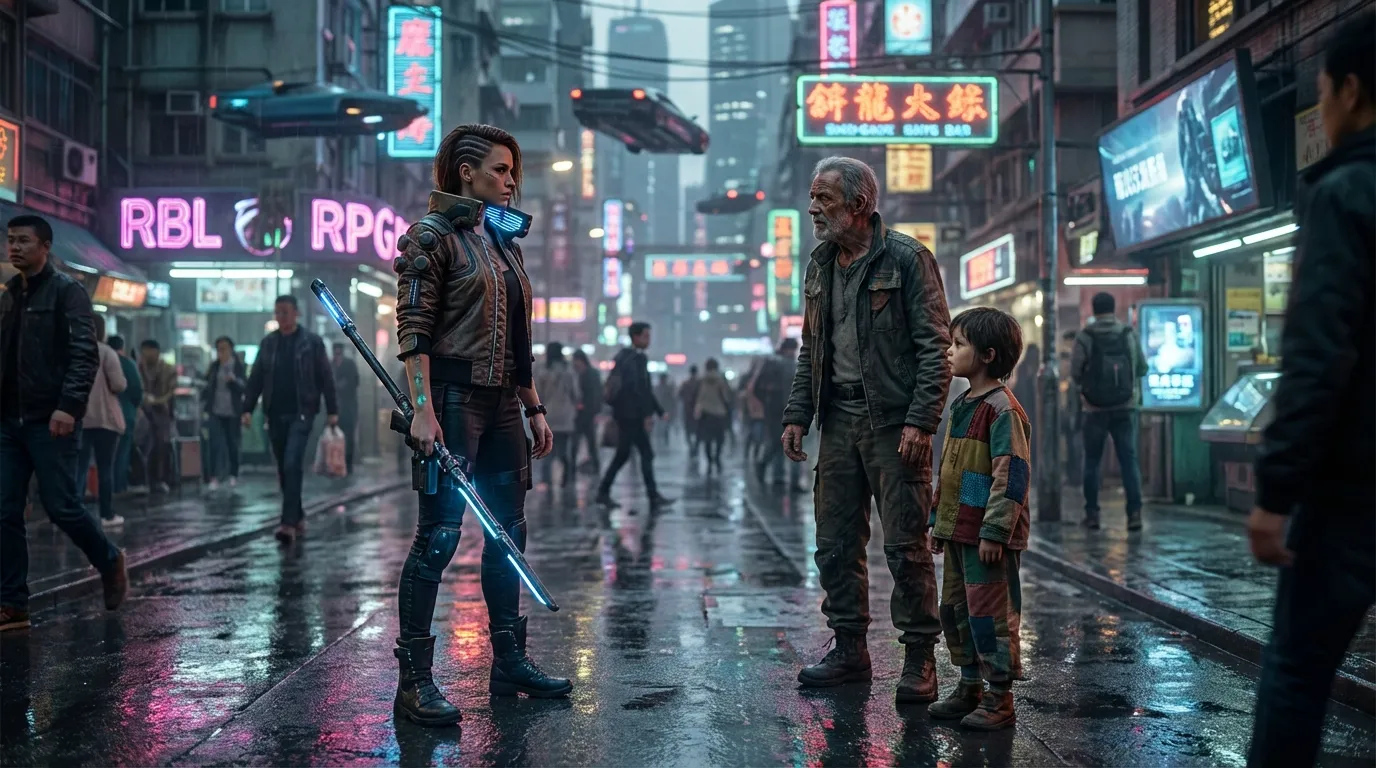
If you’re into immersive games, btw, this topic also comes up in AI in Gaming: How Technology is Shaping Game Storytelling.
Procedural Content and Infinite Replay Value in AI in Gaming
Procedural generation isn’t new, but AI in gaming has taken it in directions many didn’t expect. Instead of relying on pure randomness, newer systems often look at what players enjoy and shape content around habits and play style. That makes games feel more personal and cuts down on guesswork that doesn’t pay off.
One noticeable change is how levels and quests react over time. As skills improve, layouts can adjust, and quests may shift tone based on the choices a player keeps making. Loot systems often work the same way, steering rewards toward weapons or strategies someone already uses instead of filling inventories with gear that never gets touched. This approach works especially well in roguelikes and survival games, where replay value needs to stay strong over many runs.
Difficulty is another area where AI helps quietly in the background. When data shows many players getting stuck at the same point, systems can flag it. Developers can then tweak enemy placement or resource drops without rebuilding a full level, easing frustration before it builds up.
Accessibility also improves. Small automatic changes help players with different abilities enjoy the same game, so difficulty feels flexible rather than tied to one slider.
Here’s how AI-driven procedural design compares to older methods. No extra buildup.
| Design Method | Flexibility | Player Experience |
|---|---|---|
| Handcrafted only | Low | Same for everyone |
| Random generation | Medium | Unpredictable |
| AI-assisted generation | High | Personalized |
For indie fans, this is especially exciting. Smaller teams can build deeper, replayable systems without massive budgets or huge staffs, which opens up more creative room.
AI and the Rise of Indie and Creator-Driven Games
AI in gaming is changing who gets to make games, and the shift is easy to see. Tools that once required large, specialized teams are now available to solo developers and small studios around the world, which still surprises some people. More creators can build from their own desks, often much faster than before, and that speed usually opens doors sooner.
What stands out most is how practical AI has become for quick prototyping. Gameplay loops or story ideas can be tested in days instead of months, which changes how risky decisions feel. When something works, developers focus on it more. When it doesn’t, they change direction early and avoid heavy costs. That lighter pressure often leads to more creative freedom.
Creator platforms feel this right away. Roblox uses AI to help users shape worlds, while Fortnite Creative uses it to make scripting easier, even for people without technical backgrounds. Each platform benefits in its own way, but both depend on a steady flow of new content to keep communities active.
For streamers and content creators, the draw is clear. AI-driven games often surface odd mechanics or playful twists that stand out on a live stream. Trends move fast, so those who experiment early usually get the most traction, like showing a strange new prototype before it fills everyone’s feed.
For a closer look at how indie studios compare to AAA teams, this piece breaks it down: Impact of Indie Games: How Small Studios Are Reshaping AAA Gaming.
Competitive Gaming, Fairness, and AI Balance Systems
In competitive games, balance often decides how fair and enjoyable things feel. Even small advantages can spread quickly and throw off the game environment, something many players have experienced themselves. This is where AI helps. By looking at millions of matches, it finds small patterns and odd edge cases that people often overlook.
Machine learning models follow win rates, pick rates, map results, and long-term player behavior. When a weapon, character, or strategy moves outside expected limits, the system flags it. I think speed matters here, because quicker balance updates can rely on real data instead of gut feelings, which usually cuts down on guesswork.
Matchmaking also improves. Instead of focusing only on wins and losses, newer systems consider movement efficiency, reaction time, accuracy, and decision-making. That often leads to matches that feel fairer, so casual players are less likely to quit after a bad streak.
There are still challenges. When rankings change without clear explanations, worries about transparency and bias appear fast. In my view, if matchmaking feels unfair, trust drops quickly, so developers need to explain updates clearly and keep listening to player feedback.
Hardware, Performance, and AI Optimization
AI is changing software, and it’s often having an even bigger effect on gaming hardware. Modern GPUs and CPUs now ship with AI-focused cores made for machine‑learning workloads, the heavy, math‑driven tasks. These cores handle tough processing without slowing everything else down, which matters most during intense moments in a game when performance really counts.
One of the clearest changes comes from upscaling tools like DLSS and FSR. They use AI to boost frame rates while keeping image quality mostly the same. For players on mid‑range hardware, this can mean running demanding games without pushing the system too hard. Streamers benefit as well, since smoother performance is easier to keep during a live broadcast, where dropped frames are easy to notice.
Behind the scenes, AI also manages system resources in real time. Cooling, power use, and background tasks adjust as gameplay heats up, so stutters and overheating are often reduced, like a long session staying smooth without the fans ramping up.
AI, Accessibility, and Mental Wellness in Gaming
One encouraging shift I’ve been seeing lately is AI-driven accessibility. Games can now adjust controls, pacing, visual clarity, and audio feedback to better match individual needs, which really matters. Sometimes these changes are subtle, other times they’re easy to spot, but they often meet players where they are instead of pushing everyone into the same setup.
For players with motor challenges, AI can fine-tune input timing or lower the need for perfect precision. When cognitive fatigue or anxiety shows up, systems might suggest short breaks, reduce sensory overload, or briefly simplify goals, not permanently, just when it helps. In my view, that flexibility often makes the difference.
AI is also changing online spaces. Tools that spot toxic behavior are much better now, using language patterns and behavior tracking to flag harassment faster, and you can usually feel that improvement while playing.
Over time, these small supports tend to add up, making mental wellness feel like a natural part of the experience rather than an afterthought.
What Future AI Trends Gamers Should Watch
One of the most interesting shifts is AI moving into the core of gameplay instead of sitting there as a shiny extra. NPCs usually won’t reset when you log off anymore. They’ll remember past interactions across sessions, which, I think, often changes how players treat them. Over time, game worlds may slowly adjust to shared behavior and ongoing choices. Not big dramatic swings, but small changes you start to notice and feel after a while.
Social play is also getting more closely tied to AI. Virtual communities may manage moderation in smarter ways and suggest events that actually fit the group, especially for active players, which often gets missed. AI-driven personalization will shape how content is found and how new friends are matched. Less noise and better fits in most cases.
Player agency is another major trend. Games will usually react more closely to how someone plays and the choices they make, making each step feel more personal, which is often what players notice first.
Btw, we wrote about that in Future Gaming Trends: Virtual Communities in 2025.
Questions People Often Ask
Older game AI used fixed scripts and easy-to-spot patterns. Modern AI, I think, often uses machine learning to watch how you play. Since it adjusts in real time, gameplay can feel more lively and much less repetitive, with choices changing during real moments.
It can work both ways, I think. What I notice is AI adjusting difficulty in real time. New players get tips while learning the basics, so progress keeps moving. More experienced players meet tougher systems and smarter rivals, which keeps engagement steady without sudden spikes.
No. AI often handles repetitive, technical work, which frees developers up; creative direction and emotional storytelling still come from people, shared vision, and teamwork today, you see it across teams, human-led, I think.
Yes. AI helps with matchmaking and pre-patch balance testing. It also flags cheats, and when done right, I think it often improves the spectator experience.
Often, AI features run on servers, so newer GPUs usually help only certain performance areas overall. But not always, you can still enjoy AI-driven upgrades on your current setup in most cases, generally.
The Bottom Line for Gamers and Creators
AI in gaming isn’t just hype or a far-off idea anymore. It’s already shaping how games are imagined, built, and released, and how they show up across almost every genre and platform. This is happening now, not later, and often in both clear and easy-to-miss ways that add up over time.
For gamers and indie fans, this often shows up as worlds that feel richer and systems that respond in more human ways, sometimes with genuinely surprising moments. Streamers and competitive players usually notice faster-changing metas and practice tools that keep improving, with no real signs of slowing down.
The most helpful approach is staying informed without turning it into homework. You’ll often spot the shift by trying an experimental game, watching trends form, or simply noticing when moment-to-moment play feels different. At https://nowloading.co, these changes are tracked so no one has to connect every dot alone, especially as AI-driven development keeps speeding up year by year.