If you play FPS games, you already know how this usually goes: flashy aim matters less than people think when the loadout makes no sense, the positioning is off, and the team keeps taking the wrong fights. A lot of players get stuck chasing tiny weapon stat differences and miss the bigger picture. And that is often where matches are actually decided, which makes the whole thing pretty frustrating.
This guide is for players who want a cleaner system, not just another “use the meta gun” answer. It focuses on how to think about weapons, attachments, utility, movement, comfort, and team roles in a way that works across different shooters. Whether someone plays tactical games, arena shooters, extraction shooters, battle royale, or fast arcade-style multiplayer, the same core ideas usually keep showing up.
Time went into comparing common FPS styles, player habits, and setup choices to pull together the essentials that seem to matter most right now: stable performance, loadouts that fit a role, smarter map decisions, and repeatable strategies for messy late-round pushes or final-circle fights. That matters even more now because modern FPS games are faster, more crowded, and more demanding on both hardware and focus than they were a few years ago, and probably less forgiving too.
So instead of handing out one rigid build, this article helps create a system that can be trusted in almost any shooter. A simple one, in my view. One that can be adjusted when maps change, teammates play differently, or a match turns chaotic. That is often the kind of thing that actually helps players win.
What this FPS games guide covers
- Main loadout types in FPS games
- How to choose the weapon role that’s probably right for you
- The attachments and utility that really matter, not every extra
- Positioning, map flow, and team strategy, the things that often win rounds
The 4 core FPS games loadout styles to know
Not every shooter uses the same gear system, but most FPS games still push players toward four basic loadout types. If you understand how they work, you’ll often adjust faster when a patch changes the meta, which happens a lot, or when you jump into a different game and can’t prepare for every change.
1. Assault / flex loadout
At a Glance
This is probably one of the most balanced setups in FPS games. It usually focuses on an assault rifle or another mid-range primary that can handle the fights players see most often, without locking them into only close-range or long-range play. That flexibility is the main draw. It lets players entry with the team, hold lanes or doorways, rotate fast, and still stay useful when fights get messy, which happens a lot. For many players, it’s also the easiest place to start because it helps teach map flow, recoil control, utility timing, and how to stay useful without needing perfect positioning all the time.
Core Features
- Mid-range weapon coverage
- Reliable damage across the ranges that come up most often
- Good mobility without feeling too fragile
- Works well in solo queue and still fits team play
- Usually leaves room for grenades or other utility
- Easier recoil patterns than most heavy specialist builds
Pros
- Versatile: Handles many common fights well
- Beginner-friendly: Good for learning pacing and positioning
- Team-safe: Useful in almost any squad setup
- Low-risk: Usually less punishing than sniper or full-rush styles
- Patch-resistant: Often stays playable after balance changes
Cons
- Not dominant anywhere: It can still lose to specialists when they get their preferred range
- Easy to autopilot: Some players stop making active choices because the setup feels safe
- Utility dependent: Smart grenade use often helps when breaking tough positions, especially entrenched ones
Who It’s For
Players who want one dependable style they can carry from game to game should usually start here. It works especially well for improving ranked consistency, learning rotations, and building stream-friendly gameplay that looks controlled instead of chaotic. If someone wants a setup that tends to stay useful in most matches, this is a very safe pick.
Unique Value Proposition
The assault/flex loadout stands out because it teaches one of the most transferable FPS skills: choosing fights on your terms. That matters a lot in this kind of setup. Since players are not locked into one narrow lane, they can usually adjust better to random teammates, weird map states, and balance patches than they can with many other builds. That’s what makes it so reliable: cleaner mid-range fights, better support for teammates, and smoother rotations without feeling stuck in one job.
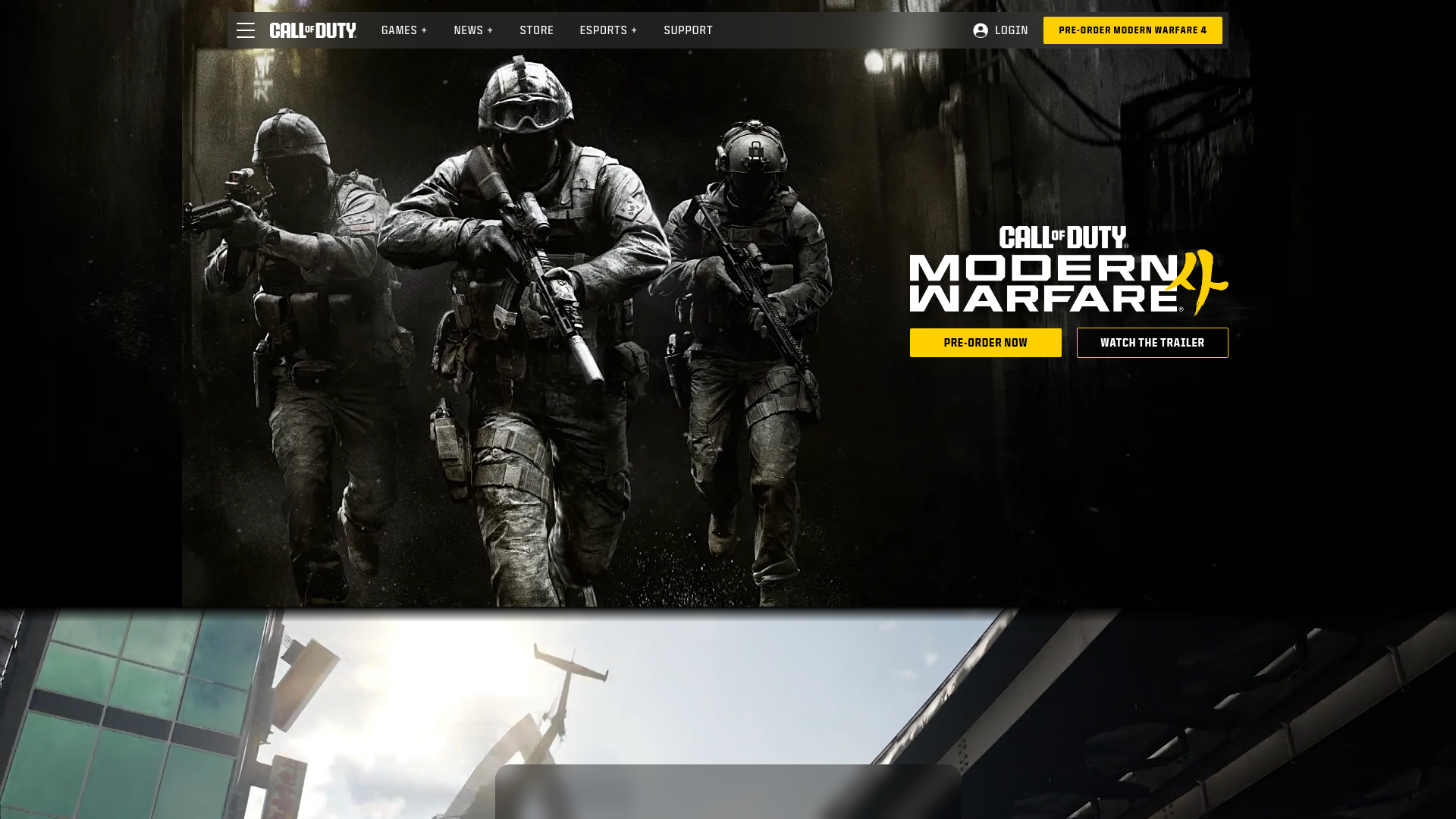
Website: https://www.callofduty.com
2. SMG / entry loadout
At a Glance
This style is all about speed, pressure, close-range control, and clearing rooms quickly. In a lot of FPS games, an SMG or another light close-range weapon lets players push into rooms, break tight setups, and punish anyone who keeps holding the same angle too long. It can be extremely strong when used well, and yeah, it can feel pretty relentless. But that usually comes down to sharp movement, good timing, and smart route choices. A bad push with an entry loadout often ends fast, sometimes before the team even gets a chance to follow up.
Core Features
- Fast handling and strong mobility
- Strong close-range time-to-kill
- Great for flanks, quick hits, and fast site pressure
- Works best with aggressive movement
- Excels in tight interiors and short sightlines
- Rewards quick decisions
Pros
- High tempo: Great for creating pressure early in a fight
- Strong in close fights: Can overwhelm slower weapons at short range
- Space-making: Helps the team take ground and push into rooms or onto site
- Fun factor: Often the most exciting style for players who like constant action
Cons
- Range limits: Falls off hard on open maps
- Punishing mistakes: Bad routes get exposed fast
- Aim discipline required: Missed shots hurt more when diving in
Who It’s For
This fits players who like fast decisions, aggressive movement, and forcing reactions from the other team. It also feels like a good fit for highlight-focused streamers, as long as they stay disciplined and do not feed, which honestly is usually the hardest part.
Unique Value Proposition
The entry loadout is about creating momentum. In many FPS games, the team that takes space first often controls the next few seconds of a round or fight. That becomes especially important during site hits, room takes, and early trades. What makes this setup useful is how it turns speed into pressure and gives the team more control over the map, often by forcing defenders to react before they are fully set.
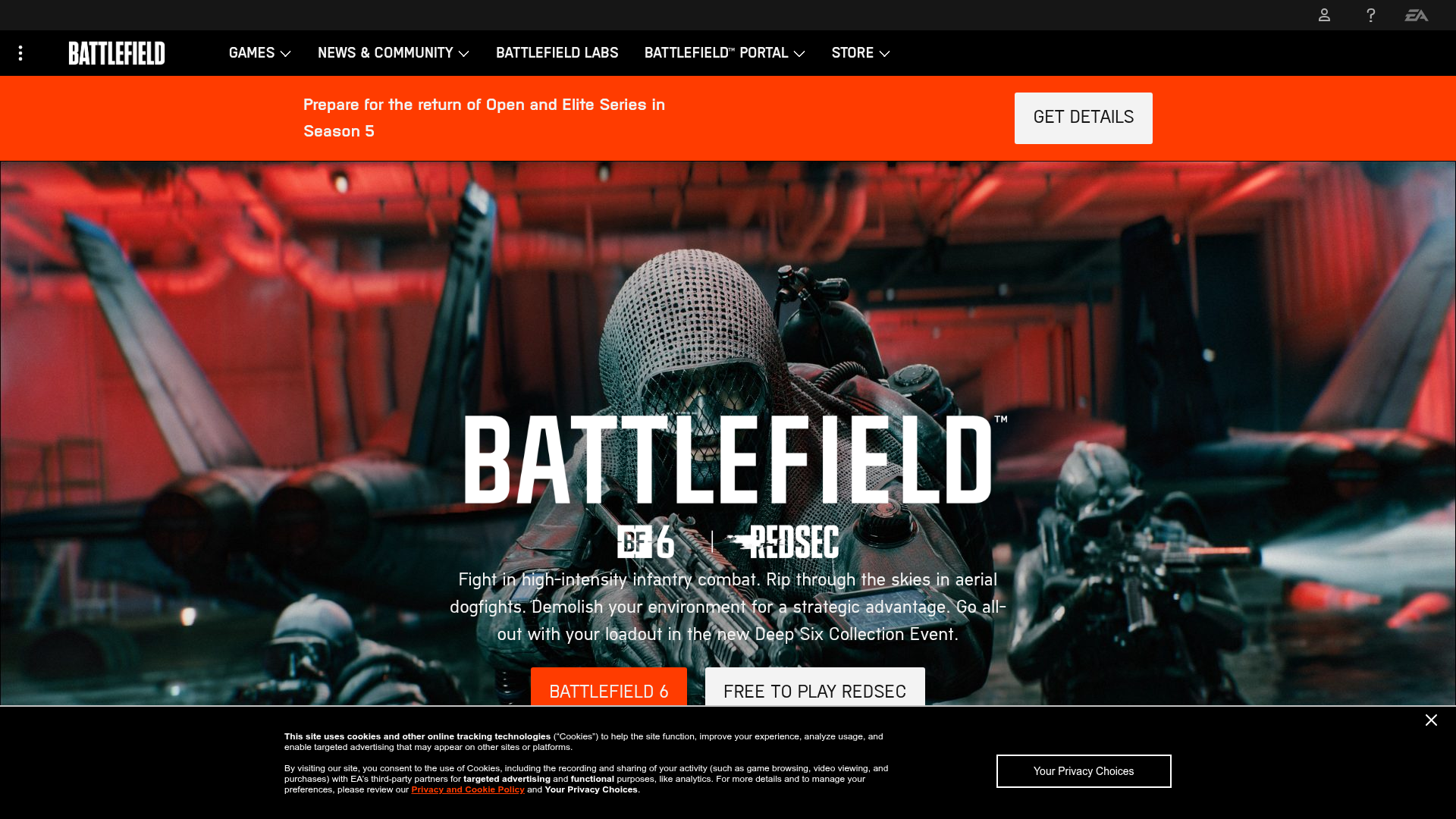
Website: https://www.ea.com/games/battlefield
3. Marksman / sniper loadout
At a Glance
This is the precision setup. It focuses on long sightlines, careful angle control, and catching players who stay exposed just a bit too long. In the right hands, it can slow enemy routes, shut down peeks on common long lanes, and even make whole teams change their rotations, which happens more often than people think. In the wrong hands, though, it becomes dead weight fast. A lot of players love snipers because the big moments feel great, but in this role, smart decisions usually matter more than flashy clips.
Core Features
- Strong long-range pick potential
- Best on maps with long lanes, power angles, and enough space to keep distance
- Rewards patience and steady crosshair placement
- Often works well with information gathering, especially when the team actually uses the callouts
- Good for overwatch, and can also deny rotations through key paths
- Relies on spacing and disciplined cover use
Pros
- Fight control: Can stop enemy peeks and pushes before they really start
- High impact picks: One kill can reshape an entire round, especially early on
- Strong map influence: Controls lanes without needing constant close-range fights
- Punishes sloppy movement: Very effective against predictable teams that keep repeating routes
Cons
- Low flexibility up close: Struggles in close-range chaos, and that is usually where things begin to fall apart
- Team reliance: Needs teammates to cover gaps and nearby pressure
- Easy to misuse: A lot of players end up holding angles that do not really matter in the round
Who It’s For
This style fits calm players with patience, good game sense, and the ability to stay composed. If someone naturally reads routes well, this setup can bring a lot of value. But for players who get tunnel vision for clips, it often becomes more of a trap than a strength.
Unique Value Proposition
The sniper or marksman setup changes the mental side of the match. It makes enemies hesitate, and in FPS games that hesitation often gives a team a little more time. That small delay can turn into better rotates, cleaner utility use, and easier team fights for everyone else on the side, which is really the main payoff.
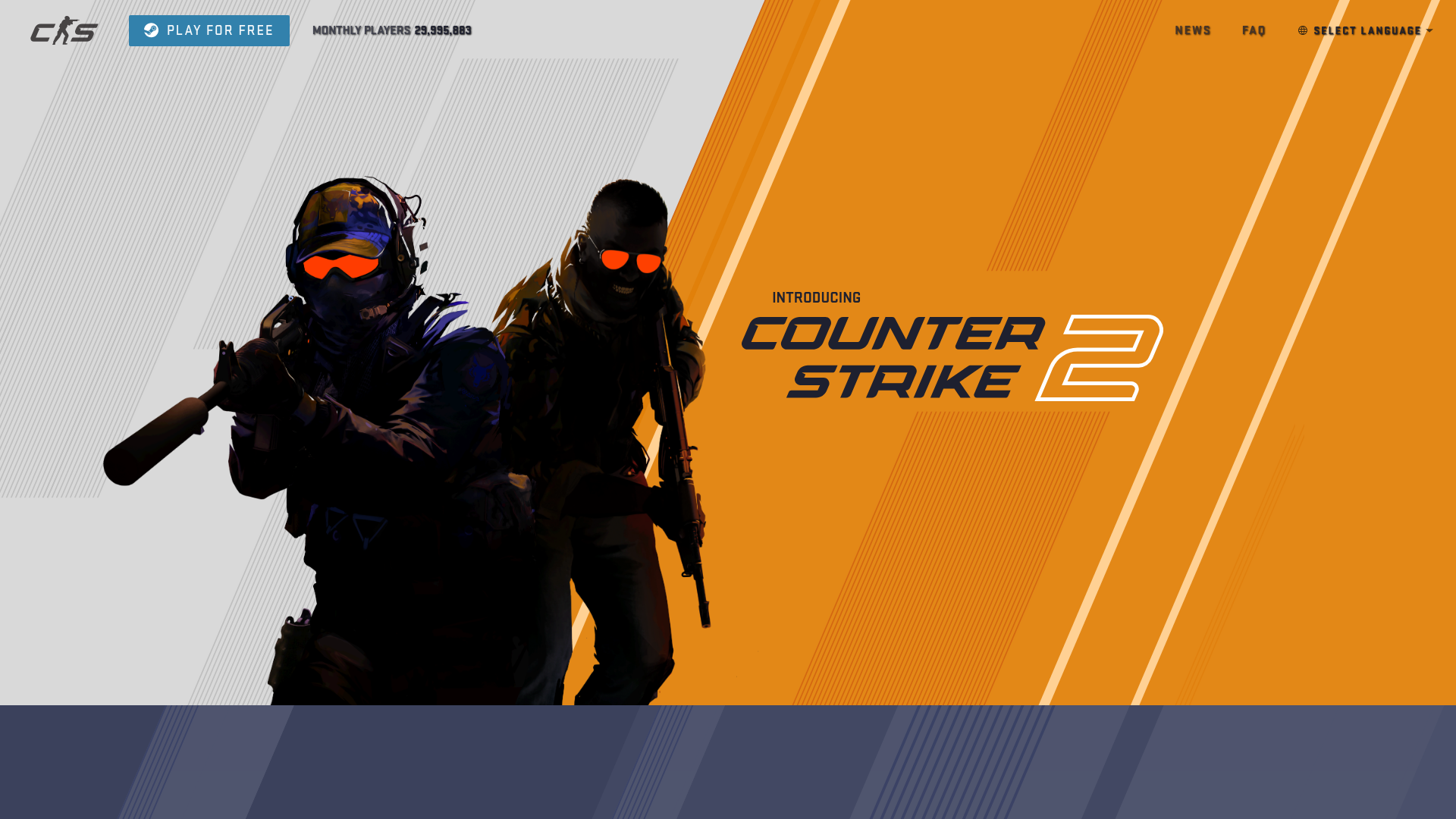
Website: https://www.counter-strike.net/cs2
4. Support / utility loadout
At a Glance
Support loadouts do not always finish at the top of the scoreboard, but they often help win matches in quieter ways, and that is usually the real goal. This style focuses on ammo, suppression, area denial, vision tools, healing where a game supports it, and other utility that helps a team take space and hold key spots like doorways, lanes, or objective rooms. In squad-based FPS games especially, support players often make the whole team’s job easier, even when the impact is not the flashy kind.
Core Features
- Heavy focus on gadgets and team utility
- Strong for holding zones and anchoring positions
- Helps teams survive longer fights
- Often built around denial tools or information tools
- Can steady messy squads
- Rewards awareness more than pure mechanics
Pros
- Team value: Makes nearby teammates more effective
- Objective strength: Very good at holding space or taking it back
- Consistency: Still brings value on days when aim feels off
- Underrated impact: Often shapes long rounds, extended objective fights, and larger modes
Cons
- Less flashy: Can feel slower if constant action is the goal
- Coordination needed: Utility can be wasted with weak teammate timing
- Lower solo carry ceiling: Harder to force hero moments alone
- Pace tradeoff: More time may go into setup instead of chasing fights
Who It’s For
For players who like controlling the pace, sharing info, or making the squad more reliable, support is a smart option. It is simple, but strong. It also works well for people who want to win more without always taking the first duel, which is probably a bigger group than most would admit.
Unique Value Proposition
Support loadouts bring structure to chaotic matches. In practice, that usually means cutting down randomness through info tools, denial gadgets, and healing or ammo support where the game allows it. They help teams stay alive longer and make the next push, retake, or round easier to approach on better terms. And across a full FPS session, that kind of steady value often matters more than one short kill streak.
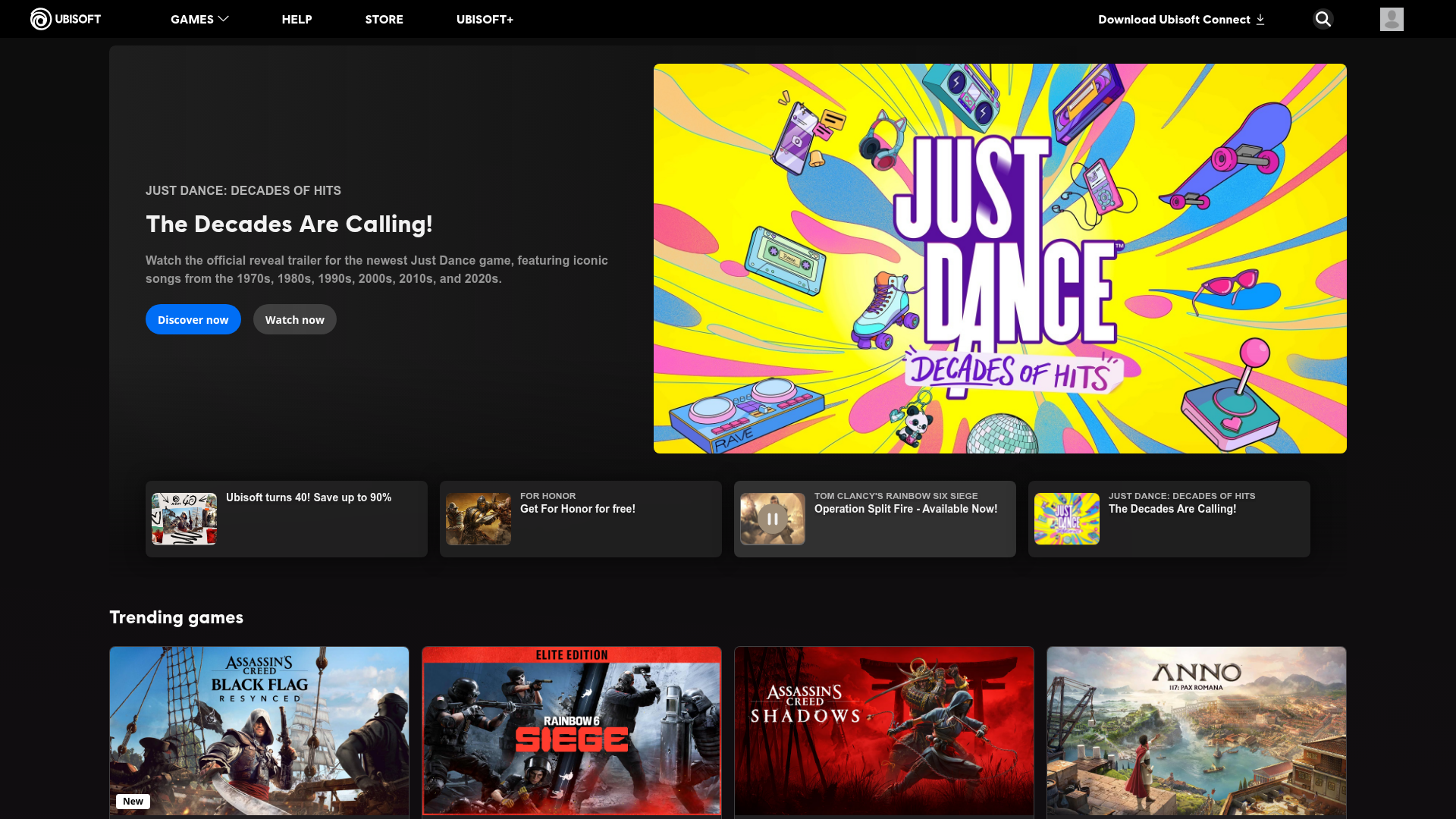
Website: https://www.ubisoft.com/game/rainbow-six/siege
What matters more than the weapon itself
Weapon choice matters, sure, but the fight conditions usually matter more. Range, timing, cover, line of sight, team spacing, and just feeling comfortable with the setup all matter, and yeah, that last one counts too. A slightly weaker gun that fits someone’s habits will often do more than a top-tier meta weapon they never really trust.
Because of that, smart players usually ask different questions:
- Where do most fights actually happen?
- Do they usually die while rotating or when entering?
- Are they losing because of recoil or because they can’t see clearly?
- Is bad spacing part of the problem too?
- Does the loadout help the team, or is it mostly there for ego?
A lot of FPS frustration seems to come from copying pro builds without copying the context behind them, and that’s often where things go wrong. Pros play with cleaner comms, tighter team spacing, and much more reliable support. Ranked matches usually don’t look like that, which honestly is probably obvious already.
Build your loadout around your job in FPS games
One of the fastest ways to get better in FPS games is to stop asking, “What do I feel like using?” and start asking, “What job does this match need me to do?” That small change usually helps more than most people think.
If your squad already has two fast fraggers, the smarter play is often to hold lanes and feed info, even if it is less flashy. On a map with lots of tight halls, bringing a long-range setup just because it worked last game can easily hurt your team instead. And when the team keeps getting stuck at choke points, utility and anti-angle tools will often do more than raw damage, especially there.
A simple system can help:
- Pick your role first: entry, flex, overwatch, or support.
- Match your weapon to the map: short lanes, mixed spaces, open lanes, and awkward in-between sightlines.
- Add attachments for comfort: maybe recoil control, faster handling, better visibility, or a little more speed.
- Use utility to solve one problem: clearing corners, blocking sight, slowing pushes, or forcing movement.
It sounds basic, but it can help you avoid random loadouts that seem strong on paper and then feel bad in a real match. Instead of building around a vibe, the loadout fits what the team actually needs.
Attachment choices should reduce stress, not just add stats
Attachment systems in FPS games can get silly fast. Tiny bars jump around, the numbers seem important, and before long you’re making your gun slower in close fights and harder to read on screen just to copy the “best” recoil pattern from social media.
A simpler way to think about attachments is this: use them to reduce the thing that causes mistakes most often in real matches.
For example:
- If your first few shots kick too hard, focus on early recoil control, because that’s usually the part causing the issue.
- If close fights keep getting lost because aiming feels slow, lean toward handling speed so ADS feels faster at short range.
- If visibility is bad, cleaner optics often help more than forcing a popular sight just because everyone suggests it.
- If panic makes a spray fall apart, it can help to shorten effective range and take shorter fights where the weapon feels easier to control.
Comfort matters more than people usually admit. Weapon tuning gets personal quickly, a lot like graphics settings. A steady setup you can repeat will often help more than a maxed-out build that only feels great on your best days. In most cases, if a build feels natural, you’ll usually play more consistently with it.
Utility is where smart players separate themselves
In casual lobbies, lots of players treat grenades, smokes, flashes, traps, or scanning tools like optional extras, which is pretty normal. In stronger lobbies, though, utility often decides the kill before anyone really starts shooting.
It helps to think of utility as a way to change a fight before the shooting begins. It’s a simple idea, but it usually does a few key jobs:
- Deny space so enemies can’t hold doorways, corners, or other strong positions they want
- Force movement out of cover or tight spots
- Block info with smoke, walls, or other visual clutter
- Create info through scans, sound cues, or pressure
If you keep dying in FPS games to players who seem to have “better aim,” it’s worth watching the kill flow a little more closely, because it’s often not just aim. A lot of the time, they did more than out-shoot you. Maybe they pushed with better timing, got more from utility, or caught you while you were isolated. In most cases, that’s what really decided the fight.
Positioning wins more than aim highlights
Good positioning is not the same as camping. It means picking a spot that gives you one or more useful advantages, which is usually the real goal:
- Cover that lets you break line of sight
- A route enemies are likely to take
- A clear way out if things go bad
- Range that fits your weapon
- Teammates close enough to support you
Bad positioning often feels unfair because the punishment happens right away, and yeah, it can be rough. Maybe someone swings wide into two angles, takes a long-range fight with an SMG, or stays exposed after getting one kill. Then recoil gets blamed.
One useful rule in most FPS games is to ask after every kill whether the position is still good now, not two seconds ago. Great players keep repositioning because the enemy has new information and probably knows where they are. That is usually why positioning matters more than flashy aim.
Map flow is the hidden skill most players skip
Map flow means understanding how players move through space over time. It’s one of the most useful skills in FPS games, since almost every shooter has some version of it, even if the timings change. That also makes it pretty easy to carry from one game to another.
There’s no need to memorize every route right away. A simple way to start is by asking a few questions, and that’s often enough early on:
- Where do early fights usually happen?
- Which lane gets ignored until mid-round?
- Where do people fall back when pressured?
- What angle gets dangerous after a teammate dies?
As soon as map flow starts to make sense, decisions usually feel calmer. You stop chasing random dots and start predicting where pressure will probably build next. That helps with pre-aim and utility use, and it often improves rotations too. It can even help with streaming because, from this view, the gameplay looks more intentional and is easier to follow.
Team spacing: close enough to trade, far enough to breathe
A lot of squads break down because they swing between two bad extremes. They either bunch up almost on top of each other, so one grenade can wipe everyone out fast, or they spread so far apart that every fight turns into a lonely 1v1 with no one nearby to help.
Good team spacing means:
- staying close enough to trade for a teammate if they lose the duel
- keeping enough distance that one explosive or spray transfer does not hit everyone
- knowing who covers which angle, and being clear on who goes in first and who supports second
In tactical FPS games, spacing often decides whether a team survives the fight. In large-scale shooters, it also affects revive windows, resupply efficiency during longer pushes, and how easily a squad gets pinned. In most cases, that is what separates keeping pressure on from getting stuck.
Performance settings are part of strategy too
This gets overlooked way too often. In FPS games, settings are not just about how things look. They affect input feel, reaction timing, visual clarity, and even how comfortable long sessions feel, and a lot of people underestimate that.
A lot of players push settings too high because screenshots look better, then end up wondering why fights feel blurry or off. In shooters, stable frame pacing usually matters more than adding extra visual effects. A locked, steady frame rate is often easier to aim with than a prettier image that suddenly drops during explosions or crowded fights.
That usually matters even more for streamers. If game performance swings hard during combat, the stream can start to look rough, and personal timing can slip too. In practice, lowering a few settings and keeping performance stable often works better than turning everything up, even if that feels less exciting at first.
Stable settings help FPS games feel smoother
Comfort is part of this too. Visual clutter, sharp stutter, and uneven frame delivery can wear players down over longer sessions. For a lot of people, a smooth and steady 60 FPS often feels better than a flashier experience that drops during explosions or packed fights. So for anyone who wants more help with creator-friendly and player-friendly performance choices, Now Loading covers gear and gaming tech in a practical way.
Mental stack: why you lose easy fights when too much is happening
“Mechanical skill” in FPS games isn’t just aim. It also covers how much information your brain can handle at the same time, which is a lot, honestly. That mental stack includes:
- your crosshair placement
- enemy sound cues
- utility timers
- teammate positions
- health and ammo
- route prediction
- recoil control
Once that stack gets overloaded, easy mistakes start to show. You reload in bad spots, forget to clear a corner, or swing the wrong angle after hearing a sound behind you. It sounds like small stuff, but it gets costly fast, and it usually happens more often than people think.
That’s why simple routines help so much. Keep your sensitivity steady, stick with one trusted loadout, learn the common opening routes, and choose your role early. When less energy goes into basic choices, there’s usually more left for the real fight decisions, like when to peek, rotate, or hold an angle. That’s often the difference between a clean round and a messy one.
Accessibility and comfort are competitive advantages
This topic probably needs more attention. Some players need clearer visuals, less motion stress, stronger contrast, subtitle support, controller remapping, or just a steadier frame target to play comfortably and keep playing the game. That is not separate from performance. It is performance.
When a game setup causes eye strain, motion discomfort, or fatigue, decisions usually get worse as a session goes on. A cleaner HUD, less clutter, better contrast, or a steadier frame rate can make longer sessions much easier to manage, which matters in ranked matches, for example. In competitive play, comfort is not some extra feature. It often helps players stay sharp longer and react well.
A quick comparison of the 4 core loadout styles
The numbers below won’t work exactly the same way in every game, but they still give you a practical way to compare the usual tradeoffs between the four main FPS loadout styles, which is often the most useful part.
| Loadout Style | Best Range | Mobility | Utility Dependence | Team Reliance |
|---|---|---|---|---|
| Assault / Flex | 15-40 m | Medium | Medium | Medium |
| SMG / Entry | 0-15 m | High | Medium | Low-Medium |
| Marksman / Sniper | 35 m+ | Low-Medium | Low-Medium | High |
| Support / Utility | 10-30 m | Low-Medium | High | High |
Each style is built to solve a different problem. The real trick, usually, is matching that style to the map, your team, and the fights you’re actually taking, not just the ones you expect.
So which loadout style should you pick?
For most players, the assault/flex loadout is probably the best all-around choice. It helps build habits that usually carry into other games, works at close, mid, and longer ranges, and stays useful in almost any shooter, which is a big plus. It’s also a really solid place to start.
The SMG/entry loadout fits players who love speed and want to push the action, but it still asks for smart route choices, since you can’t just sprint in. The marksman/sniper loadout works best for patient players who understand lanes and timing. The support/utility loadout, meanwhile, often makes the most sense for team-first players who care more about winning rounds than chasing highlight clips.
Want to improve fast? A good starting path is flex first, then a specialist role once positioning and map reads feel more steady. That approach usually leads to better long-term results in FPS games, and for many players, it’s the easiest way to get better.
Turn these ideas into better matches
The good news is, there’s no need to rebuild your whole playstyle overnight, which is probably a relief. A smaller approach usually works better in FPS games. Pick one main role, one backup role, and one map habit to focus on this week. That could mean using utility before every entry, stopping yourself before re-peeking the same angle, capping settings for a steadier frame rate, or simply making decisions easier in the moment. In most cases, those small changes add up quickly.
Small habits improve FPS games over time
The goal isn’t to turn into a copy of a pro player. It’s to build a system that fits how someone actually plays, along with their hardware, comfort level, and the team environment around them. That’s often where real progress starts: with habits you can repeat in actual matches, again and again, bit by bit.
For more practical help with game strategy, hardware choices, streaming setups, and the way modern shooters are changing, check out a forward-looking gaming blog for deeper guides. It’s a solid next stop after this article if specific help with strategy, gear, and setup choices would be useful. Learn the fundamentals here, then keep improving how they show up in real matches, because that’s usually when things start to click.
Frequently Asked Questions
Start with your role, the map, and your most common fight distance. A good loadout should feel comfortable, support your job on the team, and solve a real problem like recoil, slow handling, or weak close-range defense.
Look beyond kills. Check whether you are surviving longer, getting traded more often, using utility before fights, and taking fewer awkward engagements. If your decisions feel calmer and more repeatable, the loadout is probably helping.
Not always. Pros play in tighter systems with better teamwork and cleaner communication, so what works for them may not fit your lobbies. A build that matches your comfort and game sense will usually perform better than a copied setup you do not fully control.
A stable frame rate matters more than a flashy one. If your system cannot hold very high numbers during fights, it is usually better to lock performance at a steady target than to suffer big swings. Now Loading often explores this idea in broader hardware and setup coverage for players who want smoother shooter performance.
You can notice small improvements in a week if you focus on one habit at a time. Bigger gains in aim, map awareness, and decision-making usually take a few weeks of consistent play and review. The key is repetition with purpose, not just grinding matches.
Almost anyone can benefit, but they help most if you feel stuck, inconsistent, or overwhelmed by constant meta talk. New ranked players, streamers trying to look more polished, and hobbyists tuning hardware or settings can all get value from clear systems. If you want to keep learning after the basics, Now Loading is useful as an ongoing guide rather than a one-time answer.