
If you’re looking for the next open world game to spend hours on, the hard part isn’t finding a game. It’s finding the right one for the way you like to play. Some players want a huge sandbox full of chaos. Others want survival pressure, co-op stories, discovery, or a world that feels alive enough to stream for weeks without going stale.
This roundup starts with the biggest open world picks getting the most attention and compares the four researched standouts in depth: Grand Theft Auto VI, Subnautica 2, Crimson Desert, and Dune: Awakening. Then it expands into a full top 10 list that offers more than hype. It helps you choose an open world game that fits your time, mood, platform, and play style.
Open world design is changing fast. Bigger maps aren’t enough anymore. Players want better traversal, smarter systems, stronger co-op, cleaner accessibility, and worlds that still feel fun after the first wow factor fades. That’s what separates the best picks from the noisy ones. It also makes choosing the right game much more important than just picking the biggest map.
What You’ll Find in This Guide
- Grand Theft Auto VI
- Subnautica 2
- Crimson Desert
- Dune: Awakening
The Full Top 10 Open World Games Worth Checking Out
Here’s the broader shortlist. These open world games stand out for exploration, player freedom, immersion, and replay value over time. Each one brings something different. The first four are the fully researched games covered in detail below.
- Grand Theft Auto VI, Best for players who want a huge cinematic sandbox
- Subnautica 2, Best for survival fans who love discovery and atmosphere
- Crimson Desert, Best for fantasy action players who want spectacle
- Dune: Awakening, Best for multiplayer survival and long-form progression
- The Legend of Zelda: Breath of the Wild, Best for pure exploration freedom
- Elden Ring, Best for dangerous discovery and unforgettable world design
- Cyberpunk 2077, Best for dense city exploration and build variety
- Red Dead Redemption 2, Best for slow-burn immersion and world detail
- Forza Horizon 5, Best for open world driving and easy drop-in fun
- No Man’s Sky, Best for endless wandering, crafting, and relaxed discovery
That top 10 mix matters. Open world games aren’t all trying to create the same kind of experience, so a wider shortlist helps more than a simple ranking. Some focus on story. Others lean more into systems. A few give streamers endless material because almost anything can happen once players start pushing at the edges. Then there are games that suit solo players better, especially when they just want a calm world to wander through after a long day. That makes the list more useful.
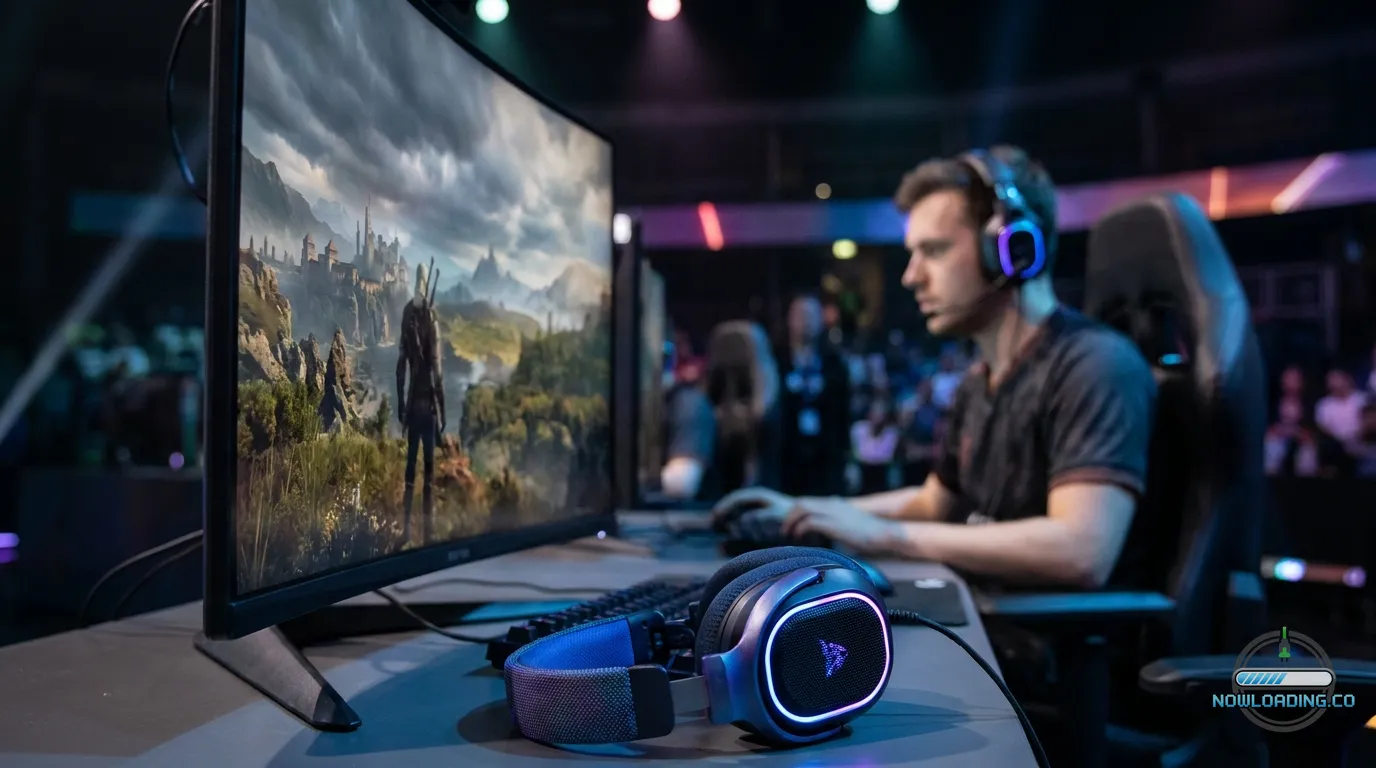
Four standout open world games compared closely
1. Grand Theft Auto VI

At a Glance
Grand Theft Auto VI tops this list for a pretty obvious reason. Rockstar built its name on open-world games that mix story, side activities, exploration, and the kind of unscripted chaos very few studios handle this well. It looks set to build on that formula, bringing players back to Vice City with a more modern backdrop and the kind of sandbox detail that can fuel endless clips, player challenges, and late-night free-roam sessions. For anyone looking for the most talked-about open-world experience in this roundup, Grand Theft Auto VI looks like the clearest choice.
Core Features
- Vice City setting with a large modern sandbox
- Story-driven open world crime adventure
- Mission variety built around action and exploration
- Dense environmental detail and reactive world design
- Strong potential for emergent gameplay moments
- High replay value for free roam and side content
Pros
- Biggest event feel: It has the broadest cultural pull and the most streamer buzz.
- Strong world-building: Rockstar makes places feel lived in, not just large.
- Great sandbox potential: Open-ended fun should be a huge part of the appeal.
- Cinematic presentation: A strong fit for players who want spectacle alongside freedom.
- Easy to recommend: Anyone who enjoys action-heavy open-world games will have a hard time ignoring it.
Cons
- Mature tone: The crime theme and content won’t work for everyone.
- Platform questions: Official surfaced details point to console platforms, with no clear PC timing in the snippets reviewed.
- High expectations: The hype is so massive that some players may expect more than any game can actually deliver.
Who It’s For
Grand Theft Auto VI fits players who want a big-budget open world with strong production value, lots of side-activity potential, and enough social buzz to take over streams, clips, and group chats. It should appeal even more to people who prefer cinematic action and sandbox experimentation over crafting or survival loops.
Unique Value Proposition
Its scale and mainstream pull are what set Grand Theft Auto VI apart. Plenty of open-world games are huge, but very few become shared gaming events that spill into clips, conversations, and the wider culture around games. This one will likely shape discussion, content trends, and player expectations across the genre. Furthermore, for players looking for one game that feels like both a personal playground and a community-wide moment, that’s the main difference here.
Website: https://www.rockstargames.com/VI
Why GTA VI Could Dominate the Genre
Additionally, Rockstar has a long history of building worlds that players revisit years after launch. The studio usually combines detailed environments with systems that keep creating unpredictable moments. As a result, players often treat those worlds like social spaces instead of simple campaign maps.
Meanwhile, expectations around Grand Theft Auto VI remain extremely high because players want more than a visual upgrade. Many are looking for smarter AI behavior, stronger world interactivity, and more dynamic side activities. Nevertheless, the game’s biggest strength may still come from the same thing Rockstar has always handled well: making exploration entertaining even when players ignore the main story.
2. Subnautica 2
At a Glance
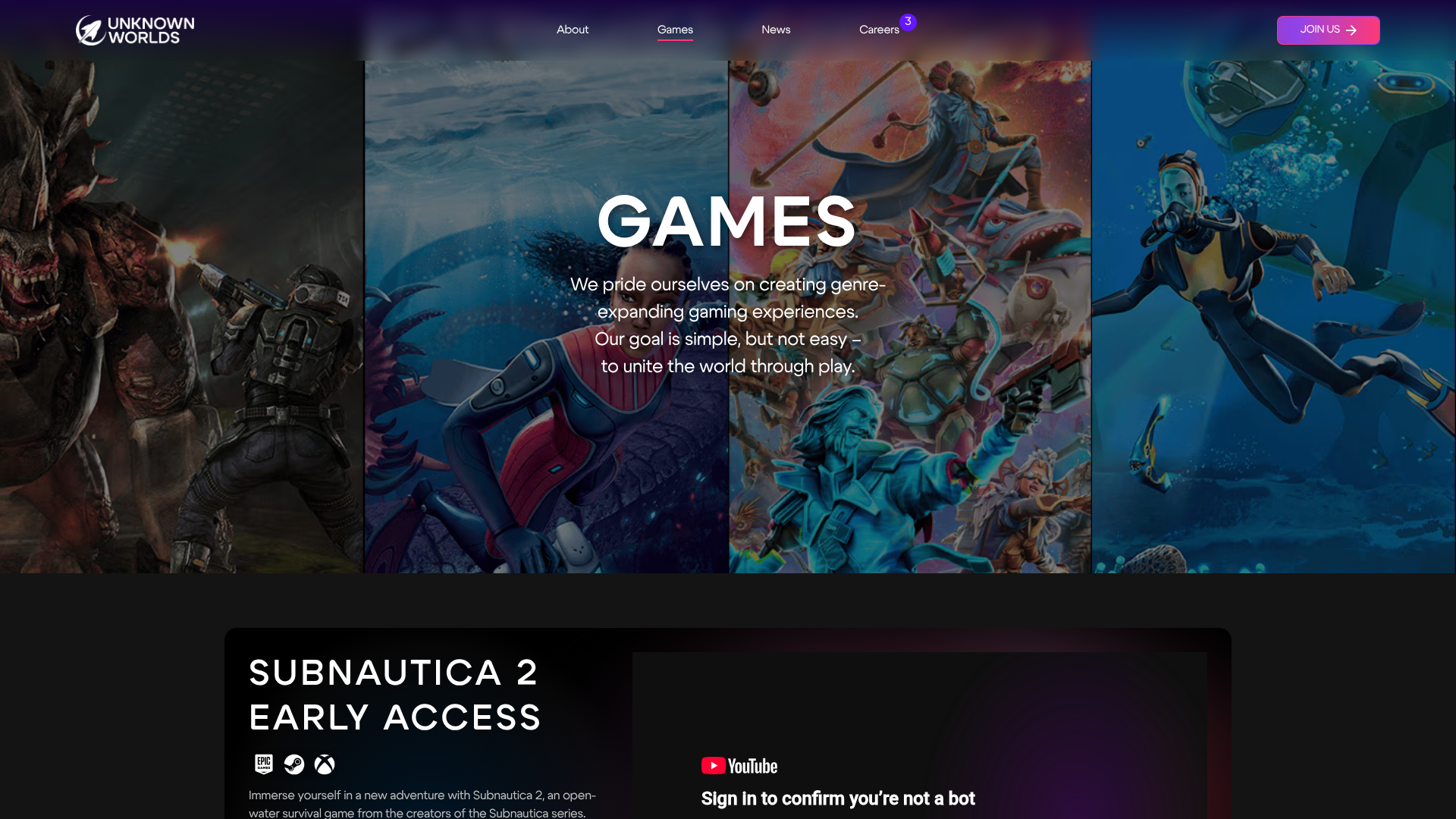
Subnautica 2 takes the open world formula underwater, and that alone creates a very different kind of tension. No crowded streets. No fantasy kingdoms. Players move through alien seas filled with strange creatures, constant resource pressure, and that quiet fear of not knowing what’s waiting deeper down. Discovery and vulnerability together give the series its identity. The sequel looks like a strong match for players who enjoy survival systems, base-building, and exploration that feels personal rather than loud. It could also be one of the more creator-friendly games in this group, since unscripted moments seem to happen on their own.
Core Features
- Underwater open world survival exploration
- Base-building and crafting systems
- Alien biomes and creature discovery
- Progression tied to curiosity and risk-taking
- Survival management with environmental danger
- Co-op potential noted in surfaced coverage
Pros
- Fresh setting: Very few open world games feel this distinct in the first few minutes.
- Excellent atmosphere: Discovery brings wonder, dread, and beauty at the same time.
- Strong creator appeal: Surprise moments and discoveries play especially well on stream.
- Base-building depth: A great fit for players who like shaping their own space.
- Memorable pacing: The game rewards patience and observation.
Cons
- Slow for action-first players: Anyone who wants constant combat may find it too calm.
- Early access concerns: Content may roll out over time, so some players will need patience.
- Survival friction: Crafting and resource loops can feel demanding.
Who It’s For
Subnautica 2 fits players who love discovery more than domination. People who enjoy surviving in hostile spaces, scanning strange life, upgrading a base, and slowly going deeper into the unknown will probably see this as the strongest pick. In addition, for co-op groups, it also works well as a more atmospheric adventure with less focus on nonstop combat.
Unique Value Proposition
Most open world games try to impress players with sheer size. Subnautica 2 stands out by making space feel mysterious instead. The ocean setting changes movement, preparation, and how danger is understood. Every dive matters more. Consequently, players whose ideal open world game centers on discovery, mood, and tension rather than map-clearing will notice the difference quickly.
Website: https://unknownworlds.com/en/games
Why Atmosphere Matters in Subnautica 2
Moreover, the underwater setting changes how players process distance, danger, and navigation. A cave system can feel peaceful one minute and terrifying the next. For example, even simple resource runs become tense when visibility drops or unfamiliar sounds start echoing through the water.
Similarly, the game rewards players who move slowly and pay attention to environmental clues. Instead of rushing from mission marker to mission marker, players often create their own goals. Ultimately, that slower rhythm is exactly why the series stands apart from louder survival games.
3. Crimson Desert
At a Glance
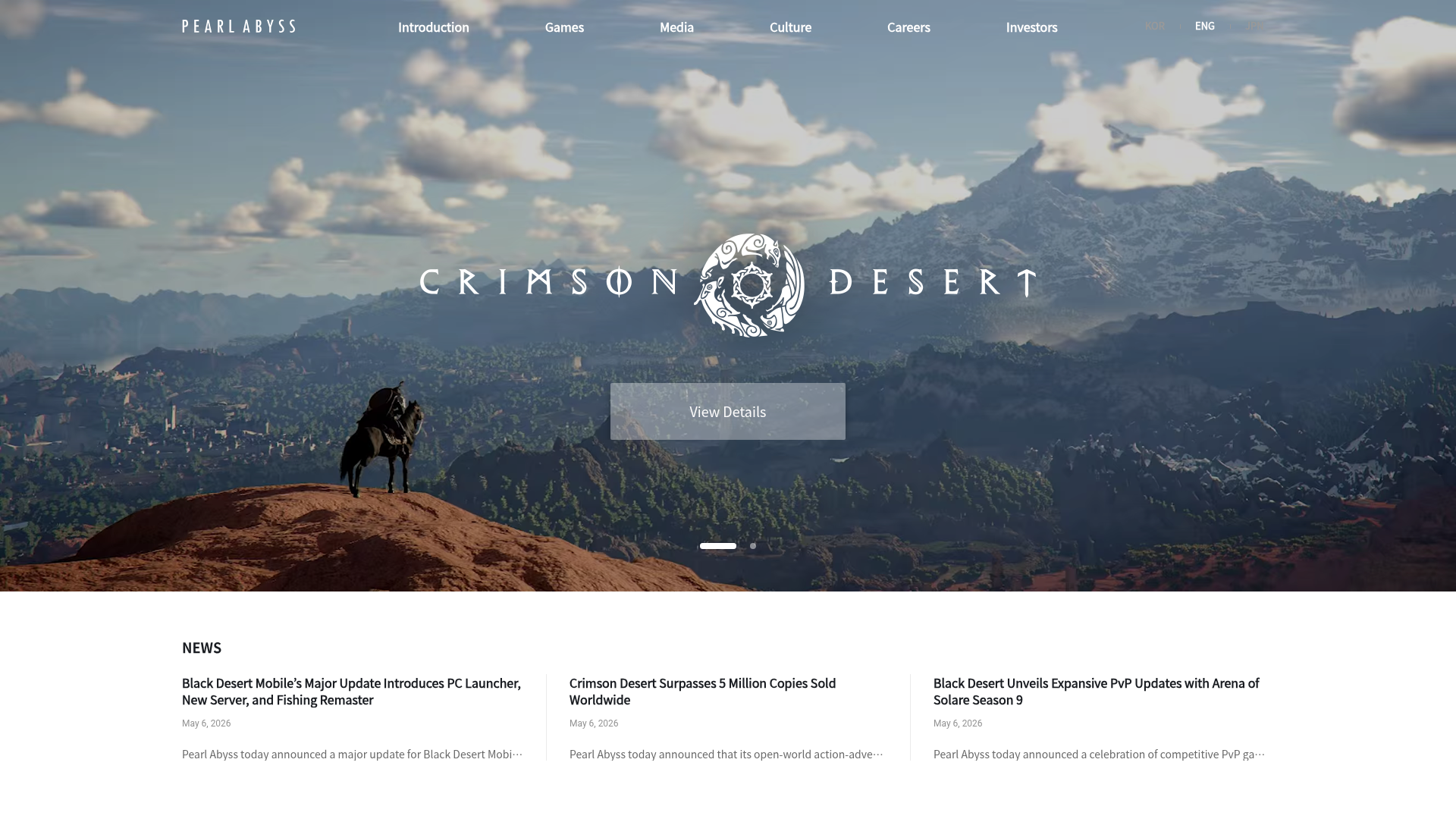
Crimson Desert stands out here as the fantasy option, mixing open world exploration, action-heavy combat, and a cinematic presentation. It feels aimed at players who want spectacle: huge landscapes, serious battles, and a world that still feels dramatic even when a rider is just heading toward the next objective. Its ambitious visual style and broad scope have drawn a lot of attention. Even so, it also seems likely to split players based on how much they care about polish, pacing, and mission consistency.
Core Features
- Fantasy open world action-adventure structure
- Large explorable continent
- Narrative-driven progression
- High-fidelity visual presentation
- Action combat with intense encounters
- Cinematic feel across exploration and battles
Pros
- Big fantasy energy: A strong match for players who want epic adventure vibes.
- Impressive visuals: The world is clearly aiming for scale and spectacle in every direction.
- Action focus: Better for players who want momentum over quiet survival.
- Story-forward design: Helpful for anyone who wants a central narrative moving things forward.
- Wide appeal across genres: It could click with action RPG fans and open world fans alike.
Cons
- Potentially uneven: Some early commentary suggests not every encounter hits with the same impact.
- Divisive tone: Ambitious games can easily split players on execution.
- Unknown long-term feel: A lot may depend on whether exploration stays rewarding beyond the visuals.
Who It’s For
Crimson Desert fits players who want open world games to feel bold, intense, and dramatic. For people who care about sweeping views, flashy combat, and a fantasy setting with a cinematic edge, this will probably be the most appealing option here. It’s not for everyone. However, it feels less suited to players who prefer cozy exploration or a very relaxed pace, so the overall tone matters quite a bit.
Unique Value Proposition
Its biggest strength is fantasy spectacle while still keeping the open world core in place. Crimson Desert seems to want exploration to feel heroic instead of simply functional. Players who want travel, combat, and story to feel connected may find that especially appealing. Therefore, if the game really delivers that balance, it could stand out for players craving a huge fantasy game with a modern presentation.
Website: https://www.pearlabyss.com
What Makes Crimson Desert Different
Specifically, Crimson Desert appears focused on blending cinematic storytelling with large-scale exploration instead of separating the two. Players are not just moving between quests. They are meant to feel like active participants in a dramatic fantasy journey.
In contrast, some fantasy games prioritize systems and loot progression over emotional presentation. Crimson Desert seems more interested in delivering memorable visual moments alongside combat intensity. As a result, it could appeal strongly to players who want a modern fantasy adventure that constantly feels in motion.
4. Dune: Awakening
At a Glance
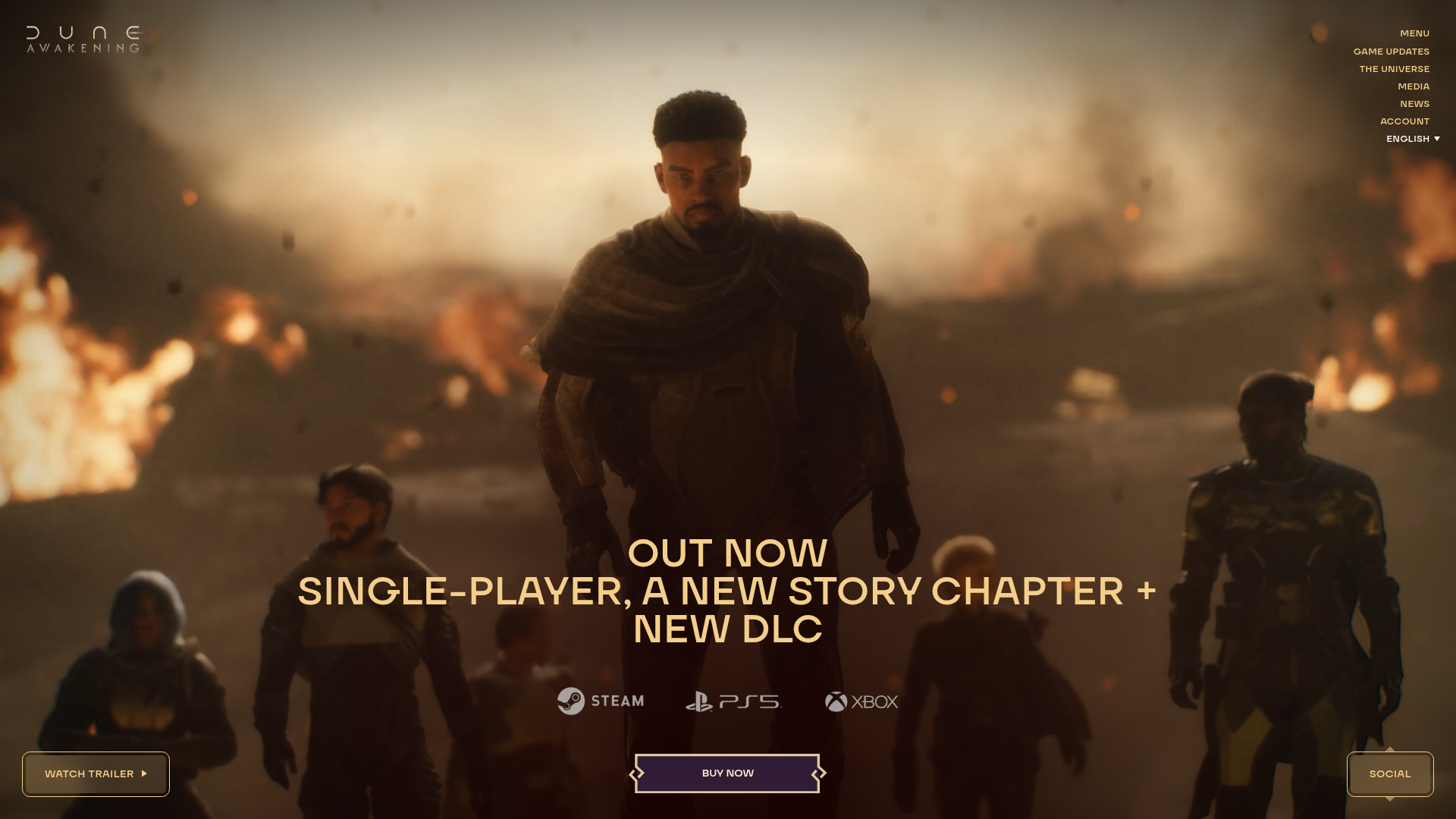
Dune: Awakening brings the open-world formula into survival MMO territory on Arrakis, which gives it a very different feel from the rest of this roundup. Sightseeing isn’t the point. It centers on managing risk, gathering resources, building, progressing and simply staying alive in a world that feels made to crush you. The Dune setting gives it a strong identity right away. The multiplayer side matters too. That makes it especially appealing for squads, creators and players who prefer long-term progression instead of a one-and-done story.
Core Features
- Open-world survival gameplay on Arrakis
- MMO-style shared world structure
- Resource gathering and progression systems
- Base-building and survival planning
- Franchise-driven lore and setting appeal
- Ongoing content support and updates
Pros
- Great setting fit: Arrakis naturally creates danger, scarcity and tension.
- Long-term progression: A good fit for players who want a game they can live in for months.
- Multiplayer appeal: A strong pick for group play and community content.
- Live-world feel: Ongoing updates can help keep the experience fresh.
- Niche identity: It has a clearer flavor than many generic survival games.
Cons
- Less solo-focused: Players looking for a tightly scripted single-player story may bounce off it.
- Survival MMO demands: The time investment can be heavy.
- Learning curve: New players may need some time to settle in.
Who It’s For
Dune: Awakening works best for players who enjoy survival loops, social play and worlds that change over time. It won’t click with everyone. But players who like carving out a place in a hostile environment, teaming up with others and slowly learning layered systems across many sessions will find one of the more interesting open-world options here.
Unique Value Proposition
What separates Dune: Awakening is its mix of survival pressure and shared-world scale. A lot of open-world games make players feel powerful very quickly. This one does not. It’s more interested in making players earn stability in a harsh environment, and that change in tone helps progress feel more meaningful. Additionally, for players who want stakes, planning and long-form commitment from an open-world experience, that is where it stands out.
Website: https://www.duneawakening.com
Why Survival Fans May Prefer Dune: Awakening
Meanwhile, survival-focused players often want systems that create long-term goals instead of short cinematic bursts. Dune: Awakening appears designed around that exact idea. Building, gathering resources, and protecting territory all contribute to a stronger sense of ownership over time.
Nevertheless, the game may demand more patience than traditional action adventures. Players who enjoy mastering layered mechanics will probably appreciate that challenge. Ultimately, the appeal comes from slowly adapting to Arrakis instead of overpowering it immediately.
How These Open World Games Differ at a Glance
Across the four researched games, the clearest direct comparison point isn’t price, because the research didn’t reliably show official public pricing. What stands out more is the kind of experience each game is built to deliver, along with the known company age and release timing found in the research.
| Game | Company Founded | Release Timing Surfaced | Play Style Focus |
|---|---|---|---|
| Grand Theft Auto VI | 1998 | November 2026 | Crime sandbox |
| Subnautica 2 | Early 2000s | Early Access in 2026 | Underwater survival exploration |
| Crimson Desert | 2010 | March 19, 2026 | Fantasy action adventure |
| Dune: Awakening | 1993 | Active support in 2026 | Survival MMO open world |
Seen this way, the list helps people avoid a common mistake: choosing based on buzz instead of fit. Grand Theft Auto VI is the biggest mainstream sandbox. Subnautica 2 is the most mood-driven discovery game. Crimson Desert leans more toward fantasy action and visual drama. Dune: Awakening is the longer-term social survival pick. Different use cases. Even though all four sit under the open world label, each one is trying to do something different.
Find the Best Open World Game for the Way You Like to Play
Pick Grand Theft Auto VI if you want the biggest shared gaming moment
Grand Theft Auto VI is a good fit for players who like cinematic action, side activities, social buzz, and sandbox freedom. If you enjoy posting clips, chasing weird emergent moments, or talking about missions with friends all week, it’ll likely deliver the most. Big, loud, and shared. It’s the safest pick if that’s the kind of talked-about experience you want.
Pick Subnautica 2 if you want exploration to feel personal
Choose Subnautica 2 if discovery matters more to you than combat in an open world game, because exploration feels earned through patience, curiosity, and the kind of learning that really sticks when there’s some risk involved.
For creators too, it fits anyone who wants natural suspense instead of big spectacle.
Pick Crimson Desert if you want fantasy adventure with modern presentation
Crimson Desert pulls in anyone who wants to ride across huge landscapes, jump into dramatic fights, and follow a story that really moves. Big energy. It clearly goes after players who want intensity mixed with visual scale, and that mix gives it plenty of appeal.
Pick Dune: Awakening if you want a long-term world to live in
It’s the best pick for groups, survival fans, and players who like systems they can grow into over time. It’s not a quick dip. Specifically, if players are willing to learn, plan, and stick with it, it may have the longest life of any game in this comparison.
So Which One Should You Pick?
If these four open world games need a quick sort by best fit, Grand Theft Auto VI is the clear standout for mainstream players and streamers who want the biggest sandbox event and all the attention that comes with it. Big, loud and wide-reaching. Subnautica 2 makes the most sense for players who care most about atmosphere, survival and that steady pull of discovery. For fantasy spectacle and action-heavy adventure, Crimson Desert looks like the best match. Meanwhile, Dune: Awakening seems like the strongest long-term choice for multiplayer survival fans who want a world they can keep building in.
Still, no single game here is best for everyone. The smartest pick is the one that fits how someone actually plays after the first weekend, not the game riding the loudest hype cycle.
Make Your Next Open World Game Actually Stick
Picking the right open world game is only half the job. The other half is figuring out how to get the most out of it without burning out, hitting a rough learning curve, or losing ten hours to busywork that never becomes fun. One simple rule helps: match the game to your energy. Want chaos and social moments? Go with GTA VI. Looking for calm tension and discovery? Try Subnautica 2. After something made for long-term squad play? Dune: Awakening is a better fit. Want fantasy action and spectacle? Crimson Desert is the stronger choice.
Now Loading can help here. The site covers gaming trends, practical guides, and deeper breakdowns for players who care about how games feel, how they run, and how they change over time. The information is genuinely useful. Once the next open world obsession is locked in, players have a solid place to keep learning how to enjoy it in a smarter way.
For more help choosing what to play next, tuning a setup, or understanding the systems behind modern games, visit a forward-looking gaming guide. It helps players build a library that fits them, not just the algorithm.
Frequently Asked Questions
A good open world game gives real freedom, not just a big map. The best ones make exploring rewarding, movement fun, and side activities worth your time. Additionally, a great open world also supports different play styles: story, combat, crafting, or pure wandering.
Start with the kind of play you enjoy most. Want cinematic sandbox chaos? Pick something like Grand Theft Auto VI. More into survival and discovery? Subnautica 2 or Dune: Awakening may suit you better. Similarly, fantasy action fans may prefer Crimson Desert.
They are, because they create more unscripted moments, detours, and player-driven stories. The best streaming game leaves room to react naturally on camera. For ideas, Now Loading is a useful resource for matching game choice with content style, setup, and audience expectations.
Some games hook players right away with action. Not always, though, and plenty need a little patience. Others build momentum through discovery, crafting or gradual progression. Therefore, knowing your own tolerance for slow starts helps you choose better and enjoy the game sooner.
Look for strong systems across a large map. Co-op support matters. Build variety, emergent events, meaningful side content, and satisfying traversal help a game stay fun for longer. Furthermore, if more help with replay value and genre trends would be useful, Now Loading regularly covers the game design details that make some worlds last while others fade quickly.
Both can work. It depends on the game’s core design, and solo players can do best with story-led or exploration-first games when the systems give that style of play room to breathe. Survival and shared-world games can work better in co-op. Ultimately, what matters is whether the game’s systems support the kind of play session you want.


