
Most live-service games burn bright, then fade fast. They launch with hype, pile on events, and slowly lose the thing that made them special. PUBG Battlegrounds is still here in 2026, still pulling players in, still creating clips, still giving you those sweaty final circles that make your hands shake when everything’s on the line. That alone makes it worth a closer look.
A lot of people still ask if PUBG Battlegrounds is dying, or if it has simply gotten too old to matter in a market packed with flashy shooters. That misses the bigger point. PUBG Battlegrounds still popular isn’t some random accident. It works because it understands tension, pacing, risk, and payoff better than most battle royale games ever did. It also keeps enough rough edges to feel dangerous. Strange, maybe. Then you play it again and remember why every small move matters so much.
The focus here is the core design loop, the role of skill expression, how the game fits streamers and competitive players, what its hardware demands mean for modern setups, how it supports different play styles, and where it may go next. If you want a broader look at the health of the game, this breakdown on this PUBG analysis adds useful context. The focus here is different. It isn’t about whether the game survives. It’s about why it still feels alive.
The core loop still creates real tension
PUBG Battlegrounds still works because its core loop is simple, sharp, and full of pressure. Drop in. Loot fast. Read the zone. Pick fights. Survive. The game builds stakes in a way many rivals have softened too much. In PUBG, weak loot hurts. Bad rotations get punished. Open ground feels scary. One bad peek can end a twenty-minute run. That risk gives every match real emotional weight.
A lot of modern shooters smooth out the friction. They add faster revives, easier movement, louder abilities, and nonstop action. Fun for a while. However, it can also make one match blur into the next. PUBG Battlegrounds keeps the shape of a round intact. Early game means planning. Mid game means reading space. Late game means nerve control. The flow of a round matters as much as raw aim, and that changes how players remember each round.
That’s a big reason PUBG Battlegrounds is still popular with players who want stories instead of noise. One match can bring fear, greed, panic, patience, and relief in less than half an hour.
| Design trait | What PUBG does | Why it lasts |
|---|---|---|
| Loot phase | Makes early choices matter | Builds match identity early |
| Circle pressure | Forces movement and timing | Creates constant strategic tension |
| Fast time-to-kill | Punishes mistakes hard | Raises stakes in every fight |
| Large maps | Rewards route planning | Prevents matches from blending together |
The table shows the main thing PUBG never lost: consequences. Even in 2026, consequences still feel exciting. Players remember a tense bridge crossing, a quiet compound hold, or a final smoke push more than another loud highlight reel from a shooter that never slows down.
It rewards skill without making wins feel scripted
A lot of games say they reward skill, but not many really prove it. PUBG Battlegrounds still stands out because skill shows up in a bunch of ways. Aim matters, sure, but so do recoil control, map reads, sound reads, vehicle timing, line-of-sight management, inventory choices, and staying calm under pressure.
That’s a big reason serious players stick around. They can feel themselves improving in clear, concrete ways, bit by bit. Players stop over-looting, rotate earlier, learn when to crash a compound and when to back off, carry the right throwables, and hold angles with purpose instead of just sitting there waiting.
That kind of growth stays rewarding. Even after the early novelty wears off, there’s still a reason to keep playing. Anyone looking for a more tactical angle on weapons and zone play can find it in PUBG Battlegrounds: Is It Really Dying?, which fits well with the meta side of the same discussion.
Fairness matters here too. PUBG wins don’t feel fake most of the time. Players aren’t really getting them by pressing one hero button at exactly the right second. They earn them through a chain of smart decisions. Luck helps now and then. Still, it rarely carries a weak match all the way to the end.
That also matters for aspiring streamers and competitive players. Viewers can tell when a game lets its systems do too much of the work. In PUBG, they can see the thinking behind each move. That makes the action easier to respect and a lot more fun to watch.
Old-school pacing feels fresh in a crowded market
One big reason PUBG Battlegrounds is still popular in 2026 is kind of funny at first glance: it feels older, and that actually works in its favor. The shooter market is full of games trying to become your forever platform. They stack battle passes, crossover skins, timed events, mobility systems, seasonal gimmicks and progression hooks that never stop asking for attention. After a while, that kind of design gets exhausting.
PUBG gives players more quiet. More empty space. More time to think. That slower rhythm doesn’t make the game dull. It makes the spikes land harder. When nothing happens for a full minute, footsteps start to feel scary. When players spend time getting into a strong position, the payoff feels earned.
Take a simple example. In a high-chaos arena shooter, players die, respawn and jump straight back in. The action never really pauses, but the emotional curve stays flat. In PUBG, a quiet two-minute rotation can lead to a ten-second fight that feels huge because everything before it had weight.
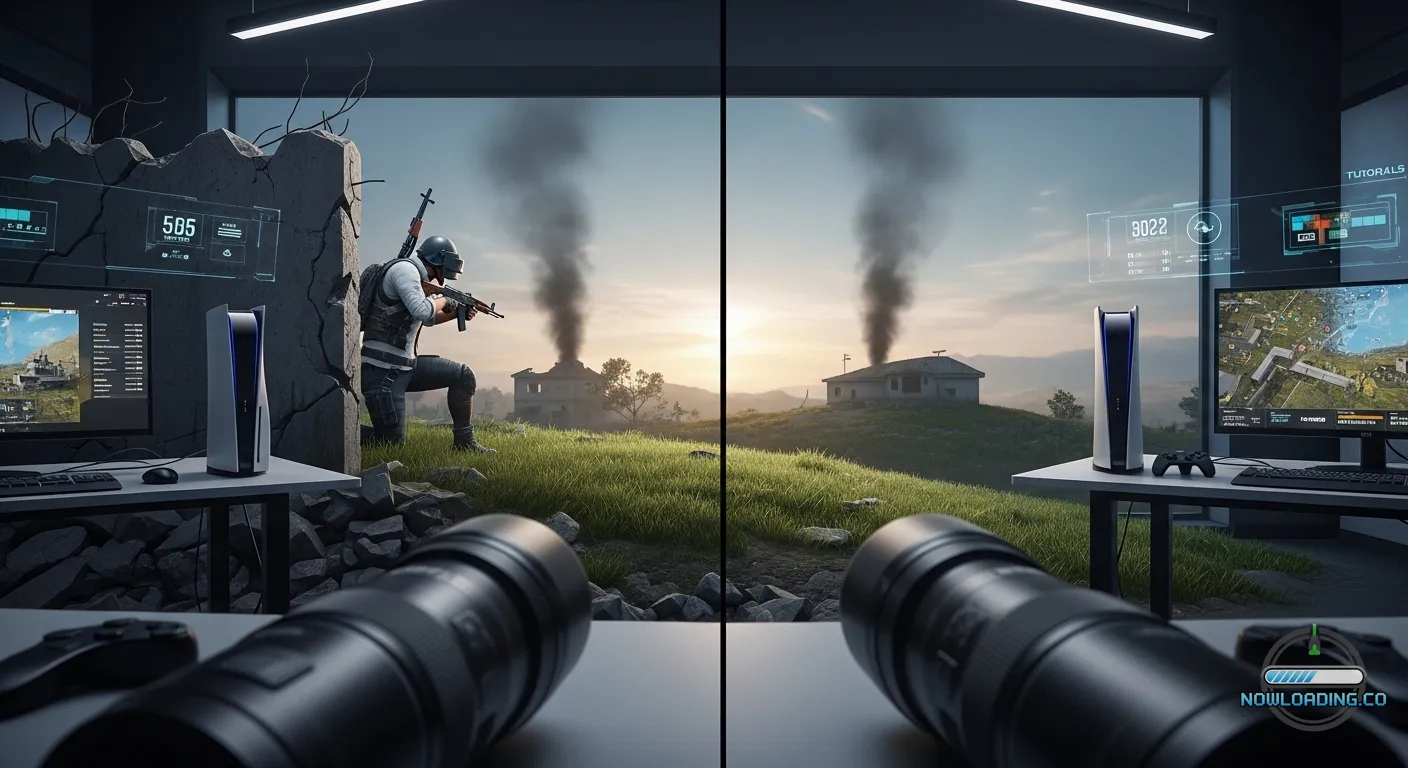
PUBG’s pacing also helps players who care about mental load. Not every session has to feel like a caffeine test. PUBG still asks for focus, but it also gives the brain room to reset between bursts. That works well for players juggling work, study, streaming and burnout from too many always-on games.
For people who cover games, stream them or just like watching design trends, PUBG is a clear reminder that slower doesn’t mean weaker. Sometimes it means sharper. Plain and simple.
The game creates better stories for streamers and viewers
Streaming matters in 2026, but not every game fits that format very well. Some are fun to play and a bit flat to watch. Others feel exciting for five minutes, then start to repeat themselves after an hour. PUBG Battlegrounds still works on stream because each match creates its own story.
Every round has a clear arc. The drop sets the tone fast. Looting tells a small story too, whether it’s about scarcity, caution, or total confidence. Then rotations add risk, and the final circles turn everything into drama. Even if viewers join halfway through a match, they can still read the stakes right away.
For creators, that structure helps a lot. It gives them room to explain decisions, react to danger, and build suspense without forcing hype all the time. A sharp streamer can make even a simple move, like getting out of a vehicle before cresting a hill, feel like a real lesson viewers can follow. It’s a small thing with a big payoff.
PUBG also works for different creator styles. Aggressive players can chase kills. Meanwhile, tactical players can break down rotations and positioning in a way that feels useful, while comedy streamers can lean into the mess of a hot drop and let the chaos carry the moment. Hardware-focused creators have room too. They can use PUBG to show frame pacing, visibility settings, and audio tuning in ways viewers care about.
That kind of replay value is rare. It helps explain why sites like Now Loading still cover games that keep creating strong player stories instead of just chasing the newest launch. Stream value is not just about numbers. A game has to keep giving people moments worth sharing.
PUBG is also easy for viewers to follow. They can tell when a player made a smart rotation. They can feel a bad push coming before it happens. That watchability helps the game stay culturally relevant, even when it is no longer the newest thing on the market.
PUBG still feels grounded in a way many shooters do not
PUBG Battlegrounds is still popular for a simple reason: it stays grounded. Not realistic in every tiny detail, no, but it feels grounded in the ways that matter. Guns feel heavy. Travel matters. Cover matters. Sound matters. Vehicles solve one problem and create another. The world never bends too far around the player.
That grounded feel changes how people play. In a lot of shooters, movement fixes everything, with players sliding, dashing, grappling, teleporting, and then instantly resetting the fight before any earlier decision has time to matter. PUBG puts the focus somewhere else. The real question is whether the player understood the fight before it even began. It is more strategic, and that kind of skill holds up over time.
The same design helps the game keep its identity. PUBG does not have to chase every new trend just to stay relevant. Other shooters keep stacking on more systems, more features, and more noise. PUBG can lean harder into what it already does best, which gives it a clearer shape as the genre keeps shifting.
A lot of players come back to PUBG after bouncing off other battle royale games. The reason is often pretty simple. They missed the weight. They missed the fear of crossing open ground. They missed that feeling that equipment, terrain, and patience all mattered at once.
That grounded loop also makes self-review better. After a loss, players can point to a real mistake instead of just shrugging at chaos and moving on. Maybe the route was late. Maybe the cover was weak. Maybe they peeked the same bad angle again. The lesson feels clear. Improvement feels earned.
There is also a practical side to that honesty. It helps the game keep players around longer. Games that hide mistakes behind chaos can start to feel shallow after a while. PUBG keeps teaching, even when the lesson stings.
Modern hardware helps the game age better
PUBG picked up a rough performance reputation years ago, and plenty of people still remember that version. In 2026, newer hardware and better optimization change how the game feels for a lot of players. The difference is big. A mid-to-high gaming PC, a solid CPU, fast storage, and a good high refresh monitor can make PUBG feel much cleaner than many older players recall.
For the tech-savvy crowd, that gives the game more staying power. PUBG Battlegrounds gets more enjoyable as a setup gets better, and not every shooter can say that. Better frame consistency helps with recoil control. Simple but huge. Better audio gear helps players judge direction, while clearer displays make targets easier to spot at long range.
| Setup element | Why it matters in PUBG | Best practical gain |
|---|---|---|
| High refresh monitor | Clearer tracking during sprays | More consistent close fights |
| CPU performance | Helps frame stability in busy zones | Less stutter in compounds and cities |
| Headset or IEMs | Improves footstep and vehicle reads | Faster reaction to flanks |
| Fast SSD | Shorter load and smoother asset handling | Less frustration between matches |
For streamers, the game also works as a real-world test. If a stream setup can handle PUBG while keeping quality stable, it can likely handle plenty of other competitive titles too. That makes PUBG a useful benchmark for capture settings, bitrate planning, and input latency checks.
Accessibility matters here too. Better visual settings, smarter color choices, and cleaner audio can help reduce fatigue. Not everyone is trying to go pro. Some players just want a setup that lets them stay focused longer and play with less strain.
Its social play is still one of its best hidden strengths
PUBG Battlegrounds gets praised a lot for its solo tension, sure, but squad play is a big reason it still holds up. In a good squad match, trust, pressure and sharp communication come together in a way very few shooters really manage. The game is harsh, and that makes teamwork matter even more. One clean callout can save a match, while a bad split can wipe a squad almost instantly.
For friend groups, PUBG works especially well when the goal is real cooperation instead of four people drifting into separate side missions on the same map. Driving, scouting, sharing meds, smoking a revive and timing a push all matter. Every move affects the whole squad, so players stay tuned in to each other instead of slowly peeling off into their own plans.
That social value carries over to streamers and smaller creators too. PUBG gives duos and squads a real reason to talk with purpose, and that can lead to more natural content than games where everyone just keeps sprinting toward the nearest objective.
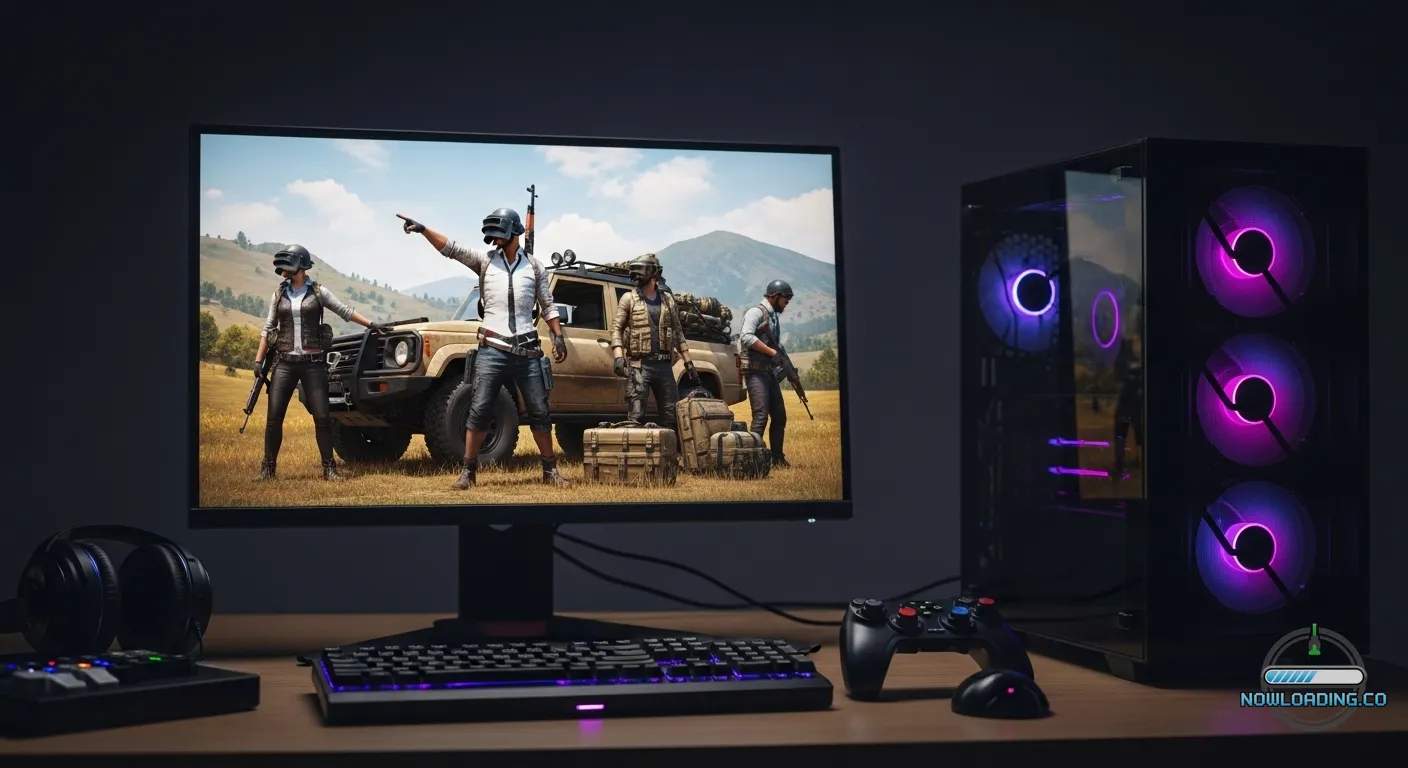
There’s also a nice edge here for indie game fans and design-minded players. PUBG shows that social play gets richer when game systems create real dependence between players, without forcing it through some scripted setup. The match does that on its own, moment by moment.
That feeling has aged well. In a lot of other games now, co-op systems feel too automated, which makes PUBG’s squad play stand out even more.
Why the game avoids burnout better than trend-driven rivals
Burnout is a big issue in modern gaming. There are too many tasks, too many timers, too many unlock tracks, and too many reasons to log in that feel more like chores than actual play. PUBG Battlegrounds avoids the worst of that because the real reward is still the match itself.
Progression systems exist. Cosmetics exist. Events do too. But the real pull comes from the match, and that matters more than the extra layers around it. Players keep going because winning feels amazing. Because the circle pulls toward terrain they know well. Because a duo trusts their calls. Because no other game delivers that exact final-circle stress.
That connection to the match matters for mental wellness. When players can step away and come back later without facing ten menus and seven expired tasks, a game has a much better shot at staying healthy over time. PUBG Battlegrounds handles off-and-on engagement better than many live-service titles, and that changes how tiring it feels after a break.
PUBG isn’t perfect. It still has friction, and it can still feel harsh to new players, while match quality also changes from one session to the next. Some systems still feel clunky compared to newer games. Still, those flaws point to a bigger truth. PUBG Battlegrounds works because it puts the match first, and that focus carries more weight than smoother extras.
The pattern feels familiar to anyone who’s watched another older game survive because rough spots couldn’t hide a strong core. In a very different genre, the same idea appears in What Oblivion Remastered Actually Changes, And What Still Feels Broken. Great foundations can outlast cleaner trends.
What 2026 players can learn from PUBG’s design
PUBG still holds up as a design case study, not just a game that managed to last. People who make content, stream, compete, or build games can still learn a lot from it.
Identity matters more than constant reinvention. PUBG doesn’t stand out by trying to turn into every other shooter on the market. That’s the point. It works because it stays clear about what it is. A strong identity matters.
Friction isn’t always bad. Some difficulty, slowness, and punishment give the whole experience real weight, even when that feels harsh in the moment. If every system shields players from failure, victory starts to lose its flavor. Less risk. Less payoff.
Stories beat noise. One smart rotation, then one messy final fight, can stick in memory more than twenty low-stakes skirmishes that blur together and fade by the next day.
Community depth matters too. A game doesn’t stay alive through updates alone. It lasts through habits, squad culture, streamer clips, and the kind of player-led mastery that keeps people coming back.
For readers who follow trend analysis and future-facing gaming talk, PUBG is a clear reminder that new ideas aren’t just about adding more systems, more features, or more spectacle. Sometimes the better move is to keep the right things while the market over-corrects around you.
Frequently Asked Questions
PUBG Battlegrounds still popular because it offers real tension, meaningful decision-making, and a strong skill ceiling. Many games chase constant action, but PUBG keeps risk and pacing at the center, which makes each match feel memorable.
Yes, especially if you like explaining your thought process. PUBG creates clear match stories, so viewers can follow your decisions, rotations, and fights more easily than in many chaotic shooters. That makes it a strong choice for small creators who want gameplay that is both watchable and teachable.
You do not need the most expensive setup, but better hardware helps a lot. Stable frames, clear audio, and a high refresh display can improve recoil control, spotting, and comfort during long sessions. PUBG rewards technical improvements more than some easier-to-run shooters.
It can be tough at first, but it is not locked to pros only. Casual players who enjoy slower matches, smart positioning, and squad teamwork can still have a great time. Learning basic rotations, cover use, and loot discipline goes a long way.
A focused gaming site like a forward-looking gaming blog can help if you want more than surface-level update talk. Now Loading often leans into game design, player behavior, strategy context, and hardware angles that make older competitive games easier to understand.
Start by watching a few current matches, then play with one clear goal, like smarter rotations or better early looting. You can also compare community concerns and long-term player views through coverage on Now Loading, especially if you want perspective on whether PUBG Battlegrounds still popular for the right reasons and not just out of habit.
The real reason PUBG Battlegrounds still stands
PUBG Battlegrounds in 2026 is still here for a simple reason: it never lost sight of what made battle royale feel special in the first place. High stakes, clear consequences, strong map-based choices, tense fights, and wins that really feel earned.
PUBG Battlegrounds still clicks with competitive players, streamers, hardware hobbyists, and gamers tired of over-designed live-service loops. It gives them enough tools to improve, enough pressure to care, and enough space to create real stories that stick with them after the match ends.
Keep it simple: lasting games aren’t always the loudest. More commonly, they’re the ones with the strongest core. PUBG Battlegrounds still works because every match still matters, and that keeps bringing people back.
If you haven’t dropped in for a while, now could be a good time to test that feeling again. Queue up solo or grab a squad. Land smart. Rotate early. Respect open ground. Then see if the old fear in the final circle still feels fresh. There’s a good chance it does.