
If planning a few moves ahead, sorting out messy supply chains, and surviving that one bad decision that ruins an entire run sounds fun, this genre is in a really good place right now. Resource management games have become one of the most interesting parts of PC gaming because they mix smart strategy with progress you can actually see as it happens. It’s not just about fighting enemies. You’re dealing with waste, bad timing, weak layouts, low morale, and the very real temptation to expand too early, which honestly ends a lot of runs.
That overlap with survival games feels natural for a reason. In both genres, every choice matters. Food, fuel, workers, heat, water, power, space, and time all fight for your attention at once. When a game handles that balance well, the pressure feels tense in a fun way instead of annoying. When it misses, though, everything starts to feel like chores, and that gets old fast.
It’s also a huge genre. Recent market tracking shows 9,305 Steam games tagged under resource management, with an estimated $180 million in net revenue for the category. That points to a few things. Players clearly have a real appetite for system-heavy games. At the same time, plenty of games in this space still aren’t worth your time. The best ones stand out with smart mechanics, clear failure states, and replay value that keeps each run interesting.
This guide breaks down the top resource management games to play in 2025, explains the core mechanics behind them, compares where survival games fit into the mix, and helps you figure out which game fits your skill level, stream style, and patience. If better picks sound more useful than endless store-page scrolling, this guide should help.
Why resource management games are having a huge moment
Resource management games have moved well past niche status. They’re now right at the center of several major trends in modern strategy design. Factory sims, colony sims, city-builders, and survival games keep borrowing ideas from each other, and that overlap is easy to spot. The result is deeper systems, more flexible problem-solving, and better long-term replay value for players.
Here’s the clearest sign of how big the genre is right now.
| Metric | Value | What it shows |
|---|---|---|
| Steam games tagged 'Resource Management' | 9,305 | The genre is broad and active |
| Estimated Steam net revenue | $180 million | There is real player demand |
| Satisfactory all-time peak | 186,158 | Automation games pull huge audiences |
| Factorio all-time peak | 118,674 | Deep optimization still wins |
| Timberborn all-time peak | 25,234 | Smaller city-builder hybrids have strong interest |
Those numbers show something pretty simple: players are drawn to complexity when the payoff feels worth it. The biggest hits here aren’t built around quick reflexes. They depend on clear systems that let players try things, mess up, learn from it, and get better over time. That also makes them a great fit for streaming. Viewers can follow the thinking behind a setup and see the exact moment it starts falling apart.
That helps explain why hybrid designs work so well. Against the Storm adds roguelite pressure. Frostpunk 2 brings in social survival and political tension. Manor Lords mixes in medieval logistics. The survival side of that trend is covered here: Top Survival Games With Advanced Resource Management Systems. It uses the same decision-heavy foundation and puts it into harsher settings with more immediate survival pressure, which changes the whole feel.
Games are a series of interesting decisions.
That quote gets to the point fast. The best games in this genre aren’t really about stockpiling resources. They’re built around tough decisions made with limited resources.
The core mechanics that make resource management games fun
When people call a management game “addictive,” they’re usually pointing to something pretty simple: the core loop makes sense quickly, but getting really good at it takes time. Good resource management games keep coming back to a small set of mechanics and then changing how they play out in new situations. That keeps them feeling fresh without making them messy.
The first mechanic is scarcity. You’re always low on something. Maybe there’s plenty of wood but not enough labor. Maybe food is covered, but storage is full. Your factory could produce more, but the belts are backed up. That constant shortage creates pressure, and it makes each decision feel more immediate.
The second mechanic is conversion. Raw materials turn into refined goods, power, tools, fuel, or shelter. Production chains start to feel satisfying here. One iron node might become plates, then machines, then transport systems, and eventually support much larger expansion. You can watch each step feed the next, which is a big part of why the system feels so good.
The third mechanic is tradeoff pressure. Growing quickly can feel great for a few minutes, then wreck your whole economy. In good survival games, that pressure feels personal because the results are easy to see. People freeze. Workers starve. Water runs out. Power fails.
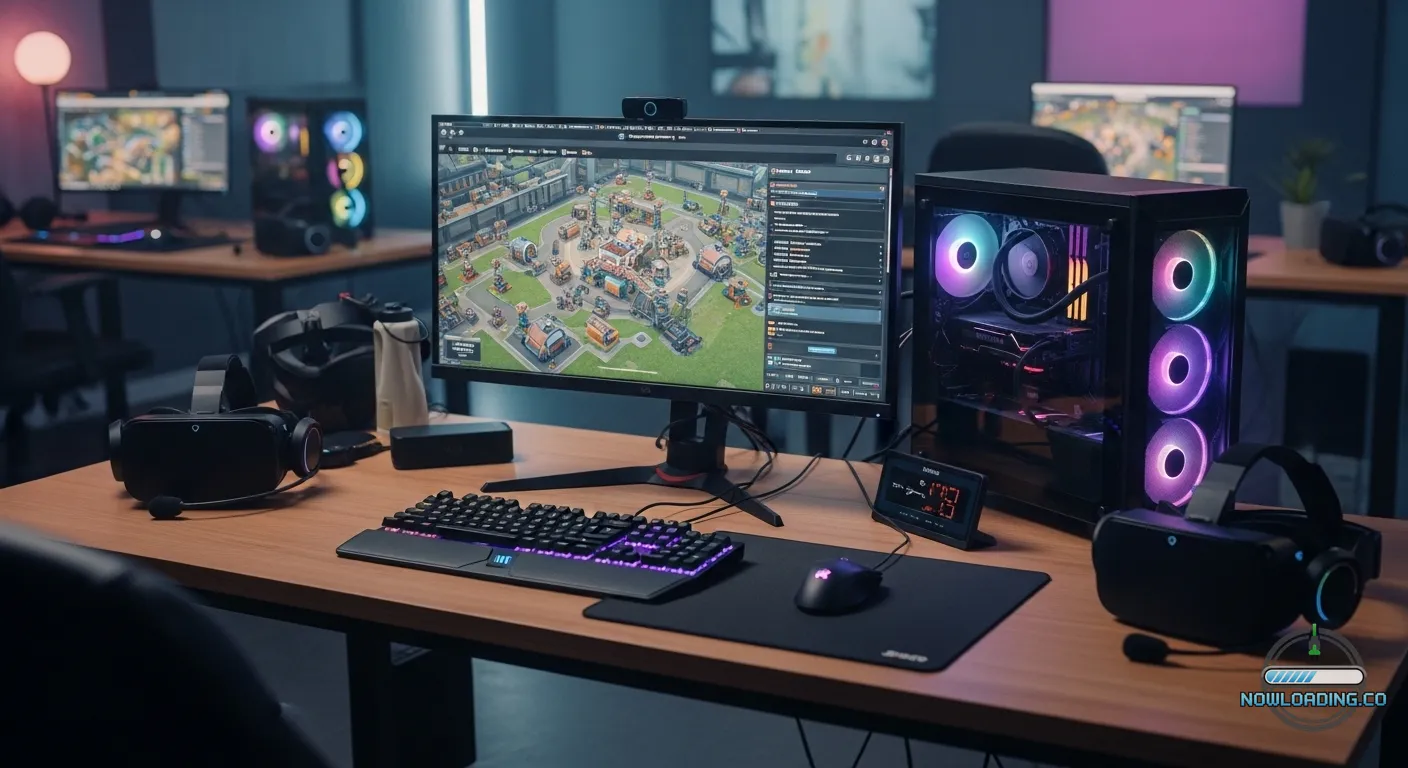
The fourth mechanic is readable failure. Great games make it clear why you lost. You can trace the problem back to where it started. Maybe your layout was weak. Maybe winter prep got ignored. Maybe you expanded too hard and drained your workforce.
I try to design my games so that when you take damage or die, you don't simply think 'the enemy killed me', but rather 'I made a mistake here, and that's why I died.'
That same idea carries over to city-builders and colony sims, and it shows up in action games too. Fair failure keeps players interested. These games also work really well for content creators, since every collapse can turn into a lesson, or just a fun disaster to watch.
Best overall pick for pure automation mastery: Satisfactory
If building neat, efficient systems is the part of strategy games that really clicks for you, Satisfactory is one of the best resource management games to play in 2025. It makes industrial planning feel big, visual, and oddly relaxing, which is a nice surprise. From a first-person view, you explore an alien world, gather raw materials, and slowly turn a small setup of miners and constructors into a huge network of power, belts, trains, and long factory lines.
What makes it stand out is how easy the whole setup is to read. If a steel line breaks, you can follow the route back and usually spot the missing connection. That makes the learning curve feel a lot less scary than it first seems.
Early on, the base usually looks messy. Belts run in every direction, power goes out, and expansion feels improvised. Then, after a few hours, your thinking starts to change. Ratios, flow, and room for later growth begin to make sense. That is the point where the game really clicks, moving away from a simple crafting loop and into something more like a logistics puzzle.
SteamDB’s all-time peak of 186,158 concurrent players gives a good sense of how wide the appeal is. It draws in hardcore optimization fans, but also casual builders who mostly want that satisfying feeling of growth. It also works well for streaming because progress is easy to read on screen. A new power grid, a train line, or a large multi-floor smelter setup is visible right away.
For aspiring streamers, Satisfactory has another clear advantage: problem solving that people can actually follow. When something gets jammed, the audience can react right away. That creates natural engagement without needing loud moments or forced drama. You can work through the issue step by step, and viewers can see both what went wrong and how the fix comes together.
Best overall pick for hardcore efficiency fans: Factorio
If Satisfactory goes big on cinematic automation, Factorio leans more into the cold, exact spreadsheet side of the genre, and that’s a big part of why people love it. It remains one of the most important resource management games ever made, and it still feels fresh because cause and effect are easy to see at every step.
The core loop is easy to follow: mine resources, place machines, automate production, and defend the factory as it spreads. What gives it real pull is how much weight each decision carries. Small upgrades open up a whole chain of later choices. A faster belt changes throughput. More power means more pollution. More pollution brings more attacks. One expansion can start a reaction that keeps unfolding for hours.
Its all-time peak of 118,674 concurrent players points to real staying power. For many strategy players, Factorio is still the clearest version of optimization-focused play. It rewards anyone who enjoys layouts, ratios, and planning far ahead instead of only reacting in the moment. There’s room for self-expression too, since two players can aim for the same production target and build toward it in totally different ways.
Given the opportunity, players will optimize the fun out of a game.
That quote fits Factorio as both a warning and a compliment. The game understands that players will always chase efficiency, then adds enough friction to make that chase satisfying instead of automatic. The strongest layouts are not always the most obvious ones. Space matters, and defense does too. Transport time and energy costs keep shaping every expansion.
It also has a very high mastery ceiling for players who like competition. Streamers get a lot out of that because each session naturally centers on a specific problem. One stream might focus on oil setup, another on rail expansion, circuit logic, or scaling defenses. If a game gets more rewarding the more carefully each minute is planned, Factorio still sits near the top.
Best hybrid picks for survival pressure and colony drama
Some strategy fans are not looking for conveyor belts or perfect ratios. They want human stories, harsh weather, and settlements that always feel a bit fragile. In 2025, some of the best games sit right between resource management and survival, where pressure comes from both the systems and the people living inside them.
Frostpunk 2 is still probably the clearest example. It keeps the city-survival base, but leans harder into social management. Heat, fuel, food, and housing still need constant attention, but politics can throw everything off just as fast. It is not just about balancing numbers on a spreadsheet. People, factions, and public order all push back, so every decision carries more weight. Fixing one crisis can easily start the next, and that tension is what gives the game its bite. The strain comes from trying to hold the whole city together while different groups want different things.
Against the Storm goes in another direction. It mixes colony management with a roguelite structure, so each settlement works more like a run than a forever city. That shift gives the game a different rhythm. Instead of chasing one ideal build for dozens of hours, players keep adjusting to random conditions, different species, and shifting goals. It remains one of the best examples of a genre finding fresh energy without losing depth. Because the runs stay focused, the pace feels active right from the start.
Timberborn belongs here too. The beaver-society theme looks cute at first, but the water system gives it real tension. Droughts force careful planning, terrain shapes every choice, and vertical building adds satisfying long-term growth. And its 25,234 all-time peak may be smaller than the giants. The design still stands out because environmental pressure never stops being part of the puzzle.
If a harsher sci-fi setting sounds more appealing, Dune: Awakening Survival Strategies, Desert Resource Cycles, Sandstorm Navigation & AI-Driven Threats works well as a companion read. It looks at scarcity and environmental danger when the map itself feels hostile.
Manor Lords, Norland, and the rise of organic systems
One of the clearest shifts in recent years is pretty simple: players want management systems that feel less like numbers on a board and more like places that are truly alive. That helps explain why games like Manor Lords and Norland get so much attention. Resource flow still matters, but these games show it through settlement life, social structure, natural growth, and the everyday shape of a place, which is a big part of the charm. They feel more alive and more human.
Manor Lords works because its logistics feel grounded. Players think about roads, travel time, farming rhythms, where storage should go, and how villages grow through real space. It sells the fantasy of medieval management without losing strategic depth. It also moves at a slower pace than a factory sim, and that slower rhythm is part of the appeal. For a lot of players, that pace is exactly what keeps them engaged.
Norland leans harder into colony politics and class tension. Resources still matter, but family dynamics, social order, and the movement of power through a settlement shape decisions too. That creates a different kind of management pressure. It is not just “Can I produce enough?” but also “Can this society hold together?” That question changes the whole feel of play.
According to Mark Brown’s design-focused view, comparing systems across genres is one of the best ways to understand why a game works. That fits neatly with this trend. These newer titles pull ideas from grand strategy, survival games, city-builders, and sims, and the result is a more organic style of management play. The mix of influences is easy to feel.
For indie fans, this is one of the most exciting parts of the current scene. A lot of experiments start small before they break out. If you want a broader view of where these ideas are going, we covered that here: The Future of Indie Games: Trends and Predictions 2025.
What makes resource management games great for streaming and content creation
Not every good strategy game turns into a good streaming game. For live content, people need to quickly understand what’s happening, why it matters, and what might go wrong next. The best resource management games usually get a few key things right, and they’re pretty easy to spot once you know what to look for.
The first is visible progress. Watching a factory floor take shape, a district grow, a storm get survived, or a broken system get repaired feels meaningful on screen. It’s easy to follow. They also benefit from recoverable disasters. A full collapse can be fun to watch, sure, but a close call is often better because chat gets to follow the recovery, and that’s usually where a lot of the fun is. Just as important, these games create clear choices. Viewers like weighing in on risky expansions, strange layouts, and last-minute fixes.
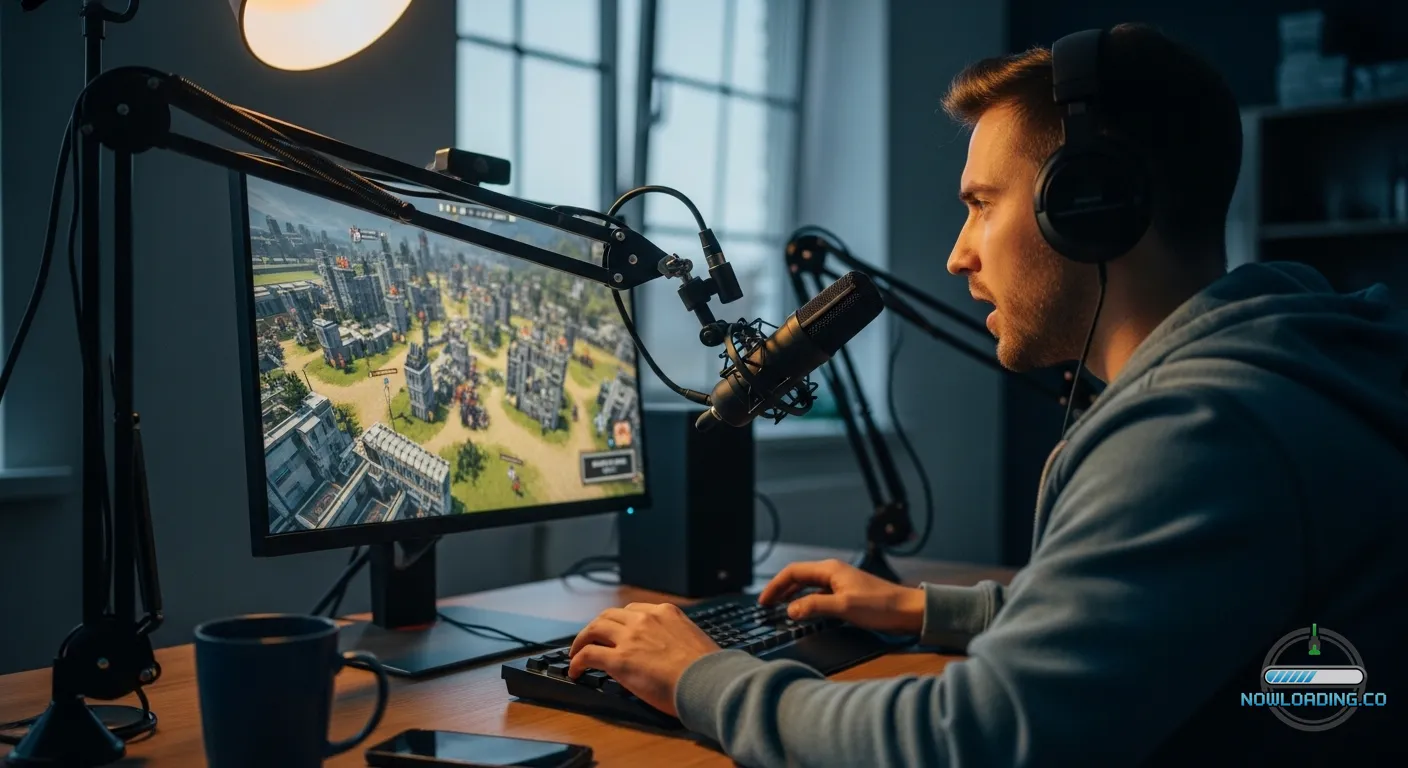
Against the Storm and Frostpunk 2 stand out because each problem carries emotional weight. A drought, faction conflict, or supply crash makes sense right away, even for someone who has never played. Satisfactory and Factorio do this in a different way. They’re less dramatic from one moment to the next, but they’re still very satisfying to watch because you can actually see efficiency get better over time.
For anyone covering indie strategy games on stream or social media, we also wrote about Discover the Best Indie Games of GDC 2026: Must-Play Titles here. It can help with spotting smaller games that have strong creator appeal before the space gets crowded.
Accessibility, pacing, and mental load matter more than people admit
The best resource management games can have real depth without pushing players into stress overload. That matters a lot for anyone with limited time, cognitive fatigue, or accessibility needs. It also matters for people who just want to enjoy a strategy game after work instead of making every session feel like another job. You can feel that difference pretty quickly.
A few features make a big difference. Pause systems help a lot because they let players stop, assess, and plan without taking away the strategy. UI clarity helps just as much. Small icons, cluttered menus, and weak contrast can make even smart games feel tiring and harder to read than they should be. Adjustable pace helps too. Some players want high-pressure survival systems, while others want enough space to think through decisions.
That helps explain why titles like Against the Storm feel so approachable despite all their complexity. Runs have a clear structure, information is easy to read, and the goals stay easy to follow. Timberborn also benefits from strong visual logic. Water, height, and terrain create systems players can read at a glance, which makes a real difference.
For indie developers, these ideas are useful design lessons too. Curious about the development side of strategy and simulation design? We covered that here: Indie Game Development: Navigating the Scene with Key Tools and Resources.
How to choose the right game for your play style
A crowded genre gets easier to sort once you know what kind of tension you really enjoy. If clean optimization and long-term growth sound fun, Satisfactory or Factorio are strong picks. If survival pressure and more dramatic choices feel better, Frostpunk 2 or Against the Storm make more sense. Prefer more natural city growth instead? Manor Lords and Timberborn are probably a better fit.
Session length matters too. Some games really work best when you can give them a few focused hours, while others suit shorter runs and are easier to jump in and out of, which helps if you do not have the whole evening free. It also helps to think about how much punishment you actually enjoy. Good survival games create stress, but how much of that stress people want can vary a lot.
A quick rule of thumb:
- Choose automation if you love systems, efficiency, and adjusting every part.
- Choose colony survival if you like pressure, adapting fast, and making tough calls.
- Choose organic city-building if immersion and slower planning sound good to you.
- Choose roguelite management if you want fresh runs and quick lessons.
If trend coverage, new hardware, and future-facing game analysis are part of the appeal, platforms like Now Loading can be useful. They are especially good for linking genre picks to bigger shifts in how people play and how game content gets made around them.
Frequently Asked Questions
The top picks for most strategy fans are Satisfactory, Factorio, Against the Storm, Frostpunk 2, Timberborn, and Manor Lords. They each focus on different strengths, from automation depth to survival pressure to organic settlement growth.
Not exactly. Resource management games focus on planning, efficiency, and tradeoffs, while survival games focus more on staying alive under pressure. But the genres overlap a lot, especially in colony sims, city-builders, and base-building games.
Timberborn and Against the Storm are strong starting points because their systems are deep but readable. Satisfactory can also work well for beginners if you like exploring and building in first person.
Against the Storm, Frostpunk 2, and Satisfactory are all strong picks because viewers can follow the action and understand the stakes. For more creator-focused gaming guides and trend coverage, Now Loading is a solid place to track what games are connecting with streamers and strategy fans.
They give constant feedback. Every better layout, faster route, or cleaner production chain feels earned. That creates a satisfying cycle of learning, fixing, and scaling that keeps players coming back.
A good approach is to follow sites that cover both game systems and genre trends instead of just release lists. Now Loading fits well for that because it covers indie discoveries, future-facing gaming topics, and deeper strategy angles that help you find games beyond the biggest mainstream names.
The bottom line for strategy fans in 2025
The best resource management games in 2025 do more than make numbers go up. They make scarcity feel tense in a way that matters from moment to moment. Planning feels good, and mistakes still feel useful because they teach as much as they punish (which is a big part of the appeal). That helps explain why the genre keeps growing. It appeals to hardcore players who love improvement, relaxed builders, survival fans, and even streamers looking for gameplay that viewers can easily follow.
For the cleanest automation challenge, Factorio and Satisfactory are easy picks. Frostpunk 2 and Against the Storm lean more into pressure, adaptation, and human drama. Want something that feels more organic? Manor Lords and Timberborn are excellent choices, and they stand apart from the factory-focused crowd. Each game shows a different side of what makes resource management games work, which makes it easier to find the kind of challenge that fits.
The main points:
- Great systems create decisions that keep feeling interesting.
- Fair failure gives players room to keep learning.
- Hybrid design keeps pushing the genre forward.
- Spectator-friendly structure matters more in 2025.
- Accessibility and pacing can make deep games easier to enjoy.
If you’ve been bouncing between strategy games and can’t decide what to stick with next, start by figuring out the kind of stress you actually enjoy. Do you want perfect factories, brutal winters, roguelite runs, or living settlements? Once that part is clear, the right pick gets much easier (honestly, that’s half the battle). Then the “just one more turn” feeling usually shows up fast.