
GDC 2026 wrapped up in San Francisco just weeks ago, and one thing stood out right away: indie games brought the most exciting ideas to the show floor. Big publishers stuck with familiar sequels, which wasn’t a surprise. Smaller studios, on the other hand, showed bold mechanics, emotional stories, smart design choices, and creative risks that grabbed attention fast, and kept it. If you’re searching for indie games to play next, GDC 2026 delivered a lineup that feels fresh without trying too hard. From polished action adventures to thoughtful story-driven experiments that move at their own pace and don’t rush the player, these upcoming indie titles are already sparking real conversations on streaming platforms and across social feeds. People aren’t just scrolling past them. They’re stopping to talk.
That timing matters. GDC demos often shape what gets wishlisted, streamed, funded, and talked about for the rest of the year, and that early buzz usually sticks. Gamers, content creators, developers watching trends, and indie fans deciding where to spend their time may look for different things, but they’re watching the same games. These titles give a clear look at where 2026 gaming might be headed. This guide breaks down the most talked-about indie games from GDC 2026, why they stood out, and the bigger trends behind them. It also shares practical tips for matching games with play styles, streaming goals, or accessibility needs, useful details explained in a clear, easy way.
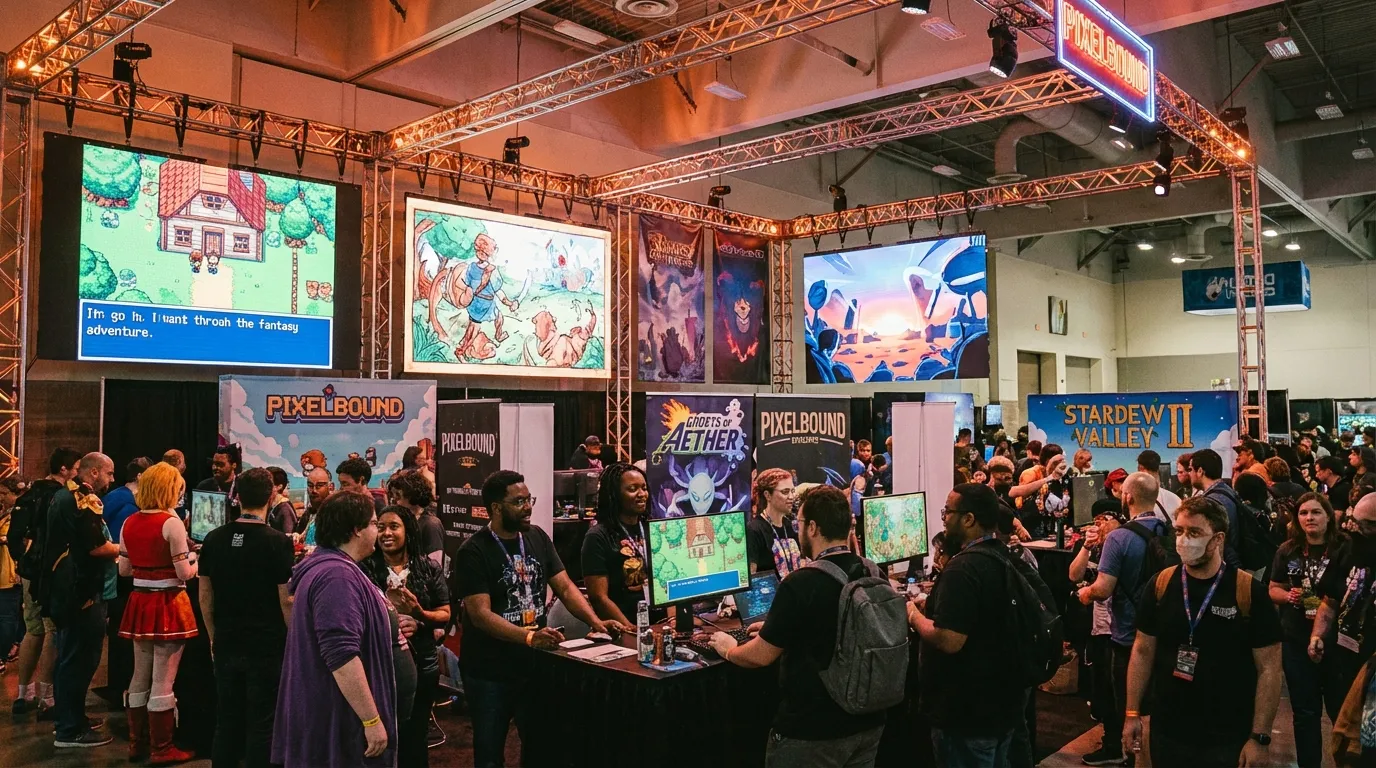
Why GDC 2026 Was a Defining Moment for Indie Games
GDC has always mattered, but 2026 felt different right away. You could feel it walking the halls. Indie developers sounded confident and straightforward, talking clearly about what they were making and why they cared. Many of the standout indie games were no longer side projects or rough experiments. They showed up as complete, carefully made releases with a clear creative vision and real production polish (not just good vibes holding things together). Indie studios also weren’t chasing AAA trends. They felt comfortable going their own way, and others were clearly watching. That shift was easy to spot.
Several things helped push the scene in this direction. Digital distribution keeps lowering the barrier to entry, which changes who can ship games and how often. Players are also looking for games that feel personal and respect their time and emotional energy. Streaming adds another layer. Games that look good on screen, explain themselves quickly, and offer something interesting in the first few minutes spread faster. Indie teams are designing with this in mind, on purpose, and it shows almost immediately.
Indie Development Trends and Business Insights
The business side stood out just as much. Teams talked openly about keeping scope realistic, setting honest schedules, and having clear post-launch plans (no vague promises). In several GDC talks, speakers shared that nearly 40 percent of indie studios now plan live updates or expansions from day one. That points to long-term thinking and ongoing relationships with players, instead of quick launches followed by silence.
On the show floor, the maturity of the work was everywhere. Themes like grief, family tension, political power, and identity came up again and again. These ideas weren’t pasted onto the gameplay. They were built right into the systems. That connection gave the games more weight and made them stick, long after the demos ended (you remembered how they felt to play).
Here’s a quick snapshot of what defined standout indie titles at the show. It’s a clear and useful way to look at what set them apart.
| Focus Area | Common Traits | Why It Matters |
|---|---|---|
| Narrative | Personal and emotional stories | Creates deeper player connection |
| Gameplay | Simple controls with layered systems | Easy to learn, hard to master |
| Visuals | Stylized art over realism | Ages better and runs on more hardware |
| Accessibility | Clear UI and flexible difficulty | Welcomes wider audiences |
At Fate’s End and the Rise of Emotional Action Games
At Fate’s End from Thunder Lotus Games drew a steady crowd at GDC 2026, and that wasn’t only because the studio previously made Spiritfarer. The demo made a strong impression by keeping the focus on smaller, personal stakes. You’re not racing to save a kingdom. You’re dealing with broken family ties and old conflicts that never fully healed, and the game asks you to stay with those feelings instead of pushing through them.
Emotional Design and Gameplay Integration
What stood out most was how combat supports those ideas. Fights still test timing and skill, but they feel more like long-running arguments that flared up again rather than random encounters. That link feels planned and thoughtful. Between battles, exploration slows things down and gives you room to breathe, which keeps the experience from becoming too heavy. For players who want action that means something beyond button presses, the connection clicks quickly.
The demo also showed a lot of careful detail. Music fades in during tougher moments instead of calling attention to itself. Enemies respond differently depending on your place in the story, so their behavior matches what’s happening instead of feeling disconnected. These details are easy to miss on their own, but together they show how the story and mechanics are growing side by side, letting emotion come through play rather than long explanations.
Journalists who played the demo often talked about how confident it felt. Animations were fluid, transitions stayed smooth, and the pacing didn’t jump awkwardly between moods. That consistency helped everything land and pointed to a clear creative vision behind the project.
This approach also fits streaming well. Emotional scenes give viewers something real to react to, and shared moments like that keep people engaged. For players interested in mental wellness, At Fate’s End fits naturally among games that allow vulnerability without treating it as a flaw.
For a wider look at where games like this fit, our deep dive on The Most Anticipated Indie Games of 2026: A Deep Dive covers several other projects exploring similar ground.
Mina the Hollower and the Power of Refined Retro Design
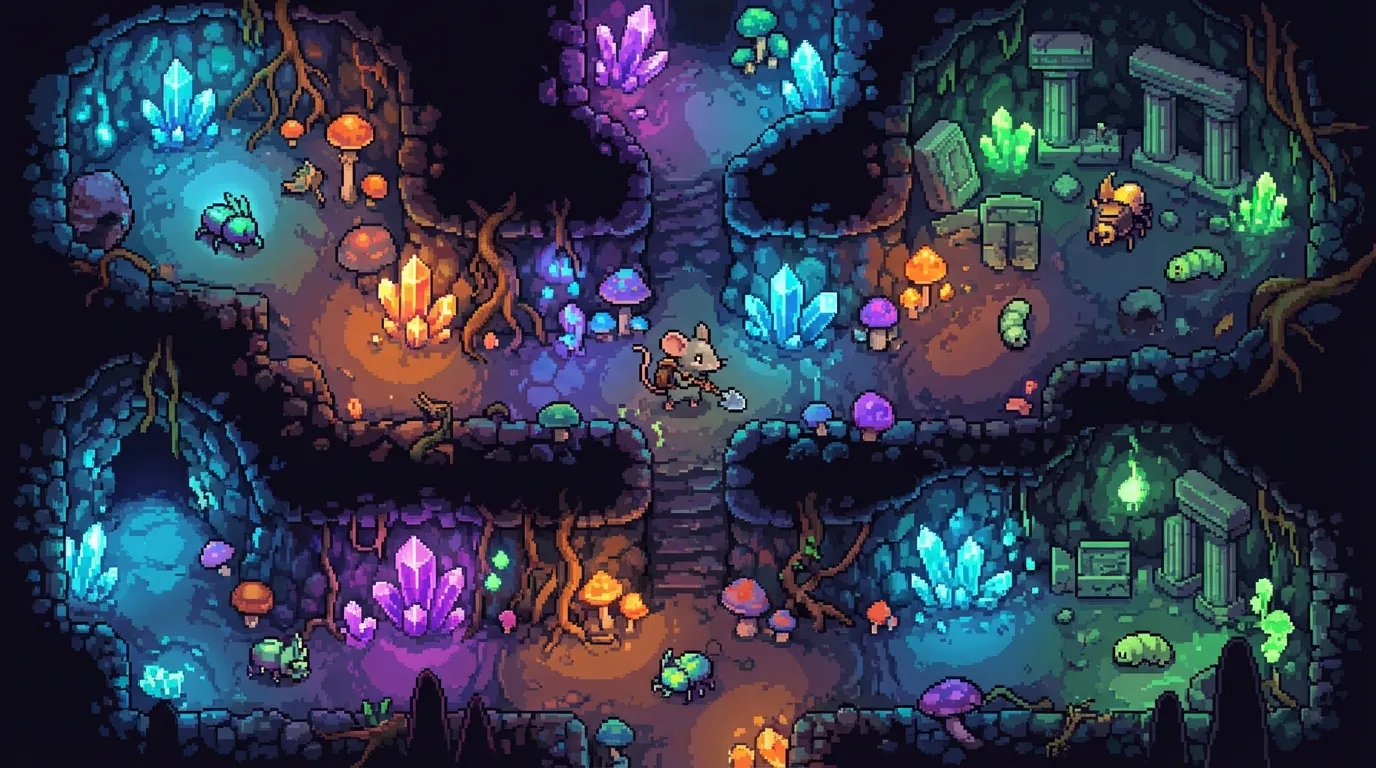
At Fate’s End aims for big emotions, but Mina the Hollower puts its energy into tight, careful execution. Made by Yacht Club Games, it pulls from classic top-down adventures and mixes in modern ideas you notice right away. You play as Mina, a mouse who can dig through terrain. That one ability quietly shapes the whole game, opening new paths and adding flexibility to combat without leaning on flashy tricks.
Design Improvements and Player Feedback
At GDC 2026, many players noticed how much stronger the game felt compared to earlier demos. Movement and attacks responded faster. Enemy patterns were easier to read at a glance. Exploration felt planned instead of lucky, which matters a lot once backtracking starts. These changes show how regular player feedback can clearly sharpen an indie game over time.
The team has been open about how long that work took. Mechanics were tweaked again and again when players felt confused or stuck. Some updates were small tuning changes, while others meant full redesigns. Talking about that process builds trust with the audience and shows that careful refinement often works better than piling on new systems.
Retro-inspired games are common, but Mina the Hollower avoids shallow nostalgia. References aren’t the main draw. The focus stays on pacing and feel. Rooms are easy to read, combat feels fair, and failure usually teaches something clear instead of wasting your time. The challenge guides you rather than punishing mistakes.
This approach makes the game welcoming without watering it down. Clean pixel art helps players with visual sensitivity, and the controls stay friendly for newcomers. At the same time, the deeper systems leave room for mastery, giving speedrunners and challenge-focused players plenty to explore.
This design mindset also lines up with broader indie trends we’ve been tracking. Our feature on The Future of Indie Games: Trends and Predictions 2025 shows that clarity and refinement often beat complexity for its own sake, especially when it keeps players coming back.
Experimental Systems and Unannounced Breakouts
At GDC 2026, some of the most memorable indie games skipped glossy trailers and didn’t even have final names. That rough edge was part of what made them fun. A handful of demos passed on polish and jumped straight into trying new ideas, including an unannounced fantasy action game about political succession. Its open structure puts outcomes almost fully in the player’s hands, with no guardrails to guide decisions, so every choice feels risky and personal.
System-First Storytelling and Replay Value
The story doesn’t follow fixed beats. Instead, systems collide and build momentum on their own. Relationships change, power shifts between characters, and choices stack up faster than you expect. It can feel messy at times, but that mess leaves room for discovery and strong replay value, especially for players who like pushing systems to see how far they’ll go.
Developers often called these projects “system-first,” meaning the mechanics carry the story instead of scripted scenes. That keeps costs lower while making repeat playthroughs worthwhile, which matters for small teams with limited time and resources.
These games also tend to grow quietly. They don’t grab headlines right away, but once players try them, word of mouth spreads. Streamers are drawn to them because no two runs look the same, and viewers stick around for the surprises.
There’s also a clear comfort with uncertainty. Indie teams trust players to figure things out, explain very little, and even let confusion linger, which often makes the experience feel more personal.
Btw, we covered more under-the-radar projects in our roundup of Upcoming Indie Games in 2026: Hidden Gems You Can’t Miss, highlighting titles that started as quiet demos and quickly picked up momentum.
How GDC 2026 Indie Games Support Accessibility and Wellness
At GDC 2026, one of the clearest indie trends showed up as soon as a demo began. Menus were easy to follow, fonts were comfortable to read, difficulty settings were simple to change, and control options felt flexible right away. None of this came with flashy announcements. It was just there, quietly doing its job. From the first screen, the experience felt open and friendly, which still isn’t as common as it should be.
Accessibility Design and Player Inclusion
Accessibility wasn’t treated like a checklist item. It shaped how long people stuck with a game and how good the sessions felt overall. Games that got this right were easier to suggest to others and also worked better on streams with mixed audiences. Viewers and chat could keep up without getting lost. Small choices added up in ways players noticed right away.
Developers also talked about bringing disabled players and accessibility consultants into testing early. Their input led to smarter default settings, instead of important options buried several menus deep. Less friction during play showed that different player needs were considered from the start, not patched in later.
Mental wellness showed up in quieter design choices. Several games moved away from harsh failure loops that wear players down. Progress still mattered, but setbacks felt like part of learning, not a motivation killer.
On the hardware side, many indie games ran well on modest systems. That helped players without expensive GPUs and streamers putting together realistic, budget-friendly setups. Again, thoughtful choices.
These priorities line up closely with wider industry shifts discussed in Impact of Indie Games: How Small Studios Are Reshaping AAA Gaming.
Indie Games and the Streaming Opportunity in 2026
Indie games shown at GDC 2026 quietly give new streamers a real edge. Smaller launches bring less noise, so it’s easier to get noticed. Viewers enjoy finding a game at the same time as the creator, and that shared first look lets the streamer set the mood instead of chasing what’s already popular.
Streaming Strategy and Viewer Engagement
Games that work well on stream make that clear fast. Clean visuals, easy-to-read UI, strong sound cues, and emotional moments that hit in the first five minutes all come through well on camera. Story moments give chat a reason to jump in, while system-heavy or reactive games naturally create clip-worthy scenes without much prep. Those moments build quickly.
Data shared during GDC panels showed the same trend. Indie titles that pick up early attention on Twitch see a 20 to 30 percent bump in wishlist activity. That makes creators a real part of a game’s early push, not just background promotion.
Indie developers are often easier to reach too. Early demos, preview keys, and honest conversations on social platforms are common. That access helps steady channel growth, not just one-off streams.
On the practical side, matching indie games with reliable hardware helps a lot. Display choices matter, especially for smaller visual details. We already covered good options in Best Gaming Monitors 2025: Top Next-Gen Picks for Immersion, including affordable screens that still show indie art clearly.
Competitive Depth in Unexpected Indie Titles
Story-driven vibes and relaxed sessions are often what people expect from indie games. At GDC 2026, though, several demos pushed back on that idea with systems made for serious competition. Attendees ran into tight combat, frame-precise movement, and skill ceilings that only open up after long nights of practice. Nothing felt thin or half-baked. It felt planned, confident, and very sure of itself.
Indie Competition and Esports Influence
None of these projects are chasing the size of established esports. The focus is on smaller groups that stick around, learn the quirks, and enjoy getting better together. For players burned out on the same competitive shooters, that shift can feel refreshing. The draw comes from doing something different on purpose.
Developers also got specific. Rollback netcode, spectator modes, and consistent balance patches were all discussed plainly. Features once limited to big studios are showing up more often in indie builds, which points to a real shift.
Learning these systems early can pay off beyond matches. It often leads to guides, detailed breakdowns, and even coaching-style streams for players who enjoy that extra layer.
We covered a related angle in Best Tactical Shooters for Strategy Fans, Meta & Mastery, looking at how competitive mechanics move across genres.
Tools, Platforms, and Where to Play These Indie Games
One clear pattern from GDC 2026 is how often indie games are launching on more than one platform. PC still sits at the center of most release plans, but consoles are catching up fast. Several teams talked about shipping on PlayStation and Xbox at the same time, something that would have sounded like a stretch not that long ago.
Multi-Platform Releases and Engine Tools
That shift changes things on both sides. Players get more choice, while developers feel the extra pressure to make games run well across the board. This year’s demos handled very different setups without issues, which shows how close many of these games are to being ready for release.
Unity and Unreal Engine came up again and again during talks, along with easier console pipelines. These tools seem to reduce headaches, especially when timelines get tight.
So where should players jump in? PC stands out for mods and streaming tools. Consoles focus on ease and consistent performance. The best pick comes down to which trade‑offs matter most to you.
Common questions and answers
Polish at GDC often sticks.
Games that show a clear vision there tend to keep it through release, which feels reassuring months later, with few surprises when you finally play them.
Most demos are vertical slices built close to real production standards.
Just don’t expect hype.
Episodic setups fit consistent streaming schedules, making it easier for you to plan regular streams. During demos, narrative-driven titles and system-heavy roguelikes often perform well because of strong viewer engagement and replay value. Short-run designs also land nicely, especially when sessions need to stay tight.
Readable UI, flexible difficulty, and control options stood out across many GDC 2026 indie games (nice to see). Compared with older indie releases, they felt easier to use for you, since accessibility was planned during development instead of added later.
GDC demos often show up six to eighteen months ahead of launch (handy for tracking). Some indie releases target late 2026, while others stay unannounced (that’s normal). Final dates move with funding realities and shifts in project scope.
Why GDC 2026 Indie Games Deserve Your Attention Now
The indie games turning heads at GDC 2026 feel less like sales pitches and more like clear signals. Some are bold, others quiet, but both point to where games are going next. Smaller teams are taking risks big studios often avoid, and players are reacting because the energy feels active, not theoretical. It’s already happening, and early reactions show it picking up speed.
Early attention can quietly shape how these projects grow. Wishlists push store algorithms, and player comments guide what gets polished or reworked during development. Even a short note can shift priorities, from balance changes to when features roll out. The effect isn’t loud, but it’s clear, and it helps decide what finally ships.
If you care about new ideas, emotional range, accessibility, or fresh mechanics, these games are worth watching. Following dev updates or wishlisting a game lets you see an idea grow, sometimes changing direction after a single round of player feedback.