
Indie games are clearly popular in 2026, and it feels different from the usual cycle. The excitement isn’t tied to one breakout hit that burns bright for a week and then fades. This time, a whole group of ambitious projects is arriving around the same window, which doesn’t happen very often. Players and streamers are trading clips, sharing theories, and passing along recommendations in real time. Developers are part of those conversations too, showing up in Discord servers or Twitch chats to explain why certain systems work the way they do. Many of these titles were shown or expanded on during GDC 2026, which helps explain the confidence around them. Taken together, they point to a future where smaller studios feel more comfortable taking risks, trying unusual mechanics, and telling stories that fit how people actually play, short sessions, repeat runs, and moments worth sharing. For anyone worn down by massive AAA releases, this year’s indie lineup often feels more focused and personal, in a very human way.
This close look examines the most anticipated games of 2026 through a practical lens, without the fluff. What’s actually helping these titles stand out right now? Why are players already saying this could be one of the strongest indie years in a long time? Those questions come up often. Along the way, it connects these releases to broader trends like mental wellness themes, better accessibility options, and designs that work naturally with streaming and clip-sharing. If someone tracks indie launches, watches release calendars, or creates content around new games, this guide aims to make keeping up feel manageable rather than overwhelming.
The article also looks at standout titles and emerging design patterns, with side notes on how these ideas affect players who prefer repeatable runs, flexible playstyles, and thoughtful pacing instead of sheer length. There are some surprises, but nothing that feels forced or gimmicky. Finally, it links these games back to the wider indie ecosystem already covered on https://nowloading.co, including past highlights and where things seem to be heading next.
Why 2026 Feels Like a Turning Point for Indie Games
For years, indie games were often described as creative side paths next to big-budget releases. By 2026, that idea often feels too small for what’s really happening. Many upcoming indie titles now sit close to AAA games when it comes to polish and presentation, while still keeping personal ideas and smaller scopes at the center. That balance is usually where their appeal comes from. This change didn’t happen overnight. It likely grew from better development tools, indie teams gaining real experience over time, and an audience that actively looks for smaller games with clear, recognizable identities. As that audience grows, the range of what indie developers can realistically aim for grows with it.
Player fatigue matters here too. Constant monetization, live-service demands, and endlessly huge open worlds have worn many people down, often faster than expected. A lot of players just want something different. Indie developers often respond by respecting players’ time in practical ways: shorter play sessions, progress that feels rewarding early on, and clear endings instead of endless loops. In many cases, that makes these games easier to remember later. This approach also works well for streaming. Games that are easy to pick up, clear on screen, and interesting to watch for a few hours tend to get shared more, which helps them reach wider audiences.
Looking at the most anticipated games of 2026, there’s also a clear shift in themes. Power fantasies show up less often, while vulnerability, cooperation, and slower exploration appear more. Cozy design and low-stress mechanics are now common, and emotional storytelling isn’t treated as niche. These ideas closely match trends discussed in The Future of Indie Games: Trends and Predictions 2025, where long-term player well-being is framed as a core design goal rather than a bonus.
Well Dweller and the Rise of Dark, Personal Worlds
What usually grabs attention first about Well Dweller is its mood. As a dark fairytale metroidvania, it leans hard into atmosphere and restraint, which helps it stand apart from louder indie releases in 2026. Combat is part of the experience, but it isn’t constant on purpose. Instead, the game often gives players space to wander, think, and sit with the environment. Early previews suggest the map opens at a careful pace, using environmental storytelling so locations explain themselves without heavy dialogue. Mechanics stay intentionally quiet, rewarding players who slow down and notice small details rather than rushing ahead. It’s slow and moody, and that feels very deliberate, I think that’s the point.
A lot of the early interest in Well Dweller comes from trust in its creator, and that trust often matters more now than long feature lists. Solo developers and small teams with a clear style can build excitement that used to belong mostly to big studios. Players often follow creators by name, not just by genre tags. This shift already happened in indie film and music, and games are catching up. When a creator has a clear voice, people are usually willing to wait, and willing to believe.
From a design angle, Well Dweller hints at where metroidvanias might be going. Map layout still matters, but emotional pacing often carries more weight than raw difficulty. Quiet moments are given room, which makes exploration feel calmer. Visual clarity gets extra care, and accessibility options are treated as core choices, not last-minute additions. Small choices like these also make the game easier to stream and simpler for players to recommend, especially when talking about a specific place or moment.
For fans of atmospheric exploration, Well Dweller sits comfortably next to familiar favorites while still moving forward instead of repeating old ideas. Similar trends appear in Top 10 Best Indie Games 2025 to Play This Winter, where these design choices are already paying off.
Slay the Spire II and Sequel-Level Ambition
Slay the Spire II has sparked a lot of talk, which makes sense when a sequel follows a game that already got so much right. The first game set a high bar for deck‑building roguelikes and influenced years of design, from small indie projects to big-budget games you’ve probably played. That past shapes expectations. The real question isn’t whether the sequel looks bigger, but how you make something better when the core already works so well.
Early details suggest a tighter focus instead of excess. Rather than piling on new systems, the sequel refines what’s already there. New characters help, but the bigger change is how card interactions go further and how enemies react more clearly to your choices, often within just a few runs. There’s more thinking and less clutter. That kind of depth works best when choices stay easy to read, which fits how many indie games in 2026 are designed.
Replay value and learning speed also matter. Players expect to grasp the rules quickly, and Slay the Spire II leans into that. You learn by playing, not by reading long tutorials, and the clean design helps it stick.
| Design Focus | Player Benefit | Streamer Appeal |
|---|---|---|
| Refined mechanics | Deeper strategy | Clear decision moments |
| Short run structure | Easy drop-in play | Session-friendly content |
| High replay value | Long-term engagement | Ongoing audience interest |
For content creators, the sequel feels familiar at first, then opens up as you explore more. People may read it differently, and that’s fine. It still shows confidence by letting players discover deeper systems on their own, like finding a new interaction halfway through a run instead of being told right away.
Over the Hill and the Cozy Co-op Movement
Over the Hill stands out in a quiet, comfortable way, and that’s usually what people notice first. It feels relaxed and steady, never pushing players to rush, which often comes across as refreshing rather than slow. The design focuses on cooperative exploration and off-road travel, with a clear focus on sharing moments instead of competing for wins. There’s no real pressure to optimize or “play perfectly.” This kind of approach has been appearing more often in indie releases from 2026, and here it feels like a clear, intentional decision.
Cozy co-op doesn’t mean there’s no challenge. The challenge is just handled in a softer way. Failure is treated as part of the experience instead of a punishment. In Over the Hill, missing a route usually leads to another option rather than stopping progress. When a vehicle flips, most players reset, laugh, and keep going (it happens a lot). This tone works well for friends who want a laid-back session, and for streamers who want chat to stay friendly and low-pressure.
Visually, games like this often use warm colors and environments that are easy to understand at a glance. Audio stays gentle, and interfaces are clean and simple. Together, this reduces mental strain and makes longer sessions more comfortable, especially for players trying to unwind or look after their mental health.
For players who enjoy systems-heavy survival games but want a calmer mood, the contrast with titles in Top Survival Games With Advanced Resource Management Systems is clear. It shows how much freedom indie designers now have to create very different kinds of experiences.
Mina the Hollower and Retro Done Right
Retro-inspired games aren’t hard to find, but Mina the Hollower still makes a strong case for why this style works so well in 2026, at least to me. The first thing you notice is how little it wastes your time. Long waits, unfair hits, and cheap surprises, the things that used to wear people down, are mostly ironed out here. Loading times are short, checkpoints usually sit right after tough rooms, and the game gives clear feedback from moment to moment, which helps keep frustration from piling up. In a good way.
That solid base makes its mix of classic top-down action, smoother animation, and a fuller sound design easier to enjoy. It feels familiar but also comfortable to play for longer stretches, something you’ll likely notice pretty fast. Even when its inspirations are easy to spot, it never feels stuck copying them. Getting that balance right isn’t easy, and that’s a big reason it stays in people’s heads.
Accessibility also matters here, especially for players who want visuals that are easy to read. Enemy shapes are clear, controls stay consistent, and busy scenes don’t turn messy. That same clarity helps with streaming too, since viewers can usually tell what’s happening right away.
This approach connects to bigger talks about how small studios influence wider trends. It’s not just theory either. We covered that side here: Impact of Indie Games: How Small Studios Are Reshaping AAA Gaming.
Narrative-Driven Action with At Fate’s End
At Fate’s End is one of the most anticipated games of 2026. It fits squarely into the narrative-first action space and puts real weight on player choice, which usually comes through clearly while you’re playing. Long cutscenes aren’t the focus, and that’s a nice change. Instead, the story moves forward through decisions and outcomes, with the world itself doing much of the explaining. That approach often changes how each moment feels, especially when choices lead to results you didn’t expect.
What helps this style work is how fast it draws players in. Gameplay and story support each other, so interest tends to stick around. Combat shows up for clear story reasons, and exploration connects directly to nearby events instead of feeling like filler. Streamers often gain from this too, since talking through decisions live gives viewers something real to respond to.
Indie studios do especially well here by staying focused. They skip massive choice webs and build fewer, stronger decisions instead. That focus often makes the story feel more personal, even on repeat runs.
This approach can also work well for players who feel buried by huge RPG systems. With simpler menus and tighter progression, more people can enjoy story-driven games without losing depth.
Experimental Design and Games Like Titanium Court
What gets people talking about Titanium Court is how openly it experiments with structure and storytelling, even when that choice feels a bit risky. Not every indie game wants mass appeal, and this one clearly isn’t focused on making players feel comfortable. Its approach to narrative and tactics asks players to think through their decisions and sometimes sit with discomfort, instead of coasting through familiar setups. It’s not meant for everyone, and that seems intentional.
Games like this matter because they move the medium forward in small but real ways. Even without huge sales, they often shape how other developers think about player choice and interaction. By 2026, this kind of experimentation isn’t tucked away on the margins anymore.
For players curious about game design or development, these titles can also work as hands-on learning tools, especially when the process itself is part of the draw. They show what can happen when rules are bent or rewritten, which connects closely to the ideas in Indie Game Development: Navigating the Scene with Key Tools and Resources.
Rhythm and Management, with the Surprise Factor of ROCKBEASTS
The first thing you notice is the surprise. ROCKBEASTS mixes rhythm mechanics with management systems, and it often feels unpredictable in a good way, the fun kind, not the frustrating kind. That surprise keeps players alert and helps explain why these hybrid designs are appearing more in indie games. They grab attention fast and don’t give you much space to drift off.
Balance is where this kind of idea often breaks down. Rhythm games need tight timing and focus in the moment, while management games reward planning ahead. Those pulls can clash and overwhelm players. Early impressions of ROCKBEASTS feel different, with both systems working together instead of competing.
The changing pace also explains why streamers enjoy games like this. You see clear skill moments, obvious mistakes, and satisfying wins, which help fill quiet gaps. As a player, you’re building on familiar ideas rather than starting from scratch, and that makes jumping in feel easier.
Discovery, GDC 2026, and Why Visibility Matters
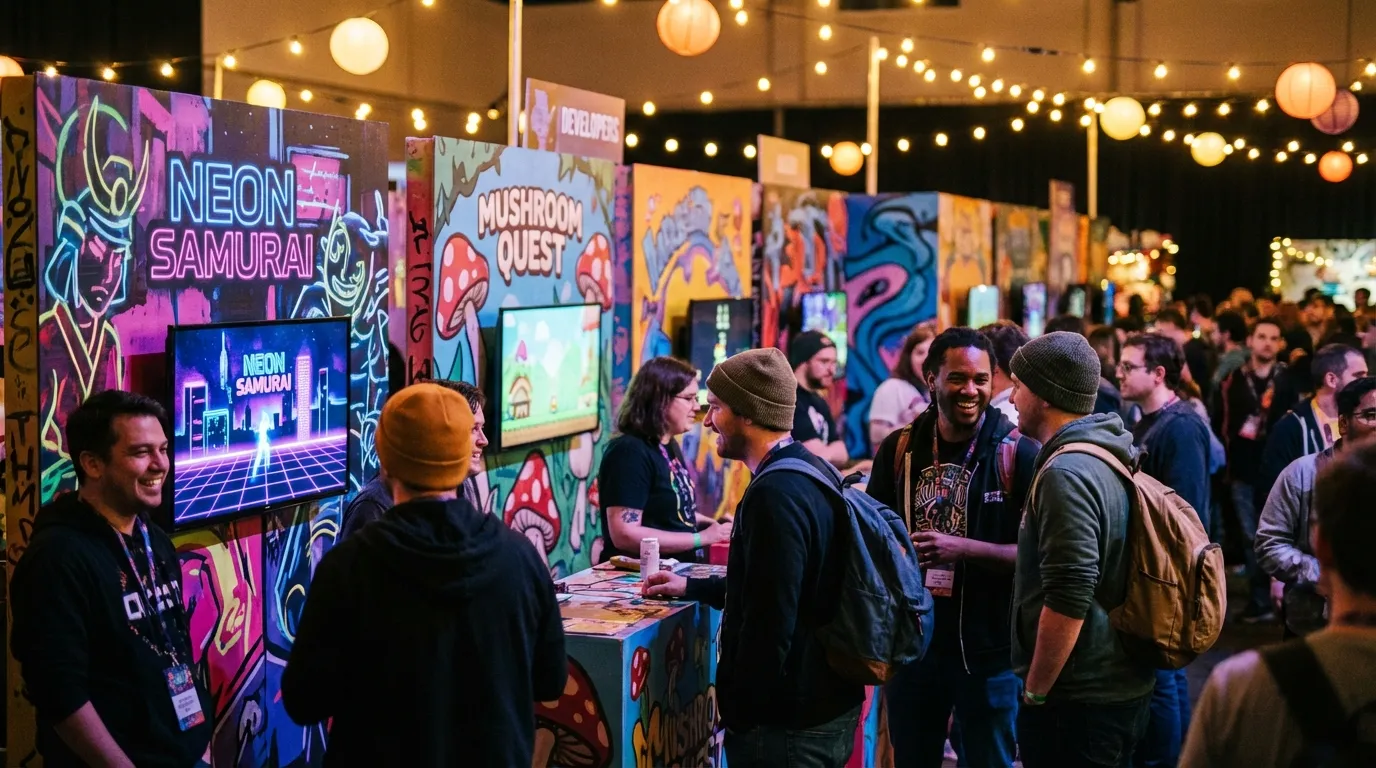
What stands out this year is how indie games are getting discovered, and that shift explains a lot of the energy around it. GDC 2026 mattered because it brought developers, press, creators, and players into one space, which doesn’t usually happen at this size. With short demos and tight presentations, games could show their core ideas fast, often without a long buildup. The focus stayed clear, and the lack of fluff was easy to notice.
That festival-driven approach often helps players too. Instead of waiting for launch-day surprises, people can follow development early, share feedback, join communities, and stay involved, which you might already be doing. The experience usually starts sooner, and you’re part of it together.
How Indie Games Fit into a Broader 2026 Gaming Landscape
Indie games don’t exist in a bubble. Many players mix them in between big releases as part of a normal gaming routine, usually without thinking much about it. That back and forth often makes gaming more fun, since you’re switching between small, focused ideas and huge blockbuster systems. Short indie sessions, often 30 to 60 minutes, can break up long competitive grinds or open‑world marathons that sometimes start to feel like work. For many people, it’s a mental reset that actually lasts.
This contrast is even clearer next to attention‑heavy titles like those discussed in GTA VI vs. Battlefield 6: Which Game Will Dominate the 2026 Gaming Landscape?. Indie games usually offer something different: tighter mechanics and clear endings that feel refreshing. The focus stays narrow, and there’s rarely pressure to log in every day.
For competitive players, indie titles can also build useful skills. Spotting patterns quickly, managing limited resources, and making fast choices under pressure often carry over to other games, sometimes without you realizing it right away.
Accessibility, Hardware, and Playing Comfortably
A clear change in newer indie games is hardware flexibility coming first. Many 2026 releases run well on mid‑range PCs and handhelds, which helps if upgrades aren’t possible. Players spend less time tweaking settings and more time playing.
Comfort shows up in simple ways. Natural controls, scaling text, color options, and difficulty that adjusts to play styles all matter. These features are expected now, and indie studios deliver them.
If you’re thinking about upgrading or tuning what you own, the guide in Gaming Hardware Showdown: Best Gear for Every Gamer focuses on practical choices and avoiding overspending.
Common Questions (you’ll see)
Indie games in 2026 often feel more polished, with clearer goals and better accessibility. With better tools and years of studio experience behind them, releases usually feel confident and focused, at least to me.
Often, yes. Many indie games in 2026 are made with clear on-stream visuals and short, fun sessions, which makes them simple and enjoyable to stream.
Narrative action, roguelikes, cozy co-op games, and experimental hybrids lead this year; they’re here (I think), usually built on replayable, short runs that often land an emotional punch.
Most popular indie games run smoothly on mid‑range PCs. That’s on purpose: developers focus on performance and scaling, so you don’t need high‑end hardware.
So an easy way to stay updated is through indie events and developer updates, want everything in one place? Sites like https://nowloading.co (I find it’s handy) often track announcements and demos throughout the year.
Why Paying Attention to Indie Games Now Pays Off Later
The most anticipated indie games of 2026 feel like more than a sneak peek at what’s coming. They often show a change in how games are made and how people actually spend time with them, and you can usually feel it early on. Smaller teams keep proving that careful, focused design can sit right next to big-budget releases on stores and streams. That shift matters in real ways. Players often get more genre variety, shorter but tighter sessions, and a better chance to avoid long-term burnout. Creators see benefits too, like clearer direction, audiences that stick around, and more room to try unusual mechanics with less filler and more purpose.
One thing is clear: indie games often reward early attention. Following them sooner helps you notice new control ideas or stories shaped around specific emotions, not quick trends. It also comes down to fit. Whether someone plays after work or streams often, especially if they enjoy experimenting, this year’s lineup often feels worth the time. That’s why paying attention now can pay off later, sometimes in just one memorable session.