
Nintendo news around The Legend of Zelda: Tears of the Kingdom has been moving fast, but one thing should stay clear from the start: there’s still no solid verified proof that Nintendo has officially announced a brand-new 2026 game called “A New Era Begins in 2026.” That is the main detail here, and it’s usually the most useful one to remember.
What is confirmed, and what matters right now, is that Tears of the Kingdom already moved into a major new phase with its Nintendo Switch 2 Edition on June 5, 2025. That release brought better resolution, faster load times, HDR, and smoother overall performance. Along with that, several Zelda-related 2026 releases have appeared in coverage, but they mostly seem tied to collectibles and publishing rather than a full sequel, at least in most cases.
That difference matters for players, streamers, and hardware fans. Hype often spreads fast in gaming, especially with a series as big as the legend of zelda. Solid reporting matters even more when fans are planning purchases, content schedules, or setup upgrades. That is especially relevant now, when some people may be deciding whether to buy new hardware, follow Zelda news more closely, or improve a streaming setup.
This article breaks down what is confirmed and what seems likely, then looks at what the latest Nintendo news means for people playing, streaming, or simply watching where Zelda goes next. It also looks at how all of this fits into the wider future of the franchise, including performance gains, lore expansion, and fan expectations. In that context, the bigger picture often matters more than the rumors themselves.
What Nintendo Actually Confirmed About The Legend of Zelda
The biggest confirmed update is not a new 2026 sequel. It’s the release of The Legend of Zelda: Tears of the Kingdom, Nintendo Switch 2 Edition, which launched on June 5, 2025. Nintendo of America also confirmed that both Breath of the Wild and Tears of the Kingdom got upgraded versions for the newer hardware. These are not just small patch fixes, either. The upgrades fix issues players had been talking about for years, especially performance drops during physics-heavy scenes and in crowded open-world areas like busy towns and denser parts of the map, which had often been a common complaint.
The Legend of Zelda: Breath of the Wild, Nintendo Switch 2 Edition and The Legend of Zelda: Tears of the Kingdom, Nintendo Switch 2 Edition are both launching for Nintendo Switch 2 on June 5, 2025!
Nintendo also connected these upgrades to added app features through ZELDA NOTES in the Nintendo Switch app. That makes this more than a simple visual bump. In many cases, it adds practical support for navigation help, shrine and Korok tracking, extra story material, and Autobuild blueprint sharing, so players are getting more than just sharper visuals. That feels like a real step beyond graphics alone.
| Confirmed Item | Detail | Date/Value |
|---|---|---|
| Switch 2 Edition launch | Tears of the Kingdom upgraded release | June 5, 2025 |
| Performance target | Smoother gameplay with 60fps push | 2025 |
| Upgrade path | Original owners can upgrade | $10 / £8 |
| New support feature | ZELDA NOTES app functions | 2025 |
For longtime fans, this probably feels like an important bridge between classic Zelda design and Nintendo’s future platform plans. It’s arguably a way to connect older-style adventure design with newer hardware, app features, and platform support. That seems pretty meaningful here. If you want more context on the series legacy, btw, we wrote about that here: The Legend of Zelda 40th Anniversary & Master Sword.
Why This Feels Like a Real New Era for The Legend of Zelda: Tears of the Kingdom
A lot of gaming headlines use the phrase “new era” pretty loosely. Here, though, it really does fit, especially because the change is about the platform instead of a completely new game. Tears of the Kingdom was already one of the most ambitious games Nintendo had put out. Its systems were deep, and the physics could turn wonderfully chaotic at times. The vertical world design also pushed the original Switch pretty hard, especially in huge open areas in the sky and across Hyrule’s wider spaces. On older hardware, that level of ambition often meant uneven performance.
That is exactly why the Switch 2 Edition feels so important. Better frame rates are not just about making the game look cleaner. They also help with timing, make movement and action easier to track, and usually make longer play sessions feel smoother overall. It may sound like a small thing, but in practice it changes a lot. If someone streams games, smoother output often makes footage look cleaner too. For challenge runs, having less friction means more reliable inputs and better consistency. And for anyone coming back to Hyrule after some time away, the game is simply easier to get back into when technical issues are not constantly pulling attention away from the experience.
Thomas Morgan of Digital Foundry described both upgraded Zelda releases as some of the strongest update cases on Nintendo’s new hardware.
Of all the Switch 2 upgrades we've reviewed to date, Zelda: Breath of the Wild and its sequel Tears of the Kingdom rank among the most satisfying.
That reaction matters because Digital Foundry usually pays close attention to technical tradeoffs. Praise from that part of the industry tells tech-savvy players that this is more than marketing talk. It also shows content creators that Nintendo news around Zelda is no longer centered only on story, lore, and nostalgia. Now it is also closely tied to performance, hardware value, and the way older masterpieces run on new systems.
The Switch 2 Upgrades Matter Most for Streamers and Competitive-Minded Players
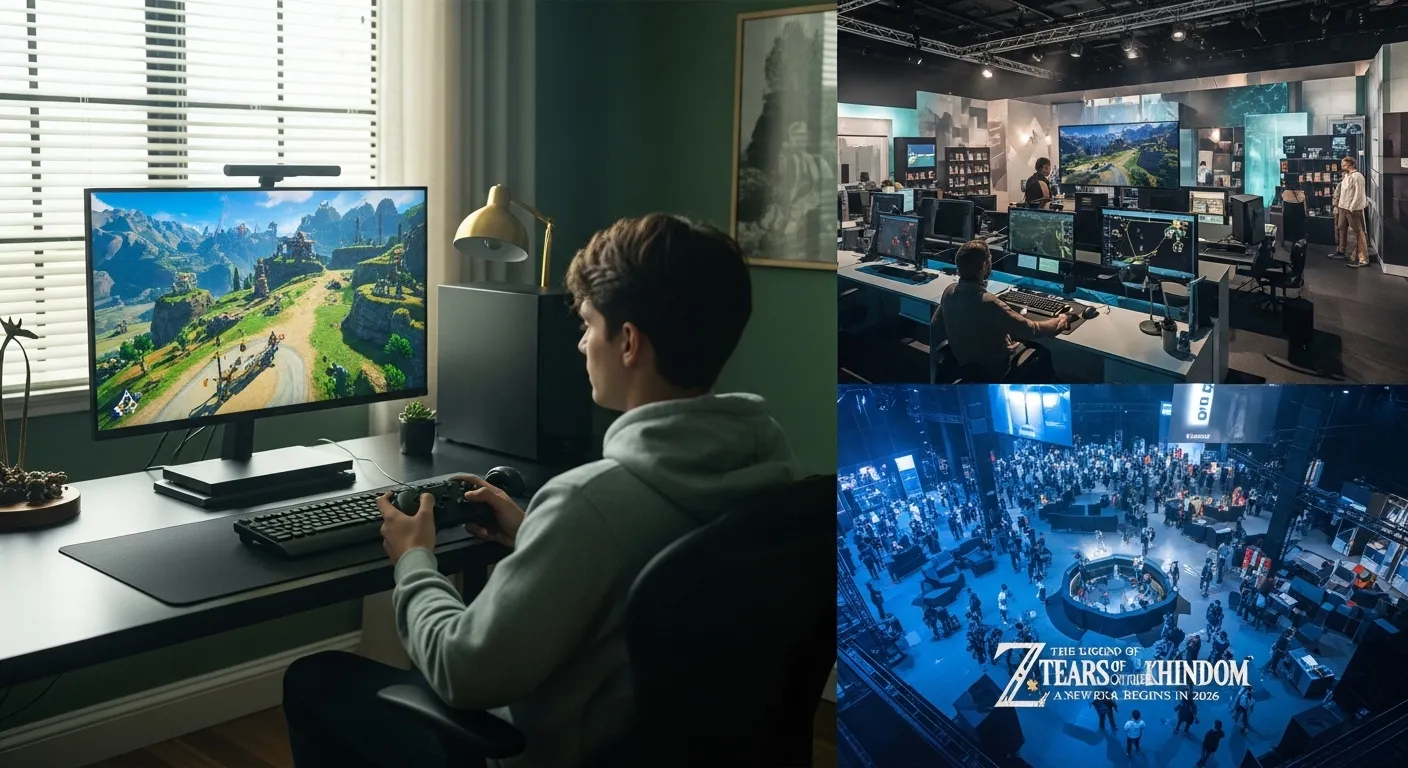
Zelda is not usually seen as an esport, but it still has a real competitive side through speedruns, challenge runs, combat mastery, and content creation. That is where the technical upgrades start to matter more. Nintendo’s official description says the upgraded editions include better resolution, higher frame rates, HDR support, and faster load times. On paper, that sounds pretty simple. In actual play, though, those changes often show up in how each moment feels, which is probably what most players notice first.
Upgrade your adventures in Hyrule on the Nintendo Switch 2 system! Jump back into the Legend of Zelda: Breath of the Wild and The Legend of Zelda: Tears of the Kingdom games, now with enhanced resolution, increased frame rates, HDR support, and faster load times.
For streamers, the difference is pretty easy to see. Cleaner image quality can make compression look less harsh, while faster loading helps live broadcasts keep moving instead of dragging between segments. Better frame delivery also helps when someone is teaching building mechanics, combat tricks, or traversal routes, because stutter is less likely to break up what viewers are trying to follow. The same general benefit carries over to YouTube creators putting together guides, cinematic edits, lore explainers, or other video projects, especially when footage gets edited later.
There is also a gameplay benefit here for advanced players. More stable performance can make parries, air movement, aiming, and Fuse-heavy combat scenes easier to read when everything gets busy. It may seem minor at first. Still, it does not suddenly make Zelda play like a fighting game. What it usually does is give players a more reliable setup to practice in and react within. That helps explain why the Switch 2 version can feel like more than a simple re-release. It feels closer to a polished second life for one of Nintendo’s biggest games, and in many cases that seems to be what players are reacting to.
If tracking how major releases change over time is part of the appeal, this also fits with other modern sequel watchlists, including Death Stranding 2 News: Gameplay Insights & Predictions, where platform shifts and presentation upgrades shape what players expect.
What the 2026 The Legend of Zelda Releases Seem to Be
This is where the headline mix-up really starts. Some reports have worded things in a way that makes it sound like Nintendo announced a completely new The Legend of Zelda: Tears of the Kingdom release for 2026. But based on what’s actually been reported, it probably points to something much smaller. The clearest 2026 references seem connected to a Zelda amiibo and a companion book, not a brand-new game.
One item being reported is The Legend of Zelda: Tears of the Kingdom, Mineru’s Construct amiibo. The coverage points to a release date announcement on September 17, which is pretty specific, and it also mentions compatibility across several Zelda titles. Another reported item appeared through entertainment coverage as The Legend of Zelda: Tears of the Kingdom, Secrets of the Zonai, described as a 424-page hardcover book with an October 2026 release window. That amount of detail usually makes the claim feel more solid.
That is still meaningful news. Instead of letting Tears of the Kingdom fade into the background after the Switch 2 upgrade cycle, Nintendo seems to be keeping it active through related products. For fans who care about lore, collecting, or design work, that kind of expansion can matter a lot. A detailed art or lore book could add more context around Zonai architecture, worldbuilding, visual themes, and maybe even cut ideas, which fans often enjoy looking through. Amiibo support could also help keep attention on the game through cosmetic unlocks, cross-title bonuses, or other small extras. Small, yes, but still interesting.
Even so, that is very different from announcing a new sequel. Right now, the reporting available points to 2026 being more about the ecosystem around Tears of the Kingdom than a surprise new mainline Zelda launch. The bigger picture seems pretty clear. This looks much more like support material than a major new game reveal.
What Digital Foundry’s Analysis Tells Us About Nintendo’s Strategy
Technical analysis often points to bigger business choices. In this case, the Switch 2 version of Zelda suggests Nintendo is being more deliberate about keeping major first-party games relevant for longer on newer hardware. That stands out because the original Switch era produced several huge titles, and those games still reach big audiences. So instead of replacing them right away, Nintendo can improve them and extend their value over time, which usually makes sense. In many cases, that means keeping big games active on newer systems instead of leaving them behind on the first Switch.
Thomas Morgan’s analysis made that especially clear. He pointed to the visual upgrades, but he also showed how the newer hardware smooths out some of the original game’s biggest performance drops. That matters a lot for Tears of the Kingdom, since so much of what defines it depends on complex systems working smoothly together. Ultrahand building, physics chains, particle effects, sky-to-surface travel, and large combat encounters all put serious pressure on the hardware, and the slowdown is noticeable when those moments pile up.
Both get a host of highly practical upgrades: boosted resolutions, a push to 60fps, improved visual settings, snappier loading times, HDR
The phrase ‘highly practical’ says quite a bit here. These are not just flashy feature bullets. They change how the game feels to play, especially when movement or larger system-heavy moments run more smoothly. That also makes the game easier to come back to, because the experience is less limited by older hardware. At the same time, it helps Nintendo keep Zelda positioned as evergreen premium software rather than something stuck on aging hardware.
That same approach could affect other franchises too. If Nintendo keeps handling platform transitions like this, players may start to expect more upgrade paths instead of paying full price all over again. That could be a real shift. For creators and tech enthusiasts, it also means Nintendo news is increasingly focused on ecosystems, services, backward value, and support across devices.
ZELDA NOTES Could Quietly Change How Players Revisit Hyrule
The easiest thing to miss in this story might be ZELDA NOTES. At first glance, app-linked help tools can seem pretty minor, and it’s easy to ignore them. But once people are actually playing, they could change how players come back to one of Nintendo’s most open-ended worlds. Nintendo says the feature includes shrine and Korok navigation, previously untold character stories, and Autobuild blueprint sharing. That mix stands out because it helps very different players in very different ways.
New and returning players get a clearer way back in, while completionists get neater ways to track shrines and Koroks. Lore fans get more story details to look at. Builders get easier tools for sharing what they make with other players online. That feels especially relevant in 2026, because games usually don’t live only inside cartridges anymore. They also live in communities, clips, app features, and in the ways people often find things through other players online, which is probably just normal now.
This also creates new options for streamers. Hidden content can become the basis for challenge runs. Shared blueprints can be tested live, and navigation helpers can be compared with no-guide runs. For casual players, the feature reduces friction without fully removing discovery. That seems like a smart balance. Nintendo isn’t turning Zelda into a checklist machine. It’s simply making it easier to jump back in after being away for a while.
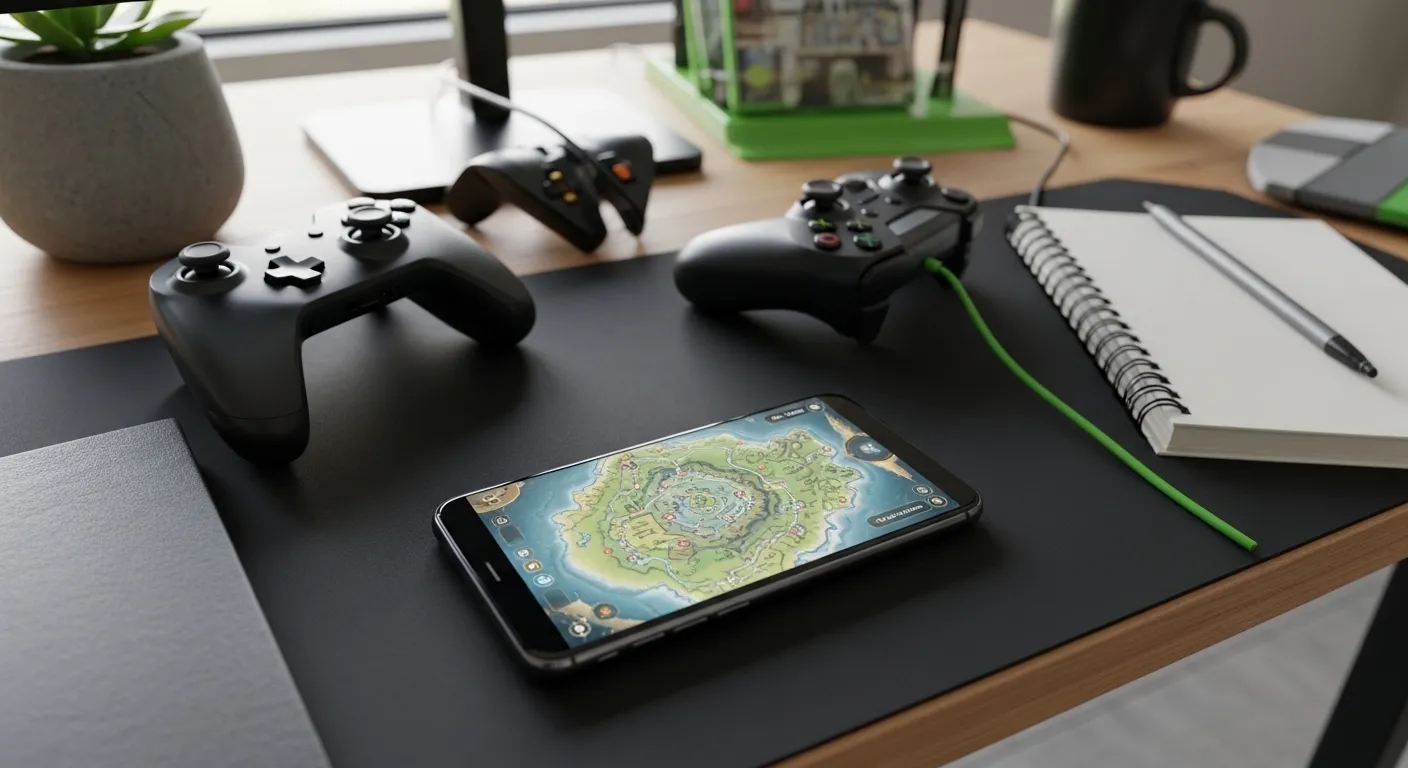
It also fits a broader games trend, where support tools now sit around the main experience instead of existing only inside menus. So if Nintendo keeps building systems like this, future Zelda releases may feel a little less isolated and more connected to the habits players already have beyond the console, especially on phones and online.
Why The Legend of Zelda Franchise Still Has Huge Momentum Heading Into 2026
Even without a brand-new sequel announcement, the legend of zelda is still in a really strong place. It has something many long-running series usually struggle to keep: cross-generational relevance. Older fans bring nostalgia, while newer players still have modern ways to get into it. Hardware fans also have a polished benchmark title on Nintendo systems, which honestly still matters here. Lore fans are part of that too, and they may also have possible 2026 books and collectibles to keep an eye on.
That kind of reach keeps Zelda in gaming conversations even during quieter release windows. Nintendo does not need a full reveal every year to stay visible. A strong hardware upgrade, a few extra app features, and supporting products like books or collectibles are often enough to keep people interested while the company takes its time with whatever comes next. So even when things seem quiet, the series is still active and still around.
Anyone who follows big franchise cycles will probably recognize the pattern. Major publishers often rely on a mix of technical refreshes, side products, and community engagement to keep momentum going between major releases. In many cases, that is simply how big series stay visible for longer stretches. Zelda now works more like a modern entertainment ecosystem than a simple single-game franchise.
If you like thinking about where long-running series might go over time, The Legend of Zelda Future: Beyond the Master Sword fits naturally here because it looks at where the series could go next in theme, identity, and design, which is arguably the most interesting part.
What This Means for Hardware Buyers and Returning Players
If you skipped Tears of the Kingdom the first time around, the Switch 2 Edition likely feels like a much better place to start than before. It’s a version that matches more closely what the game was clearly trying to be. The world runs more smoothly, load times are less frustrating, and the better image quality helps as well. For a lot of players, that mix can be the difference between admiring a game from afar and actually wanting to sit down with it for hours.
For people who already own the game, the reported $10 or £8 upgrade path is a big part of the appeal. It’s pretty simple, and compared with buying the whole thing again, it’s a much easier sell. That can matter a lot for anyone keeping a close eye on their console budget. In many cases, a smaller upgrade fee for a major first-party release usually feels like one of the more reasonable upgrade options out there right now.
There’s also a comfort factor. Big open-world games can start to feel tiring when they’re huge and also a little rough technically. A more stable version, along with app-linked support tools, can make the experience feel less draining, especially during longer sessions. That tends to matter most for players who enjoy exploring but don’t want extra hassle. It also gives hobbyists a smoother setup for capturing footage, testing hardware, or making content without spending ages dealing with uneven performance.
As a broader strategy, this fits the kind of trend gaming sites like Now Loading are built to track: what launches, and how games keep changing after release through hardware, services, and player behavior.
Frequently Asked Questions
Based on the current verified information, there is no strong evidence of an officially announced new game called ‘A New Era Begins in 2026.’ The strongest confirmed news is the 2025 Switch 2 Edition, while 2026-related items appear tied to products like an amiibo or a companion book.
The biggest confirmed update is the Nintendo Switch 2 Edition that launched on June 5, 2025. It includes enhanced resolution, higher frame rates, HDR support, and faster load times, along with ZELDA NOTES features.
For many players, yes. If you care about smoother performance, faster loading, and cleaner visuals, the upgrade looks like a strong value, especially with the reported $10 or £8 upgrade path for owners of the original version.
ZELDA NOTES is a feature tied to the Nintendo Switch app that adds navigation help, story material, and blueprint sharing support. It matters because it makes returning to Hyrule easier and creates new ways for players and creators to interact with the game.
Fans should watch for official Nintendo updates on future hardware support, additional Zelda ecosystem products, and any signs of a full new mainline reveal. Until then, the smartest move is to separate verified announcements from hype-heavy headlines.
The Real Story The Legend of Zelda Fans Should Follow Now
The real headline isn’t that Nintendo suddenly announced a new Tears of the Kingdom sequel for 2026. What matters more right now is that the game has already moved into a different stage, thanks to hardware upgrades, smoother performance, and added support features that make it feel fresh again, which is honestly the bigger change here. It’s easy to notice. There are also signs of 2026 companion releases, and that probably suggests the franchise is still growing even without a brand-new mainline game.
Here are the key takeaways:
- The confirmed major update is the Nintendo Switch 2 Edition from June 5, 2025.
- The biggest upgrades are practical ones like frame rate, HDR, load times, and resolution.
- Reported 2026 Zelda releases look more like collectibles or publishing projects than a new full game.
- ZELDA NOTES could end up being one of the most useful tools for players coming back.
- It may also be useful for creators.
- This still matters as Nintendo news, especially for streamers, hardware-focused players, and lore fans.
If you’re thinking about your next Zelda playthrough, this is probably a really good time to return to Hyrule, especially if performance matters to you. And if you follow the franchise over time, it’s worth watching the gap between official Nintendo confirmation and headline-driven speculation. That gap often matters more in situations like this. From this angle, that’s usually where the smartest gaming coverage begins. For a broader comparison to another hype cycle, we covered something similar here: GTA VI Anticipation Index: Latest News, Speculation & Gameplay Feature Predictions, where keeping rumors in check matters just as much as the excitement.

![[PRODUCT FIDELITY — TOP PRIORITY: A reference image shows a real product. Reproduce that product EXACTLY as in the reference: identical packaging shape, label layout, logo, typography, wording, and colors. Do NOT redesign, restyle, translate, relabel, blur, crop out, or invent any text or branding. Treat the product as a pixel-faithful copy of the reference; only its position, angle, and lighting may adapt to the scene.]
[SCENE VARIETY — IMPORTANT: Keep the product itself pixel-faithful, but build a DISTINCT, article-specific scene around it. Fully honour the environment, composition, camera angle, lens, mood, and colour direction described in the SCENE below. Vary the setting, background, supporting props, framing, and where the product sits in the frame from one article to the next — do NOT default to a plain studio backdrop or a centred hero product shot.]
Reference image 1 (subject): Feature this exact product, placed naturally within the scene (it need not be the sole subject). Reproduce the product itself PRECISELY from the reference image — identical packaging shape, label layout, logo, typography, wording, and colors. Do NOT redesign, restyle, relabel, or invent any branding or text.
SCENE: Create a photorealistic, high-quality photograph with natural lighting and realistic textures. Shot with professional camera equipment. A photorealistic gaming room with a single PC player focused on Terraria on a widescreen monitor, desk lit by soft natural window light, realistic keyboard, mouse, headset, and subtle green-blue ambient tones. The scene should feel organized and strategic, with realistic textures on wood, fabric, and metal, and a calm but focused mood suitable for a game guide hero image, no text. Set in a indie game development space with a immersive exploration atmosphere. Feature headset with LED lights prominently in the scene. Use a tech inspired neon color scheme with layered visuals with character guides composition. Shot from a low angle for dramatic effect using a telephoto for capturing esports events. Apply dynamic color grading to the overall image. The image should clearly relate to Terraria Guide: Mastering the Best Strategies for 2026. IMPORTANT: Do not include any text, words, letters, numbers, or written content in the image. Focus on visual elements only.](/_next/image?url=https%3A%2F%2Fseozillastorage.blob.core.windows.net%2Fimages%2Fusers%2F262%2Fcompressed%2Fterraria-guide-mastering-the-best-strategies-for-2026-593706.webp&w=3840&q=75&dpl=dpl_5Lc1LoSDNV93FxCafsp45cWEAeaS)