
TLDR; The Legend of Zelda’s 40th anniversary highlights how the series has quietly shaped modern gaming through exploration-driven design, emotional storytelling, and timeless symbols like the Master Sword. Nintendo’s low-key, fan-focused celebration emphasizes legacy over hype, including a new Master Sword release that reflects strong collector culture and nostalgia. Zelda continues to influence indie and AAA game design, remains relevant for streamers and creators in 2026, and has expanded its global reach through accessibility and inclusion. The takeaway is that Zelda’s lasting impact comes from consistency, respect for players, and design philosophies that still guide the future of games.
The Legend of Zelda is more than a game series. For millions of players, it feels like a shared memory that never really left (you probably know that feeling). Something familiar and calm. Over the last 40 years, it has shaped how people explore worlds, solve puzzles, and connect with games in a personal way that most franchises don’t reach. In 2026, the series hits a rare milestone. The 40th anniversary is here, bringing reflection, real excitement, and one symbol that keeps coming back. That symbol is the Master Sword, and it’s returning for a reason.
For many players between 18 and 35, Zelda has often lived quietly in the background. Maybe it began by sitting next to an older sibling, watching them play without saying much. Maybe Breath of the Wild was the first open world that truly pulled you in and made wandering feel natural instead of forced, a feeling people tend to carry with them. Or maybe Tears of the Kingdom showed how flexible systems can replace strict rules and still stay fun. However someone found their way in, the series likely changed how they see games, at least in my view.
Instead of focusing on sales numbers, this article looks at what has kept The Legend of Zelda special for four decades. It looks at what the 40th anniversary really means, why Nintendo seems to be marking it in quieter, more thoughtful ways, and how the new Master Sword release fits into modern gaming culture. There’s no big spectacle, and that choice feels deliberate. Along the way, it connects Zelda to current trends like streaming, accessibility, mental wellness, and even hints at what future hardware might support.
This isn’t just about nostalgia, especially for people who play competitively, make content, or care about game design. Zelda still matters because it keeps shaping where games go next, sometimes in small moments, like letting a player wander off the path and trust their curiosity.
Forty Years of The Legend of Zelda and Why It Still Matters
The Legend of Zelda launched on February 21, 1986. Back then, most games were pretty simple and rigid. Stories were light, and exploration usually stayed inside clear limits. Zelda went in a different direction almost right away. Players were dropped into an unfamiliar world with very little guidance and expected to explore, get lost, write notes, and learn by trying things out (which often felt risky at the time). There was no step-by-step help. Progress came from curiosity and patience, with players figuring things out for themselves.
That early choice shaped the series. From the NES original through Ocarina of Time, Wind Waker, Breath of the Wild, and Tears of the Kingdom, Zelda kept finding new ways to reward curiosity. Players were encouraged to notice small details, try odd ideas, mess up, and try again (sometimes many times). Moving forward usually came from paying attention, not from following a checklist. It’s a simple idea, but it worked especially well here.
That way of thinking still works today. Many modern indie games clearly borrow from Zelda’s structure and feel. You can see it in open areas that connect back to each other, puzzles that explain very little, tools that interact with the world in unexpected ways, and systems that allow more than one solution. Even competitive players often mention Zelda as a way to build spatial awareness and problem-solving over time, not just quick reflexes.
Zelda stays relevant because each era reshapes these ideas. Ocarina of Time changed how 3D movement, targeting, and camera control felt. Wind Waker focused on emotion and expressive visuals instead of realism, which was a risky move then. Breath of the Wild dropped fixed dungeon order and pushed free roaming. Each risk led to different results, and each left a mark.
The 40th anniversary matters because most franchises don’t last this long without fading. Zelda didn’t fade. It adapted, tried new things, and kept its sense of wonder. Still curious. Still inviting players in.
| Milestone | Details | Year |
|---|---|---|
| Franchise debut | Original release in Japan | 1986 |
| 40th anniversary | Global celebration year | 2026 |
| Modern era peak | Breath of the Wild and Tears of the Kingdom | 2017, 2023 |
The table shows why 2026 stands out. Forty years isn’t just a number. It points to real influence across generations. Very few series stay relevant from arcade-era roots through 3D worlds, online culture, and today’s streaming-focused space, where many others fall apart. That kind of staying power is rare.
It has been forty years since the world first heard those iconic opening notes and stepped into the shoes of a small boy in a green tunic.
That quote captures the feeling behind the anniversary. The Legend of Zelda isn’t stuck in the past. People still play it, stream it, mod it, speedrun it, and talk about it every day in communities around the world. To me, that ongoing conversation says a lot about why the series still matters.
The Legend of Zelda 40th Anniversary Approach: Quiet, Smart, and Fan-Focused
Some fans were expecting fireworks. Others were hoping for a brand-new mainline game, or at least a flashy remake to mark the anniversary. Nintendo went a different way. So far, the 40th anniversary has felt less like a huge event and more like a steady, ongoing celebration, and that seems very intentional (even if it caught some people off guard). There are no surprise reveals here. Instead, there’s a calm, consistent approach that doesn’t ask for attention, it just stays around.
That choice fits well with Nintendo’s current plans. The most interesting part is what didn’t happen: there was no rush to push out new releases. The company is letting its strongest games breathe, and really breathe. Breath of the Wild and Tears of the Kingdom keep selling, getting streamed, and inspiring fan art, along with those long discussion threads that never quite end (you’ve probably scrolled past a few). There’s no pressure, and that relaxed pace often works out better for everyone.
Accessibility is another quiet focus. In 2026, both games got Thai language support updates. It sounds small, but it can make a real difference. Updates like this show long-term care and a wider idea of who these worlds are meant for, not just the usual crowd.
A slower pace also avoids stepping on existing communities. Speedrunners benefit from stability. Lore fans get time to explore details, sometimes a bit too much. Casual players can enjoy the games without feeling chased by nonstop news. Engagement builds slowly, and it tends to stick.
For streamers and creators, this rhythm supports steady output. Retrospectives sit alongside challenge runs, plus the occasional physics experiment that goes completely off the rails. Zelda feels familiar, but there’s still space for strange, creative side paths.
For related insights on gaming trends, see Best Nexus Mods for Oblivion Remastered: Canvas the Castle Oblivion, which explores community creativity. Additionally, you can learn more about Nintendo’s official anniversary announcements on Nintendo’s website.
Nintendo also seems to be saving bigger news for a hardware change. With Switch 2 coming up, spacing out Zelda updates keeps interest going without wearing people down. Smart, quiet, and usually effective.
The Master Sword: A Symbol That Outgrew the Screen
Very few weapons in games are instantly recognizable, and the Master Sword is one of them, mainly because players have run into it so often over the years. It’s more than a powerful blade or a pile of damage numbers. It usually feels like a promise, quiet and serious. Pulling it from its pedestal tells you the story is moving forward, at least from this point on.
From a gameplay view, the Master Sword often represents balance instead of pure power. It hits hard, but it asks players to slow down and think, which helps it stand out. In Breath of the Wild, this idea becomes very clear. The sword has real limits. It needs rest and has to recharge before you can rely on it again, so nonstop button-mashing isn’t the goal.
Outside of mechanics, the Master Sword works as story shorthand. When it appears, something is about to change, usually right before the stakes go up. The music rises, the lighting shifts, and most players know what’s coming next.
| Attribute | Value | Game |
|---|---|---|
| Base power | 30 | Breath of the Wild |
| Boosted power | 60 near Malice | Breath of the Wild |
| Hearts required | 13 | Breath of the Wild |
| Fully upgraded | 60 base | Trials |
These numbers matter most to competitive and challenge-focused players, especially those who like pushing systems and testing their limits.
The Master Sword is one of the most iconic weapons in gaming history.
Still, its reputation goes far beyond stats. It’s shaped by story moments, memorable sound design, carefully timed animations, and symbols repeated across four decades.
The New Master Sword Release and Collector Culture
In 2026, the Master Sword returned to the real world in a way that was hard to miss. First 4 Figures released a life-sized Decayed Master Sword based on Tears of the Kingdom, and the news spread fast. People noticed right away, mostly because this isn’t subtle or easy to overlook.
At $599.99, it’s clearly meant for display, not play, and the price sets that expectation from the start. Nintendo and its partners are aiming at adult fans who grew up with Zelda and now spend money on high-end collectibles for shelves, home offices, or studio setups, the kind you often see on streams. To me, that choice feels very deliberate and fairly personal.
Collector culture is now a big part of gaming fandom. Limited runs create pressure to buy quickly, and official licensing adds status. For many fans, these pieces become small, personal collections that help keep gaming history visible, on shelves, in offices, or right behind a desk. You can see similar fan dedication explored in Oblivion Remastered Combat Mastery: Modern Player Strategies. Moreover, IGN’s collectibles review offers additional insights into fan reactions.
This trend keeps appearing across gaming. Physical items work as emotional anchors in an increasingly digital hobby. Vinyl soundtracks and art books sit beside statues, reminding fans there’s still meaning in things you can hold and put on display.
For content creators, collectibles easily turn into content. Unboxings, studio tours, and background setups blend into streams, and a Master Sword in the frame can quickly show what kind of gamer someone is, without saying anything.
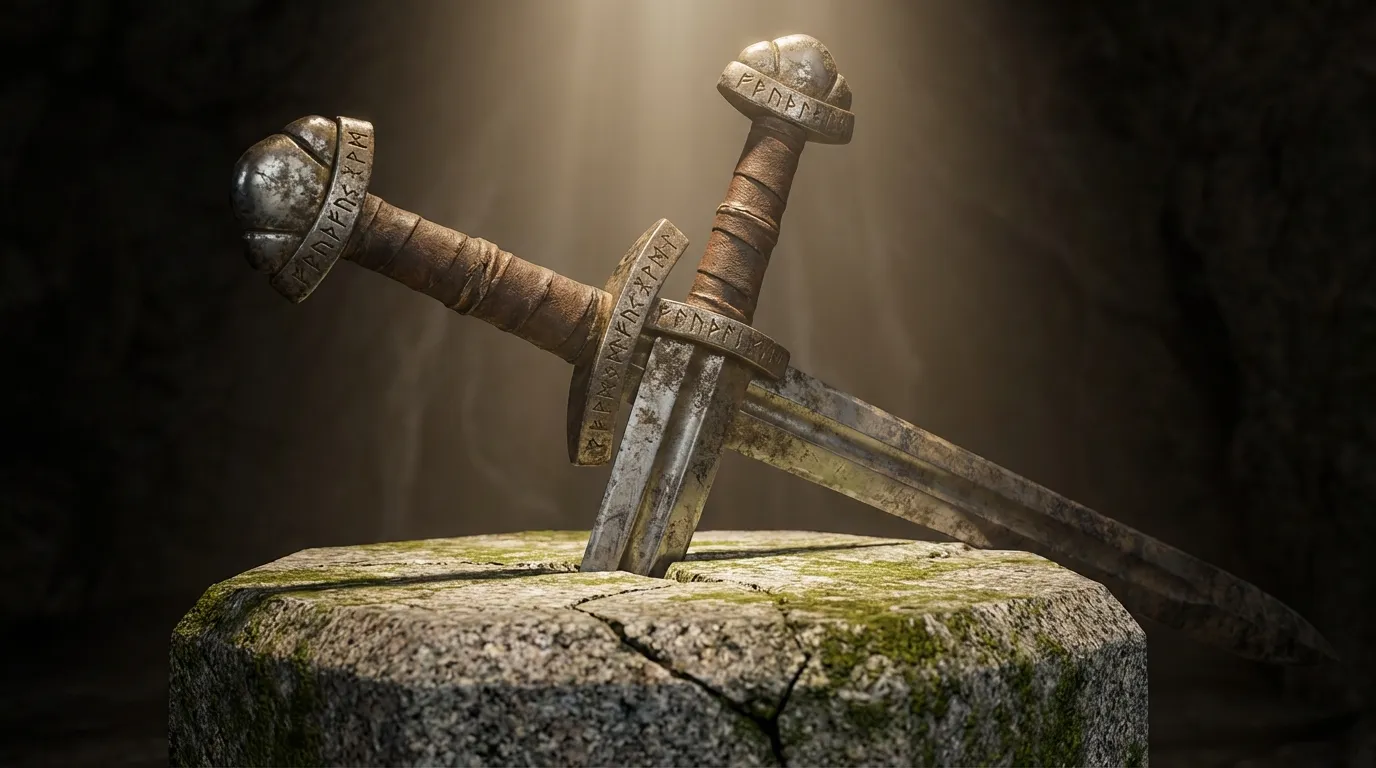
The Decayed design matters as well. It leans toward a more grown-up tone. Zelda has aged with its audience, and the sword looks worn and used, carrying visible history instead of pure nostalgia.
The Legend of Zelda Influence on Modern Game Design and Indie Games
Zelda’s biggest legacy is easy to miss. It often lives inside other games, shaping how their systems work instead of calling attention to itself (most players don’t spot it right away). Indie developers often mention The Legend of Zelda as a design north star, especially when talking about freedom and letting players explore without constant direction. I think that trust is where the real magic usually shows up. It doesn’t need attention, and it often works better when it stays quiet.
Some of the core ideas Zelda helped spread still appear all over modern games:
- Tools that can be used in many ways and stay useful long after their first puzzle
- Worlds that reward curiosity, especially when players wander off the main path
- Very little hand-holding, so learning comes from trying things out
- Environmental storytelling, where spaces, ruins, and enemy placement explain the world on their own
Breath of the Wild pushed this style further with physics-based systems. Fire spreads through grass and wood. Wind affects movement and combat in ways you can feel. Objects interact naturally, sometimes creating long chains of cause and effect by accident. These ideas now show up in indie hits and smaller projects that focus more on systems than scripted moments. Quietly impressive, in my view.
Games like Tunic and Death’s Door clearly borrow Zelda’s look and structure, then reshape it with tighter scopes and very specific moods. Even games far outside the adventure genre use Zelda-style discovery loops and player-paced progress, just applied differently.
If deep guides and system mastery are your thing, we wrote about that here: Game Walkthroughs: The Legend of Cyber Cowboy Guide. It looks at another modern take on layered progress and discovery, with clear examples.
Zelda also tends to respect player mental wellness. There’s rarely constant pressure to rush. The music stays calm, and failure usually feels gentle instead of harsh, which makes longer play sessions feel welcoming.
Streaming, Content Creation, and Zelda in 2026
Zelda stays a streaming favorite for a simple reason: it keeps creating moments people actually want to clip and share, often without planning to. It happens again and again, and it never feels forced.
Out of nowhere, physics breaks take over the screen. Smart ideas appear when players aren’t trying to be smart. Speedrun skips ignore the rules completely. That kind of chaos spreads fast, and it usually feels real instead of staged, which is why it travels so well online. You can usually tell when a moment is genuine.
What makes this work for new streamers is how easy it is to jump in. Viewers don’t need deep lore to follow what’s happening. Clear visuals and obvious goals help, and people dropping in mid-stream can keep up without homework.
Zelda content also ages well. A shrine guide made today can still get views months later. That long-tail traffic often helps smaller channels grow without posting nonstop.
By 2026, algorithm-driven platforms tend to reward consistency more than surprise hits. New moments still appear, but steady uploads usually win. Zelda fits right into this, with playthroughs, short clips, and livestream highlights all working together naturally.
We covered a similar idea here: From Retro to Reboot: Why Tony Hawk Remasters Work.
Accessibility, Inclusion, and Global Reach
Nintendo’s recent language updates point to a real shift, at least to me. Accessibility usually isn’t optional anymore, and here it shows up in small, practical ways. It matters that Zelda reaches more players, you included, by welcoming a wider audience and offering more ways to play, without turning it into a big show.
What stands out first? The game often leans on clear visual cues and flexible difficulty handled through systems instead of sliders. One helpful approach is how these choices tend to support players dealing with anxiety, mental overload, or physical limits. It works quietly, and that kind of restraint often feels more respectful.
Zelda also avoids heavy text walls. The story moves forward through actions and visuals, which usually lowers friction for global audiences who don’t share the same language. As gaming grows in emerging markets, intuitive design becomes more important. That’s why clear guides, like Max Level Oblivion Remastered Guide: Complete Progression, are often the most reliable way to explain complex systems step by step.
What the 40th Anniversary Signals for the Future of The Legend of Zelda
The quiet approach is what stands out. Nintendo is clearly playing the long game, and the low-key 40th anniversary feels like confidence, the kind that doesn’t need to be loud. Zelda rarely gets much value from nonstop hype. More often, it does better with steady care over time, especially for people who plan to stick with the series.
Big, shared moments are probably still ahead. Industry analysts often expect concerts or Direct presentations tied to theme park tie-ins, events you can attend or stream. These usually reach beyond longtime gamers, so it’s not just the core audience tuning in.
Hardware matters too. A stronger Switch follow-up could allow higher frame rates, better physics, and smoother streaming, helping gameplay feel cleaner and less choppy.
Looking ahead, future Zelda games may look at adaptive difficulty, better accessibility, and community tools, while keeping the single-player focus that still matters most to fans like you.
Frequently Asked Questions
The Legend of Zelda turns 40 on February 21, 2026, tied to its 1986 Japan release, which feels pretty wild, when the very first game launched back then.
As of 2026, Nintendo hasn’t announced a new Zelda game for the anniversary. The company usually focuses on celebrations instead, like collectibles (the usual stuff) and updates tied to those plans.
This release is a life-sized Decayed Master Sword collectible based on Tears of the Kingdom, and yes, it’s probably big. Made by First 4 Figures, it’s for adult collectors, so you’re likely the target.
The Master Sword often shows balance tied to destiny, in my view, and sits at the center of Zelda’s story and gameplay across the series. It’s usually a turning point; when it appears, things tend to change pretty fast.
Popular formats still get clicks, and overall reach often holds up across platforms for creators. Zelda content stays relevant, arguably driven by emergent gameplay and the kind of viewer nostalgia that tends to stick.
Why The Legend of Zelda’s Legacy Still Shapes Gaming
Forty years later, The Legend of Zelda is still quietly teaching the industry a few lasting lessons. At the heart of it is trust. The series asks developers to trust players and respect their time. In return, it rewards curiosity through small, thoughtful systems instead of stacking on features. Players tend to notice this while exploring, even if they can’t always explain why. These ideas aren’t loud or flashy, which is often why they stick.
The 40th anniversary itself has stayed fairly low-key, and that feels on purpose. The new Master Sword release points to how symbols can mean more than what’s on screen or tied to marketing. It feels more like a shared memory than a product. It connects with people who grew up with the series and with a franchise known for exploration, patience, and discovery.
Zelda’s influence goes far beyond sales numbers. You can see it across genres where exploration matters and discovery isn’t rushed. There’s no noise. These ideas last because they focus on human curiosity instead of mechanical overload.
For gamers and designers, Zelda still comes up as a reference point. It also quietly shows that innovation doesn’t always mean complexity. Sometimes it’s clear ideas players feel right away. Simple. And lasting.