
Nintendo enters 2026 with one of its biggest legacy moments yet: the legend of zelda is turning 40. That anniversary lands on 21 February 2026, four decades after the first game launched in Japan. For fans, creators, and people who study gaming history, that makes this more than just a birthday. It feels like a big industry moment, which usually does not happen in such a clear real-time way. Nintendo is celebrating a series that helped shape adventure games, open exploration, puzzle design, and that feeling of discovery in hidden caves, dungeons, and overworld maps that so many modern titles still try to match. At the same time, the latest reporting says Nintendo has not officially announced a new mainline Zelda game for 2026, which makes every rumor, remake theory, and anniversary prediction seem even louder.
That mix of legacy and uncertainty is why the story matters right now. This year brings memory, energy, and a lot of curiosity with it. Longtime players are replaying old favorites, while newer fans are asking where the franchise goes after Tears of the Kingdom. Streamers are also getting plenty to work with from rankings, retrospectives, challenge runs, and the usual anniversary debates that already seem to be everywhere. Developers still often use Zelda as a blueprint for level design and player freedom, especially in the way it guides exploration and rewards experimentation. The series is still relevant for a reason. In this article, we’ll look at why the anniversary matters, what the latest facts actually say, how the franchise shaped gaming, what fans might reasonably expect next, and what this could mean for Nintendo’s future.
Why The Legend of Zelda’s 40th Anniversary Is Big News Right Now
The main reason is pretty simple: 2026 is the official anniversary year. On 11 February 2026, BBC Newsround reported that ‘The Legend of Zelda franchise is celebrating its 40th anniversary!’ The same report also confirmed the original release timeline: ‘The first Zelda video game was released in Japan on 21 February 1986, but wasn’t released in the US and Europe until 1987.’ Those dates matter because they put Zelda in a pretty small group of game series that are still active after four decades and still near the center of gaming culture, especially in Japan, the US, and Europe.
The Legend of Zelda franchise is celebrating its 40th anniversary!
A lot of game franchises last for years, but not many stay this relevant across so many hardware generations, which is pretty rare. Zelda has gone from the Famicom Disk System to portable handhelds and motion-control eras, then on to hybrid consoles and now into a new phase of next-gen expectations. Even with all that change, it still somehow feels like Zelda. That seems to be a big reason people still care. Long-running series often either stop changing or shift so much that they no longer feel familiar.
BBC also noted that the franchise has sold more than 156 million copies worldwide, and that helps show why this anniversary is bigger than simple nostalgia. It is a business story, but also a culture story. At the same time, it says a lot about design, since Zelda games often shape how people talk about exploration, puzzles, and the structure of adventure games.
| Zelda milestone | Detail | Why it matters now |
|---|---|---|
| First release in Japan | 21 February 1986 | Sets the official 40th anniversary date in 2026 |
| Western release window | 1987 | Shows Zelda's global rollout and long-term growth |
| Series sales | 156 million+ | Proves Zelda remains one of Nintendo's biggest brands |
| Movie timeline | 2027 | Shows the franchise is expanding beyond games |
Those numbers also help explain why the coverage feels so immediate this year. Fans are celebrating older games, but that’s only part of it. They’re also watching closely for signs that Nintendo could use this moment for remasters, ports, collector releases, or maybe a major reveal, and probably not a quiet one. That’s a big part of why so many people are paying attention right now. If you’re following Zelda news, you can probably already feel that build-up. Btw, we wrote about that here: The Legend of Zelda 40th Anniversary & Master Sword.
The Legacy Behind The Legend of Zelda
To understand why the anniversary is trending, it helps to look at what Zelda actually changed. The early games let players explore without constant hand-holding, which was a pretty big deal at the time. You could get lost, wander into danger too soon, or find a secret in a cave, dungeon, or side path just because you were paying attention instead of following an on-screen arrow. That style still shapes a lot of adventure games, and you can still feel it in plenty of them today.
The series also kept changing itself at key moments. A Link to the Past refined the action-adventure formula with tighter combat, a clearer world structure, and the Light World/Dark World setup. Ocarina of Time helped set the standard for 3D lock-on combat and a more cinematic style of world design. The Wind Waker showed that Zelda could survive a major art-style change, even if that was a risky move. Breath of the Wild changed what many players expected from open worlds by trusting them to experiment with climbing, physics, and flexible problem-solving. Tears of the Kingdom pushed that further with creativity built around its systems.
That history matters in 2026 because Nintendo is celebrating more than the series simply getting older. It’s also recognizing the influence Zelda has had. Modern indie games borrow Zelda-like dungeon flow, item-based progression, environmental puzzles, and emotional pacing all the time. Even beyond direct clones, Zelda’s DNA appears in how many games build curiosity through hidden paths, strange landmarks, and small discoveries. It’s pretty much everywhere.
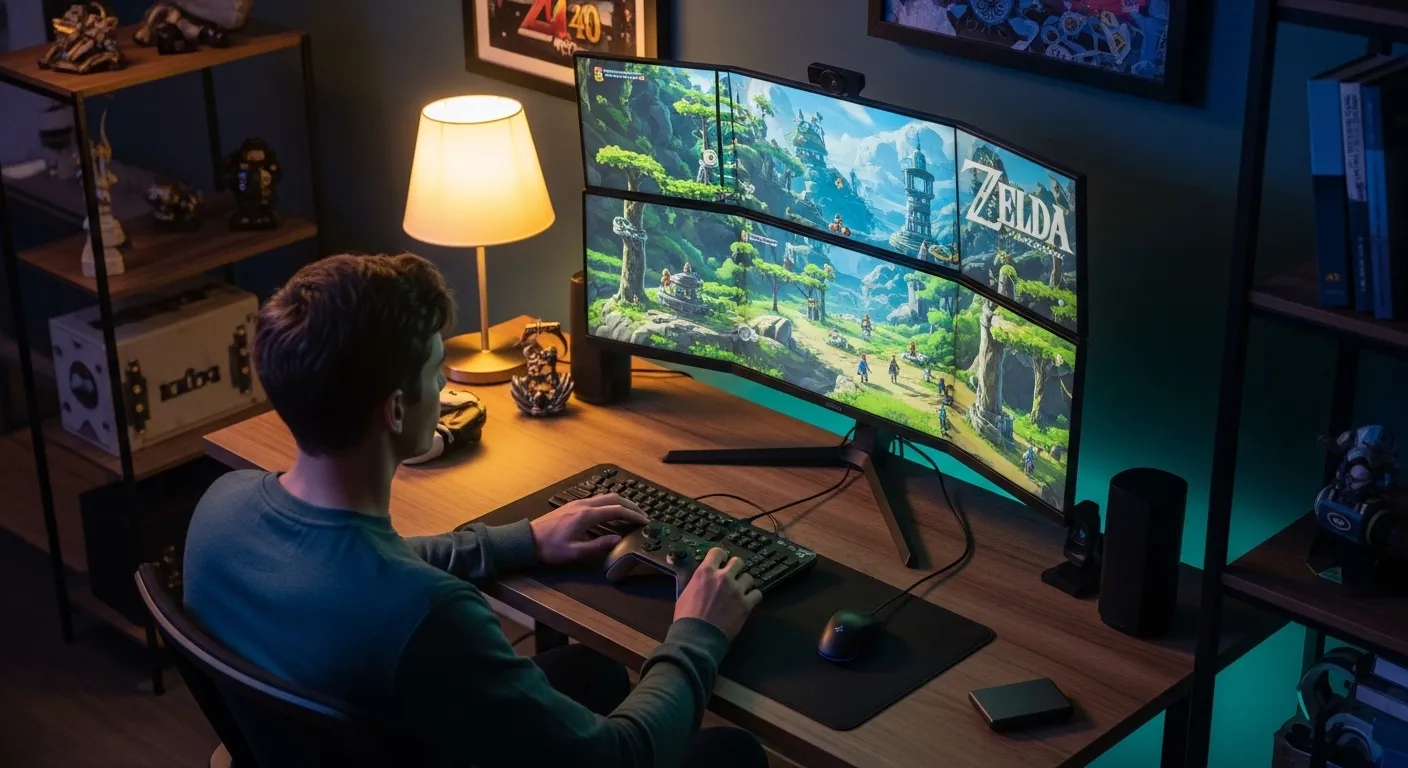
For content creators, that long history gives them a lot to use. Every Zelda era supports a different kind of video or stream, from speedruns and challenge runs to lore breakdowns, ranking videos, emulator-free legal replays on current hardware, and hardware comparison discussions. That likely explains why Zelda stays so visible, even between major releases.
What We Actually Know About New Releases in 2026
This is where the current news starts to get a little messy, which honestly is usually how these things go. Fans are hoping for a big reveal, but the reporting that has actually been verified is much more careful than a lot of social posts make it seem. Based on the research available right now, Nintendo has not officially announced a new mainline Zelda game for 2026. Mashable’s reporting matches that too, saying the 40th anniversary has created a lot of excitement without confirming any major flagship release.
That does not mean nothing is happening. It just means the safest way to read the facts is still pretty simple: the anniversary is real, the hype is real, and the official software roadmap is still unclear. That gap often helps explain why rumors about remakes, ports, and other possible releases move so fast and spread so widely.
Most of the speculation right now is about remasters, older games returning on newer hardware, and the idea that Nintendo could use the anniversary to support a new console cycle. Fans often point to Ocarina of Time, The Wind Waker, Twilight Princess, or even a broader legacy collection as the kind of release that would fit the moment, which is fair enough. Still, none of that should be treated as confirmation. At this stage, they are still guesses.
That matters in a very practical way for streamers and players with a competitive mindset. If there is not a brand-new mainline release right away, the Zelda creator economy usually shifts toward older games instead. Consequently, that creates more space for retrospectives, mod-free challenge runs, performance testing on current hardware, and plenty of debate about where the series should go next. So if Nintendo does announce something later in the year, creators who stayed active with Zelda history and lore will probably be in a good position to catch that momentum.
For readers watching next-gen trends, The Future of Gaming Hardware: Innovations to Watch in 2026 fits especially well here, because Zelda speculation is now closely connected to expectations around hardware.
Why Tears of the Kingdom Still Shapes the Conversation
Even in an anniversary year, Tears of the Kingdom still hangs over everything. It’s still the newest mainline Zelda game, and it changed how a lot of players think about freedom in game design. Instead of solving a puzzle in one fixed way, players could build things, combine ideas, improvise, and sometimes completely break the intended logic, which was often part of the fun. That systems-first design set a very high bar, and honestly, it still feels unusually high.
So when fans ask what should come next, they’re usually asking a few things at once. Should Nintendo keep moving toward sandbox creativity? Should it go back to a tighter dungeon structure? Or should the next game try to mix those ideas in a looser way? Technical scale is part of that too, along with pacing and performance, and yeah, people care about those things a lot now. Usually, it’s not really about one feature by itself. It’s about how all of it works together.
These questions matter because Tears of the Kingdom did more than just follow Breath of the Wild. It raised expectations around player expression far beyond where they were before. Future Zelda games will likely be judged on more than just story and map size. Players also want smoother performance, better accessibility options, cleaner inventory flow, and worlds that feel alive without feeling cluttered. Not overloaded. That feels like a pretty big shift, and it probably isn’t going away anytime soon.
That feels especially true for younger audiences who grew up with classic Nintendo design and modern quality-of-life standards at the same time. They want mystery, but not friction just for the sake of it. They want challenge, and they want options too. Moreover, they want games that feel good to stream, worth replaying, and easy to read on both handheld screens and large TVs, which really should be standard by now. Simple things, maybe. But still important.
If you’ve been following where Nintendo might take the franchise after this era, The Legend of Zelda Future: Beyond the Master Sword fits naturally into that discussion. It asks the same question hanging over the whole anniversary: how much should Zelda change before it stops feeling like Zelda?
The Movie, the Brand, and Zelda as a Cross-Media Giant
Another reason the 40th anniversary feels important right now is that Zelda is no longer just a story about game releases. BBC Newsround says an official Legend of Zelda movie is heading to cinemas around the world in 2027. That pushes the franchise into a much bigger entertainment cycle, which is a pretty major change. Nintendo is clearly treating Zelda as a long-term brand with value that goes beyond software sales alone, and probably beyond a single launch window too.
That broader push changes what an anniversary year can even look like. A big game reveal is not the only way to keep the brand active now. Nintendo can use film marketing, events, merchandise, soundtrack promotion, legacy collections, hardware tie-ins, and other smaller touchpoints to keep Zelda visible on store shelves, streaming platforms, and social feeds. For big series, that is often how they stay visible between major releases.
For the audience of Now Loading, this probably feels like a familiar pattern in modern gaming. Big franchises now exist across different channels. Games and movies feed into creator content, social media, and even hardware, which shows up quite often now. So Zelda’s anniversary is tied to celebration, brand growth, and whatever Nintendo wants to set up next. It is not only about one announcement anymore.
The cross-media side could also bring in new players who know Link and Zelda by image first and game history second. That makes classic re-releases even more useful. A movie can easily spark curiosity, and playable history gives people a reason to stay with the series through older games, collections, or hardware tie-ins. Nintendo has a rare chance to use the 40th anniversary to connect longtime fans with brand-new ones, without forcing a huge gamble or rushing out a risky mainline sequel.
What The Legend of Zelda’s History Teaches Modern Game Design
Zelda is still a useful case study in gaming history because it solves a tricky design problem better than most series: making exploration feel meaningful. Lots of games have huge maps, but not many make it feel like almost any direction might lead to something truly worth finding. That helps explain why the series still stands out.
Nintendo’s older Zelda games did this with fairly simple tools, which is still pretty impressive. Distinct landmarks made it easier to tell where you were. Smart item gates blocked certain paths until you got the right tool. Secrets stuck with you even when they were small, and there was usually a clear sense of risk and reward. Later games built on those ideas with richer worlds and a more cinematic style, but the core loop stayed mostly the same. You notice something unusual. Curiosity kicks in. You try an idea. Then comes that satisfying moment of figuring it out, and that is honestly a huge part of the appeal.
That design approach still matters for indie developers, especially teams making exploration-heavy games with smaller budgets. They may not have the resources for a giant world, but Zelda still has a lot to teach. One major lesson is that a strong secret should stay hidden while still leaving some kind of clue behind. In the same way, a good puzzle can be challenging, but it should also teach players how to handle similar problems.
The series also shows why restraint matters so much. Zelda games often leave room for silence, wonder, and slower pacing. They are small choices, really, but they often have a strong effect. In a market crowded with constant prompts and map markers, that can feel fresh again. That helps explain why many modern players come back to Zelda when they want something exciting that also feels mentally calming.
Developers thinking about where player-first design could go next may also want to watch nearby shifts in mixed reality and immersion, such as Immersive Gameplay: How VR Gaming Is Changing the Future, even if Zelda itself still stays closer to more traditional play styles for now.
What Fans, Streamers, and Collectors Should Watch Next
For everyday players, the smartest move in 2026 is to keep confirmed news separate from wish-list speculation. The anniversary is confirmed. The original 1986 release date is confirmed. The huge sales figure is confirmed. The 2027 movie is also confirmed in current reporting. What is still not confirmed, though, is a brand-new mainline 2026 Zelda game.
That does not really reduce the excitement. It mostly changes how this moment makes sense. Over the next few months, these are the signs that seem most worth watching:
- Nintendo Direct timing and anniversary branding
- Legacy game re-releases or remasters
- Hardware bundles, themed accessories, and soundtrack or merchandise pushes
- Cross-promotion linked to the 2027 movie
- More talk around the post-Tears of the Kingdom direction
For streamers, this will probably be a strong year to make evergreen content instead of simply waiting. Zelda usually works especially well for ranking videos, beginner guides, challenge runs, lore explainers, and reaction content if an announcement suddenly happens. That is a pretty useful mix of formats, and the timing often helps too.
For collectors, the biggest opportunities may be anniversary items and limited-edition hardware rather than just software. And for people tracking release windows across the wider industry, Zelda’s official pace has been slower. Other major franchises usually move with much louder hype cycles.
So GTA VI vs. Battlefield 6: Which Game Will Dominate the 2026 Gaming Landscape? is a useful side read, since it shows how differently big franchises handle anticipation, which makes the contrast easier to see.
Frequently Asked Questions
The official 40th anniversary lands on 21 February 2026, which marks 40 years since the first game released in Japan. The series reached the US and Europe in 1987.
Based on the current reporting used for this article, Nintendo has not officially announced a new mainline Zelda game for 2026. Fans are watching for remakes, ports, or anniversary projects, but those remain unconfirmed unless Nintendo says otherwise.
Current reporting says the franchise has sold more than 156 million copies worldwide. That number helps explain why Zelda remains one of Nintendo’s biggest and most influential properties.
Because it is still the latest mainline Zelda game and it set a very high bar for player freedom, creativity, and systems-driven design. Any future Zelda release will likely be judged against it.
Yes. Current reporting says an official Zelda movie is heading to cinemas in 2027. That adds even more momentum to the anniversary period and shows Nintendo sees Zelda as a cross-media franchise.
Why This Anniversary Feels Like a Turning Point
The 40th anniversary of the legend of zelda is more than just a look back. It feels more like a checkpoint before Nintendo’s next big move, and that makes this moment pretty exciting. Over the years, the series has already made it through console changes, major design shifts, and player habits that kept changing over time. Now it’s facing a different kind of test: honoring a huge legacy while still meeting modern expectations for performance, accessibility, clarity, and surprise.
That’s a big reason this matters so much in gaming history. Honestly, it’s not something you see often. Zelda is one of the few franchises where an anniversary can turn into news across the whole industry. Even without a confirmed new mainline game, the brand still drives conversation about hardware, creator culture, remake hopes, and film expansion. In most cases, very few series can do that. Fans can enjoy the celebration, but it also helps to focus on what’s actually confirmed instead of getting swept up in rumors. For creators, this is also a good time to revisit older games and make smart content around specific entries, long-running mechanics, or the series’ shift toward open-world design.
For Nintendo, 2026 is a chance to show that a 40-year-old series can still help lead the medium, not just continue. The next big reveal may still take time, and that will probably test fans’ patience a bit. If you want to keep following where Zelda might go after this milestone, The Legend of Zelda: Tears of the Kingdom 2026 Era is another good read. Even so, the story is already here: Zelda at 40 is still helping shape the future while honoring its past.