
Gaming has chased the same feeling for years: being there. From early pixel sprites to modern ray tracing, each tech jump has tried to close the gap between player and screen (sometimes with raw power, sometimes with smart tricks). VR gaming and AR gaming push that effort further than past upgrades ever did. They change how games feel moment to moment, how players move through space, and even how the brain reacts during play (yes, your brain notices). After years of big promises, immersive experiences aren’t just ideas anymore. They’re already here, and people use them every day.
For tech‑savvy gamers, the change shows up fast. Hardware choices matter more, especially when precision and full‑body movement affect performance (and they do in fast matches). Training shifts too, since physical positioning can be part of skill, not just button timing. Content creation changes along with it. Streamers adjust to new camera angles and fresh ways to keep viewers interested, because it’s no longer just hitting “go live.” Indie devs feel the shift in a different way, using immersive tools to stand out in crowded storefronts. Casual players notice it as well. When a game reacts to your body, head, or hands instead of only a controller, the experience feels different.
Immersive gameplay also brings tough questions. Real ones. Is VR gaming worth the setup cost and the space it takes at home? Can AR gaming move past mobile tricks and start to feel deeper and more meaningful? What does long‑term use mean for comfort, mental wellness, and accessibility (long sessions matter)? And how do these tools sit next to flat‑screen gaming, esports, and cloud play? Clear answers aren’t guaranteed.
We break it down here in a clear, direct way (no hype loops). You’ll see what immersive gameplay actually looks like in practice and how VR and AR work day to day. We also look at why they matter right now, using real data, player stories, and current design trends shaping new releases.
What Immersive Gameplay Really Means Today
Immersive gameplay is more than putting on a headset and jumping in. What players really feel is presence, the sense that you’re inside the game world, not watching it from the couch or glancing at a phone. VR does this by blocking out the real world and replacing it fully. AR takes a different route, adding digital elements to the space you’re already in. Different approaches, same goal. The experience should feel close and immediate, not far away.
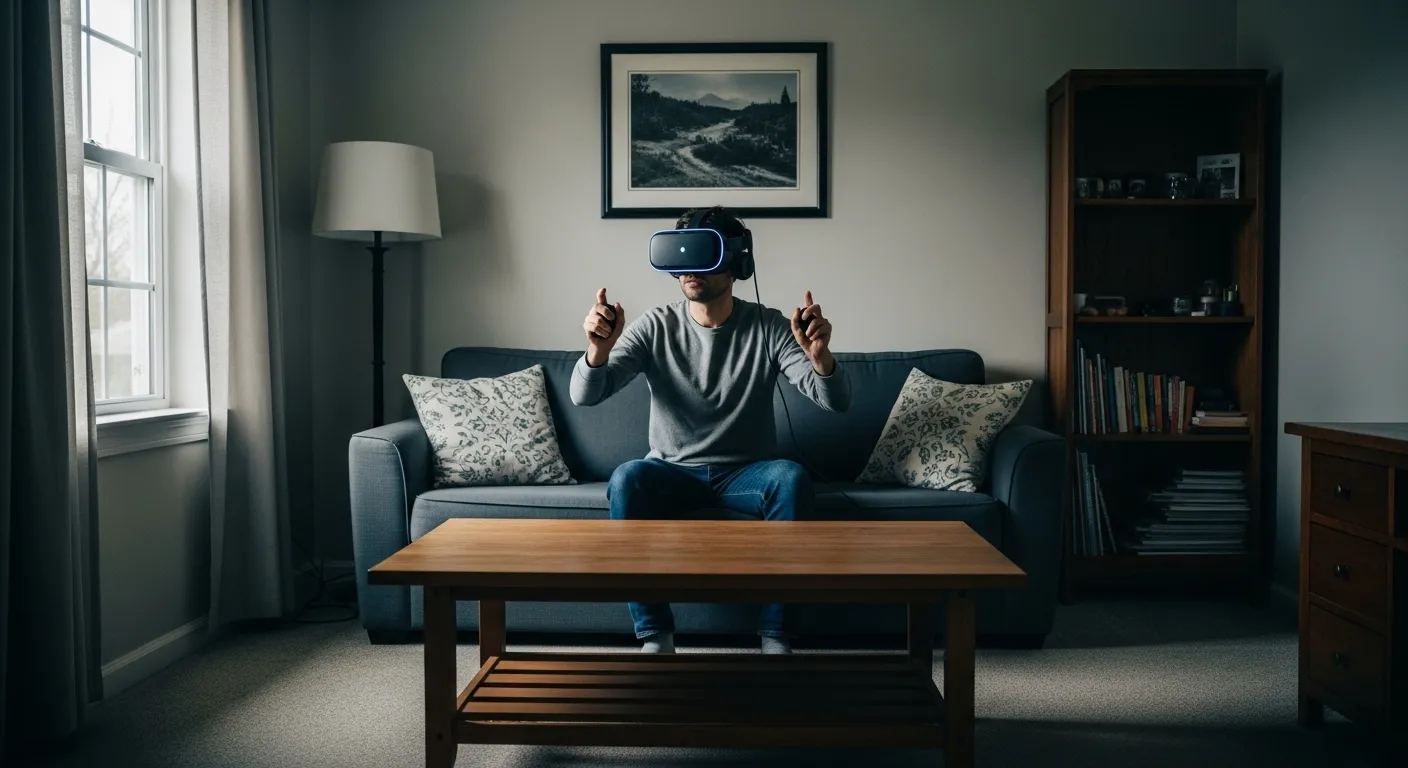
In VR, movement changes how everything works. Your head acts as the camera. Your hands turn into tools, shields, or weapons. Looking around isn’t tied to a button anymore, it’s just something you do. That change hits right away. Players often feel more pulled in, react faster, and stay focused longer. The energy goes up because your whole body is part of the game, not just your thumbs on a controller. The game responds to how you move, not only what you press.
AR keeps things lighter on purpose. You can still see the real world, and the game fits around it. Think of creatures appearing on your sidewalk or a strategy board spread across your kitchen table, coffee mugs included. This makes AR easier to jump into and easier to share with others. Location-based play feels natural, and social moments work better when players are in the same room. You’re playing together, not cut off from everyone else.
This growth isn’t just hype. Adoption has been consistent, and the global AR and VR market is expected to pass $100 billion by 2026. Gaming leads the way. Over 60% of VR users say gaming is the main reason they own a headset, which makes the direction clear.
| Metric | Value | Year |
|---|---|---|
| Global AR/VR market size | $100+ billion | 2026 |
| Annual VR headset shipments | 10+ million units | 2024 |
| VR users who game primarily | 60%+ | 2025 |
| Projected AR gaming revenue | $30+ billion | 2026 |
VR is going to be the most social platform ever.
VR Gaming Hardware and Setup Without the Hype
VR gaming often sounds fun until the setup comes to mind. Wires across the floor, tight room layouts, motion sickness, and high prices can feel like a lot, especially if older hardware is the only reference point. Things have changed. Standalone headsets now lead the market and remove much of that friction. They don’t need a gaming PC or external sensors. You put the headset on and start playing, which lowers the stress right away.
That simplicity helps streamers and casual players in different ways. Wireless play lets you move freely without watching your feet or untangling cables when matches get intense. Built‑in cameras quietly handle tracking, and inside‑out systems skip wall mounts and drilling altogether. No tools and no measuring tape make a real difference. The setup feels doable for everyday spaces, even small rooms.
Once the basics are covered, hardware details start to matter more. Resolution shapes how sharp the world looks, while refresh rate affects comfort during longer sessions, when eye strain and fatigue tend to show up. Tracking quality decides how reliable movement feels in fast‑paced games. If VR is paired with PC gaming, the system has to keep up. Rendering two screens at high frame rates leans heavily on CPU and GPU performance, and storage speed also plays a part.
For players building or upgrading a PC with VR in mind, starting with a strong base avoids headaches later. A few smart early choices make everything that follows smoother. The essentials are covered in A Beginner’s Guide to Building Your Gaming PC from Scratch, which focuses on planning ahead and avoiding common mistakes.
Comfort deserves just as much attention. Lighter headsets and adjustable straps reduce fatigue over time, and enough clear space helps sessions feel natural. Audio is easy to miss, but spatial sound adds depth and awareness that flat speakers can’t match. It’s a small upgrade that clearly changes how immersive VR gaming feels.
How AR Gaming Blends Play With the Real World
AR gaming doesn’t get as much attention as VR, but its influence shows up in everyday use. Instead of pulling players into a closed-off digital space, AR places games right into real surroundings. That choice affects both game design and how people play. Movement feels natural instead of staged. Playing with others happens faster. Sessions are often short, which makes it easy to jump back in and fits well into quick breaks.
Mobile AR pointed to this years ago. Location-based games showed that exploring real places with digital layers could be fun without much setup. There wasn’t a steep learning curve, you went outside and started playing. Newer hardware builds on that base. Headsets and glasses can now place digital objects on tables, floors, and nearby surfaces. Two or more players can see and interact with the same virtual pieces at the same time, sharing a play space in one room.
This opens new paths for designers. Strategy games can stretch across a kitchen table. Puzzle games can react to the size or odd shape of a room, even tricky layouts. Fitness challenges feel natural in living spaces. The physical environment becomes part of the game itself, something flat screens can’t fully match, no matter how sharp they look.
Alex Kipman, former technical fellow at Microsoft, has said that mixed reality changes both how games are made and how they’re experienced. After decades of screen-based play, that’s a clear shift. Digital content sits in the same space as the player, which lowers barriers for indie developers trying out new ideas without huge budgets.
For players, AR feels less isolating. VR blocks out the world around you, while AR keeps the room and the people in it visible. You can talk, move, and play without disappearing into a headset tunnel. That balance makes AR a good fit for families, casual play, and games focused on movement and wellness.
As hardware gets better, AR is moving past phones. Lightweight wearables are easing immersive play into daily routines. Gaming starts to blend in, showing up around you instead of pulling you away.
Presence, Psychology, and Why VR Gaming Immersion Feels Different
What makes immersive gameplay stand out is how directly it connects with the brain. VR doesn’t just show something on a screen; it puts the player inside the moment as it happens. That small change affects the experience in real ways. Emotional reactions show up faster, and physical responses feel more immediate. Research from Stanford points to different brain activity during immersive play. Players often say it feels like they’re truly there instead of just watching. It may sound minor on paper, but it’s strong in practice.
Immersive games activate the brain differently because players are physically present in the experience, not just observing it.
These changes bring clear upsides. Many players notice sharper focus early on, sometimes in the first session. Memory recall improves too, especially when learning new mechanics tied to real movement. Tutorials often click faster because actions match natural motion. Repeating physical actions helps muscle memory build sooner. Competitive players get more room to express skill, while story-based games connect with players on a deeper emotional level. The experience feels closer and more personal.
Immersion does have limits. Long sessions can cause fatigue or mental overload, and poor movement design can lead to motion sickness. Developers respond with comfort options like snap turning, teleport movement, seated play, and adjustable field of view. This lets players adjust settings instead of pushing through discomfort.
Mental wellness also plays a role. Some people use immersive games to relax or stay active. Rhythm games can double as workouts, and social VR spaces can reduce isolation when used with care. Balance still matters. Taking breaks and paying attention to physical strain helps keep the experience healthy.
Design choices reflect this more and more. Simpler visuals, clear goals, and natural interactions lower mental effort. With less friction, players stay in flow longer and enjoy the experience more.
Streaming, Content Creation, and New Ways to Entertain
Immersive gameplay puts new streamers in a tricky spot, with real upside and real friction. VR changes how content shows up on screen, and the first impression can be awkward (yeah, it can look strange at first). Standard face cams often don’t cut it. Viewers want the player’s point of view, but they also want to see how the body moves around the room. That’s a lot to manage at once. So creators turn to mixed‑reality capture and third‑person angles, adding motion‑reactive overlays that feel more alive and playful.
Platform support has improved, which eases some of the pressure. Built‑in spectator modes give audiences reliable camera angles that don’t make them dizzy. You’ll see streamers switch views on the fly, sometimes to show skill, sometimes to stretch a moment or land a joke. Different moods call for different shots, and that choice shapes the overall feel of the stream.
Social VR spaces open up new content paths fast. Inside shared virtual worlds, creators host talk shows, concerts, and relaxed game nights, no stage, no physical venue. The mix of gaming, social media, and live performance feels more like hanging out than just watching. For indie creators, that also means community building costs less.
Immersive streaming also lines up with trends like AI‑driven tools and virtual communities. This setup was covered on platforms like Now Loading, where creators trade notes on how new tech connects to practical, real‑world streaming rigs.
What stands out most is the change in expectations. Immersive gameplay puts players in a performer role by default. Voice, movement, and physical presence now matter more in why people tune in, creating a very different kind of spotlight.
Competitive Play, Skill Ceilings, and Esports Potential
Mastery sits at the center of competitive gaming, and immersive play changes how that mastery shows up. In VR, skill mixes physical movement with spatial awareness, so performance comes from the whole body, not just quick thumbs. Aim follows real motion, and positioning depends on balance and control. Shortcuts fade fast, and mistakes are felt right away during play.
This shift raises the skill ceiling in clear, practical ways. Reaction time still matters, but fitness and coordination now shape results too. Some competitors train more like athletes, adding warm-ups to their sessions and planning recovery days between matches. After a long tournament run, the line between esports and traditional sports feels thinner, especially as fatigue starts to affect precision.
VR esports are already active, mostly in smaller scenes. Rhythm games and shooters lead the way, and while audiences are more niche than in traditional esports, engagement stays high. Viewers can see effort as it happens, and skill comes through clearly on screen. Visible strain and clean execution make matches easy to follow.
AR gaming brings a different take on competition. Shared physical spaces support fair play and make live spectating simple, which works well for local tournaments and hybrid events. Hardware standards and fatigue management still need work, but steady progress continues, one step at a time.
Accessibility and Inclusive Design in Immersive Games
Immersive gameplay often gets tagged as hard to access, but VR and AR often give players more options than traditional games. Custom controls matter a lot here. Features like hand tracking or voice input let players pick what works for them, instead of forcing everyone into one setup that may not fit their needs.
Many VR games support seated play, standing play, or a mix of both. Height settings and reach scaling help players with limited mobility stay comfortable during longer sessions. Visual signals can replace audio cues, and haptic feedback can step in when visuals are hard to follow. These small, practical changes can make a game feel more playable right away.
AR games bring different strengths. Since they use real spaces, players can adjust the play area to suit their needs. Short or flexible sessions also help manage fatigue or sensory overload.
Accessibility now comes up earlier in design talks, not as an afterthought. Games that build these options in from the start tend to connect with more players.
Where Immersive Gameplay Is Heading Next
The next wave of immersive gameplay is moving fast, and it’s not waiting around for slow adoption. AI-driven worlds are getting more responsive, with NPCs reacting to player choices in real time instead of repeating the same lines. That shift changes how stories feel from one moment to the next. Platform changes matter here too. Cloud gaming lowers hardware barriers, and mixed reality is moving out of labs and into everyday living spaces, where people actually use it.
The AI side of this future gets a close look in pieces like AI in Gaming: Future Innovations Transforming Play and AI in Gaming: How Technology is Shaping Game Storytelling. Both focus on reactive systems and evolving stories, not abstract hype.
At the same time, devices are starting to connect more easily. Headsets, monitors, desks, and phones are working together as one setup. Traditional hardware isn’t going away either, and guides like Best Gaming Monitors 2025: Top Next-Gen Picks for Immersion show how displays still ground the experience.
Frequently Asked Questions
Yes, if you enjoy physical skill expression. VR gaming adds movement and spatial awareness to competition. It is different from mouse and keyboard mastery but just as deep.
Right now, most AR gaming works on phones and tablets. Headsets improve immersion, but they are not required. Mobile AR is still the main entry point.
It can, but modern games include comfort options. Snap turning, teleport movement, and proper frame rates reduce discomfort for most players.
It can be. Many players use VR for fitness, relaxation, and social connection. Balance and breaks are important to avoid fatigue.
No. Flat-screen games will stay popular. Immersive experiences add new options rather than replacing old ones.
The Bottom Line on Immersive Play
Immersive gameplay is no longer just a cool extra. VR and AR games now shape how games are made and how people play them, pulling players closer to what’s happening and making space for skills and stories that stick with you. The experience feels closer and more personal, which makes it hard to ignore, even if you’re not sold at first.
A few ideas sit at the center. What really pulls you in is a believable sense of presence, not just flashy visuals, which only go so far. Access to hardware has gotten much better, letting more players jump in. Comfort and psychology also matter a lot, sometimes more than graphics. After years of trial and error, the way forward blends immersion with AI and cloud tech, all working together.
For players, the best way to notice the change is to spend real time with one immersive game you actually like and pay attention to how it feels as you play. For creators and devs, it’s about how space and movement tell stories through the body. Once physical movement is part of the game, the shift is obvious.