
Games that take real risks stand out in 2026, and players are noticing. While big studios stick close to familiar formulas, indie developers keep going the other way. New mechanics, bold art styles, and stories that feel personal are everywhere, without chasing extra polish just to look expensive. If you like finding something different, indie games 2026 releases often feel more exciting than many headline blockbusters. That contrast feels stronger this year, with sequels packing release calendars and real surprises getting harder to come by.
Finding good indie games, though, isn’t simple. Thousands launch every year, and even strong projects can disappear fast. Streamers pass them by. Players never hear about them. Developers with good ideas struggle to break through the noise. Guides like this exist for that reason. They help bring attention to emerging indie games that try something smart, meaningful, or just fun to play, which still matters.
This article looks at why 2026 feels like a breakout year for indie games and explores the trends shaping the best hidden gems. The focus stays on what’s interesting, not filler. Upcoming titles that deserve attention are part of the mix, along with conversations about accessibility, mental wellness, and streamer-friendly design choices. Playstyle differences matter here, especially for competitive players and hobbyists who also make content.
Along the way, these games connect to larger trends covered on https://nowloading.co (worth bookmarking). Hardware shifts, cloud gaming changes, and the consistent way small studios keep reshaping the industry, one risk at a time.
Why 2026 Feels Like a Golden Moment for Indie Games
Indie games have always been creative, but 2026 stands out in ways players can actually feel. Store pages are crowded, that’s obvious, but the games that stand out are easier to spot because the gaps between them are clearer. Tools are better across the board, and getting a game out there no longer feels like rolling dice. At the same time, players are actively looking for something outside the usual AAA cycle. Put together, this opens a rare window where small teams can break through, sometimes faster than expected, which still surprises people.
Growth and Trust in Indie Games 2026
Growth explains a lot of this change. The indie space keeps getting bigger while large publishers slow down their release plans. More games are launching, and more players are paying attention at the same time. That overlap gives unusual ideas more chances to reach the right crowd. Competition hasn’t gone away, but expectations are higher. Even two‑ or three‑person teams are now shipping games that feel polished compared to what was normal just a few years ago.
Trust matters too. After years of unfinished live‑service releases and heavy monetization, a lot of goodwill has faded. Many players feel more comfortable taking chances on indie developers instead. Refund numbers and player surveys suggest people are more patient with small teams. When creativity shows through, rough edges are easier to accept. That shift matters, because it makes experimenting feel less risky in 2026 and shapes how developers plan their games.
| Metric | Value | Year |
|---|---|---|
| Global indie market size | $9.9 billion | 2024 |
| Projected market size | $11.14 billion | 2025 |
| Indie success rate (1k+ reviews) | 2.99% | 2025 |
| Developers optimizing for Steam Deck | 28% | 2026 |
Those numbers show a few things at once. Players and money are still moving toward indie games. Success is still rare, but it’s happening more often than before. Nearly 3 percent of games reaching 1,000 reviews may sound small, yet it’s the highest point so far. Games that break through usually do it by staying focused and easy to understand.
We might be in a bit of an indie golden age.
What’s behind this moment isn’t flashy tech. It’s focus. Smaller teams are sticking to clear ideas and following through with care, and as a player, that effort is easy to notice.
The Traits That Define Emerging Indie Games in 2026
Watch a handful of upcoming indie releases closely and patterns show up fast. These games aren’t stumbling into success. They’re making clear choices based on how people actually play in 2026 and where games get found. Once you spot those choices, the common thread becomes obvious.
Platform and Performance Trends
Most of these projects begin on PC, and that choice shapes almost everything else. Steam is still the main launch spot because it gives developers space to adjust things out in the open. Mods, community hubs, and early access feedback shape design as it happens, sometimes changing features from one week to the next. Streamers also play a role here. A reliable PC build matters when gameplay is streamed live, and any bug or crash shows up right away.
Handheld PC support has shifted from a bonus to something players expect. Games that run well on Steam Deck often gather more wishlists and keep attention longer. Developers plan for portable play early, with readable text, flexible controls, and layouts that work on smaller screens instead of shrinking a desktop-style interface.
Team Size, Pricing, and Accessibility
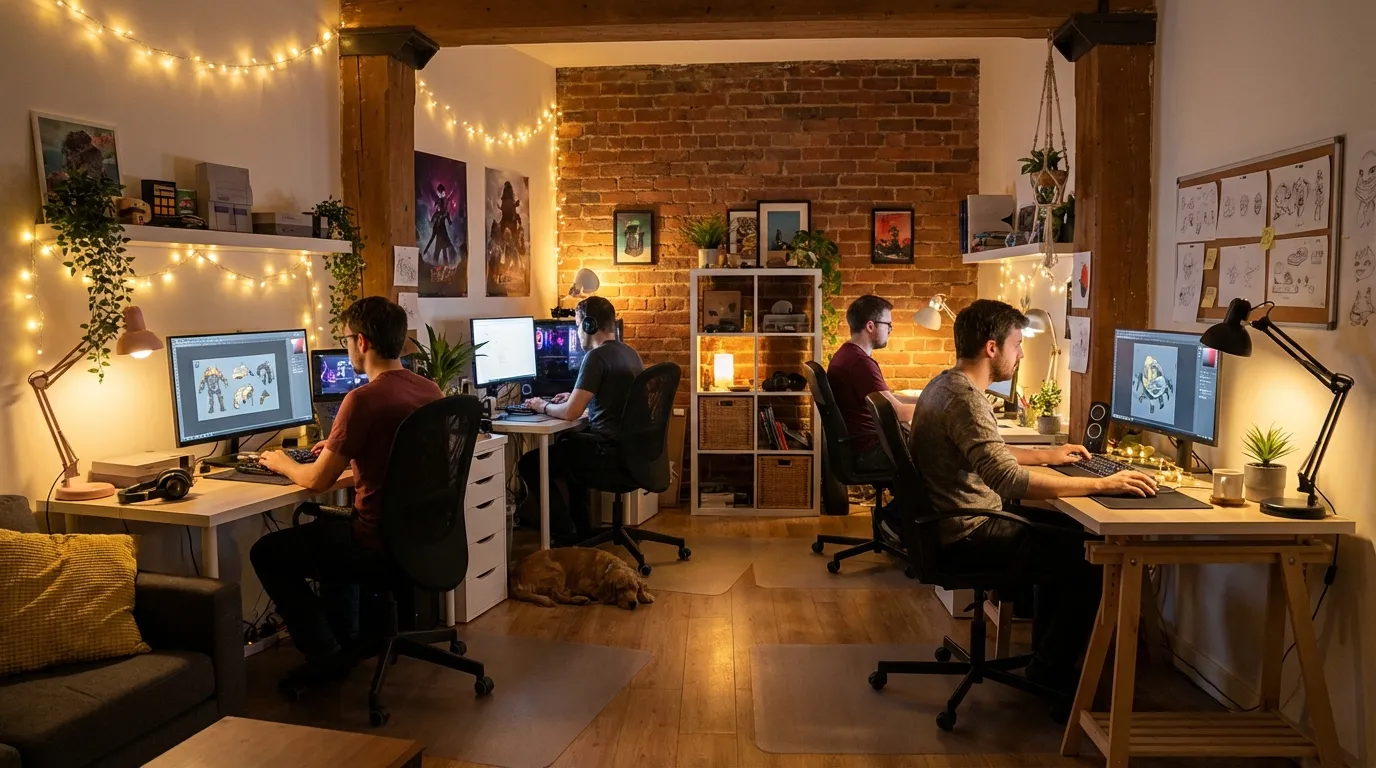
Team size is another clear signal. Many of these studios have fewer than ten people. With fewer voices involved, decisions happen faster and the creative direction stays tight. You can feel that focus as soon as you start playing, without spending hours figuring out what the game is aiming for.
Pricing follows a similar path. Launch prices usually fall between $10 and $25, which players are comfortable paying for experimental or niche ideas. That range also works well during festivals and seasonal sales, where quick purchases and word of mouth can build fast.
Accessibility shows up early in development, not tacked on later. Remappable controls, scalable UI, and colorblind options are treated as standard. Games that skip these basics feel dated, and players call it out almost immediately.
The Role of AI and Developer Ethics
AI is part of the process, but kept low-key. Many developers are cautious about how it affects creativity, so indie teams use it sparingly. It helps with testing or animation work, stays out of marketing, and doesn’t draw attention. If players don’t notice it, that’s the point.
Indies have to carry the good guy image, and AI is frowned upon as a shortcut.
Hidden Gem Spotlight: Upcoming Indie Games Worth Watching
A handful of upcoming indie games are quietly picking up momentum, and they’re worth paying attention to now. These aren’t projects chasing huge launch spikes or flashy reveals. They’re shaped by clear ideas and supported by small communities that grow at a regular pace, the kind that spreads through casual recommendations, not countdown trailers. Word moves slowly here, and that’s part of what makes them appealing.
Cozy Builders and Thoughtful Design
Animalkind leans into cozy city building with a clear focus on environmental balance. Growth isn’t about pushing outward forever. Instead, the game rewards care, restraint, and cooperation between systems. That gives it a calm rhythm without feeling empty. Over time, the world reacts to your decisions in small ways, and that feedback becomes easier to notice the longer you play.
What stands out most is how environmental impact carries through the whole experience. Early choices don’t vanish; they come back later by shaping ecosystems in quiet but meaningful ways. Planning ahead matters more than chasing the biggest numbers, and that shift in priorities feels intentional rather than gimmicky.
Fast-Paced Action and Horror Highlights
HELLREAPER goes in the opposite direction. This is a fast, demanding FPS built around tight movement and repeatable combat. Its design clearly favors players who enjoy mastery, practice, and visible improvement, which explains why it connects with competitive streamers who don’t mind a steep learning curve.
| Game | Genre | Why It Stands Out |
|---|---|---|
| Animalkind | Cozy builder | Eco-focused, community-driven design |
| HELLREAPER | Action FPS | High-skill combat and speed |
| The Backworld | Horror RPG | Psychological storytelling |
| Paralives | Life simulation | Accessibility-first design |
The Backworld mixes horror and role‑playing with a personal tone. Surreal visuals and restrained mechanics explore fear and memory in ways that stick with you, something rarely given room in larger productions.
Paralives also deserves a mention. Its long development has stayed focused on accessibility and player freedom. For more detail, we covered it here: Paralives & Witchbrook: Indie Sims Shaping 2026 Play.
Why Streamers and Content Creators Should Care About Indie Games
For streamers, indie games often turn into a smart career choice, not just a passion project. Many begin as small personal ideas, but they’re practical too. Smaller launches mean less noise on Twitch and YouTube, which makes it easier to get noticed. That quieter space helps creators pull in viewers who actually stick around instead of jumping to the next big release.
Audience Interaction and Game Longevity
What stands out most is how easily indie games bring chat into the action. Player choices matter, and viewers feel involved. They vote on outcomes, suggest risky moves, or toss out weird ideas mid-run, while mods sometimes adjust things live. The energy stays high without fake hype, and the stream feels more real.
Starting early can slowly shape how a channel is known. Viewers begin to link a creator with a certain game, and when that game picks up steam, the channel often grows right along with it.
Business Opportunities for Creators
On the business side, indie developers are usually easier to reach and more open to working together. Early access keys, shoutouts, or small in-game nods are common, while big publishers often move slower. In indie spaces, working together feels natural.
Games built around replay loops, procedural systems, daily challenges, or rotating content also work well for streaming schedules. They give creators a reason to come back without wearing out their audience.
Many creators also follow trend breakdowns like The Most Anticipated Indie Games of 2026: A Deep Dive to plan content months ahead and stay a step ahead.
Mental Wellness and Emotional Design in Indie Games
Emotional care sits close to the heart of why many players are drawn to indie games. Feelings matter here. They aren’t tacked on at the end. Developers often slow the pace, lower the pressure, and focus on human stories that feel personal and real. It’s the quiet moments that stick with you. Small details. Honest ones. You can feel that care as soon as you start playing.
Balancing Challenge and Calm
Difficulty doesn’t disappear. It’s just handled in a kinder way. Players are treated with respect. Failure feels like part of learning, not a long and draining punishment. Sound stays calm instead of overwhelming. Visuals feel warm, thoughtful, and easy on the eyes, without extra clutter. All of this is done on purpose.
By 2026, this way of thinking reaches well beyond story-driven games. Action and strategy titles add stress-reducing options like adjustable timers, clear places to pause, and flexible difficulty that keeps players in control. Over time, these choices help ease fatigue and lower burnout, without pushing anyone to rush.
My hope would be to see more blending of these boundaries, and games that push the art form creatively, without always pursuing new and shinier technologies.
This direction helps players who want to relax after intense competitive sessions. It also suits creators working toward healthier streaming habits. For a wider look at how this ties into industry shifts, see: The Future of Indie Games: Trends and Predictions 2025.
Accessibility as a Core Feature, Not an Afterthought
In 2026, good design treats accessibility as part of the foundation, especially in indie games. Small studios move fast and stay close to player feedback, sometimes a little too close, and you can feel that as soon as you play. Updates arrive quickly, and they’re shaped by real player experiences, not guesses.
You’ll still find familiar options like adjustable text size and high-contrast modes, but many games go further. Difficulty sliders often change how systems behave, not just the numbers. That affects pacing, tension, and the feel of each moment. Instead of enemies just hitting harder or softer, the game nudges you to handle situations in a new way.
What really sets indie accessibility apart is openness. Developers spell out their goals in devlogs and patch notes, ask for input, and reply in public. That back-and-forth builds trust and leads to features that fix real problems, not imagined ones.
Players with disabilities tend to stick around, and developers earn long-term loyalty. Paralives shows how well this can work, and many smaller games are clearly taking notes.
Hardware and Handhelds: The Indie Advantage
Handheld PCs like the Steam Deck have changed how indie games get found and played. Play sessions now happen in short bursts, on commutes or between tasks, with quick suspend and resume making it easy to jump in and out without losing your place.
That pace fits indie design well. These games usually load fast, save often, and avoid bloated menus or long tutorials. You can start playing within minutes and still feel like you made real progress, which matches how people actually use handhelds.
Performance matters too. Indie titles often need fewer resources, so they run well on older PCs and handheld devices without spending half an hour tweaking settings. That broader support helps reach a larger audience.
Developers are noticing. More than a quarter already improve their games for handheld PCs, and many others plan to do the same.
Want a closer look at hardware trends? Gaming Laptops 2026: Innovations and Must-Have Features covers portable power, while Cloud Gaming in 2026: What Gamers Need to Know looks at how access keeps shifting.
Community Discovery and the Power of Small Audiences
Big ad buys rarely help indie games break through. Momentum usually starts with people sharing things that feel personal: a wishlist link sent to friends, a Discord that’s actually active, a demo someone streams because they’re excited. It spreads fast because it feels real, and players notice when they’re part of that early wave.
The Role of Early Support and Feedback
A smaller, engaged group can often push a game further than anyone expects. Feedback turns into updates, fans share clips or write guides, and developers reply like people, not brands. Each conversation moves the game forward, and players can see that progress.
Those first 500 players shape everything that comes next. They leave the earliest reviews, suggest features, and speak up when problems show up. Their presence shows across platforms.
Funding still hasn't seen much of an uptick in the last twelve months.
With limited budgets, that early support isn’t optional. Players who join early influence the game from day one, and their fingerprints are easy to spot.
Frequently Asked Questions
Better tools let ideas come through clearly, and it shows. Clarity and accessibility lead, with plain, welcoming design that’s easy to pick up. Community feels more present now. Players actively seek indie games, and better data helps developers avoid common mistakes while keeping creative risk and their own style intact.
Early finds often show up on itch.io and during Steam Next Fest, where demos land before the hype. As you look around, you’ll spot devlogs, festivals, and smaller streamers adding context. Wishlists and Discord servers act as reliable signals to watch as interest builds.
Yes.
Early coverage lasts longer since there’s less competition and chat stays active. Many indie games also let creators talk with developers and shape updates, which keeps viewers interested over time.
Often, yes. Many indie teams plan accessibility from day one and build it into the design, leading to options, thoughtful, flexible, and don’t get in the way.
Yes, it’s already happening. Steam Deck-style play ties UI and controls closely (you notice it), and that nudges indie games toward shorter sessions.
Where Indie Games Go From Here
Midyear indie releases often land between big launches, and that timing gives them space. These games keep the scene active with short, focused ideas that explore new mechanics, lean into emotion, and treat players like you with care instead of flash.
What’s coming next feels practical and a bit braver. Cross‑genre experiments are sticking, often built by small teams planning for the long run. Community input is closer and easier to see through Discord chats and open dev logs. Success still isn’t common, but compared to a few years ago, the path to getting noticed feels clearer, which helps anyone building, or backing, something new.
What should you watch first? A clear vision stands out fast. Early support makes a noticeable difference. Accessibility and developer wellness help projects last longer. Content creators can also try covering smaller titles while people are still discovering them.
Emerging indie games often grow quietly with their communities, then set patterns bigger studios copy later.
For a concrete place to follow that progress, the team keeps ongoing guides and detailed looks at https://nowloading.co.