
Survival games have always worked because of pressure. You’re cold, hungry, under-equipped, and never fully safe. That core loop still works, but the genre is getting smarter. Better AI tools, adaptive design, and deeper procedural generation are making runs feel less repetitive, which changes a lot. Players see fewer repeated patterns and get more choices that carry real weight. For streamers and competitive players, it also means more moments that genuinely feel new on camera.
Survival games already work well with uncertainty. Scarcity, shifting maps, random events, and player improvisation all fit the genre in a natural way. Add AI-assisted systems on top of that, and the result is not some world controlled entirely by live generative AI. The bigger change is smarter world design. That shows up in procedural events gaming that reacts more clearly, resource management games with harder trade-offs, and survival games AI systems that make decisions feel more serious. Things get a bit less predictable, and that’s a big part of the appeal.
The numbers back it up. In 2025, 4,311 Steam titles disclosed AI use, which made up 22% of releases. Analysts across the industry expect 7,000+ titles with AI disclosures in 2026. Survival and roguelike survival are growing too. The market reached $2.64 billion in 2025 and is projected to hit $5.0 billion by 2035, so the pace is hard to miss. This article looks at what AI-improved worlds actually mean, which games show these ideas clearly, how scarcity shapes strategy, and what smart players can do to stay ahead.
Why AI-Enhanced Survival Worlds Matter Right Now
The survival genre is in a good place right now because it already relies on systems that affect each other in clear ways. Weather changes how people move. Hunger affects combat timing. Resource shortages shape player behavior, and base location can completely change how the map feels. When developers build on those systems with procedural logic and AI-assisted design, each match or run becomes much harder to figure out with one fixed strategy. Players cannot just memorize one route, one build, or one safe pattern and call it done.
Moreover, scale is a big part of why this matters now. In January 2026, Steam reached 42,042,778 peak concurrent users and has 132 million monthly active users. Survival games are competing for attention in that huge market. Static worlds can still do well, but changing worlds often give players more reasons to stick around. A game that creates different stories each session has a real edge for retention, streaming, and community discussion.
The data also shows AI use is no longer a small niche topic.
| Metric | Value | Why It Matters |
|---|---|---|
| Steam titles with AI disclosures in 2025 | 4,311 | AI-assisted development is now mainstream |
| Share of Steam releases with AI disclosures | 22% | AI is showing up across many genres |
| Projected AI-disclosed titles in 2026 | 7,000+ | Players will see more AI-shaped design choices |
| Roguelike survival market in 2025 | $2.64B | Demand for emergent survival play is strong |
As the table shows, this goes past hype. It points to a wider change in how games are made. According to AI in Gaming: Innovations Shaping Game Development, the biggest impact of AI in games comes from practical design and workflow gains, not flashy promises. That fits survival games especially well, since they depend on lots of variables, careful tuning, and strong replay value.
At least 7000 titles will have the AI content disclosure in 2026. One third of all games released on Steam in 2026 will have AI content disclosed.
That does not mean every survival game will suddenly have magical NPCs or endless generated stories. However, more teams can build richer systems now, and survival is one of the genres in the best spot to use those tools well.
What ‘AI-Enhanced’ Usually Means in Survival Games
A lot of players hear “AI-enhanced worlds” and imagine a game making up everything on the fly. That usually is not what is going on. The bigger change is AI helping developers build and tune procedural systems, which is still a pretty big step. It is more like smarter support than a world building itself from scratch every second.
In actual gameplay, that usually shows up in a few clear ways. Procedural maps can become easier to read without feeling predictable. A forest may still be random, but loot placement, danger levels, and travel routes follow stronger internal logic. Event chains can react to player behavior too. If a server over-hunts one biome, food shortages might push conflict into other zones. NPCs and creatures may also behave in more adaptive ways, even if those actions are still rule-based under the hood, so it is not magic, just better design.
For players, that changes strategy quite a bit. In older resource management games, it was possible to learn one strong route and repeat it again and again. In newer designs, the map seed, weather pressure, loot density, and roaming threats can mix together differently from one run to the next. Instead of only improving a route, players are reacting to a world state.
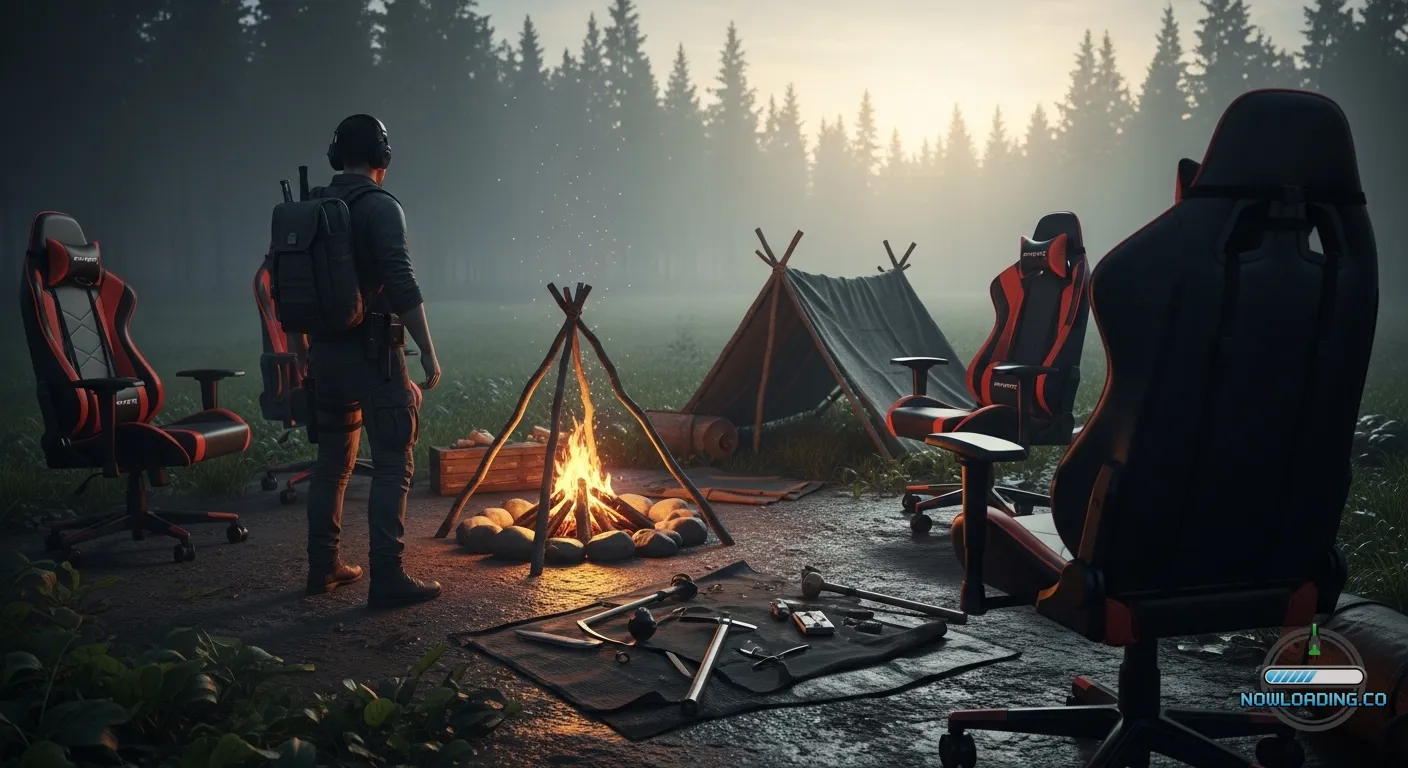
An easy way to think about it: older procedural design gave players a random layout. Better AI-assisted procedural design still gives a random layout, but with stronger logic, more pressure, and clearer consequences. That difference matters during play. Procedural events feel less like isolated dice rolls and more like parts of a system that keeps reacting.
For a broader look at where this is going, we covered it here: Upcoming Games Using AI-Powered Worlds: Titles Redefining Immersion in 2025. A lot of future titles are already leaning into this same idea.
The Best Survival Games to Watch for Smarter Worlds
Not every top survival game shows up as a big AI flex. Some of the clearest examples are games that already do emergent systems well, and that’s really the point here. What makes them stand out is how world pressure, scarcity, and player behavior run into each other. Rust, Valheim, Subnautica, and newer upcoming games still matter for that reason. They stay relevant even without flashy labels.
Rust is still one of the genre’s strongest strategy spaces. Its world is not known for buzzword AI, but for the way resources, player aggression, and base vulnerability keep forcing players to adapt. On SteamDB, Rust has shown a peak concurrent count of 133,959. That number says a lot about how durable the loop is. Valheim moves in a different direction. Its biome progression, travel friction, and crafting demands create a softer kind of scarcity, while still making the experience feel demanding. Subnautica leans harder into environmental fear and exploration pressure, showing that survival strategy does not need PvP to feel intense. Different pressure, same tension.
Other titles are also being discussed for the next wave of procedural or AI-improved world design, including Light No Fire, State of Decay 3, Blackfrost: The Long Dark 2, and Windrose. What stands out about these games is the chance for larger, more reactive worlds, which players keep asking for. Events, travel, and environmental stress could change in deeper ways over time, and that would be something players feel from one moment to the next.
Many players used to judge survival games by map size or graphics. Now the better test is more direct: does the world force new plans? The strongest survival game AI trends care less about spectacle and more about making each session feel less solved, so players cannot fall back on the same routine every time.
Procedural Events Are the Secret Sauce of Replayability
If map generation sets the stage, procedural events are what make things spin off in interesting ways. That’s a big reason survival games can stay exciting well past the first 20 hours. A sandstorm that wipes out visibility, a disease outbreak that ruins stored food, a roaming horde that changes migration paths, or a sudden cold snap that changes fuel value can all force quick decisions in the moment.
Procedural events in games work best when they feel like more than random chaos. Good events add pressure, connect with other systems, and reward adaptation instead of pure luck. A storm event feels pretty flat if it only looks dramatic. It gets much stronger when it also affects movement, crops, energy use, enemy behavior, and route planning at the same time (that’s when it really works).
Furthermore, it also helps streamers. Viewers tend to remember the moments when a run suddenly turns. A quiet loot trip can become a desperate retreat in seconds, and that’s the kind of shift people actually talk about later. Competitive players get something from it too, because understanding events becomes a real skill. The best players react quickly, but they also prepare for likely changes and leave room for bad outcomes. Read the warning signs early, and the situation is usually much easier to handle.
A clear before-and-after example shows the difference. In a simpler survival game, winter hits on a fixed timer, and players stockpile in almost the same order every run. In a better system, early frost might hit one region, wildlife may migrate, and NPC pressure can rise around safer zones. That means the best plan is no longer fixed. Scouting matters more, backup options matter more, and timing matters beyond just following a memorized routine.
That’s where replayability really starts to last: meaningful unpredictability.
Resource Scarcity Is What Makes Strategy Feel Real
Survival games depend on scarcity. If resources are too easy to collect, the game starts to feel more like a casual building sandbox, and the tension fades. If scarcity gets too harsh or unfair, frustration shows up fast. The sweet spot is where every item has a real trade-off. Do you burn wood for warmth, use it for walls, turn it into arrows, or save it for later? Do you eat now or keep food for the road? Maybe upgrading tools comes first. Or maybe strengthening the shelter before night is the better move.
Resource management works so well in survival design because those limits shape how people play. Aggressive players spend resources on speed and pressure. Defensive players put more into safety and long-term stability. Explorers use what they have for movement, and sometimes for information too. The same world can support very different play styles because the limits really affect each choice.
Top survival-tagged games also show how strong the audience is for these loops. SteamDB listed peak player counts such as 328,802 for PUBG: BATTLEGROUNDS, 133,959 for Rust, and 113,622 for Apex Legends within the broad survival-tagged group. These games are not all doing the same thing. Even so, the pattern is clear: players are drawn to high-pressure spaces where resources, positioning, and adaptation shape the match.
Scarcity also creates better stories for streamers and competitive players. A full inventory by itself is not especially interesting. A nearly empty inventory, with one risky choice left, is where the drama starts. Smart survival design keeps comfort just out of reach, so players keep making trade-offs, and those trade-offs keep the tension alive.
According to Dr. Tommy Thompson’s broader industry analysis, the practical value of AI in games comes from focused uses rather than hype. In survival design, that can mean smarter balancing for spawn rates, event timing, and threat pacing. Not unlimited loot generation. Tighter scarcity.
How Player Strategy Changes in AI-Shaped Survival Systems
As worlds get more active, players need a broader strategy toolkit. Old habits still matter. Efficient routes, safe storage, and good timing still help. But static planning loses value once the game starts changing without warning. Consequently, the strongest players are the ones who build flexible plans instead of relying on one perfect setup.
Four habits stand out most. Scout more often than feels necessary. In adaptive worlds, information becomes a major resource. Bring backup utility instead of focusing only on peak damage. Weather gear, healing, fire-starting tools, and mobility items are often what save a run. Diversify your economy. If one food source or biome turns bad, another option needs to be ready. Pay attention to pattern changes. If animals, NPCs, or rival players start moving differently, the world may be hinting at a larger event chain.
Team play also gets stronger in this kind of system. In co-op survival, one player can farm, another can scout, someone else can craft, and another can stay ready for combat. More reactive games tend to reward clear roles, and that makes each player’s contribution easier to spot. It works well for friend groups, and it also makes content creation more interesting because each role shows up clearly in play.
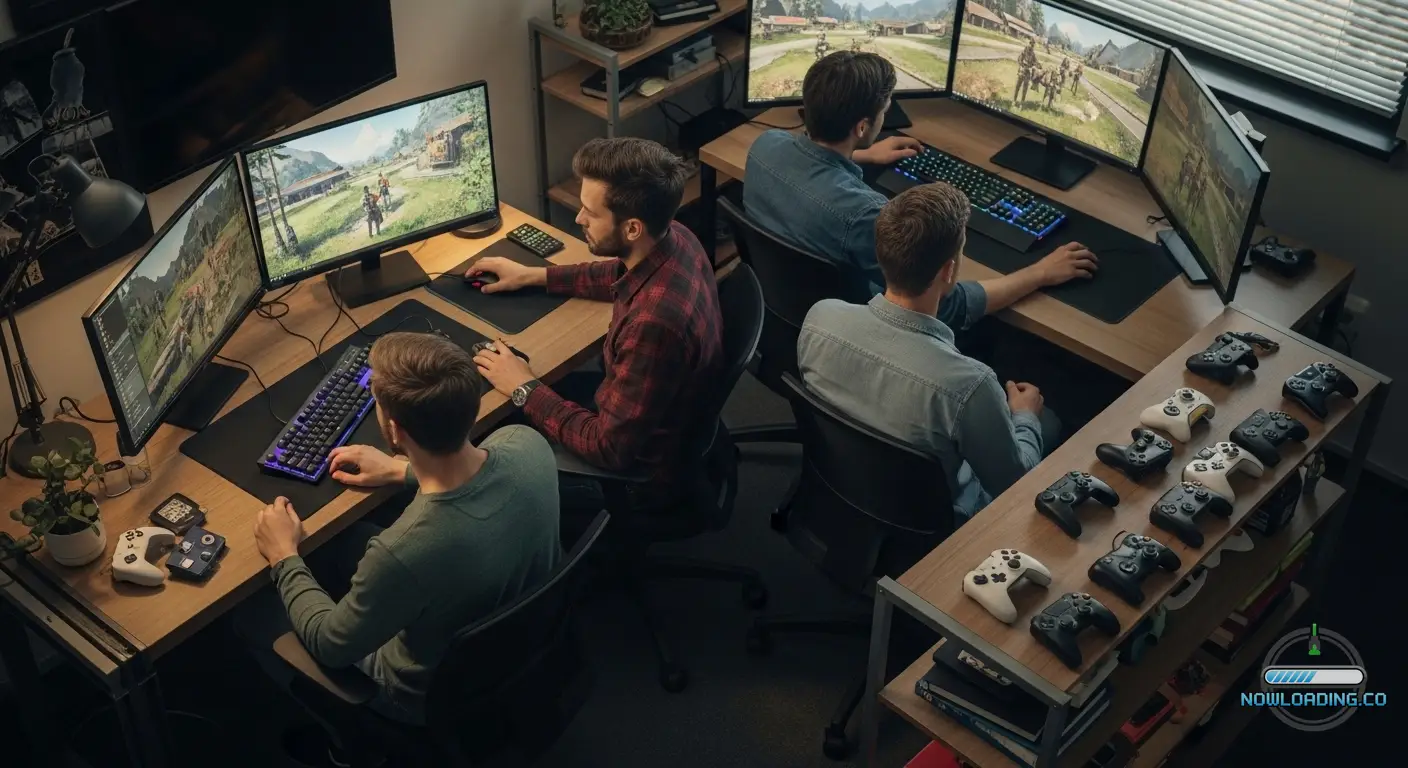
If you’re trying to get better, review your losses with one question: was the failure mechanical, informational, or strategic? Mechanical means missed shots or inputs. Informational means missing map or event knowledge. Strategic means the plan was too rigid. In survival games with AI-shaped worlds, strategic failure is becoming the most common type, and that marks a real change.
Why This Trend Is Great for Indie Developers and Creators
Smarter systems do not just help big studios. Indie teams may actually get even more from them. AI-assisted pipelines can help smaller developers create more variety in their worlds, fine-tune balancing passes, and add more content without needing huge teams, which is a big deal. Survival games especially benefit from that, since they need lots of interactions to keep things feeling fresh for players over time.
The market outlook backs that up. The roguelike survival games market is expected to grow from $2.64 billion in 2025 to $5.0 billion by 2035, with a 6.6% CAGR. For teams building systems-heavy games with strong replay value, that gives them a solid runway and more room to keep building on those ideas.
Additionally, for indie fans, this could mean more experimental projects. Games may start mixing survival loops with social simulation, mental stress systems, traveling world events, or other unusual mechanics. Creators also get something from it: better streamability. Events that feel random but still clear are easier to turn into clips, challenge runs, and community tournaments.
For more on these broader shifts, we covered it here: Future Trends in Gaming: 5 Emerging Technologies Ahead. It gives helpful context on where AI, procedural design, and next-gen tools are heading across the wider industry.
Hardware, Accessibility, and Mental Load in Survival Play
Smarter systems are exciting, but they also bring practical problems. In survival games, heavy weather effects, crowded UI, constant audio cues, and fast-changing events can become mentally draining pretty fast. That stands out even more during long sessions. It affects streamers, regular players, and anyone with accessibility needs.
Some fixes help right away. Keep audio channels clear so danger cues do not get lost under everything else. If the game offers them, adjusting contrast or subtitle settings can make a real difference. Reduce visual clutter when effects make the world harder to read. For streamers, it also helps to make sure the setup can handle frame drops during storms or big event spikes, since unstable performance can slow reaction time and make the viewing experience worse for everyone watching.
A good display also makes a real difference here. Clear motion and better dark-scene readability make it easier to spot threats, weather shifts, and distant movement more quickly. On its own, that may seem like a small advantage, but in this genre it adds up fast over time. That is part of why articles like Best Gaming Monitors 2025: Top Next-Gen Picks for Immersion fit naturally into the survival conversation.
There is also a wellness side to all this. High-pressure survival loops can create tunnel vision, so smart players take breaks, reset after wipes, and do not treat every run like a ranked final. You adapt worse when frustrated. In games built around scarcity and uncertainty, staying calm gives players a real edge.
What the Next Wave of Survival Games May Look Like
The next stretch of survival games probably won’t rely on nonstop AI improvisation every second; that would get messy fast. A more believable direction is layered design, where developers mix deterministic procedural systems with AI-assisted tuning, adaptive event chains, stronger NPC behavior, and larger world states that react to player pressure.
That could mean more games where overfishing changes migration routes, overbuilding redirects enemy attacks, and repeated player success makes later events hit harder. Stronger social survival design may also appear, with communities forming around changing conditions instead of fixed map scripts, which would be a pretty big change. It also fits with broader changes in virtual spaces covered in Future Gaming Trends: Virtual Communities in 2025.
Survival games probably aren’t just about bigger maps. They’re about smarter pressure in practice. If worlds react to what players do and push back in ways that stay clear and readable, they can create better stories and communities that last longer and feel worth being part of.
Frequently Asked Questions
Most of the time, survival games AI refers to smarter systems behind the scenes rather than a world inventing everything live. It can mean adaptive NPC behavior, AI-assisted procedural design, better event tuning, or tools that help developers build more reactive survival loops.
No. Good procedural events are connected to the rest of the game. The best ones affect travel, combat, crafting, and resource choices at the same time, so players feel pressure but still have ways to respond with skill and planning.
Rust, Valheim, Subnautica, and many roguelike survival titles are strong examples. They make food, shelter, tools, travel, and timing feel important, which is the core of strong resource management games.
Usually the opposite. Better world logic and more adaptive events often reward broader skill sets. Mechanical skill still matters, but scouting, planning, and reading world states become even more important.
A good place to start is Now Loading, especially if you want gaming-focused coverage that connects AI trends with real player experience. Articles like their AI and future-worlds features can help you track which ideas are practical now and which are still just hype.
Yes, especially if you want gameplay that creates natural stories. Dynamic weather, event chains, and scarcity-driven choices lead to more unpredictable moments, which is great for highlights and live reactions. If you want to compare those trends with other future-facing gaming topics, Now Loading is a useful example of a site covering both game design shifts and creator-focused tech.
The Bottom Line for Smarter Survival Play
Survival games are changing in a way that really suits the genre, and it’s easy to see why. They already do well with uncertainty, pressure, and adaptation. Better procedural systems and AI-assisted design push those strengths further instead of changing the core of why these games work. That shows up in more survival games AI features, deeper procedural events gaming, sharper resource management games, and tougher trade-offs that feel grounded instead of like random difficulty spikes.
A few ideas stand out most:
- AI in survival games is about smarter systems, not magic worlds
- Procedural events work best when they affect many systems at once
- Resource scarcity is still the heart of meaningful strategy
- Flexible planning beats rigid improvement in active worlds
- Indie teams and creators can get a lot from these trends
For players, information starts to matter as much as supplies. More scouting helps, backup plans matter, and the world should be expected to shift underfoot. Streamers may get more from games that create unscripted turning points, since those tend to produce the best moments. And for anyone watching where the genre goes next, the more interesting signs are games promising reactive worlds rather than just bigger ones, because size on its own is not enough.