
If you love games that reward curiosity, few series do it better than Donkey Kong. At first, every stage seems simple. You run, jump, smash, and keep moving. Then something feels off: a cracked wall catches your eye, a barrel sits at a strange angle, or a platform looks a little too empty. That’s when the game starts to open up. A strong collectibles guide does more than point out shiny things. It shows how levels are put together, how the game quietly hints at secrets, and how smart players save time while still finding more of what’s hidden.
Modern Donkey Kong design leans hard into movement, momentum, and discovery, so understanding how a stage communicates can make a big difference once the path stops being obvious. Recent coverage around Donkey Kong Bananza points to a bigger focus on destructive traversal, hidden routes, and finding secrets through play instead of pure checklist grinding. Less busywork. Players who can read level language will find more secrets with less frustration. Streamers and challenge runners can also turn clean route planning into better content as they play.
This guide breaks down how to spot hidden collectibles, read suspicious level design, know when to slow down, and know when to push forward. It also covers replay routes, accessibility-minded habits, common mistakes, hidden challenge rooms, and a practical FAQ. For anyone who wants a better way to look through Donkey Kong without wasting hours on random wall-punching, there should be something useful here.
Why Donkey Kong Collectibles Matter More Than Ever
Collectibles in Donkey Kong games do more than pad playtime. They show how the game is built. Bananas, letters, puzzle pieces, gems, fossils and other rewards can appear in spots that point to a pattern, and once players notice it, hidden levels stop feeling random. They feel readable.
That matters for players who grew up treating platformer secrets like pure luck. Back then, plenty of finds felt like guesses. In modern Donkey Kong design, secrets reward observation, movement control and a willingness to test the environment. Recent 2025 coverage around Donkey Kong Bananza suggests Nintendo is leaning even further in that direction. Hidden paths connect to the fun of traversal, and collectible hunting centers on exploration instead of asking players to grab every item in one run.
A simple way to think about it:
| Collectible Type | What It Usually Tests | Best Mindset |
|---|---|---|
| Main route items | Basic movement and timing | Stay alert while progressing |
| Hidden room rewards | Environmental reading | Check walls, ceilings, and odd gaps |
| Challenge collectibles | Skill under pressure | Mark and revisit if needed |
| Completion rewards | Full-route planning | Use replay runs with clear goals |
The table shows that not every collectible should be approached the same way. Some are designed for first-run discovery. Others make more sense during clean replays. Trying to do both at once can waste time. It also makes the route feel messy.
For a broader breakdown of series systems, Donkey Kong: Collectibles and Game Mechanics Explained is a useful companion read. It pairs well with this article because that guide looks more closely at route logic and hidden level strategy.
Reading the Level Like a Designer
The fastest secret hunters aren’t always the most skilled. More often, they’re the players who read clues well. In Donkey Kong levels, hidden content is usually hinted at through shape, rhythm, and contrast, and secrets almost never appear without some kind of setup.
Start with geometry. Check for ledges that feel too wide to be just decoration, empty corners with safe landing space, or walls that use a different texture or show a different damage pattern. If a stage teaches players to break one kind of object early on, later versions of that same idea may hide something important. In Bananza-style design, destructive terrain can act like a second map beneath the one you can see.
Enemy placement matters too. A lone enemy near a dead end often suggests the dead end isn’t really dead. Developers also use enemies to draw the eye toward spaces that feel a little unusual. Barrel paths can work that way as well. If a barrel launch seems slightly off from the main route, test it. A small angle change might send you to a bonus room or a hidden pocket.
Camera behavior can help too. If the camera gives extra room to the side, above, or below, the level may be nudging the player to look there. Platformers often use framing as a soft hint. That’s easy to miss.
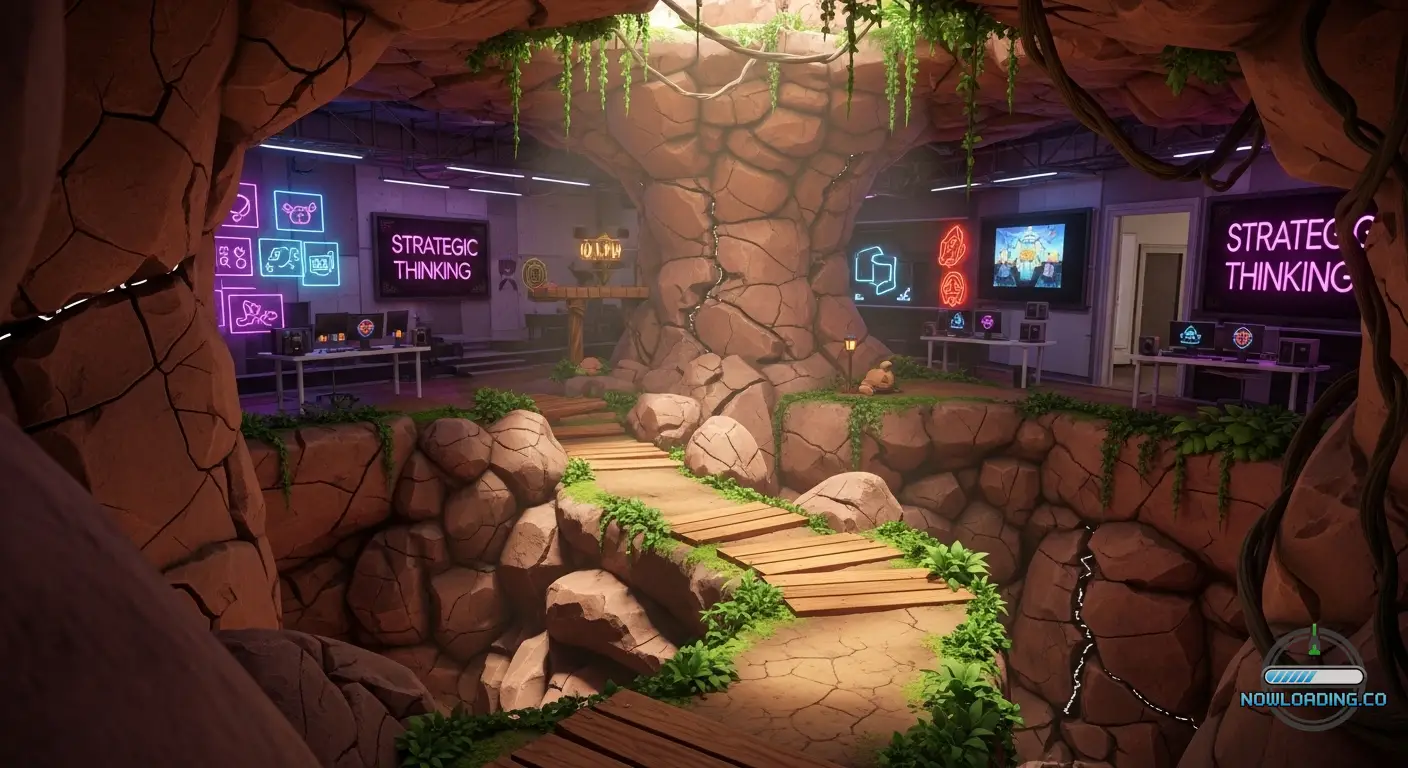
A useful practice drill is the two-pass method. On the first pass, finish the level naturally. On the second, replay it and stop every time one of these clues appears. That keeps the search focused and helps prevent overload.
Players who enjoy studying how different games hide progression clues can also look at Metal Gear Solid Remake Walkthrough & Boss Guide. It offers a very different but still useful look at how designers teach attention and reward careful observation.
The Best Collectibles Guide Method for First Runs and Replay Runs
A lot of players make one mistake right away: they try to 100% a level on the first clear. That sounds efficient, but in Donkey Kong it can slow down learning and make the whole thing feel clunkier than it needs to. It’s better to split the job and give each run its own role.
First run: map the stage
On the first attempt, focus on information, not perfection. Learn the main route. Notice where the game branches and mark anything that feels suspicious, like a wall that looks breakable, a platform chain that ends a little too neatly, or a secret-looking gap below the screen edge.
For now, skip challenge rooms you don’t need. If a hidden section costs too many lives or throws off your rhythm, move on. A clean stage clear gives you more control on the replay. Then you can check those suspicious spots later.
Second run: sweep known clue points
Come back with a plan. The collectibles-guide mindset helps here, because you can move from clue to clue instead of checking every inch of the map. Much faster.
Test breakable surfaces. Revisit unusual barrel arcs. Drop below safe platforms. Then stand still and listen for audio hints if the game uses them.
Third run: optimize
Only once you know the level should you mix speed with completion. This is often the run streamers and challenge players care about most, since a clean route starts to matter and wasted movement shows up fast. Less guessing, more intent.
Build a path that grabs high-value collectibles while keeping backtracking low.
Platformers reward memory as much as reflex. By splitting discovery from mastery, you cut frustration and make each attempt feel steadier. The same idea applies elsewhere. If you enjoy route planning and revisits, Underrail Beginner Guide: Builds, Difficulty & Progression is another solid example of smart structure beating brute force.
Hidden Levels, Challenge Rooms, and the Art of Suspicious Spaces
In Donkey Kong, hidden levels usually aren’t tucked into truly random places. They tend to show up in spaces that feel a little too deliberate. Maybe a line of platforms leads nowhere, or a background object sits strangely close to the front. Sometimes the level suddenly slows down right before a plain wall. That kind of detail matters.
Here’s one useful rule. When a platformer creates safety in a spot that should feel dangerous, a secret may be nearby. If the game gives players an easy place to stand in the middle of chaos, stop there and look around. Designers use those safe pockets as search points. They give players just enough breathing room to notice a hidden route they might have missed while everything was moving fast.
There’s also the before-and-after check. Look at what changed after the game introduced a mechanic. If it teaches ground-pound breaks, punch-through walls, bounce chains, mine cart lane shifts or vine launches, later stages might hide challenge rooms behind those same actions. Designers may place the first secret right after the lesson, then remix that idea later in harder, trickier ways.
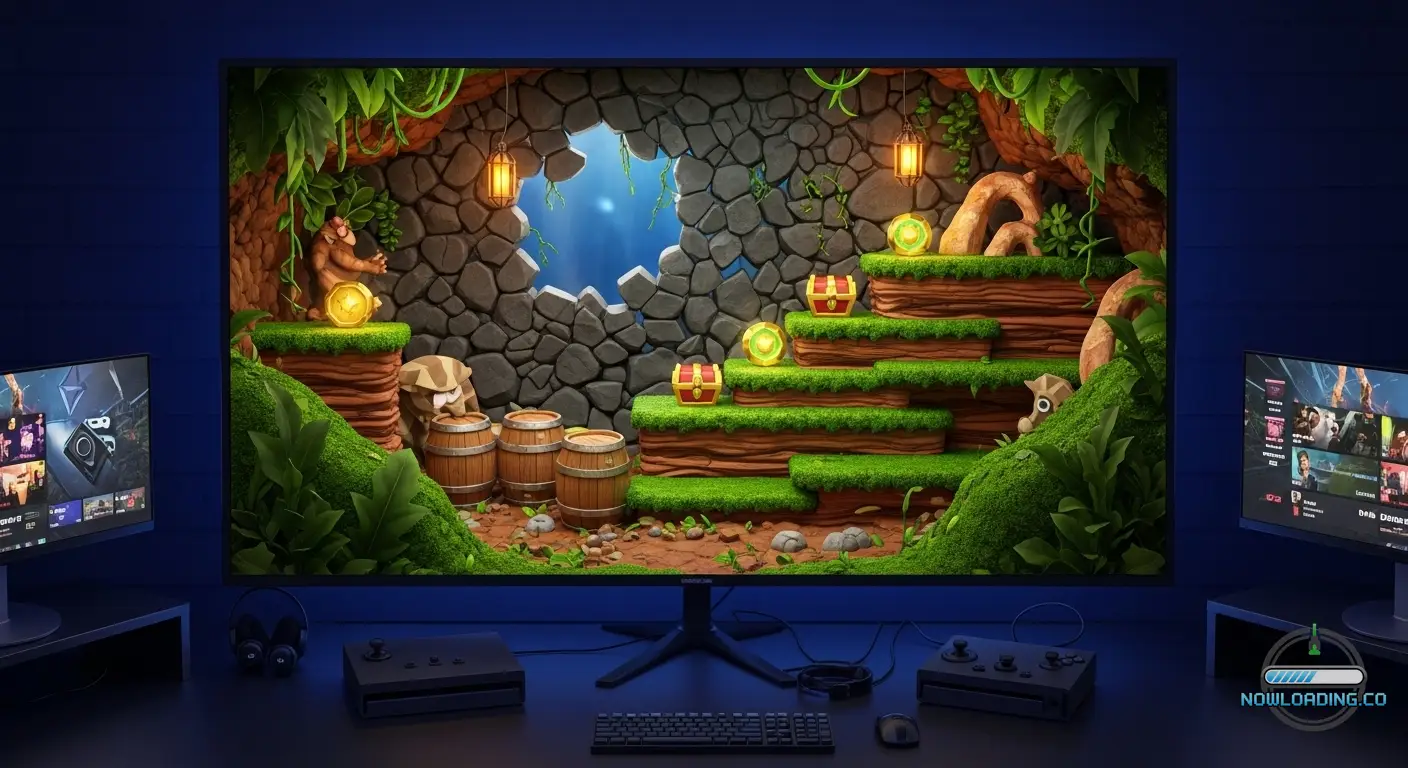
A lot of players get better once they stop hunting only for items and start looking for developer intent. Why does that empty alcove exist? Why is the camera wider there? Why did the designers leave one breakable object in a safe corner? Hidden level strategy is really about reading clues and noticing when a space feels too intentional to be empty.
If you like games built around hidden systems and layered rewards, Cult of the Lamb: Rituals and Doctrines Guide is another good read because it shows how progression can hide depth behind simple first impressions.
Advanced Route Planning for Streamers and Competitive Players
If you stream, do casual speedruns, or just want cleaner gameplay, random searching leads to bad content and sloppy practice. Advanced players need real routes. The nice part is that Donkey Kong collectibles usually fall into repeatable loops once a stage starts to feel familiar.
Start by ranking secrets as free, medium risk, and reset bait. Keep it simple. Free secrets take almost no extra time, while medium-risk ones need a small detour but still pay off. Reset bait secrets can ruin a clean run if you miss them or mess up the setup, so sorting everything this way keeps the run steady and makes choices easier when things get messy.
Build around momentum. Recent discussion around Donkey Kong Bananza treats momentum and continuity as core design ideas, and that matters here because a lot of hidden paths work best when you hit them with speed, from the right angle, or with the right move already active. Don’t route a collectible by itself. Work it into a motion chain.
For example, if one bonus room entrance works better after a roll jump, start setting up that roll a few seconds earlier. A lot of strong players get better right here, because they stop reacting at the secret itself and start getting ready for it before they even get there, which changes the flow of the whole route.
Audience clarity matters too. If you stream, explain the logic out loud. Say why a wall looks fake or why one collectible got skipped to protect a cleaner route. Viewers like learning the thinking behind the run just as much as they like watching the result, and that can make a route feel much sharper on stream.
Best practices for advanced runs are simple:
Use stage notes
Keep a short note for each level: hidden room triggers, risky jumps, and spots worth revisiting too.
Practice in chunks
If one secret entrance is the problem, don’t keep replaying the whole stage. Just practice that part instead.
Review your own footage
Watch failed runs at half speed. Missed visual clues or small movement habits can show up more clearly when you slow everything down.
Accessibility, Focus, and Avoiding Collectible Burnout
Collectible hunting can be fun, but it gets tiring fast, especially in games where hidden routes depend on tiny visual clues, strict timing, or replaying the same section over and over. Managing the hunt a bit more carefully helps performance and keeps the whole thing enjoyable once the sessions start adding up.
First, manage visual fatigue. Looking for breakable walls, hidden gaps, and strange little ledges for too long will wear your eyes out, and once that happens, even obvious things start slipping by. Take short breaks every few levels. If bright effects bother your eyes, lower the game brightness. Strong contrast settings on your display can help too, so try them during search runs and see if small details stand out more clearly.
It also helps to split relaxed runs from serious ones. Not every session has to be a completion session. Some nights are better for learning a world, enjoying the movement, and mentally noting clues as you go. Other nights are better for focused cleanup. Keeping those sessions separate protects your mood and helps the game stay fresh. Otherwise, every play session starts to feel like a job.
Audio and controller feedback matter too when the game gives you those tools. Hidden content is not always visual. Some games leave hints through sound, the feel of an impact, or small environmental reactions that are easy to miss if your attention is split. Headphones help more than a lot of people expect, especially in search-heavy sections.
For players trying to build healthy gaming habits around challenge-heavy titles, that mindset matters. Content creators burn out fast when every session becomes a performance. A forward-looking site like Now Loading covers the overlap between game mastery, hardware choices, and sustainable play habits. Bigger-picture topics. And it fits Donkey Kong collectible hunting surprisingly well.
Tools, Hardware Habits, and Setup Choices That Help
You don’t need elite hardware to play Donkey Kong well, but setup choices can still change how secret hunting feels. A few tweaks can improve reaction time, make hidden details easier to spot, and make long replay sessions more comfortable.
A low-latency display can make precision jumps into hidden rooms feel more reliable, especially when timing needs to be exact and there’s very little room to recover. Good headphones help too. Subtle environmental cues are easier to hear when the audio is clean, which can matter when a clue is easy to miss. A controller with a reliable D-pad or stick also matters if a route depends on exact angles or quick turnarounds. On a smaller handheld screen, hidden clues can be harder to see, so docked replays often work better for cleanup runs.
Here is a quick setup comparison:
| Setup Choice | Best For | Possible Drawback |
|---|---|---|
| Handheld play | Casual scouting and comfort | Small clues are easier to miss |
| Docked on a large display | Collectible cleanup and route study | Less portable for note-taking |
| Headphones on | Hearing subtle cues and immersion | Can feel tiring in long sessions |
| Capture footage enabled | Reviewing hidden path attempts | Adds workflow after play |
If you create content, record your replay runs even when you don’t expect to post them. Watching footage back is one of the fastest ways to catch missed clues, wasted movement, and the panic habits that show up near hidden levels.
Players who like testing setups across genres may also like Popular Indie Games: Paralives Early Access Guide, especially if different game styles and comfort setups are part of the appeal.
Common Mistakes That Keep Players From Finding Secrets
Most missed collectibles come from habits, not a lack of skill. One of the biggest is sticking too closely to the main path. In a lot of Donkey Kong stages, players get used to always moving forward, and after a while they stop asking where the route is really leading. That’s often when things get missed. If a level suddenly feels too simple, that can be the moment to get a little suspicious.
Another mistake is checking everything with no system. Players waste time punching every wall or jumping into every corner. It may sound thorough, but it kills momentum and breaks focus. It’s better to follow clue density and start with spots that actually stand out.
Replay value gets ignored too. Some collectibles get much easier once the stage already feels familiar. No shame in that. Skipping a brutal bonus room on a first clear is fine, especially if coming back later means better timing and a clearer sense of what the room wants.
Challenge rooms cause tunnel vision too. Players get so focused on surviving that they miss a second hidden reward tucked somewhere inside. An easy mistake. Before leaving, check the top corners and the exit path, because one extra look can save another full run.
Frustration spirals are the last big problem. After missing a few secrets, some players start rushing, and that can lead to even more misses. Slow down. If needed, switch goals for the session, then come back later with a clearer head.
Frequently Asked Questions
Start with a normal clear first. Learn the level flow, note suspicious spots, and avoid forcing every secret right away. Then replay with a checklist mindset and focus on clue-rich areas instead of searching every inch.
Look for signs like odd wall textures, safe platforms in risky places, off-angle barrel launches, lonely enemies near dead ends, or camera framing that shows extra space. These clues often point to hidden rooms, bonus sections, or alternate paths.
Usually, no. First runs are better for learning routes and mechanics. Full collectible clears become much easier once you know where branching paths, challenge rooms, and risky detours are placed.
They usually need both, but observation comes first. You have to notice the clue before skill matters. Once you find the route, movement control helps you reach the reward cleanly and repeat it on later runs.
If you like strategy-focused guides that explain systems in clear language, Now Loading is a useful place to keep on your radar. It covers game guides, hardware topics, and play-focused insights that fit players who want both practical tips and bigger gaming trends.
Route breakdowns, hidden path showcases, first-clear versus optimized-run comparisons, and challenge-room practice clips all work well. Sites like Now Loading also reflect how this kind of guide content fits a wider creator ecosystem, especially for players mixing gameplay skill with commentary and setup advice.
Quick Reminders Before Your Next Secret Hunt
Before your next run, keep it simple. Clear the stage in a natural way, then mark any suspicious spots you notice. Replay with real purpose and only start optimizing once you know what actually matters. That order helps. It saves time and keeps the game fun.
Donkey Kong secrets usually follow movement flow, small environmental hints, and a willingness to test something that feels a little off. A good collectibles guide shouldn’t make the game feel like homework. It should help players understand how the game communicates, so missed secrets feel readable instead of random.
If comparing secret design across very different games sounds fun, Digimon Story: Time Stranger Guide, Team & Combat Tips shows another side of progression planning. In that game, hidden strength comes from systems and team choices rather than platform routes.
Now It Is Your Turn to Break Open the Map
Getting good at Donkey Kong collectibles comes down to awareness, not luck. When players start noticing suspicious geometry, odd enemy placement, safe little alcoves, and momentum-based pathing, hidden levels get easier to spot. Things start to click. Guesswork fades, and real understanding takes over.
This collectibles guide covered the main ideas: why modern Donkey Kong design rewards exploration, how players can read a level more like a designer, why first runs and replay runs should have different goals, how hidden rooms signal that they’re nearby, and how advanced players turn all of that into cleaner routes. It also covered accessibility-friendly habits, useful setup choices, and common mistakes that waste time.
Here are the key takeaways:
- Use first runs to learn instead of forcing 100%
- Search clue-rich areas instead of every surface
- Treat hidden level strategy like pattern recognition
- Build routes around momentum and low-risk pickups
- Take breaks and protect focus during long cleanup sessions
- Review footage to improve faster
The next step is simple. Pick one level, clear it cleanly, replay it using these rules, and compare the result. For most players, that probably means finding more while putting in less effort. That’s when Donkey Kong collectible hunting starts to feel really satisfying. More complete. Smarter too, and the difference shows up fast.