
AION 2 is finally moving past rumor-filled MMORPG talk and into a real global launch story. The biggest update is simple, but it still matters: NC America has confirmed that AION 2 is coming to global PC players in 2026, with release plans tied to Steam and PURPLE. That gets attention. AION has had a loyal fan base for a long time, and this kind of rollout usually points to a much bigger push than the earlier regional launch path. For players in North America, South America, Europe, and Japan, this kind of MMORPG news can quickly change watchlists, guild plans, and even streaming schedules, and that often happens fast. From that angle, the update alone is worth watching.
What makes this AION 2 news feel even more relevant is the timing. The announcement appeared in April 2026, and more details are expected in May 2026. That means the next few weeks could shape early class discussions, endgame expectations, monetization debates, and hardware planning for PC players who want to jump in on day one. In this article, we’ll look at what’s confirmed, what still seems uncertain, how AION 2 seems to be positioning itself for a global audience, and what these release updates could mean for competitive players, creators, and MMO fans who want to get ready early. That window will probably matter a lot.
The confirmed global PC launch is the big headline
The biggest update so far comes from Massively Overpowered, which reported on April 21, 2026 that NC America officially confirmed AION 2 for a global PC release in 2026. The report connected that launch to two main platforms: Steam and PURPLE. That detail makes the news feel much more solid because the announcement clearly points to a version being made for global PC players rather than a simple port or a later regional rollout. This likely would have come much further down the line otherwise.
That changes how this lands across the wider MMORPG news cycle. Steam support affects visibility in a very direct way. It puts AION 2 in front of players already browsing new releases, wishlisting upcoming games, and following MMO news even if they do not usually keep up with Korean MMOs closely. PURPLE, meanwhile, keeps NCSoft’s own ecosystem involved for existing fans, and that is usually a key part of how these launches are handled. Therefore, this already looks like a two-track approach: broad reach through Steam, alongside more platform control through NCSoft’s own service.
The currently named regions include North America, South America, Europe, and Japan. For global MMO communities, that list stands out because it suggests a more coordinated international rollout than many fans probably expected. That is probably the part getting the most attention. It also suggests AION 2 is being positioned as a long-term live service product, not something that only feels like a niche import. In cases like this, that often means ongoing updates, regional support, and a clearer plan for players across several markets.
| Confirmed Update | Current Status | Why It Matters |
|---|---|---|
| Global PC release | Confirmed for 2026 | Sets the game up for a broad international MMO launch |
| Platforms | Steam and PURPLE | Improves reach, discoverability, and launcher choice |
| Regions mentioned | North America, South America, Europe, Japan | Signals a serious worldwide audience strategy |
| More details | Expected in May 2026 | Players may soon get rollout, content, or system updates |
The table above shows why players are paying attention right now. There are still missing details, but there is already enough here to see AION 2 as one of the more important global release updates in the MMO space this year, or at least one of the most closely watched.
Why this announcement matters for the MMORPG market
AION 2 isn’t coming into a quiet genre. It’s entering a crowded MMO space, and players are much more careful now about where they spend their time, money, and trust. New MMORPG announcements usually do not land the way they did ten years ago. At this point, gamers expect smooth performance, fair monetization, cross-region support, modern combat, and enough endgame content to make the long grind feel worth it over time. That is why this 2026 global announcement feels important as more than just a simple release date update.
The legacy of AION and new expectations
The AION name still has history behind it. For older MMO players, it brings back memories of faction conflict, flight systems, open-world tension, and high-stakes PvP. Younger players tend to see it through a different lens. AION 2 needs to prove itself in a market shaped by more flexible live-service games, better social tools, and faster content updates. Those are big expectations. A global release on Steam gives it a real chance to reach that newer audience in a place they already use every day (and probably trust more than a separate launcher).
It also arrives in a year when PC communities are once again driving a lot of the conversation around long-term multiplayer worlds. Players want something fresh to stream, raid, theorycraft, or build communities around. That gives AION 2 a place beyond simply returning as a legacy IP. In this view, it may end up being a real test of whether classic MMO brands can come back in a way that still feels current and fits how people play now.
If you want the broader launch picture, we covered this here: Aion 2 Global Launch and Season 2 Updates Explained. It connects with the latest AION 2 cycle because players are trying to link launch timing, system changes, and early post-release expectations into one larger roadmap.
What we know about the global version so far
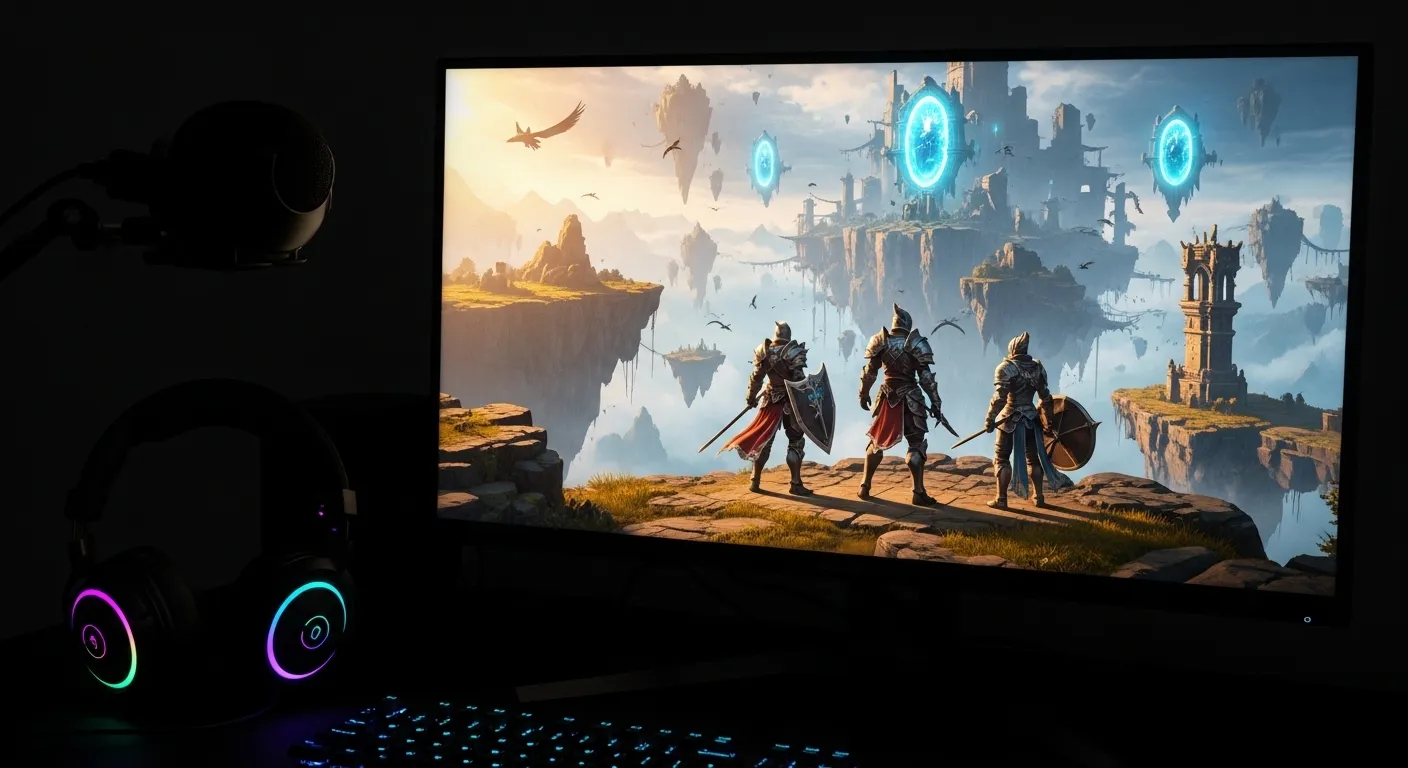
One of the clearest strengths in the current reporting is how it talks about the global build itself. The announcement said the team had put a lot into making a version that fits global PC players, and that it plans to stay connected with Western players and media throughout the year. Even without a full technical breakdown, that wording already says quite a lot.
Localization and optimization expectations
For starters, it suggests NCSoft and NC America understand that a direct copy of a regional launch probably would not be enough. Global PC players often expect smoother onboarding, cleaner UI settings, better server planning in North America and Europe, and more direct communication. They also tend to react very quickly when monetization feels rough or progression starts hitting walls. If the company is shaping AION 2 with Western and broader international audiences in mind, it likely knows those risks are right there. That is a meaningful sign.
It also suggests localization may go beyond basic text translation. Good global MMO launches usually need region-aware event schedules, content pacing that makes sense across markets, social features, moderation support, and hardware optimization for a wide range of systems. That is especially relevant for streamers and competitive players. It matters even more when stable performance is needed during massive fights or other demanding content.
The note that more information is expected in May 2026 also creates a near-term window to watch. Players will likely be looking for updates on classes, progression systems, monetization structure, release timing, and server plans. Even a small reveal in one of those areas can shift community opinion quickly. That kind of reaction happens fairly often.
A useful comparison is the way other major multiplayer launches have handled global hype cycles. The releases that usually do best tend to answer practical questions early. For example: Can a guild transfer? How aggressive is the cash shop? What does endgame actually look like? Is PvP balanced? AION 2 does not need to answer every one of those right now. However, games often get more trust when that process starts before launch instead of waiting until the last minute.
Features, map scale, and combat talk: what is confirmed and what is still unclear
This is the point where readers really need a clear split between solid facts and the more exciting possibilities. Confirmed AION 2 global release updates are still fairly limited. The year is known, the platforms are known, and the broad regional scope connected to the rollout is also known. More details are expected in May 2026, so that is a date worth watching. Beyond that, many of the feature claims being shared most often are still on much shakier ground.
Rumors versus confirmed details
A few surfaced snippets have mentioned a huge 1200km² world and UE5-powered aerial combat elements. Those details sound like the kind of upgrades fans naturally want to hear about. A larger world could make exploration feel more rewarding and give long-distance travel a clearer purpose. It could also leave room for large guild conflicts in certain areas instead of pushing everyone into the same spaces. Better aerial systems would also fit AION’s identity very well, which makes the idea easy to believe.
Still, those details were not fully verified in the strongest surfaced reporting. That does not mean they are false. It simply means careful readers should treat them as possible rather than confirmed. In MMO coverage, that gap often matters a lot because early hype can turn fragments into accepted facts long before official systems are properly shown, explained, or tested in public.
Even so, the unverified claims do show what players seem to want from AION 2. They want scale, movement that feels unique, and PvE and PvP content that uses the world in dramatic ways instead of treating it like a pretty backdrop. If NCSoft meets those expectations with real technical polish, smooth traversal, and large-scale encounters, AION 2 could probably become one of the more talked-about MMORPG launches of 2026.
Managing expectations early
One simple way to put it is this: the confirmed story is already strong on its own, while the rumored feature layer adds extra momentum. So what should players do with that? Stay excited, but stay selective, since that is the safest approach. You will want to track official reveals, compare them with community expectations, and then decide whether AION 2 looks like a launch-day commitment or more of a wait-and-see MMO.
Steam, PURPLE, and why platform choice could shape player growth
Platform strategy often matters more than many players think. Steam is not just another launcher. For a huge number of PC players around the world, it is where discovery starts, where wishlists begin to build momentum, and where community reaction shows up fast. Putting AION 2 on Steam gives it instant exposure to a massive audience of MMO-curious players who might never bother installing a separate client.
Balancing two ecosystems
PURPLE, meanwhile, gives NCSoft more control over the user experience, ecosystem integration, and its relationship with players. That probably matters a lot here. It can support account systems, in-game events, customer support, and longer-term service planning. Still, there is a clear downside. If the convenience or feature set feels too different between the two platforms, players could start complaining about fragmentation.
The best outcome would be parity between both options. Players should be free to choose the platform that fits them without feeling punished for that choice. Steam’s visibility can help streamers get noticed and may create overlap between communities that would not usually mix. PURPLE may feel more familiar for longtime NCSoft users. If both versions are polished, stable, and fully synced, the game has more room to grow and a better chance of avoiding a split audience.
This bigger platform question also goes beyond AION 2. More games are trying to balance direct ecosystem control with the reach that major storefronts offer. If you follow wider multiplayer launch trends, we covered this here: What’s New in Battlefield 6 Season 2: Latest Updates and Future Plans. It shows how platform and service strategy can shape player sentiment long after the launch hype fades.
Launch week challenges
One major challenge will be the technical pressure of the first week. Steam releases can bring sharp spikes in traffic, user reviews, and support demand. PURPLE may help with dedicated infrastructure and account management. Even so, public perception will still depend heavily on how smooth the Steam experience feels during those first few days.
PvE, PvP, and endgame expectations players are already building
Even with only a small set of confirmed details, players are already judging AION 2 through the MMO priorities they know best. The main focus is easy to spot: strong PvE progression, meaningful PvP, and enough endgame structure to keep guilds active for months. That is a big expectation. AION still has legacy value as a faction-driven MMO, so many fans are watching closely for signs that large-scale conflict and its aerial identity will return in a real way.
PvE and PvP content balance
For PvE players, the hope goes beyond simply getting more quests. They want a world that feels large enough to explore, along with different dungeon types and repeatable systems that still stay fun after the early leveling stretch. If AION 2 really launches with a much bigger world and better content loops, it could avoid one of the most common modern MMO launch problems: hitting a wall too early. That is often where interest starts dropping fast.
For PvP players, the pressure seems even higher. Balance matters right away, and server health, faction incentives, and gear progression all matter from day one too. Competitive MMO communities can usually forgive some launch messiness, but they almost never ignore a system that feels unfair by design. Because of that, AION 2 needs to show that large-scale conflict rewards skill, stays clear during fights, and feels worth learning on a deeper level.
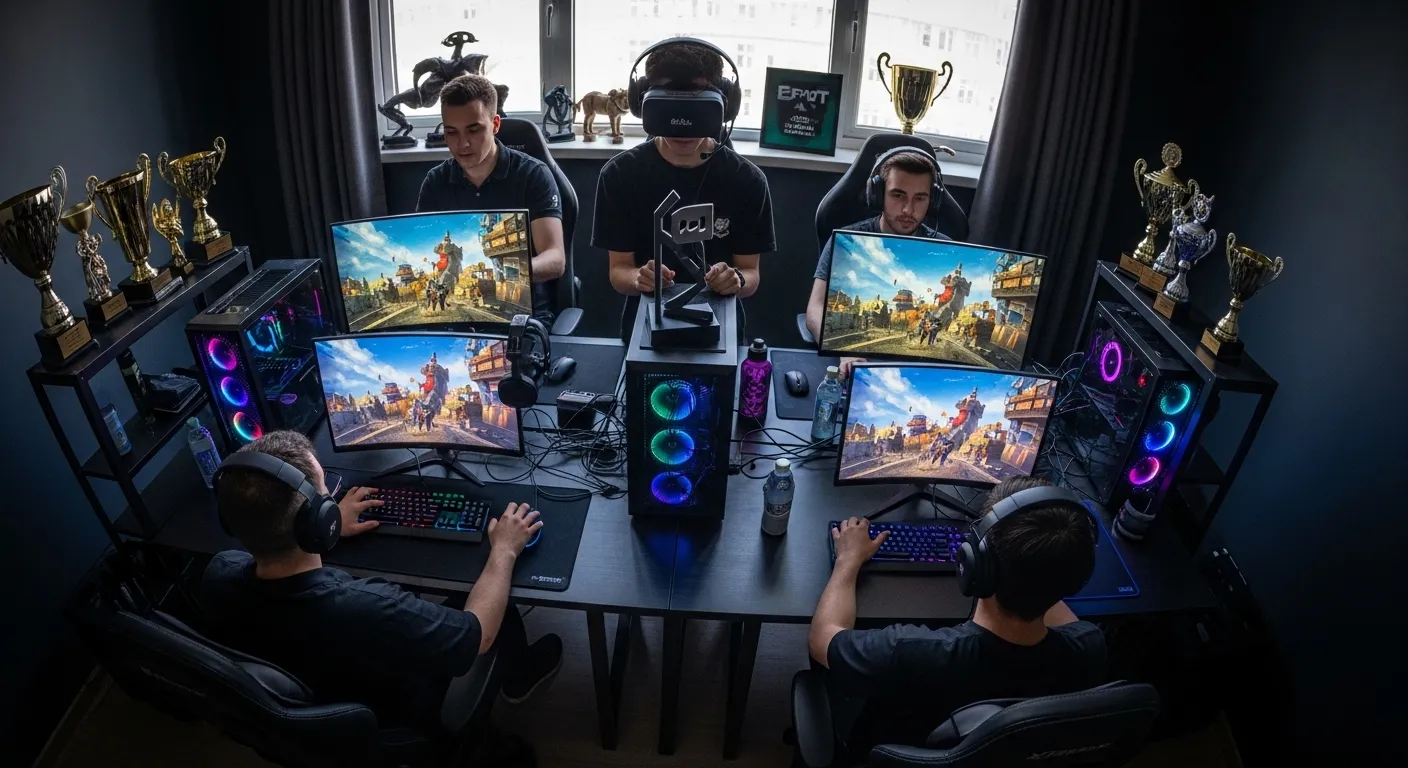
For content creators, this is the point where the opportunity starts to feel real. A healthy mix of PvE and PvP gives streamers more formats to work with, including class guides, raid prep, world boss runs, faction war clips, and patch reaction content. If the gameplay systems work well, that could make AION 2 one of the more creator-friendly MMORPG news stories of the year.
Players curious about how major live-service communities form around big launches may also like Call of Duty 2026 Updates: New Content & Record Viewership. It shows how content cycles and audience spikes can quickly shape the longer-term conversation around a game.
The monetization question is hanging over the hype
No talk about a modern MMO launch really feels complete without monetization coming up somewhere. In the available research, GameFragger noted that discussion around AION 2’s global release is happening alongside worries about monetization. Since the full article body was not usable in the research that was available, it makes sense not to push those details too far. Even so, the concern matters because this is a very real pressure point for global MMO launches.
Player trust and fairness concerns
Players in 2026 are very alert to pay-to-win systems, convenience purchases that slowly start feeling necessary, and progression design that seems built to push spending. Legacy MMOs especially often come with a trust problem here. A lot of fans want the old social depth and the long-term grind, but they do not want the older monetization habits that can hurt fairness. For this kind of release, that looks like one of the biggest make-or-break issues.
So AION 2 will likely be judged on clarity almost as much as content. If the game explains its store model early, sets limits that feel fair, and avoids major competitive advantages for spenders in PvP or progression, it can build goodwill quickly. However, if communication stays vague or sounds defensive, community sentiment could turn in a bad direction before the first major patch even arrives.
That is why the expected May 2026 information window matters so much. Players are not only waiting for flashy trailers. They also want practical answers. What can be bought? What affects power? How are battle passes, cosmetics, convenience boosts, and similar extras handled, especially at launch? In today’s MMO market, those questions can shape launch success almost as much as combat or art direction.
Why AION 2 could be a strong game for streamers and community builders
AION 2 could have a real shot at becoming a strong creator game if the rollout goes well. Stream-friendly MMOs usually work best when they bring together a few things: clear progression, dramatic group content, social tension that turns into stories, and enough system depth for guides and theorycrafting. That is a solid mix. AION 2 also starts with something many new games do not have: a recognizable name, some nostalgia, and built-in curiosity from people who remember the original.
Streamer opportunities and growth potential
That can create a rare opening for small and mid-sized streamers. New MMO launches often give creators room to grow alongside the game. If AION 2 gets solid early traction on Steam, streamers covering class explainers, performance tips, leveling routes, and first-week impressions could build momentum before the category gets crowded. Competitive players may spot the same opening through PvP builds and faction strategy content.
It could also fit community-focused creators who prefer longer-form content. MMOs tend to reward roadmaps, guild diaries, patch breakdowns, and bigger before-and-after coverage comparing launch balance, progression speed, or class popularity over time. That format feels like a natural fit, and it can work especially well outside live streaming.
For readers thinking about how huge launches can create ripple effects across gaming culture, GTA VI Anticipation Index: Latest News, Speculation & Gameplay Feature Predictions offers another useful example. It is a different genre, but similar hype patterns still appear.
AION 2 also benefits from how naturally MMOs create repeat content. When launch systems feel deep and social, creators usually do not have to force material. Guild drama, patch reactions, build changes, and faction shifts can keep giving them fresh things to cover week after week.
What players should watch between now and launch
The next phase is really about reading the signs. With more information expected in May 2026, players will probably get more out of watching a small group of make-or-break updates instead of getting pulled into every rumor post or reused clip.
Key areas to monitor
The release structure is the first thing to watch. Is there a clear timeline, some kind of beta plan, or even a rollout window for specific regions?
The gameplay systems come right after that. Which classes are actually being shown, and how does combat really feel once it is seen in motion? What do the PvE and PvP loops look like when the trailer editing is gone? In most cases, this is usually where it gets easier to tell whether the game actually feels smooth or just looks flashy.
Server and region planning also deserve close attention. A truly global MMORPG needs strong regional support in places like North America, Europe, and Asia, along with community tools such as guild features and in-game chat that help people stay engaged. Then there is monetization, which may be the biggest trust test of all. If the model feels fair, AION 2’s momentum could grow fast. If it feels bad, it could drag everything down even when the combat looks great.
Communication tone matters too. Players notice when a publisher speaks clearly, and they also notice when obvious concerns are being avoided. Games that build strong early communities often keep updates simple, direct, and regular.
Frequently Asked Questions
The confirmed release year is 2026. Right now, the strongest surfaced reporting says AION 2 is coming later in 2026, but a final exact launch date has not yet been confirmed.
The global PC version is confirmed for Steam and PURPLE. That gives players both a major storefront option and NCSoft’s own platform path.
The surfaced reporting mentions North America, South America, Europe, and Japan. Those are the main regions currently tied to the global release framing.
Not fully from the strongest surfaced source. Those details appeared in secondary snippets, so they should be treated as promising but unverified until official materials confirm them directly.
It combines a well-known MMO name with a confirmed 2026 global PC release, Steam visibility, and the promise of more details very soon. That mix creates hype among old fans, new players, streamers, and competitive communities.
The bottom line for players waiting on AION 2
Right now, the main update is simple: AION 2 is no longer just another hopeful MMO rumor. Its global PC release is confirmed for 2026, with both Steam and PURPLE part of the plan. More details are expected in May 2026, and that alone probably makes this one of the bigger global release updates in current MMORPG news.
For now, the next step is about patience and paying close attention. There is already plenty of excited speculation going around, so it helps to separate what is confirmed from what people are only assuming. One useful approach is to keep watching for monetization clarity, the actual PvE and PvP structure, server planning, and platform performance. In most cases, those details usually tell players much more than cinematic hype does.
For quick takeaways, keep these points in mind:
- AION 2 is confirmed for a global PC launch in 2026
- Steam and PURPLE are the announced platforms
- More details are expected in May 2026
- Players should treat large map and advanced feature claims carefully until confirmed
- Monetization and launch communication may decide community trust early
If NCSoft handles the next round of reveals well, AION 2 could end up as one of the standout MMO stories of the year. That said, it depends on how clearly the next details are shared. For anyone keeping track of how this fits into the wider gaming space, Now Loading is a useful place to follow the broader pattern behind major multiplayer launches, creator opportunities, and fast-moving global release updates.