
Battlefield 6 Season 2 is officially live, and it’s already changing how large-scale shooters are played and streamed in 2026. Released on March 17, 2026, the Nightfall season pushes Battlefield into darker, more tactical territory, something most players notice almost right away. The shift is clear. Visibility, pacing, and team coordination feel different across the maps, and accessibility is part of that shift too, often showing up within the first few minutes of a match.
For anyone who followed the Battlefield 6 launch, Season 2 tends to answer a long-running question: can the series change without losing what makes it Battlefield? Nightfall suggests it can. The familiar core is still there, and in some ways feels stronger, supported by smarter systems and more focused map design. Mechanics now reward awareness and planning more than fast reflexes alone. Darkness isn’t just about looks; it often shapes how squads move, talk, and choose the right moment to push, especially as matches unfold.
This article looks at what’s new in Battlefield 6 Season 2, covering maps, weapons, progression updates, and what developers have lined up next (no fluff, I think). It also looks at how these changes affect competitive players, streamers, and anyone adjusting their setup for Battlefield in 2026. If jumping back in sounds tempting, or staying longer feels likely, this guide explains what to expect, starting with how a single night map can change an entire match.
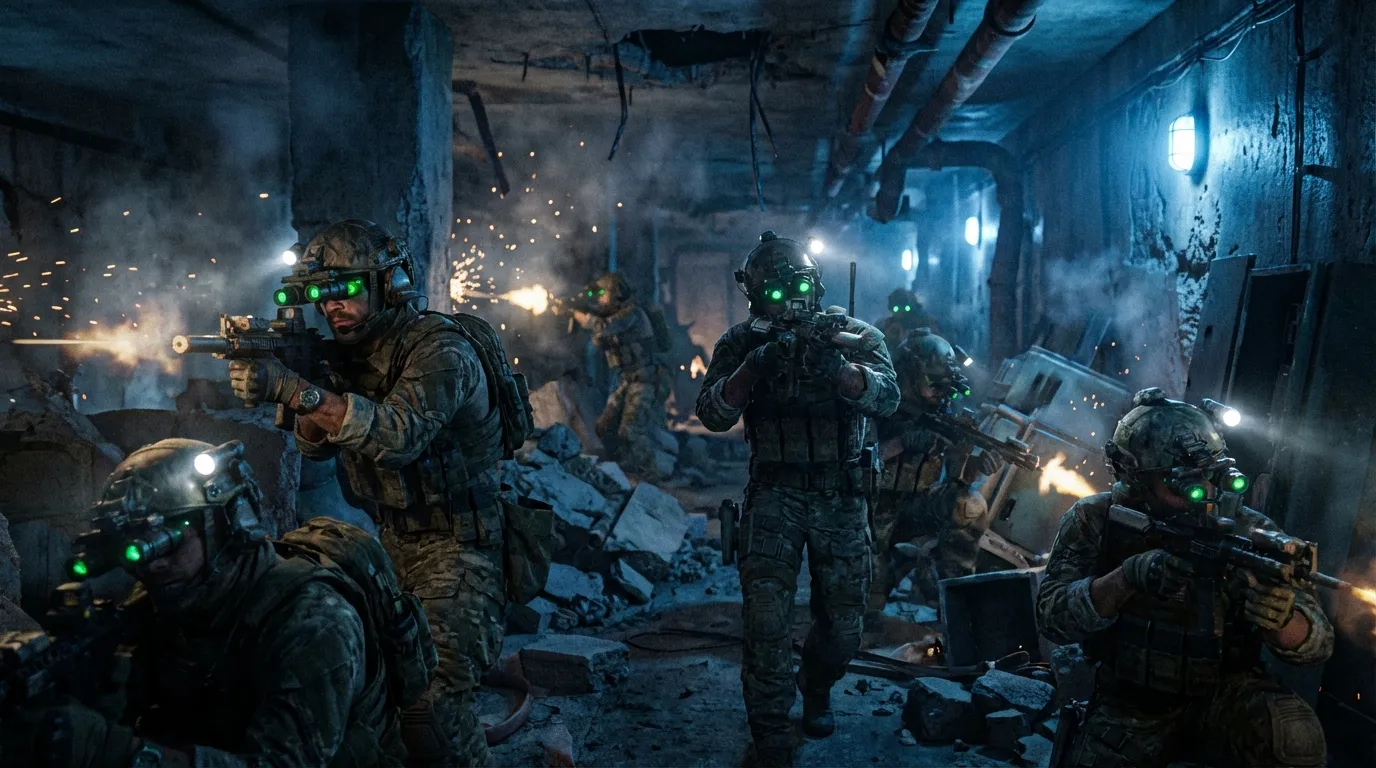
Season 2 Nightfall: What Changed Right Away
Season 2 Nightfall hit servers on March 17, 2026, and the impact was clear almost right away. The idea behind the update is simple, but also a little bold. Darkness stopped being just a visual style and became a real gameplay system. From the moment you spawn, low light affects how players move, fight, and plan. Almost every change in Season 2 connects back to that idea, making darkness something you think about in every match, often with each small choice you make.
What stood out first wasn’t what players could see, but how often they couldn’t. Visibility dropped sharply. Night Vision Goggles and thermal optics went from “nice to have” to gear you might plan an entire match around. Deciding when to turn them on matters just as much as bringing them along. NVGs help you spot movement but narrow your side vision. Thermals pick up enemies quickly, but they often miss environmental details, especially indoors, and that can end a run fast. These trade-offs show up immediately, and they don’t leave much room for error.
The new Hagental Base map fully supports this direction. It’s an underground military complex designed for dark fights, with tight hallways, enclosed rooms, and nonstop close-range pressure. Moving between levels often decides who wins a fight, and clear squad communication matters more than staying quiet. Solo players feel the pressure early, and the map doesn’t ease anyone into it.
New weapons like the CZ3A1 SMG and Viper SBR follow the same approach. They favor controlled movement and accuracy instead of spray-heavy play. Fights feel slower and more intentional, and mistakes usually get punished quickly.
Player behavior changed almost overnight. Matches slowed down. Engagements happened at closer distances. Squads waited longer before pushing. Battlefield Studios’ early telemetry showed higher revive rates and objectives being held longer, and that greater reliance on teamwork is easy to see in live matches.
Darkness as a Core Gameplay System
The biggest change in Season 2 is how darkness now shapes moment‑to‑moment choices instead of just setting the mood. In older Battlefield games, night maps were mostly visual flair. In Nightfall, low light directly affects how players move through hallways, line up shots across short sightlines, and stay alive once fights start. Movement becomes more cautious, and sometimes slower, because charging in usually gets punished fast.
Spotting enemies is no longer a given. When visibility drops, AI behavior shifts, and human players lean more on sound and quiet squad signals. Audio matters a lot more. Players often pause to listen for boots on metal floors or the deep rumble of vehicles squeezing through tight corridors, especially after sightlines disappear, which happens quickly.
This change raises the skill ceiling. Strong players are no longer defined by aim alone. They manage light sources, switch optics mid‑fight, and plan squad pushes without giving away their position. A poorly timed flashlight can ruin a flank, while a smart NVG toggle can flip an objective.
Darkness also adds mental pressure. Tension builds, pauses feel longer, and clearing one room can matter as much as taking a whole sector on a bright map because it locks angles and creates breathing room. Small wins stack up.
According to Battlefield Studios, this was done on purpose.
Nightfall is about reclaiming tension and uncertainty, darkness isn’t just visual flavor, it’s a tactical layer players must master.
It also fits wider shooter trends in 2026, where controlling information matters as much as pure aim. For players who like high‑skill, high‑risk matches, Season 2 often delivers through tight room clears instead of flashy long‑range kills.
New Map Spotlight: Hagental Base
Hagental Base kicks off Season 2 with a mood that feels very different from classic Battlefield maps. Set deep inside a huge underground military complex, the map focuses on narrow hallways, stacked vertical areas, and extremely short sightlines. You won’t find open fields or long views here, and that choice clearly changes how matches unfold. The layout pushes players to react fast and fight up close, giving the action a faster and more intense rhythm than large outdoor maps.
There are no long sniper lanes to rely on. Most paths run through maintenance tunnels and shared control rooms, pulling players toward the same spaces again and again. Because of that, teamwork often matters more than hunting solo kill streaks, especially near choke points. Vertical movement adds extra pressure. Enemies can drop in from above, rush up from below, or turn a corner right in front of you, which keeps the tension high throughout the match.
Vehicles work differently here. Heavy armor barely appears, while lighter vehicles show up in small but useful ways. Infantry combat drives nearly every fight, so the map works especially well in squad-based modes and competitive playlists that reward coordination. Solo players can still do well, but constant movement is key.
What really brings the map together is its environmental storytelling. Flickering warning lights, broken machinery, and unstable power systems suggest a base in serious trouble. These details naturally guide how players move and help sell the feeling of being inside a dangerous, failing facility, all without cutscenes.
Compared to other shooters this year, this design choice feels different. The ongoing Battlefield-versus-rival discussion continues here: GTA VI vs. Battlefield 6: Which Game Will Dominate the 2026 Gaming Landscape?
Weapons, Vehicles, and Loadout Meta Shifts
Season 2 arrived with fewer new weapons than some players expected, but that seems intentional since each one fills a clear role. The CZ3A1 SMG, for example, feels best in fast, quiet close‑quarters fights. It rewards short, controlled bursts, even though holding the trigger can be tempting. Players who move quickly through buildings often feel at home with it, especially when clearing rooms and checking corners one at a time.
At a bit more distance, the Viper SBR fits neatly into the mid‑range slot. Its smooth handling and steady recoil give players a dependable way to keep pressure on enemies without the weapon feeling awkward or slow. It works well for those who want flexibility without constantly rethinking their loadout or swapping guns every match.
The biggest vehicle change is the military motorcycle. Its basic look hides how useful it really is. The speed helps make rotations between objectives smoother, especially when timing matters. Skilled players are already using it to take quick routes, slip behind enemy lines, and push squads into rushed choices that fall apart fast.
Altogether, these updates are slowly shifting the loadout meta. More players are choosing suppressed weapons with fast‑toggle optics, plus gadgets focused on gathering information instead of pure damage. Early Season 2 data shows gadgets being used more often per life, while explosive spam shows up less. Staying alive and staying aware matter more now, especially in dark, tight spaces.
Below is a simple comparison of how loadout priorities have changed since Season 1.
| Loadout Focus | Season 1 Priority | Season 2 Priority |
|---|---|---|
| Visibility Tools | Low | High |
| Suppressed Weapons | Medium | High |
| Heavy Vehicles | High | Medium |
| Squad Gadgets | Medium | High |
This meta often rewards players who plan ahead and adjust on the fly, like switching to info tools after getting caught in a dark stairwell fight early on.
Nightfall Mode and Squad-First Design
Nightfall mode is where Season 2’s ideas usually come together. By removing the minimap and most HUD elements, it asks squads to depend on voice chat and clear callouts instead of glowing icons, which many players notice right away. There’s no real safety net. Most wins come down to awareness, sound cues, and teammates who stay in sync.
What feels different is how progression works at the squad level instead of focusing on one player. Big solo plays still happen, but Nightfall usually favors teams that move with purpose and fight side by side. Revives, spacing, and smart positioning drive XP more than lone flanks. Small choices add up fast, and they often decide how a match wraps up.
Matches often start slow, with squads checking angles and listening for movement. Once teams commit, it often snaps into tight, coordinated pushes, and that shift feels intense. The pacing is closer to tactical shooters than classic Battlefield, and that slower build adds tension if real risk is what you enjoy.
This setup works well for competitive players and also fits streamers who want to hold attention. Results stay unpredictable, tension sticks around, and the strong light-and-dark contrast keeps night matches clear on stream.
For anyone setting up a Battlefield 2026 stream, performance and display quality matter here. Night maps quickly show frame drops and weak contrast, so upgrades are worth thinking about. We covered that here: Gaming Laptops 2026: Innovations and Must-Have Features
Nightfall also acts as a testing ground. Several systems are expected to carry into ranked and long-term playlists later this year, but nothing feels fully locked in yet, which is likely intentional.
Progression, Accessibility, and Quality-of-Life Updates
Season 2’s biggest change shows up in how progression feels day to day. With Bonus Path rewards in place, earning XP feels less grindy, and casual players usually unlock key gear without hitting a wall. That smoother pace helps a lot if you can’t log in every day, since progress doesn’t feel as punishing or slow anymore.
Another clear change happens early on: weapon unlocks are no longer tied to premium-only paths. Matches feel fairer, and new or returning players can jump in without extra roadblocks (which is a smart choice). Early games tend to feel more welcoming when basic tools are ready to use from the start.
Accessibility updates deserve real praise. UI scaling is easier to set up, contrast options are stronger, indicators are easier to see in dark areas, and visual cues are clearer overall. These features aren’t flashy, but together they help low-vision players move through maps without breaking immersion.
Quality-of-life tweaks round things out. Respawn timers are clearer, squad spawns make more sense during busy fights, and progression tracking explains itself better. Fewer “what just happened?” moments usually mean less frustration, like quickly understanding why a respawn took longer after a messy push.
How Season 2 Fits the Battlefield 2026 Roadmap
Season 2 ties directly into Battlefield 6’s wider 2026 roadmap, and it usually isn’t meant to feel like its own isolated moment. Instead of dropping everything at once, it rolls out ideas that are meant to last through the year, which makes the timing feel more planned. The developers say that systems introduced in Nightfall will keep changing as new seasons arrive and as player habits become clearer, especially based on how matches actually play. Over time, this kind of feedback loop helps decide what stays, what changes, and what slowly disappears.
We’re using Season 2 to test systems that will carry forward into competitive and long-term Battlefield experiences.
What comes next may be the most interesting part. Early Season 3 hints point to larger outdoor night maps and ranked competitive playlists, which should fit players who like more structured matches. There’s also talk of story events tied to the REDSEC storyline, though that could still move in a few directions. On the technical side, audio occlusion and haptic feedback are being tested to make close-range fights feel heavier and more physical in most situations.
Industry analysts often say that spreading features out lowers risk while allowing faster real-world testing. That flexibility can matter more than one flashy launch.
Overall, the roadmap points to a steady effort to keep Battlefield 6 active long after release, with ongoing support instead of one huge content drop. To compare it with other games, there’s also a curated list here: Best PC Shooters for Competitive Play in 2026
Hardware, Performance, and Visual Optimization
The biggest advantage in night combat often appears when movement cuts through the dark. Night fights stress your setup, and most players feel it fast. Smooth frame rates, quick response, and clear contrast matter more than max resolution on dark maps.
For PC players, a smart move is high‑refresh‑rate monitors and GPUs that handle dynamic lighting without stutter. Even short hiccups can throw fights off. Accurate positional audio helps more than expected.
Console players usually get the best results by tuning HDR and brightness. Push it too bright and you break Nightfall’s tension and hurt visibility.
Benchmarks show that holding 90 or 120 FPS gives an edge in low‑light fights, especially against sudden movement. Audio delay and muddy visuals can hurt survivability, like missing a flanking step.
Streaming and Content Creation Opportunities
Season 2 often feels like a real win for content creators, and lately it’s one of the better setups around. Night maps carry a lot of the appeal on their own. Flashlights cutting through dark hallways, sudden ambushes in tight corridors, and long, tense standoffs often turn into clip‑ready moments with very little setup. This mood comes through clearly on urban night maps and forest routes, especially in familiar hotspots players already know.
There’s space for educational creators too. Simple breakdowns of loadouts, NVG use, and basic positioning help newer players get comfortable faster. Looking at squad tactics like callouts, spacing, and coordination can build trust over time, even if it grows slowly. That trust matters once viewers start asking deeper questions.
Platform data shows higher retention on visually distinct clips. Night lighting creates fast contrast for short clips, while longer tactical videos are still finding their crowd. Timing also matters. Interest around Battlefield 6 overlaps with hype for titles like GTA, which can raise visibility. We covered that here: gta vi release date confirmed: what to expect
Common Challenges Players Are Facing
Season 2 doesn’t click for every player right away, and that’s pretty normal when new systems roll out. What people notice most is that enemies are harder to see and the opening minutes can feel slower than before. In many cases, this friction comes from settings and fight habits. Small contrast changes and optics that match how you play can make things feel smoother, even if it’s a bit annoying at first. Team movement matters more now. Going in alone usually ends badly once fights begin.
Another challenge is figuring out how to use light. Leaving a flashlight on just gives away your position. It works better when you use it briefly and with intention, not all the time. Audio can also feel messy in crowded areas. Tweaking the sound mix helps, and a headset can make cues easier to catch, though it often takes some trial and error.
Frequently Asked Questions
Battlefield 6 Season 2, Nightfall, launched on March 17, 2026, and players noticed it.
It runs briefly, with the final phase ending on April 14, 2026, you’ll feel it.
Season 2 focuses on low-visibility combat. Darkness shapes gameplay as a main mechanic, built around vision gear and lighting tools that players use.
Fast and easy to read for ranked play, Hagental Base keeps sightlines tight and lanes clear for close, squad-focused fights. Yeah, I think it works most of the time. The tradeoff is teamwork: comms are needed every round, or chaos creeping in.
No, you don’t. Season 2 unlocks usually work without a premium Battle Pass (I think), and that often makes progression easier for most players.
Yes, developers say they’re testing Season 2 systems to support long-term, competitive Battlefield play (for now).
Why Season 2 Sets the Tone for What Comes Next
Season 2 Nightfall feels like a clear signal for where Battlefield is heading in 2026 and beyond, at least from this angle. What stands out first is the confidence. After a few matches, you can feel it. Darkness isn’t just a visual trick anymore, it works as a real gameplay mechanic, pushing players to think harder, talk more, and adjust on the fly as Battlefield 6 settles in. That pressure shows up most during close-quarters fights and late-round pushes.
Key takeaways:
- Awareness and teamwork are rewarded more clearly than before, especially in low-visibility areas (hallways, rooftops, outdoor lanes at night)
- While the new content speaks to competitive players, it still leaves room for relaxed matches on busy evenings (you’re not locked into try-hard mode)
- Small accessibility and quality-of-life updates matter here, including interface and pacing tweaks that quietly add up
- Future seasons are set up to build on these ideas instead of wiping the slate clean
Big spectacle takes a step back. Tension, hesitation, and not knowing what’s next often sit at the center of each match (and that’s arguably the best part). That’s what turns rounds into stories people talk about later, clutch revives, last-second pushes, long after the match ends.
If you stepped away after launch, this is probably a good time to jump back in and see what’s changed. New players will notice how much smoother things feel right now, even in early matches (menus, pacing, flow). Battlefield 6 isn’t chasing the crowd. It’s carving its own lane, in my view.
We’ve written about similar shifts in shooters over on nowloading.co, and this season fits neatly into that bigger picture. So yeah, it tracks.