
Game remakes are no longer side projects, and they are not just nostalgia bait either. In 2026, they have become one of the biggest forces in gaming. Major publishers use them to bring older hits to new players, while indie teams return to classics with fresh ideas and, sometimes, surprisingly bold changes. Players want more than sharper graphics. They also want better controls, smarter design, stronger performance, and features that fit the way people actually play now, whether that means streaming, handheld sessions, or jumping in for a few short bursts.
That change is a big part of why remakes matter more now. In 2026, a remake is often more than an old game with better visuals. It can mean a full rebuild with modern engines, accessibility options, online systems, and new tools that make content easier to share on streams or short videos, which matters a lot for many players. So it is not surprising that discussion around game remakes keeps growing across forums, social feeds, and creator spaces. It also connects to other major 2026 trends like cloud gaming, AI tools, cross-platform play, and stronger hardware targets. In my view, that is probably why remakes feel more central to gaming than they did before.
For players, streamers, and indie fans, that brings both excitement and plenty of questions. Which classics are really worth remaking? What should studios keep, and what should they rethink? Why do some remakes feel instantly loved while others seem hollow? This guide looks at why remakes are rising, what the gaming industry may do next, how 2026 trends could shape design choices, and what smart gamers should pay attention to before buying on day one. If you follow future-facing coverage from Now Loading, this is a trend worth watching.
Why game remakes keep winning in the modern market
The biggest reason game remakes keep growing is pretty simple: they lower risk while still building hype. Original games can absolutely become huge hits, but they usually need more marketing because players do not know the world, the mechanics, or the story yet, and that can be a big ask. A remake starts with awareness already in place. Fans know the brand, and newer players may recognize the name from clips, memes, or even older siblings talking about it. That gives publishers a much stronger starting point by the time launch day arrives, especially during those first sales-heavy days.
There is a tech reason too, and it matters a lot here. Many classic games have amazing ideas, but the controls can feel clunky, the pacing may drag, and the limits of older hardware are often tough for modern players to accept. A remake gives studios room to keep the core of the game while cleaning up the frustrating parts around it. Better frame rates, smoother camera movement, faster loading, and modern checkpoints can turn a respected classic into something people actually want to keep playing for hours instead of quitting after one session.
Recent market behavior backs this up too. Remasters and remakes often rank high on sales charts because they bring in two groups at once: returning fans and curious newcomers. In a crowded release calendar, that usually matters even more. You get nostalgia and discovery in the same launch window, which is probably a big reason these games stay so visible.
| Remake Strength | Why It Matters in 2026 | Who Benefits Most |
|---|---|---|
| Brand recognition | Cuts through crowded release schedules | Publishers and streamers |
| Modern tech upgrade | Improves visuals, loading, and controls | Players on current hardware |
| Lower creative risk | Uses proven ideas and worlds | Studios managing budgets |
| Broader audience reach | Brings classic IP to younger gamers | New players and communities |
The table makes that pretty clear. Game remakes usually land in a sweet spot: familiar enough to grab attention, but still fresh enough to fit the current gaming industry.
What counts as a game remake in 2026?
Not every updated older game means the same thing. By 2026, players are a lot better at telling the difference between a port, a remaster, and a real remake. That matters because the label sets expectations before anyone even starts playing, and that is pretty fair.
A port is usually the same game moved over to newer hardware. A remaster normally keeps the original structure in place while improving things like resolution, lighting, sound, or frame rate. A remake goes further. It often rebuilds the art, animation, systems, and sometimes even the level design from the ground up. In some cases, it adds story scenes, new voice work, or updated combat as well.
It helps to think about this in layers. First there is access: can this older game be played on modern hardware? Then comes comfort, where it runs better, loads faster, and looks cleaner. After that comes reinvention. Does it still feel like the old game, just shaped by modern design standards? That is usually where the most interesting game remakes appear, or at least that is how it often seems.
In 2026, studios are leaning more into that reinvention layer. Players now expect better quality-of-life updates, optional difficulty tuning, a reworked UI, and settings that feel right on handhelds, PCs, and consoles. At the same time, they still expect care. If a remake removes key features, changes the tone too much, or misses what made the original special, backlash usually shows up fast.
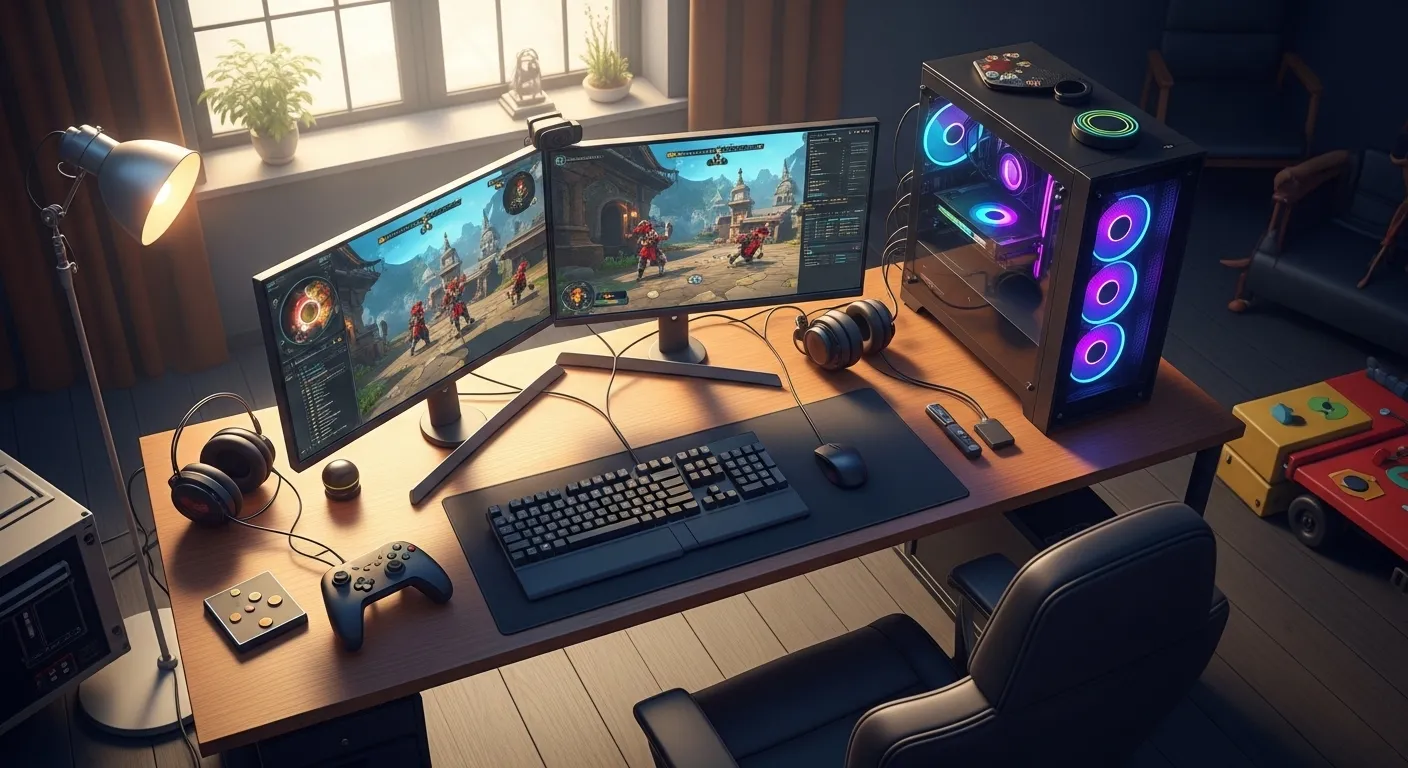
A good remake in 2026 should answer a few simple questions: what is being preserved, what is being improved, and what is newly added. Pretty simple, really. If a studio cannot explain that clearly, players will probably notice.
The biggest 2026 trends shaping game remakes
The biggest 2026 trends are changing what a remake can be. Graphics still matter, of course, but they are not the whole picture anymore. Players now judge game remakes by how well they fit current habits, devices, and the way people actually play, and that is a pretty big shift. In most cases, the standard is simply higher now.
Cross-platform thinking is growing quickly. More games are being designed for PC, console, and handheld-style play from the start. Because of that, remake teams are working on UI scale, save systems, and control mapping much earlier in development. Cloud support matters more as well, especially for players who want flexible access without needing top-end hardware. For the wider view, this was covered here: Cloud Gaming in 2026: What Gamers Need to Know, and it connects closely to how remade games might reach phones, laptops, TVs, and other screens.
AI-assisted production is helping speed up art cleanup, animation support, testing, and dialogue workflows. That still does not mean AI replaces teams. It mostly means teams can spend more time polishing the game and less time stuck on repetitive work, the tedious tasks that slow things down. It is a small change with a big effect in practice. That shift is already tied to broader storytelling updates discussed in AI in Gaming: How Technology is Shaping Game Storytelling.
Player wellness and accessibility are starting to feel standard instead of optional extras. Colorblind settings, subtitle controls, camera assist, input remapping, and flexible difficulty all shape player trust. These features can also help streamers and competitive players who need consistency across long sessions, especially during extended play or broadcasts.
Social content matters more than ever too. A remake with a strong visual identity, smooth performance, and memorable set pieces usually has a better chance of showing up on streams and in short-form clips. That is one reason publishers are thinking about creator value much earlier now, probably because it is easier to see almost right away what gets shared, clipped, and replayed.
Nostalgia is only the start, not the finish
Nostalgia gets attention, but it usually isn’t enough to keep players around for long. Years ago, some publishers could treat a well-known title as if the name alone could carry a remake, and at the time that probably seemed fine. That is much harder now. Players compare everything quickly across platforms, genres, and price points. If a remake feels clunky, thin, or too expensive for what it offers, people move on fast.
The best game remakes use nostalgia as the way in, then support it with an experience that still feels good today. They remove frustration without losing the game’s identity. An older survival horror game, for example, might keep its tension and puzzle structure while improving aiming, making inventory easier to handle, and smoothing out movement in ways players notice right away. A classic RPG can keep its world and cast while adding clearer menus, smarter quest tracking, and better balance from beginning to end.
The pitch has changed. It used to sound more like, “Remember this?” Now it’s closer to, “Remember this, and imagine how well it can play today.” That may sound like a small shift, but it means a lot, and it says quite a bit about where the gaming industry is right now.
Recent case studies usually show the same pattern. Strong game remakes often succeed because they respect tone, improve controls, and tighten pacing. They also add optional features instead of forcing big identity changes, and that often makes a real difference. Weak remakes usually struggle when they miss one of those points. Sometimes the atmosphere gets stripped away. Other times, they pile on systems that feel current but empty.
This matters for indie fans too. Smaller studios often understand the soul of older games especially well, and that same spirit shows up in new projects inspired by older design. If that connection between old ideas and new execution appeals to you, btw, we wrote about that here: Upcoming Indie Games in 2026: The Hidden Gems You Can’t Miss.
Nostalgia may open the door, but design quality is usually what keeps players there.
What gamers should expect from remake quality in 2026
By 2026, players usually expect more, and that makes sense. Most people already know what modern standards look and feel like. So when a remake comes out, gamers often have a mental checklist ready, even if they never really say it out loud (even if they don’t list it). That’s basically where things are now.
Performance comes first. Players want stable frame rates, fast loading, and as few launch problems as possible. Better visuals still matter, of course, but not if they start getting in the way of responsiveness. That tends to matter even more in action games, shooters, or anything built around precise timing. If the input feels delayed or the frame rate drops during fights, people will notice right away.
Control feel matters just as much. Older games often had stiff movement, fixed camera limits, or systems hidden deep in menus. Some of that can stay if it fits the style. Even so, most players now expect options. Camera sensitivity, aim assist, dead zone settings, and remappable inputs feel like basic standards now (and probably non-negotiable for some people). That’s fair, since these are the settings players use all the time.
Quality-of-life design matters too. Autosaves, clear map tools, better tutorials, accessibility menus, and other small upgrades can make a remake much easier to recommend. Small details add up. They usually don’t hurt the original vision either. They just make the game easier for more people to enjoy (which is usually the whole point).
Value matters too. Players want to know if a remake really does enough to justify its price. Has the soundtrack been rebuilt? Are there expanded areas? Maybe there is bonus content, a photo mode, challenge modes, or behind-the-scenes material. In 2026, value usually comes from the full experience, not just how good a trailer looks (trailers can only show so much).
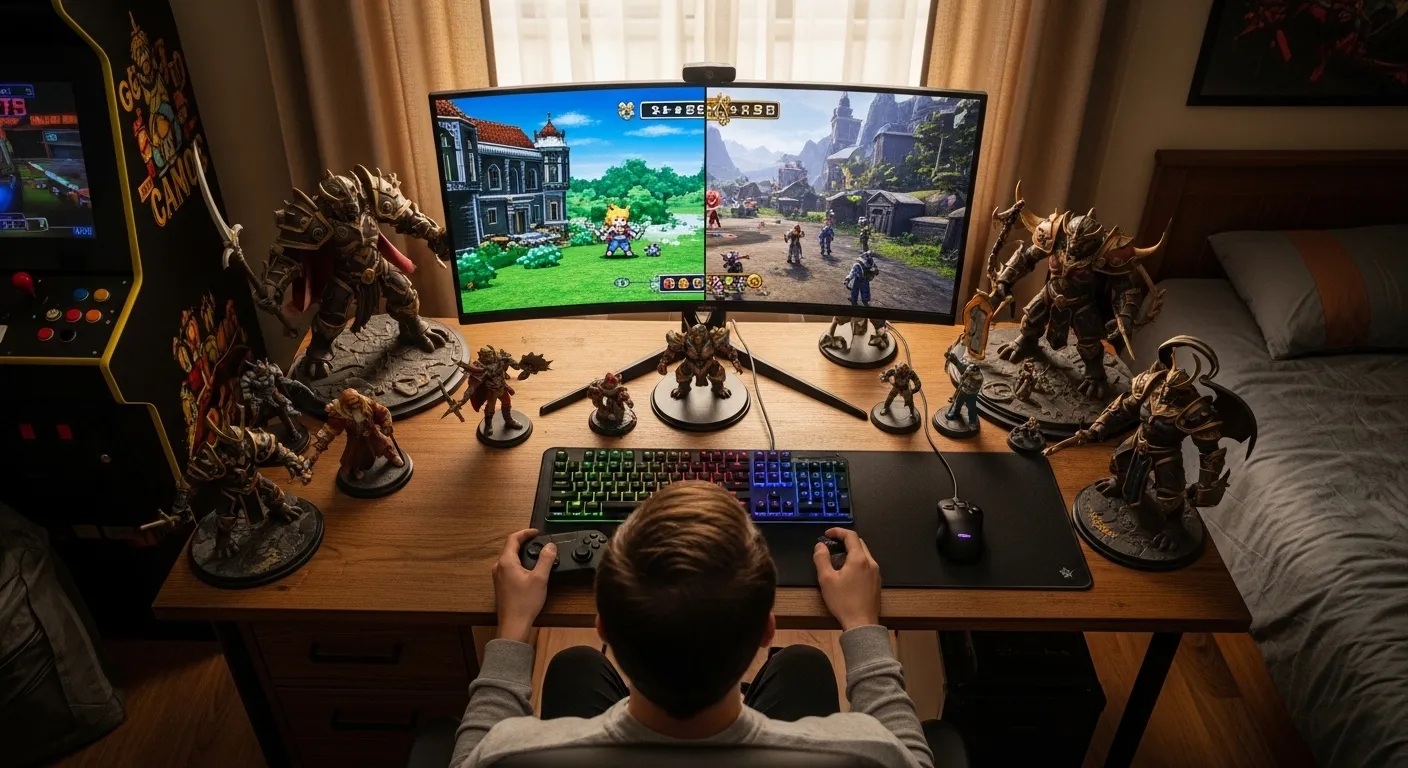
The game remakes that really stand out will feel thoughtful from start to finish.
Why streamers, esports players, and creators care so much
Game remakes are not just for long-time fans. They also work really well as content engines. For streamers, a remake can bring in viewers from different age groups at the same time. Older fans show up for the nostalgia and to compare the old version with the new one. Younger fans tune in to see why the original mattered in the first place, which is often fun to watch. That mix usually leads to a more active chat, and that matters a lot for live content.
There is also a clear format advantage. Game remakes are easy to turn into videos and clips in several ways. Side-by-side comparisons, first impressions, lore explainers, challenge runs, hardware tests, ranking videos, and other formats can all work depending on the game. In many cases, that gives creators more ways in than a completely new release does. Having that range is very useful when someone makes content on a regular schedule.
Competitive players care for a different reason as well. When classic fighting games, shooters, or strategy titles come back, communities often rebuild quickly. Better netcode helps, while modern matchmaking makes it easier to jump in. Clearer balance tools can also bring back scenes that once had high skill ceilings but were hard to enter. The result is a game that still feels old-school, but usually works much better for modern tournament play because practice and matchmaking are easier to access.
For creators covering bigger platform shifts, remakes also connect to wider market stories. A rebuilt classic can reveal just as much about platform strategy as a new AAA release. That larger 2026 battle shows up in trend pieces like GTA VI vs. Battlefield 6: Which Game Will Dominate the 2026 Gaming Landscape?, where legacy, hype, and audience behavior collide.
The hardware side of the remake boom
Remakes often end up being games that show off hardware, even when they come from much older titles. That might sound a little odd at first, and honestly, it kind of is. Still, it usually makes sense. A familiar world rebuilt with modern lighting, haptics, 3D audio, ray tracing, fast SSD loading, and similar upgrades gives developers a clear way to show what current machines can actually do.
That is especially helpful for buyers trying to decide where to play. Some game remakes simply feel better on a big console setup, where stronger visual settings and that living-room experience still appeal to a lot of people. Others often work better on PC, especially for anyone who cares about mods, frame-rate options, or ultrawide support. A few even surprise people by running well on handheld devices or through cloud setups.
Before buying, it helps to check a few practical things: performance modes, storage size, input support, and upscaling quality. Those details matter more than a trailer sometimes makes it seem. A remake can look amazing in promotional footage and still end up with stutter, or with blurry image reconstruction on certain systems.
For people building or upgrading a setup, game remakes can also work well as benchmark games. They often push modern lighting and asset streaming pretty hard, while still being easy to compare with older versions of the same game. If that side of gaming is part of the fun, Gaming Hardware Showdown: Best Gear for Every Gamer offers helpful context on which hardware matters most in 2026.
In the current gaming industry, game remakes are not just about preserving the past. They also help sell the future of hardware.
The risks: when a remake goes wrong
Not every remake lives up to the hype. Some lose their way because they treat polished visuals as if that alone means good design. Others chase broad appeal so hard that they lose the tone, systems, or pacing that made the original memorable in the first place. And some just launch unfinished, which players usually notice immediately. That kind of risk shows up across the games industry, not only with game remakes.
The clearest red flags are often easy to spot. When previews focus almost only on graphics and avoid showing combat, progression, level design, or other gameplay depth, that is a good reason to be careful. If the original had a very distinct tone and the remake changes the art direction too much, people will probably argue about it. Fans also tend to react badly when important systems are removed and nothing strong replaces them. Price matters too, especially when the project feels more like a remaster than a full rebuild.
Audience mismatch is another issue. Some publishers remake niche classics and then market them like big mainstream action games, and that is usually a warning sign. It creates false expectations. Players hoping for deep strategy may get something more simplified instead. Newcomers expecting a modern blockbuster might run into an older structure underneath, with slower pacing or less guidance.
A smarter way to buy can help. You will learn more from uncut gameplay and by paying attention to what people say about launch performance. What about accessibility features like subtitle options, control remapping, or difficulty settings? It also helps to read reactions from both new players and returning fans, and I think that mix matters. Hype fades quickly, but spotting patterns usually helps more.
In 2026, informed players have more tools than ever, so it should be easier to support game remakes that truly respect the source material and the people actually buying them.
Frequently Asked Questions
A remaster usually keeps the same core game and upgrades visuals, audio, or performance. A remake rebuilds much more of the experience, often including art, systems, controls, and level design. In short, a remake aims to feel new while still honoring the original.
They blend nostalgia with lower business risk and modern tech upgrades. Players like seeing older classics return with better graphics, smoother controls, and stronger accessibility. The gaming industry likes them because known brands are easier to market in a crowded release year.
Yes, often more than ports or older versions. A good remake removes many outdated pain points, like clunky menus or poor camera control. That makes it easier for new players to understand why the original game mattered.
Yes, but mostly behind the scenes. AI can help with testing, asset cleanup, animation support, and production speed. The best results still depend on human direction, especially for tone, gameplay, and story choices.
Look at real gameplay, not just trailers. Check performance, content value, accessibility features, and whether fans of the original feel respected. If early coverage only talks about graphics, it may be smart to wait.
Where the game remake wave goes next
The rise of game remakes says a lot about the gaming industry in 2026. Players still care about the past, but they usually do not want to stay there. What they seem to want is classic ideas with modern comfort: better feel, easier access, smoother gameplay, stronger value for creators, and smarter use of hardware too, which feels fair enough. That helps explain why game remakes have shifted from occasional nostalgia releases into a major part of 2026 trends.
The main takeaway is pretty clear: the best game remakes are not just copies. They often work more like translations, bringing old emotions into a new technical and cultural moment. For gamers, that likely means more chances to revisit legends or discover them for the first time. Streamers and competitive players also get fresh content loops, and their communities often become active again around that kind of release. For developers, though, the bar is high. They need to respect the source while improving what feels rough, like clunky controls or weak performance. At the same time, they have to keep what matters most, such as the tone, core systems, or memorable design (in my view, that’s the hard part).
If you’re tracking upcoming releases, a simple checklist helps:
- Modern controls and strong performance are worth watching first
- Accessibility and quality-of-life features can show how thoughtful the update really is
- Compare the price with how deep the changes actually go
- You will learn a lot from old fan reactions, but new players matter too
- One useful question is how the remake fits into bigger 2026 trends
That is one practical way to read this moment. Game remakes are rising quickly, and the ones that succeed will probably help shape what gamers expect from the wider gaming industry next.