
Oblivion Remastered dropped quietly, then suddenly took off. Within days, millions of players were back in Cyrodiil. If you’re new, that rush of players can feel overwhelming right away (yeah, it hits hard). The world is huge, and you feel it in the first hour. The game doesn’t hold your hand. It asks for patience, curiosity, and a few smart early choices, especially while the systems feel odd and the map seems endless (you’re not imagining that).
For many people, this is their first Elder Scrolls game. Others remember the original, then notice how strange and deep it really is once some time passes. The remaster changes just enough to throw veterans off, so old habits don’t always work. Level scaling is still around, builds still matter, and early decisions can stick with your character for dozens of hours. Some choices last longer than you expect, and not everything can be fixed later.
This guide is for new players who want to enjoy the game without accidentally ruining a save. It also works for streamers and competitive‑minded players who want a smooth start that doesn’t fight them (or their chat). It covers leveling, combat, exploration, gear, mods, performance, and mindset, plus accessibility, mental wellness, and content creation tips that fit naturally into play.
Along the way, it links to deeper guides on Now Loading for anyone who wants to explore more. Think of it as a calm, friendly roadmap through a very wild RPG (getting lost is still part of the fun).
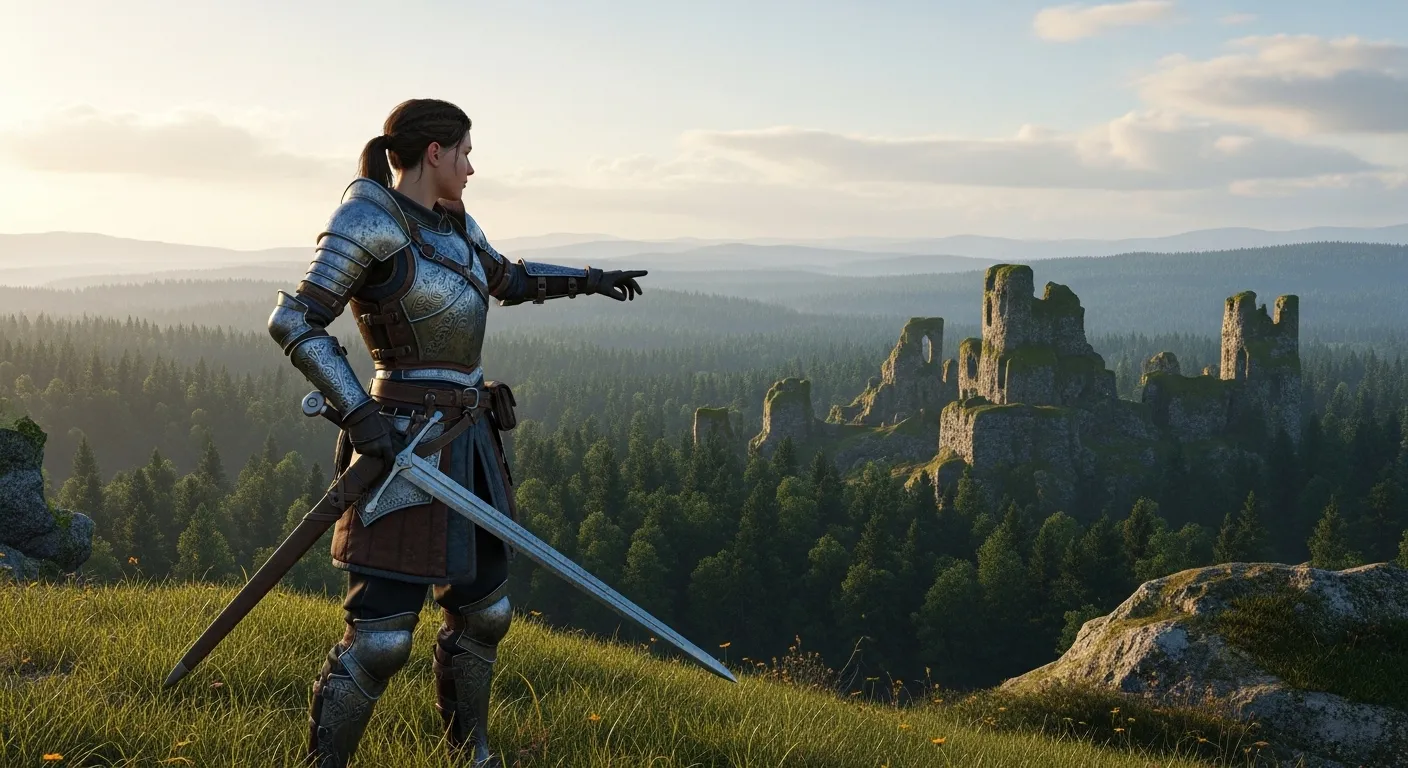
Understand What Oblivion Remastered Really Is
The first few hours show you almost everything you need to know about Oblivion Remastered. This isn’t a fast, twitch‑heavy action RPG that rewards quick reactions. It leans on systems, numbers, and long‑term choices, just wrapped in smoother visuals. That choice shows up early, especially once combat and leveling start to mix.
Leveling doesn’t work the way many players expect. Enemies scale with you, so careless leveling can make fights harder instead of easier. Spreading skills across everything sounds flexible, but it often leads to a weaker character later on. Many early drop‑offs come from this mix‑up. Players assume leveling up is always a win. Here, how you level shapes the whole experience, and rushing it can backfire.
The remaster does ease some rough edges. Endurance now feeds into passive health regeneration, fatigue penalties aren’t as harsh, and movement feels less stiff. Combat flows better from moment to moment. Still, the math under the hood hasn’t changed much. Attributes quietly guide your character’s growth over dozens of hours, even when the game barely draws attention to it.
What catches many players off guard is how little the game explains. Formulas, thresholds, and strong build paths stay hidden. That’s on purpose. This design comes from a time when experimenting was part of the fun. You try things, mess up, and slowly figure out what works. Once that clicks, frustration drops fast.
The timing of this remaster helps as well. The player base is busy, and guides, mods, streams, and community posts are easy to find, with lots of clear answers already written up.
| Metric | Value | Year |
|---|---|---|
| Players in first 3 days | 4 million | 2025 |
| Players after 3 months | 9 million | 2025 |
| Peak concurrent Steam players | 216,784 | 2025 |
| Positive Steam reviews | 76.8% | 2026 |
All of that activity makes Oblivion Remastered friendly for newcomers and creators alike, especially right now.
Build Your Oblivion Remastered Character With the End in Mind
A lot of long-term frustration starts at character creation. This is where rushing usually comes back to bite you later, so slowing down really helps. Choosing options you actually understand is better than grabbing something that only sounds cool at the time (almost everyone learns that lesson the hard way).
How you plan to fight should guide your race choice. Orcs are made for heavy melee and can take hits without going down fast. Nords sit in a similar spot, leaning toward close combat and raw toughness. Bretons make magic-focused play easier and take some pressure off during spell-heavy fights. Dark Elves fall between styles, giving you flexibility that’s forgiving while you’re still figuring out how the systems connect.
Birthsigns shape the early game more than most players expect. The Warrior gives simple bonuses that help new players survive. The Lady adds extra breathing room and smoother early progress. Both avoid tricky downsides, which helps before you know how to manage tradeoffs. Harsher signs make more sense on later runs, when you’re picking them with a clear plan.
Class skills are where things quietly slip off track. Major skills control how fast you level, and the skills you use all the time will push levels up quickly. Fast leveling feels great at first, until enemy scaling jumps ahead and your build can’t keep up.
Because of this, many players move commonly used skills into Minor instead. Leveling slows, attributes stay easier to manage, and you don’t get punished just for playing normally. It’s a small change, but it makes a real difference.
Endurance needs attention early. Health gains depend on your Endurance at level-up, and missed chances are gone for good. Putting points into it early permanently boosts survivability, which is why experienced players focus on it in the first ten levels.
This process is explained step by step in the Max Level Oblivion Remastered Guide: Complete Progression.
For streamers, this approach helps as well. Controlled leveling is easier to follow on screen, and viewers aren’t confused by sudden spikes in difficulty.
Combat Basics That Actually Keep You Alive in Oblivion Remastered
Combat in Oblivion Remastered looks simple at first: swing, block, maybe toss in a spell. But the real depth shows up once you’re moving. Positioning and timing shape every fight, and fatigue still matters, just without the harsh penalties from before. If you rush through encounters, it’s easy to miss how much is happening under the hood.
Fights usually go better when you control the setup. Doorways limit how many enemies can reach you at once, and pulling one target at a time keeps damage under control. Stepping backward while attacking gives you breathing room, and blocking early cuts more damage than you might expect. Shields aren’t only for heavy builds either; that extra protection adds up fast.
Magic-focused characters gain more from control than raw damage early on. Weakness effects stack quickly, Illusion can pause fights before they get messy, and even a short summon can soak hits long enough to reset the flow.
Armor choice quietly changes how combat feels. Heavy gear trades speed for toughness, while light armor rewards smart movement. Picking a path early keeps progress smooth and avoids awkward switches later.
Here is a quick comparison many new players miss.
| Approach | Risk Level | Beginner Friendly |
|---|---|---|
| Rushing enemies | High | No |
| Pulling enemies slowly | Low | Yes |
| Using terrain | Low | Yes |
| Standing still | High | No |
As your confidence grows, combat starts to open up. More detailed tactics are covered here: Oblivion Remastered Combat Mastery: Modern Player Strategies.
Explore First, Quest Later
Rushing the main quest can feel tempting, but Oblivion Remastered pushes back if you do. Head straight into story missions and the difficulty jumps fast. The world scales, but not in your favor if you skip the early setup.
Exploring first gives you space to settle in. You find better gear, build skills, and save gold before tougher enemies start crowding every road and ruin. Daedric quests show why timing matters. Their artifacts unlock at set levels, so grabbing those rewards early can clearly change how the rest of the game plays. You don’t just move forward, you feel stronger right away.
Instead of charging ahead, ease off a bit. Wander off the roads, clear caves, and join guilds. The Fighters Guild is a solid way to learn combat while earning regular pay, and the Mages Guild helps you get a feel for magic without forcing one playstyle. Both keep things flexible, which makes trying new things feel safer.
Exploration also teaches the game’s quieter cues. Notes in abandoned camps, strange scenes in unmarked spots, and small environmental hints show danger and reward without loud markers. Those details stay with you.
There’s a mood benefit too. Slowing down lets the music breathe and the small stories sink in, which is why many players see Oblivion Remastered as a comfort game.
Where you play shapes that experience more than you might think. Load times, mods, and performance all affect the flow. Those differences are broken down here: Oblivion Remastered on PS5 & Game Pass: Where to Play.
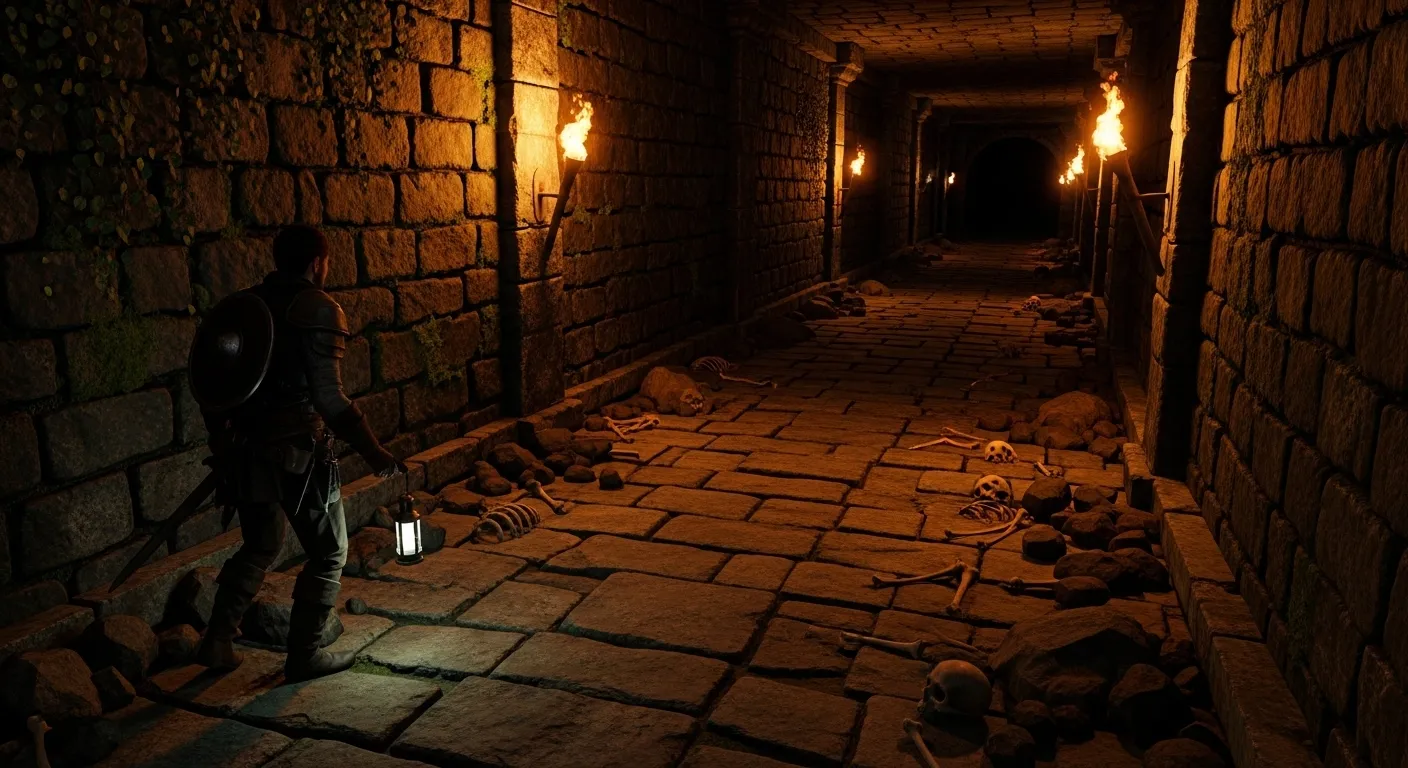
Gear, Gold, and Smart Upgrades
Early on, many players hoard gold and skip upgrades, and it often backfires. Even basic gear helps more than you’d think, including that boring helmet. Small armor boosts cut incoming damage fast, and you feel it right away when enemies start hitting less hard. Losing fewer chunks of health makes every fight feel calmer.
Broken weapons slow everything down. A damaged blade really does hit like a wet noodle, which drags fights out. Carry repair hammers and use them before trouble starts. Waiting until you’re already fighting costs time and health, and neither comes back easily.
Enchantments don’t need to be fancy yet. Fortify Health and simple Shield effects stay reliable through early fights. Big damage enchants make more sense once tougher enemies show up.
Weight quietly affects survival. Carrying too much slows you down and drains fatigue, which can turn deadly in combat. Learn what to drop or sell, and fights stay manageable.
Selling loot takes patience. Merchants run out of gold, so spreading sales across towns helps. Haggling works better later, after Mercantile improves.
Mods can change how gear looks and feels without hurting balance. Visual-only options are covered here: Best Nexus Mods for Oblivion Remastered: Canvas the Castle Oblivion. Optional, but nice to have.
Performance and Accessibility Settings That Matter
Oblivion Remastered usually runs smoother than the original, but the settings you pick still make a clear difference. Stutters during exploration or combat often point to heavy shadows, which are one of the biggest performance hits. Locking the frame rate can also keep combat timing more consistent, something you’ll notice once fights get busy.
Accessibility options are stronger this time. Bigger subtitles and control remapping make long sessions more comfortable, especially if reading or precise inputs cause trouble. Tweaking these isn’t about lowering the challenge, it’s about making the game easier to follow and control.
Audio tweaks matter more than you might expect. Clearer footsteps and spell sounds help during tense moments, so lowering music while boosting effects can speed up reactions. Those small changes add up fast.
For streamers, smooth performance usually matters more than top visuals. Viewers prefer consistent gameplay, and it’s easier on your head during long broadcasts.
If performance changes after updates, keep an eye on patches. Oblivion Remastered Patch Notes: Graphics Issues Update shows useful fixes without extra clutter.
Mods Without Breaking the Game
Mods are a big part of Oblivion culture, but moving too fast is where problems often start. Adding a lot of mods early can mess with balance or even damage save files, and that risk is real.
The safest place to start is with quality-of-life tweaks. UI updates and bug fixes are usually the most reliable, and small visual changes are fine as long as they don’t add new systems. Big overhaul mods are better left for later, after a full playthrough, once the game’s pacing and mechanics feel familiar.
Load order matters more than many expect. Even mods that work well on their own can clash if placed poorly, so using a mod manager and reading notes carefully really helps.
Mods can also spark interest in how games get made. For a wider view, Navigating Indie Game Development: Insights from Experts offers insight beyond just playing.
Streaming and Content Creation Tips
Oblivion Remastered sits in a great place for streaming right now. Discovery is solid, and the nostalgia angle brings people in fast, especially viewers who remember the original. Long-form RPG streams usually keep attention, so longer sessions work well here.
Viewers engage more when streamers talk through choices and explain builds as they play. Chat often gets active during big decisions. Simple overlays work best; letting the game breathe keeps focus on the world.
Regular session times help viewers settle into the journey, even when progress is slow or experimental. If you’re curious about trends and future storytelling, AI in Gaming: How Technology is Shaping Game Storytelling explores ideas that fit nicely with classic RPGs like this.
Common Problems and Easy Fixes
Level 10 and already feeling weak? You’ll feel a clear change by slowing down, leaning on trainers, and putting a few early points into Endurance, it helps fast.
Dying too fast happens to almost everyone. Better armor, more blocking, and pulling fewer enemies do more than risky tricks. Why fight five enemies when two are enough?
Buried in quests? Stick with one guild to cut the noise, and let the rest wait.
These problems feel personal at first, but they’re usually system-wide. Every veteran hit this wall, learned from it, and skipped an unnecessary restart.
Frequently Asked Questions
Yes, but only if you understand its systems. Take your time, explore early, and avoid rushing levels. The remaster is more forgiving than the original.
A melee or hybrid build with high Endurance is the easiest. Orcs, Nords, and Dark Elves work well. Choose survivability over damage early.
No. Explore first. Rushing causes enemy scaling issues that make the game harder. Side content prepares you better.
Yes, if you stick to quality-of-life mods. Avoid large overhauls until you finish one full run.
Very. The active player base and nostalgia factor help discoverability. Slow, thoughtful play performs well with viewers.
Your Journey Through Cyrodiil Starts Here
Oblivion Remastered rewards patience and curiosity, especially if you’re willing to learn its strange rules and work with them instead of pushing back. It can feel stubborn at times, but that pushback is part of the charm, and it pays off once the systems begin to click.
A few ideas help early on: build with purpose, explore before rushing ahead, and upgrade gear when you can. The systems open doors if you use them, while brute force often slows you down. Small comfort tweaks in the settings are worth it, they really add up.
Every trip through Cyrodiil feels different. Mistakes become stories, detours turn into favorites, and the slower moments are often what stick.
If you’re playing for relaxed fun or planning future content, these tips keep things easy, step out of the sewer and play your way.