
Stardew Valley gets called a farming game a lot, but that only tells part of the story. What really makes it special is the people around town. Crops make money. Tools help cut down the grind. Pelican Town gives the whole game its heart. Character relationships are a big reason it feels so warm and comforting, and every gift, event, letter, and small daily chat helps the town feel alive.
For many players, though, relationships can feel a little confusing at first. Some just want to know who to befriend early. Others are trying to figure out who’s easiest to romance, which gifts matter most, or how the game handles identity, inclusion, and player choice in a way that still feels gentle and natural. This guide answers those questions.
It explains how Stardew Valley character relationships work, how friendship and romance shape gameplay, and why the game still stands out for inclusivity in modern indie design. It also covers practical tips for building bonds faster, common mistakes players make, accessibility-friendly play habits, and what streamers or community-focused players can take from the game. Want a stronger overall save too? Pair this guide with Best Stardew Valley Mods to Install First for quality-of-life upgrades that make social play feel smoother.
Why Character Relationships Matter in Stardew Valley
Stardew Valley rewards social play. Talk to villagers and friendship goes up. Loved gifts speed that up. As you get closer, heart events unlock, and some of those rewards feel emotional, like learning a character’s backstory in a way that gives them more weight. Others are practical: recipes, gifts in the mail, or extra cutscenes that make the town feel more lived in.
Character relationships are part of the core loop, not something off to the side. With a strong social game, the daily flow can get better almost as much as it does with smarter farm planning, which helps explain why Stardew Valley keeps players around for so long. It works because the game mixes systems and emotion in a smart way, and that shifts how each day feels.
Here’s a simple breakdown of the value players get from investing in relationships:
| Relationship Goal | What You Unlock | Why It Matters |
|---|---|---|
| Friendship hearts | Recipes, mail, scenes | Adds story and utility |
| Romance | Dates, spouse options, home life | Creates long-term roleplay goals |
| Community bonds | Town immersion | Makes each season feel personal |
| Higher hearts with all villagers | More complete save file | Supports completion and replay value |
The table makes the value easy to see. Building relationships counts as progression, not wasted time. For players who enjoy optimization, friendship can feel like a second resource system. For players who lean into roleplay, it becomes the emotional center of the game. Streamers get a lot from it too. Some of their most memorable moments happen in those scenes, and that can give ordinary in-game days a lot more personality.
How the Friendship System Works
Stardew Valley’s friendship system seems simple at first. You talk to villagers, give them gifts, and trigger heart events. Under that, though, there’s a nice rhythm to it, and it rewards steady consistency much more than trying to rush everything as fast as possible.
Each villager has a heart meter. Most can reach ten hearts. Romance candidates can go beyond that after dating and marriage. You earn points by talking to people, giving them items they love or like, and joining seasonal events. If you ignore someone for too long, or give them something they hate, those points can drop.
A weekly pattern works best for most players. Check birthdays first, since birthday gifts are worth a lot. Then plan around the route you’re already taking. If you’re heading to the beach, bring something for Elliott. Passing the saloon? Say hi to Gus, Emily, or Shane. Regular habits matter more than trying to push every relationship forward all at once.
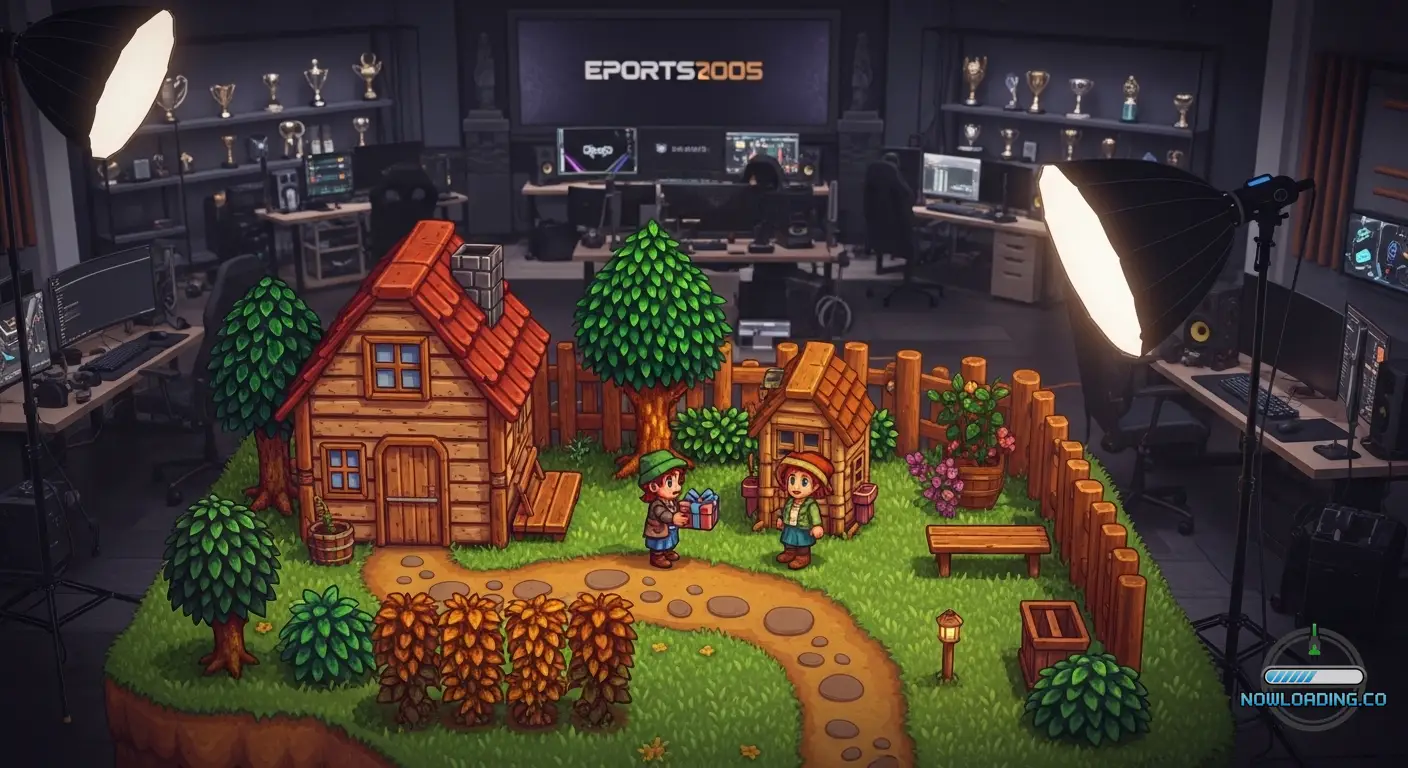
A lot of new players waste useful gift items on random villagers. It’s better to save a few common favorites and plan ahead. That matters even more early on, when energy, money, and inventory space all feel tight. If your farm schedule is already packed, planning your route helps a lot. Articles like Stardew Valley: Secrets for Maximizing Your Farm’s Profitability can help players balance social goals with income goals. Players looking for official updates can also check the game’s page on Stardew Valley Wiki.
The Best Early Friendships to Build First
Not every villager gives the same kind of early value. Some are easier to find. Some give better recipes, while others bring stories that land harder and make the game feel deeper almost right away. Picking a few early friendship targets can make that first year smoother and more rewarding.
Start with villagers you already see a lot. Caroline, Linus, Leah, Gus and Emily are strong early picks because they’re easy to reach, and several of them offer useful or meaningful friendship rewards. For many players, Linus stands out the most. His scenes show a lot about the game’s values: kindness, dignity and the idea that status shouldn’t decide how people are treated.
Leah is another strong example of good relationship design. In Cindersap Forest, she’s easy to meet, and her personality feels grounded. Her heart events also come across as human and believable. Shane asks for more emotional investment. His story is heavy. Still, for a lot of players, it becomes one of the most memorable arcs in the game.
Relationships can change a save file more than you might expect. Before those friendships grow, Pelican Town can feel like a set of NPC routes, with everyone moving around on schedules that feel more practical than personal. Put in a season of real social effort and those routines start to matter more. The saloon stops feeling like just a building. Characters gather there, their stories overlap and your place in town starts to feel real.
Players who care about completion can sort villagers into tiers: easy daily contacts, birthday targets and longer story arcs. That keeps the system manageable. It also makes the whole thing feel less stressful.
Romance, Marriage, and What Makes Each Route Different
One of the main reasons people look up Stardew Valley character relationships is romance. The game lets players date multiple eligible bachelors and bachelorettes before settling down, and each route has its own emotional tone. Some are light and playful. Others are shy. A few go deeper and touch on family pressure, self-worth, or creative goals.
In this part of Stardew Valley, the game feels more modern than a lot of older life sims. Romance is not locked behind choosing a male or female player character. Players can pursue any eligible romance candidate no matter their gender. It’s a simple choice, but it opens the game up in a way that feels natural instead of forced.
The best romance option depends on what a player wants from the game. Abigail stands out for anyone who likes a bold, adventurous vibe, while Sebastian works well for players who connect with introversion and tech-coded hobbies. Haley has one of the clearest growth arcs. Harvey brings calm, dependable energy. Leah feels artistic and mature. Emily is quirky and spiritual. Sam is upbeat. Alex hides insecurity behind confidence. Penny is gentle and caring. Maru brings a science-focused angle that a lot of tech-minded players enjoy.
Marriage also changes daily life. A spouse can help around the farm, decorate a room, and make the place feel more like home over time. Even so, the marriage system leans more toward roleplay than raw power. Players who are min-maxing will not get the biggest economic upgrade from it. Players who want immersion will care a lot more, and that difference shapes how valuable marriage feels from one farm to the next.
Romance choices can also shape audience reaction for players who enjoy making content. Viewers can have strong opinions, so stream engagement is easy to spark, sometimes very easy. Even a simple poll like ‘Who should we date this season?’ can turn a quiet playthrough into a shared community event.
Inclusivity in Stardew Valley and Why It Still Feels Important
Inclusivity in games works best when players have freedom and the world still feels consistent, and Stardew Valley does that well. It doesn’t stop to lecture or call attention to itself. It quietly makes space for different people, different play styles, and different ways of feeling at home.
Romance flexibility is the clearest example. Same-gender relationships exist as normal gameplay choices. They aren’t hidden behind special conditions or treated as unusual. That matters. Players can feel like they belong in the world without needing the game’s approval first.
The character writing also carries a lot of that social inclusion. Pelican Town is full of people dealing with flaws, stress, loneliness, debt, grief, insecurity, and very different goals in life. Some are easy to like. Others take more time. Still, most have enough depth to feel like real people instead of simple quest givers. Shane’s depression, George’s age and mobility limits, Linus’ outsider status, and Kent’s trauma after war give the town a wider emotional range.
That helps explain why the game connects so strongly with players who care about mental wellness. It doesn’t handle every issue perfectly, but it leaves room for empathy. Players can slow down, check in on people, and build trust bit by bit. In a game space that can feel loud, rushed, and crowded, that softness matters.
For people interested in game design, Stardew Valley is a good case study. Inclusivity doesn’t always need huge systems or flashy features. Sometimes it grows through quiet consistency, respectful choices, equal treatment, and stories that feel human. A lot of cozy and indie games are still trying to catch that balance.
If deeper design breakdowns like this are your thing, outlets such as Now Loading are useful because they connect guides to broader conversations about accessibility, player psychology, and where games may be heading next.
How to Build Relationships Efficiently Without Burning Out
A lot of players fall into one of two traps. They ignore the social side for too long, or they try to optimize every villager at once and turn a cozy game into a checklist. The best balance is often somewhere in the middle.
Stick to a few simple rules. Always check birthdays. Carry two or three flexible gift items when you can. Talk to anyone already on your route. Keep it tied to what you were already doing. That keeps the effort low while still letting things grow over time. Friendship gains start stacking onto regular tasks instead of feeling like one more chore.
Seasonal batching helps too. In spring, maybe focus on two romance candidates and two general friendships. Then in summer, add a few more. Competitive players spread resources the same way in strategy games. They do not try to max every stat at once. Instead, they improve whatever gives the best return at that moment.
Mods can make things even easier with calendar helpers and social reminders. Even in vanilla, the system starts to feel easier once players settle into habits. A broader save file built for efficiency also makes social progress easier. Farm route planning from Stardew Valley: Advanced Farm Rituals for Efficiency can free up time and reduce decision fatigue.
A common problem is forgetting gifts. An easy fix is keeping a chest by the exit with villager favorites.
Another issue is missing heart events. Revisit areas at different times and in different weather.
Some players also run low on energy for social days. In that case, plan social runs for lighter days, like post-harvest days or festival days.
That kind of planning keeps character relationships fun instead of tiring.
Accessibility, Routine, and the Comfort of Social Play
Stardew Valley isn’t a perfect accessibility showcase, but it does support a lower-pressure way to play that many people find welcoming. There’s no need to rush romance, and friendship builds slowly over time. Missing a week with a villager doesn’t ruin a run. That gentler structure makes the relationship side easier to enjoy, especially for players dealing with stress, focus issues, or limited play sessions.
Plenty of players are juggling work, study, streaming, and plain old life burnout, so a game that lets them make real progress in short sessions feels good. Stardew Valley’s social systems fit that pace. One conversation, one gift, or one event can be enough. Your save still feels like it moved ahead.
The visual routine helps too. Villagers follow patterns, and once those patterns click, the town gets easier to read. That can reduce friction for new players who feel overwhelmed by open-ended games. Players who want a calmer farm flow can also get a lot from layout planning. Stardew Valley: Crafting the Perfect Farm Layout for Maximum Profit is useful for anyone who wants less running around and more intentional time for social play.
For streamers, the slower social design is easier on viewers too. Not every stream needs nonstop action. Some of the best audience moments come from reacting to a cutscene, debating a romance route, or just talking about why a character story clicks with people.
What Streamers and Community Players Can Learn From Stardew Valley
Stardew Valley’s character relationships make great content because they create choice, emotion, and real audience investment. A weapon tier list may get clicks. A romance debate gets comments. That difference matters, especially for creators trying to grow.
Relationship-driven content works because viewers get pulled into the save file in a way that’s hard to ignore once they start picking favorites and arguing about who deserves what. They react to heart events. They argue over gifts. They also bring their own memories and values to the characters. That kind of community participation is hard to fake. It gives people a reason to keep talking after the stream ends.
Here’s a quick comparison of what different relationship goals offer creators and players:
| Focus | Best For | Viewer Appeal |
|---|---|---|
| Fast friendship runs | Completionists | High if paired with planning tips |
| Single romance route | Story-focused players | Strong emotional investment |
| Date everyone challenge | Chaos streams | High chat activity |
| Inclusive story analysis | Essay and guide creators | Strong discussion value |
Systems get stronger when they support stories players want to share with other people. Stardew Valley proves that without voice acting, huge cinematics, or live-service events. There’s no big spectacle. The game relies on routine, writing, and player choice, and those parts give players something personal to talk about.
That’s also why the game stays relevant. It works for quiet solo comfort play and for stream-friendly discussion. Many games chase engagement through noise. Stardew Valley gets it through attachment, which gives communities more reason to return.
Common Relationship Mistakes and How to Fix Them
Most relationship problems in Stardew Valley are pretty easy to fix once you see what’s going wrong. One common mistake is trying to befriend everyone equally in year one, which spreads your time too thin. It works better to focus on a few people first, then branch out later.
Another big one is ignoring birthdays. A loved birthday gift can do more for a relationship than a whole stack of normal interactions. If there’s one social rule worth keeping in mind, it’s birthdays.
Gift choice causes trouble too. Some players choose gifts by price instead of preference, but expensive doesn’t always mean helpful. A villager’s loved item will beat a random costly gift almost every time, even if the price tag looks impressive.
Heart events trip people up too. Players forget those scenes have triggers. When new events stop showing up, the game probably isn’t bugged. Check the location, the weather, and the time first. Sometimes that’s all it takes. You might just be turning up in the wrong place.
Romance gets pushed sometimes because it feels like the game expects it. It doesn’t. There’s no reason to rush into marriage, and plenty of players prefer maxing out friendships first, while others stay single for a long time. That freedom is part of the charm.
If the bigger goal is a polished, all-around save, it helps to mix social progress with broader strategy planning through resources like The Ultimate Guide to Stardew Valley: Unveiling Hidden Secrets and Strategies. As the farm and daily schedule get more organized, relationships start feeling easier too.
Frequently Asked Questions
Each villager has a friendship meter measured in hearts. You raise hearts by talking to them, giving gifts, and triggering heart events. Romance candidates can move from friendship into dating and marriage if you choose.
There is no single best choice for every player. Abigail, Leah, Sebastian, Haley, and Harvey are all popular for different reasons. The best route depends on whether you want a fun arc, a deep story, or a character whose personality matches your play style.
Yes. Stardew Valley lets your farmer romance any eligible bachelor or bachelorette regardless of gender. That flexibility is a big reason many players see the game as welcoming and inclusive.
The fastest method is giving loved gifts on birthdays and talking to villagers regularly. Planning your routes and keeping a few favorite gifts in storage also saves time. Consistency matters more than trying to grind every relationship in one week.
Yes, because the core friendship system still matters even with quality-of-life changes. Mods may help with reminders or schedules, but gift taste, heart events, and story choices are still important. If you want more practical help, guides on Now Loading can complement modded and vanilla play without changing the heart of the game.
A good next step is to pair social guides with farm efficiency, layout, and profit guides so your whole save runs better. Now Loading is one example of a gaming site that covers Stardew Valley from multiple angles, which is useful if you want both cozy advice and strategy-focused planning.
Make Pelican Town Feel Like Home
Looking at relationships in Stardew Valley is pretty simple: they aren’t just extra content. They’re the heart of the game. Farming gives you structure. Mining adds challenge. Relationships give it meaning.
If you want a better save file, start small. Pick a few villagers and learn their routines. Hold onto good gifts. Keep an eye on birthdays. Let heart events unfold at a steady pace, because you don’t need to rush every bond to enjoy the social side of Stardew Valley.
The big takeaways are simple:
- Friendship is useful and emotional
- Romance is flexible and welcoming
- Inclusivity is part of the game’s design
- Smart routines beat chaotic optimization
- Social play supports wellness, streaming, and long-term replay value
Stardew Valley stays special because it gets something a lot of games forget: players remember people. They remember the first scene that caught them by surprise. They remember the villager they slowly grew to care about. They remember the quiet moments that made a digital town feel safe. Build your farm, sure. Build your place in the community too. That’s where the game really comes to life.