
ARC Raiders runs on shared tension. You drop in, scan the horizon, hear metal shifting somewhere in the distance, and make quick calls with your squad. That pressure climbs even more during limited-time community content. ARC Raiders co-op events are not just extra tasks sitting in a menu, and that difference matters. They change how players move through the map, what they farm, how they fight, and when they decide to extract. Better rewards usually take more than good aim.
ARC Raiders community unlocks push that even further. The whole player base works toward a shared target, while each squad tries to get as much as possible out of every run. That is where the real tension shows up. ARC Raiders launches as a premium $40 PvPvE extraction shooter on October 30, 2025. Talk around the 2026 roadmap points to community events, new quests, new ARC machines, map conditions, and more. Getting ready early makes more sense than scrambling once those systems go live.
There is also a lot of audience energy behind the game. Steam Charts reports a 30-day average of 46,707.51 players, a 24-hour peak of 51,767, and 41,569 current players. Those are huge numbers. On Twitch, ARC Raiders has already produced 154.5 million hours watched in 2026 so far with a peak of 369,266 viewers. Community unlock systems tend to work best when large groups of players jump in at the same time, so stats like these matter if event timing is part of the plan.
This guide breaks down how to approach ARC Raiders co-op events, build squads around shared goals, farm event progress with lower risk, figure out how streamers can use event windows well, and avoid the mistakes that ruin runs and rewards.
Why ARC Raiders Co-Op Events Community Unlocks Matter More Than Normal Runs
A normal extraction run asks one simple question: can your squad stay alive and get out with something valuable? Community unlock events add another one: can you also help push a global objective forward without messing up your own progress? That extra layer changes how every match feels. There’s more pressure, sure, but each run also feels like it matters for more than just your own inventory.
ARC Raiders is a good fit for this because of its standard 3-player squad setup. Three players is enough for close coordination, but still enough to split roles in useful ways. During community events, that really stands out. One player can scout ahead, another can hold space or cover the team, and the third can focus on pickups or objective actions. Treating an event like a normal pub match usually means wasted time, used-up supplies, and worse reward efficiency, which gets frustrating pretty fast.
The game’s scale also makes these systems work better. SteamDB reported an all-time peak concurrent player count of 481,966. That level of participation makes shared goals feel real. When thousands of squads are all contributing kills, boss clears, or collectible turn-ins, each session starts to carry clear weight. You can actually feel the connection between one match and the wider event, which makes the whole system more interesting.
| Metric | Value | Why It Matters |
|---|---|---|
| Steam all-time peak | 481,966 | Shows enough scale for global event goals |
| Steam 30-day average | 46,707.51 | Suggests steady event participation |
| Twitch hours watched in 2026 | 154.5 million | Streamer coverage can boost event momentum |
| Standard squad size | 3 players | Supports clear role specialization |
Community unlocks aren’t just side content. They’re one of the main live-service systems driving the game. So for anyone who likes extraction shooters with social pressure and shared rewards, this is a core loop worth learning. And for players who also enjoy squad-based pressure games with a similar kind of tension in a different style, we covered that here: Helldivers 2 co-op meta strategies.
Build Your ARC Raiders Co-Op Events Squad Around Roles, Not Ego
Most squads fall apart during event farming for one simple reason: everyone tries to do everything. It may seem flexible, even smart, but it causes overlap, slower looting, weak comms, and messy retreat timing. In ARC Raiders co-op events, clear roles usually work better than everyone trying to be the hero.
Start with a couple of simple jobs; you really do not need more.
The pathfinder
This player handles route calls, scan checks, timing, and danger reads (the small stuff that matters). When needed, they choose when to rotate, skip a fight, or extract (instead of forcing it). Not the one chasing the most kills. Just good judgment.
The anchor
This player controls space in fights, and that makes a real difference. They also keep pressure off the team during objective work. In boss zones or crowded PvE areas, the anchor stops chaos from wrecking your run.
The carrier
This player focuses on objective materials, event pickups, and overall inventory value. In events built around collection, turn-ins, or high-volume farming, the carrier keeps the squad organized and moving, which makes a real difference.
The setup gets better when community unlocks depend on pooled progress. Patrick Soderlund has already pointed to deeper social systems:
We’re going to want to do more of that because it’s fun, it’s a good part of the game, and I agree with you, we should do more with the trading part of the game.
That quote suggests a future where item sharing, squad economy, and contribution efficiency matter even more. It is a small shift, but it could change how squads plan. If events connect to trading or contribution systems, squads already using specialized roles should have a real edge.
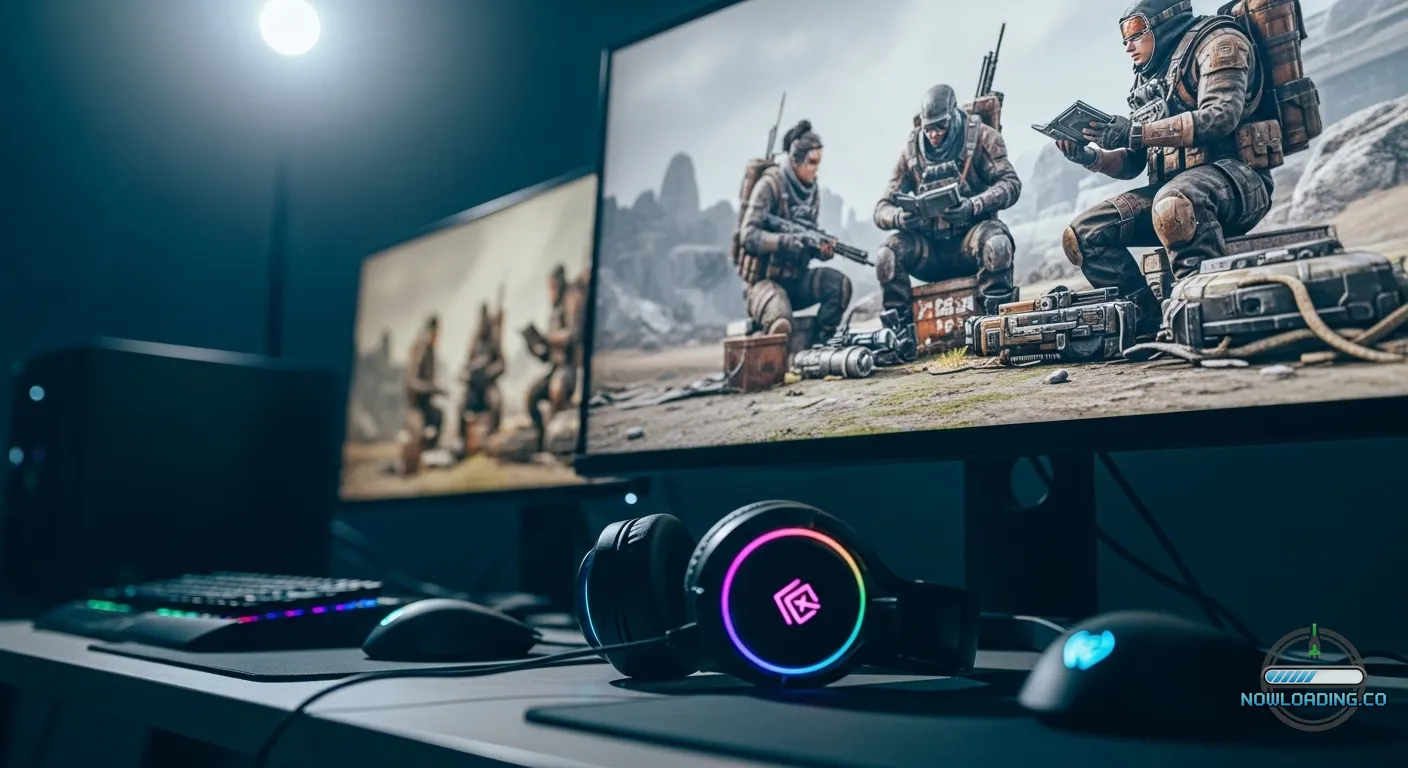
Want to improve the combat side of those roles too? That is covered here: ARC Raiders weapon tier list and loadout improvement. Role success depends on matching guns and utility to each job, especially when one player is built to carry the squad’s event progress.
The Best ARC Raiders Co-Op Events Farming Loop Is Safe, Fast, and Repeatable
A lot of players think the best move is chasing the biggest fight on the map (and yeah, it looks great on stream). But that usually pays off less over time. For ARC Raiders community unlocks, the best loop is the one your squad can run again and again with very little waste, and less cleanup after.
It helps to see event runs in two phases.
Phase 1: early route claim
Drop in and move with purpose; really, don’t wander around. That first minute matters most here. Open routes, untouched side areas, and clean PvE spots are usually the safest way to build event progress. If the event rewards kills, collectibles, or objective nodes, getting there first also saves ammo and lowers PvP risk, which helps a lot if you’re playing solo.
Phase 2: target threshold
Before the match starts, set a clear squad goal. That could be a number of event items, one boss attempt, a value cap for extraction, or another firm limit. Once the squad hits that mark, leave. Staying too long is where event farming usually goes wrong, and greed is what catches people.
Phase 3: disciplined extract
Extraction counts toward the score, not just getting out. Late fights use up healing, break streaks, and can ruin runs that were going really well, which really stings. A safe 7-minute run done five times is better than one flashy 25-minute run that ends in a wipe. In practice, that means taking consistent clears instead of one big gamble.
Reported test-period stats suggest the game already matches broad community behavior pretty closely, including 30 million rounds played, 58 million ARC destroyed, 2.5 million Rocketeer kills, 77 Queens taken down, and 816,000 rubber ducks collected. Those numbers are useful. Event design may also lean on goals the game can measure easily: kill totals, elite kills, boss clears, and collectible progress.
A simple way to picture it is a triangle with loot, threat, and time at each point. The best ARC Raiders co-op events strategy stays near the middle. The goal is enough reward, low enough danger, and run times that stay short enough to keep momentum up. It works best when the run feels balanced instead of reckless.
How to Read ARC Raiders Co-Op Events Design Before the Meta Settles
The biggest rewards usually go to players who figure out an event faster than everyone else. Early in a community event, most squads are still guessing, and that creates an opening. It does not last long, but it can be very valuable.
Good players use that moment to build efficient patterns before the wider player base starts copying them. At the start of an event, four questions are the best place to start.
What counts toward shared progress?
Some events reward direct kills. Others care more about turn-ins, scans, or boss damage (yeah, that part matters). So it helps to read the objective wording carefully. If the event says ‘contribute,’ easy, repeatable actions might count more than the dramatic ones. Not flashy, sure. But they can still count for a lot.
What is optional but profitable?
Lots of players focus on the event marker and miss side rewards. Smart squads check if they can grab nearby side loot or easy elites for a quick detour, and they can pick up extra resource nodes too, all without really dragging out the run.
What is the failure point?
Every event loop has one weak spot, and that’s usually the main one. It might be boss arena third-party risk, an overfilled inventory, a long extract path, or something else. In the first few matches, that weak spot usually shows up fast. Deal with it early.
What changes with map conditions?
Roadmap reporting points to changing map conditions in 2026 content. That matters here because weather, visibility, or machine behavior can quickly change which route works best. A strong loop on day one can turn into a bad one by day four if the event rotates modifiers.
The clearest way to see it is with a before-and-after example. Before improving the route, a squad may bounce from fight to fight, fill bags with random loot, and still miss extraction timing. After that, the same squad enters with a route, skips low-value distractions, hits the event target, and extracts clean. It is a small shift, but it works. That squad earns more rewards per hour, even with fewer total kills.
The broader genre angle is covered here: Survival Games With Dynamic Seasonal Events. A lot of those same lessons about timing apply here too.
Streamer and Competitive Player Tactics for ARC Raiders Co-Op Events Windows
ARC Raiders is getting enough attention that event timing feels like more than just a gameplay choice. It is about visibility too. SullyGnome shows 38,582 average Twitch viewers in 2026 so far, along with a peak of 369,266 (yeah, that’s huge). Those are big numbers. For streamers, squad coaches, or leaderboard grinders, community events can open strong windows for growth and clear attention.
The hard part is balancing showmanship with efficiency.
Farm early, then teach publicly
In the first hours of the event, focus on learning (seriously, just test stuff). Try routes, time the runs, and find safe objective loops. Once it’s clear what works, turn it into stream content. Viewers usually love hearing a strategy explained while it happens live, and that part’s fun too.
Name your squad jobs on stream
Simple labels make the action easier to follow. Say “I’m pathfinder, Alex is anchor, and Sam is carrier” on stream, and people can follow your gameplay more easily. That also helps watch time and makes things clearer for your team and for you.
Run challenge blocks
Skip the random grind and try goals like “three clean extracts in a row” or “boss loop under ten minutes”, it really helps. These small targets give content shape while still keeping event efficiency intact.
Keep one fallback route
Popular event spots can get chaotic fast once creators draw attention to them (it happens quickly). A lower-risk backup route can still help with ARC Raiders community unlocks, especially if the main loop gets crowded. It’s a simple way to protect your rewards without getting stuck in the rush.
Alinea Analytics described the game this way: ‘It’s a new year, but ARC Raiders has held onto its dominant trajectory through January’. That momentum keeps event discoverability high, which helps if you’re tracking trends. Players who can explain the meta in a clear way tend to stand out. For a creator-focused comparison of team shooters, we covered that here: Battlefield 6 features shaped by the community.
Use ARC Raiders Co-Op Events Squad Economy and Trading Logic to Stretch Rewards
A lot of players treat event success as if it mostly comes down to combat efficiency. That’s only part of the picture. In extraction games, economy choices shape the pace of an event almost as much as aim, and that part is easy to overlook. If future updates lean more into social systems, that side will matter even more.
Patrick Soderlund made that direction even clearer:
Also, allow people to trade amongst each other etc. I think it’s fun.
Even before expanded trading systems arrive, squads can already plan around that idea. One squadmate can focus on rare event items. Another can afford to use more ammo if they’re the best duelist. Someone else can carry support tools, extra protection gear, or whatever helps the group most. In practice, shared success should decide who keeps what.
A lot of average squads lose value here. They split everything evenly, even when that makes the run less effective. If one player is much better at surviving under pressure, give that player the high-risk objective item. If another keeps the cleanest inventory, let them handle turn-in materials. That usually leads to better results.
The same logic carries over between matches. Before the next run, review what the squad actually needs. There’s no reason to cover bad habits by bringing too much gear into low-risk farming loops. During event grinding, saved resources act like hidden rewards, even if they don’t feel as exciting at the time.
That team economy mindset helps explain why cooperative extraction design stays so fun. It also lines up with ideas in Mastering Helldivers 2: Essential Co-Op Strategies for Victory, where role-specific resource use works better than equal distribution and helps avoid wasting good gear.
Preparing for Rotating ARC Raiders Co-Op Events, New Machines, and Balance Shifts
Roadmap updates for 2026 suggest ARC Raiders will change often, with community events, quests, new ARC machines, utility items, map conditions, feats, trials, cosmetics, quality-of-life updates, and balance changes all shifting over time (yeah, that’s a lot).
That also means the event strategy that works today might not be the right one next month, which honestly keeps you on your toes.
So how do you stay ready?
Keep one stable loadout and one flexible loadout
A stable setup keeps things consistent and easy. Then keep one flexible loadout for new event needs. If a patch changes enemy behavior or map flow, you can adjust without changing your whole playstyle.
Track event value per hour
Don’t just ask, “Did we win?” Better to ask, “How much progress did we make in an hour?” That’s the event metric that matters here. Keep it short and simple. If a new loop feels fun, and yeah, that happens, but gives worse returns, save it for off-hours.
Learn machine patterns, not just routes
Routes can break after updates, and yeah, that happens. But knowing patterns lasts longer. If certain ARC types push into open space or around cover and force movement, rebuilding routes after a patch gets much faster.
Expect casual-friendly events too
The reported Shared Watch Event from February 10 to 24, 2026 was described as a co-op PvE celebration. If future events keep that style, some reward tracks may be easier to access, which is a nice change. It keeps the risk lower while still giving useful rewards. So joining in may still be worth your time if you want regular progress without the full PvPvE pressure and all that extra chaos.
For a broader shooter comparison, Battlefield 6 vs Arc Raiders gives helpful context on how extraction pacing differs from larger-scale combat sandboxes.
Common Mistakes That Kill ARC Raiders Co-Op Events Rewards
Most lost rewards come from simple habits, really, not bad luck. Start here, and you’ll avoid a lot of missed rewards.
Staying in the map too long
If your bags are full and your event target is met, leave. Really, more runs get ruined by greed than by enemy skill, and no one beats that forever. Simple.
Fighting every squad you see
PvP is part of the game, but not every fight is worth it. In ARC Raiders co-op events, rewards come faster when your team moves well. Some battles are better to skip, and knowing when to avoid one is a real skill.
Poor comms under stress
Keep calls short. Say the direction and threat first, then the action, so it stays clear: ‘east ridge, machine push, fall back.’ Long speeches waste time and cost lives.
Mixed goals inside one squad
If one player wants boss kills, another wants loot, or someone else cares about fast extracts, the run can fall apart quickly. Agree on the goal before you drop, and it helps keep everyone on the same page.
Ignoring fatigue
Long grind sessions can turn clean runs into sloppy plays (yeah, it happens). If your team drops two solid runs in a row because of simple mistakes, it’s probably time to reset. A short break is good for your mental wellness too, and it can help you stay focused, which means keeping more of your rewards.
If your squad has trouble with pacing and mission flow in other games too, we covered that in our article on Helldivers 2 strategies: mastering co-op play, with tips that can help improve teamwork habits.
Quick Rules for Consistent ARC Raiders Co-Op Events Progress
Once the event is live and things start getting messy, a simple checklist really helps.
Pick one main event goal for each run. Go in with assigned roles and follow a route. Set a clear extraction threshold, then leave about a minute earlier than your instincts tell you to. It’s a small change, but it helps. Bank safe progress, then repeat the cycle.
Community unlocks usually reward consistent contribution. Topping every scoreboard often isn’t necessary. Regular progress, enough successful extractions, and fewer dead runs do more for the overall push. Reported test-period numbers like 58 million ARC destroyed and 816,000 rubber ducks collected also show the scale these events can reach. In some cases, the event may celebrate the whole community through lots of smaller contributions instead of only elite performance.
For a broader look at gaming trends, gear ideas, and new multiplayer strategy coverage, readers who follow Now Loading already know the benefit of tracking games as living systems instead of static products. That change in perspective can help here too.
Frequently Asked Questions
ARC Raiders community unlocks are shared event goals where the player base contributes to a bigger progress bar or milestone system. Your squad still earns personal rewards, but the community also pushes toward wider unlocks together.
The standard squad size is 3 players, and that is the best format to build around. It gives you enough people for role specialization without making comms messy.
Usually, you should focus on whatever action advances the event fastest with the least risk. In many cases, that means targeted PvE farming, clean objective work, and only taking PvP when it protects your route or extract.
Measure progress per hour, not just match excitement. If a route gives steady event items, low deaths, and fast extracts, it is better than a flashy route that fails often. Sites and guides like Now Loading can also help you compare strategy ideas across similar co-op shooters.
The best loadouts usually match your squad role. Anchors need control and survival, pathfinders need flexibility and awareness tools, and carriers need dependable gear that protects event items and lets them disengage fast.
A good next step is to read focused guides on loadouts, co-op tactics, and related extraction or squad shooters. Now Loading is a practical place to keep up with those evolving strategies without losing the bigger picture around live-service trends.
Put These ARC Raiders Co-Op Events Strategies to Work
A strong ARC Raiders co-op events strategy does not need to be complicated, but it does ask for discipline. Start with your 3-player squad and sort out roles before you queue, not halfway through the first match. Learn the event language early, while most players are still trying to figure things out. Stick to safe, repeatable loops instead of chasing messy highlight moments. Extract on time, then look back at what actually improved your rewards rather than what only felt exciting at the time.
Here are the big takeaways:
- Role clarity beats freestyle play in community events.
- Progress per hour matters more than raw kills.
- Early event learning windows give the biggest edge.
- Squad economy and item logic matter as much as aim.
- Map conditions and balance changes can flip the meta fast.
- Mental reset discipline helps protect your consistency during long grinds.
ARC Raiders community unlocks work best when the wider player base feels connected and moves in the same direction. Still, personal success usually comes down to the small choices made inside each match. That balance is where things really click. If your team knows when to push, when to skip, and when to leave, rewards start piling up with less stress and fewer messy wipes.
The next time ARC Raiders co-op events go live, ignore the noise and come in with a plan. Keep your runs clean. Help move the community bar forward, and turn each drop into consistent progress. Keep the approach simple, stick to the plan, and every match should give you more back.