
Battlefield 6 is starting to feel like one of the most community-driven entries the series has had in years. Recent developer updates and hands-on testing programs send a clear message that player feedback now sits front and center (and yes, players noticed). After the rough response to Battlefield 2042, DICE and EA spent 2025 and early 2026 paying close attention to longtime fans, competitive players, and creators. Really listening, not just saying the right things. That shift shows up in the growing list of Battlefield 6 features that feel familiar and more focused. There’s less clutter, fewer side ideas, and a stronger connection to classic Battlefield DNA. Instead of chasing whatever trend is popular, the game feels like it’s finding its way back to its roots, and you can feel that just by following the updates.
Right now, Battlefield 6 works as a clear course correction. Plain and simple. The studio has openly owned past mistakes and is rebuilding trust by bringing the community in earlier than before (and that timing matters). More importantly, the changes are easy to see. Traditional classes are back, Portal tools are growing, match flow feels smoother, and pacing is easier to follow, all tied directly to player feedback. After years of mixed reactions, the aim is to make large-scale battles easier to read without losing the chaos Battlefield is known for (the good kind of chaos). This listen-first approach is already changing how players talk about the game. The excitement is careful, but it’s real. For many longtime fans, Battlefield finally looks like it’s heading back to what made the series stand out, and that’s a big deal.
The Return to Core Battlefield Identity
The problem players kept calling out wasn’t subtle. Battlefield had become hard to read. Specialists blurred responsibilities, roles overlapped in awkward ways, and map flow suffered because no one really knew who was meant to handle what. Matches slid toward chaos instead of tactics, and not the fun kind. Battlefield 6 answers by moving straight back to the base that once made matches click, and you can feel that change almost right away.
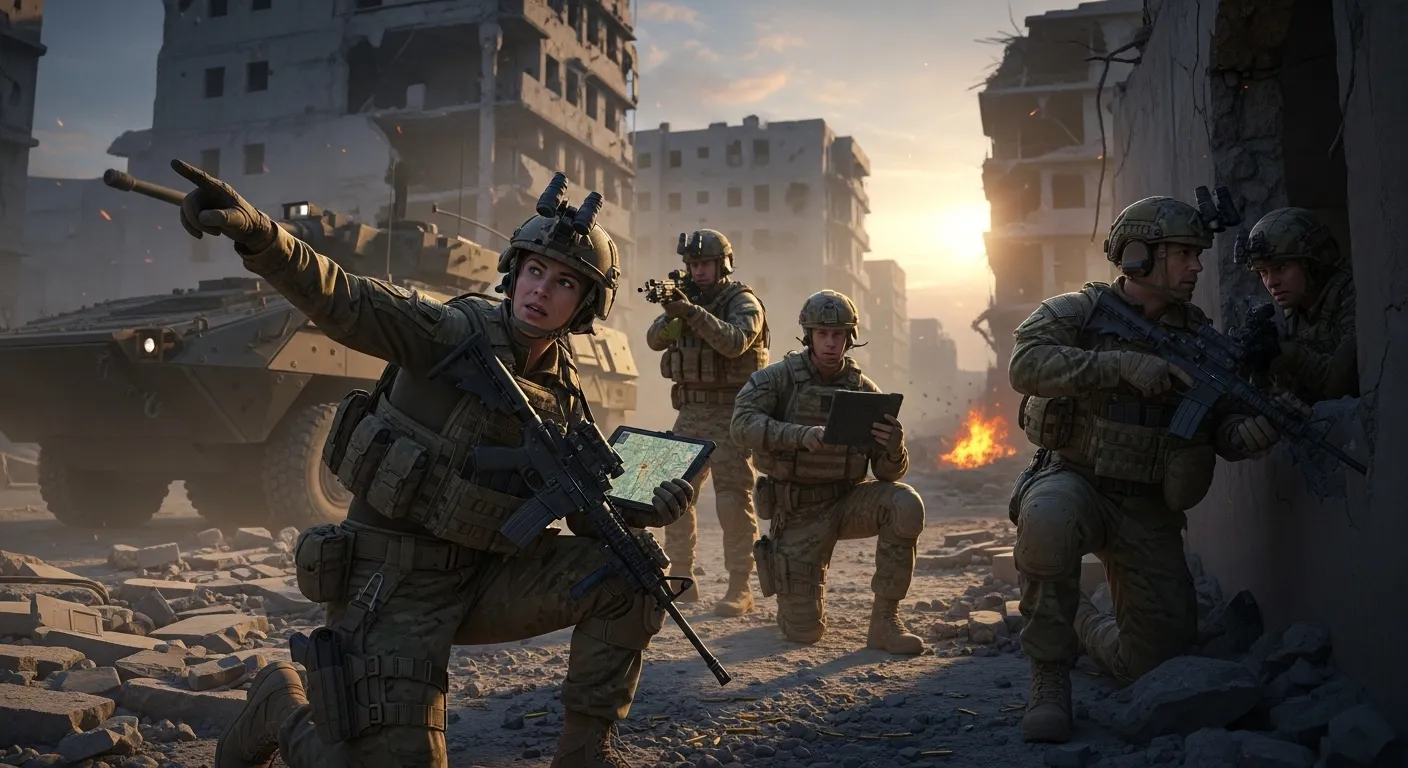
The return of the classic class system sits at the center of this shift. Assault, Engineer, Support, and Recon are easy to spot and easy to understand in the middle of a fight. Each role comes with clear strengths and clear limits, which clears out a lot of the friction that built up over time. Teamwork stops feeling forced and starts feeling natural again. That familiar squad rhythm from Battlefield 3 and Battlefield 4 shows up quickly once a match settles in, and the pacing is better because of it.
Battlefield Labs played a big part in shaping this direction. Community testing helped fine-tune weapon balance and gadget choices so loadouts push players toward working together instead of turning everyone into a do‑everything solo build. Medics matter again because revives and healing actually change outcomes. Engineers shape vehicle play in ways that are easy to see. Recon players add real intel instead of just chasing long-range kills. Squads move with purpose because everyone knows their lane.
From moment to moment, the battlefield feels clearer. It’s easier to tell who’s nearby and what kind of support they bring, which cuts down on guesswork during hectic pushes. That clarity tightens squad play, discourages lone‑wolf habits, and backs up the idea that winning comes from coordinated roles, not padding stats.
This shift also ties into bigger talks about competition in the genre. We looked at how this approach compares to other major titles in GTA VI vs. Battlefield 6: Which Game Will Dominate the 2026 Gaming Landscape?. Instead of chasing faster, arcade-style pacing, Battlefield is leaning back into scale, structure, and a clear identity, and the choice feels very intentional.
Smarter Maps and Better Match Flow
Maps have always shaped Battlefield, but recent feedback pointed to a clear issue: size alone wasn’t leading to better matches. Battlefield 6 moves the focus to clarity and flow. Layouts are built so objectives make sense both on the minimap and when you’re on the ground, with less empty space between real fights. Combat lanes are easier to read and move through, without forcing maps into narrow hallways. Those classic sandbox moments still exist, just placed where players actually spend time fighting.
Playtests show a clear shift toward tighter groups of objectives instead of long, quiet runs between flags. Cover is placed with more care, and vertical spaces are easier to scan and understand rather than feeling messy. New players find their footing faster after spawning, while veterans still have room to flank, rotate, and win fights through smart positioning instead of guesswork.
Conquest pacing also responds directly to player complaints. Ticket counts, capture speeds, and spawn logic were reworked. This leads to less waiting around and fewer frustrating respawns. Matches are less likely to fall apart after an early loss, and the back-and-forth lasts deeper into the round, which makes sticking with a match feel worth it.
Maps also support more playstyles at the same time. Infantry routes and vehicle paths are more clearly split, with air space added only where it fits. Tanks have fewer chances to lock down tight areas, and infantry can cross open ground with more workable options. Combined-arms combat feels more consistent and thoughtful from start to finish.
The comparison below shows how map design priorities have shifted from past issues to Battlefield 6 goals.
| Design Area | Past Pain Point | Battlefield 6 Approach |
|---|---|---|
| Map Size | Too large and empty | Dense objective clusters |
| Flow | Unclear combat lanes | Readable routes and cover |
| Pacing | Early match snowballing | Balanced ticket tuning |
Battlefield Portal as a Creator Playground
Battlefield Portal has grown from a bonus-mode experiment into one of Battlefield 6’s most interesting features. What began as an extra option stuck around because the community kept asking for more freedom. Instead of locking players into fixed rules, Portal stays flexible and gives players real tools. That shift explains why it’s getting so much attention now.
In Battlefield 6, Portal is expected to push further with deeper rule options, expanded scripting, and better ways to share modes. This is where creativity starts to stand out. Creators can build anything from strict mil-sim setups to chaotic, over-the-top party modes. For streamers, these custom modes do more than just look fun. Standing out often comes down to offering something viewers don’t see everywhere else, and flexible tools make that easier without boxing creators into narrow ideas.
Longevity is closely tied to this approach. Games tend to last longer when players can shape their own experiences, especially when fresh ideas keep moving through the community. Portal supports that cycle by letting fun change and grow instead of resetting every season.
Experimentation also feels more open across skill levels. Players who skip ranked playlists can try competitive-style rules without pressure, while others rebuild classic Battlefield moments by mixing older maps with newer mechanics. That blend isn’t just nostalgic; it changes how matches actually feel. These Battlefield 6 features highlight how much creative freedom the developers are offering this time.
For a wider view of how post-launch updates connect to systems like Portal, there’s a short overview here: What’s New in Battlefield 6 Season 2: Latest Updates and Future Plans. It focuses on context rather than details.
Portal’s appeal shows in how different players use it, casuals, creators, and competitors all sharing the same space.
| Player Type | Portal Use Case | Benefit |
|---|---|---|
| Streamers | Custom modes | Audience retention |
| Competitive players | Practice rulesets | Skill improvement |
| Casual squads | Fun experiments | Replay value |
Portal now feels like a creative backbone for Battlefield, not just a side attraction.
Clearer Progression and Reduced Mental Load
Community feedback kept circling back to clarity. Players want to know what to do next, why it matters in the match, and how their progress adds up over time. No mystery math, no guessing. Battlefield 6 moves in that direction with cleaner UI choices, clearer challenges, and progression paths that make sense at a glance, without digging through menus.
One clear shift is how challenges line up with real playstyles. Instead of pushing people toward niche weapons used in awkward ways, objectives now reward teamwork and objective play tied to class mastery. That means less friction during matches. Players can focus on winning rounds, not juggling checklists or losing track of the score.
Rewards are also explained more clearly. Weapon unlocks, attachments, and cosmetics are easier to spot and understand quickly. This helps players with limited time, and it also works well for competitive players who want to tweak loadouts between matches and jump back in right away.
Clearer progression also helps reduce burnout. When long-term goals are easy to read and progress feels regular, coming back to the game feels inviting instead of draining. This links to wider talks about mental wellness in gaming, where lower mental strain makes play sessions feel lighter and more enjoyable overall. These Battlefield 6 features are small but meaningful for consistent player engagement.
Accessibility and Quality-of-Life Improvements
Accessibility now feels built in instead of added later, and Battlefield 6 shows that clearly. Player feedback on visual clarity, audio strength, and control options came through, and it’s obvious right from the start. Everything feels intentional.
Colorblind modes go further than before. Audio cues are clearer and easier to adjust across different setups, whether players use speakers or a headset. Control remapping gives more freedom on every platform, which quietly removes friction for many play styles. None of this grabs attention, but it makes getting comfortable faster and helps players stick around.
Quality-of-life updates appear in squad management, a cleaner ping system, and smoother respawn flows. Each tweak seems small on its own. After a few matches, though, teamwork feels more natural and less tiring. These changes don’t ask for attention; they earn it.
Accessibility also connects directly to competitive balance. Clearer visuals and audio cut down on unfair disadvantages, so matches rely more on choices and execution than on hardware quirks or physical limits.
Hardware still plays a role. Laptop and mid-range PC players want reliable performance, and optimization stays part of the conversation. Battlefield 6 looks good, but smooth play matters just as much. If you’re planning an upgrade, this is covered here: Gaming Laptops 2026: Innovations and Must-Have Features.
Competitive Play and Skill Expression
Clear rules and consistent mechanics make Battlefield 6 easier to play, and easier to follow during a fight. That focus came straight from competitive players, who were clear about wanting fairness and clarity. Community feedback pushed DICE to rethink balance from the ground up, instead of just tweaking numbers here and there.
Gunfights now use predictable recoil patterns, which shifts the focus to accuracy and positioning rather than random spray. You won’t see sudden swings halfway through a fight. Vehicles still hit hard, but they only stand out with teamwork and smart timing behind them. On their own, they can’t decide a match anymore, which cuts back on cheap streaks and solo takeovers.
Public matchmaking helps close skill gaps, while ranked-style modes still feel distinct. Casual players and competitive regulars can share the same space without being pushed into separate tracks.
Skill shows through smart positioning and strong squad leadership. Aim still matters, just not by itself. That same clarity carries into esports and content creation, making matches easier to watch and more enjoyable to follow.
How Battlefield 6 Fits Into the Shooter Landscape
Battlefield 6 lands in a crowded year for shooters, with big franchises pushing fast updates and heavy monetization. Battle passes are everywhere. Battlefield moves at a different pace. Its style is slower, more intentional, and clearly aimed at people who already care about the series. Less flash, more focus, and that feels different right now.
What makes Battlefield 6 interesting isn’t chasing trends. It leans into large team play and the kind of player-led chaos the series is known for. Destruction still matters (yes, buildings still collapse), and the design points toward something made to stick around. This isn’t about a quick spike of attention that fades after one season, but a game meant to grow over time.
That depth-first mindset appeals to players who want to settle into one shooter instead of bouncing between whatever is new. It creates a more consistent experience that’s easier to stay with across years of updates. Moreover, Battlefield 6 features that emphasize teamwork and scale set it apart from competitors.
For anyone watching how shooters are changing, comparisons help explain this direction. That’s explored further in Battlefield 6 vs. Call of Duty 2026: Which Will Dominate the Market?, which breaks down how these two paths differ and what that means when choosing where to spend your time.
Community Trust and Ongoing Communication
What really stands out isn’t a system or a mechanic. It’s the way communication is handled. Battlefield 6 development puts a clear focus on openness, frequent updates, and early testing instead of flashy features. Feedback loops feel shorter, and players can actually see where their input shows up.
Battlefield Labs gives real players hands-on access before launch, with feedback called out publicly. Instead of quiet changes that leave people guessing, and used to cause frustration, updates are explained. That kind of visibility goes a long way in rebuilding trust after years of doubt.
Regular updates matter a lot here. Even when the news isn’t great, and sometimes it won’t be, sharing it on a regular basis helps players feel respected. A consistent rhythm cuts down on rumors and keeps expectations realistic, with less guesswork and more clarity.
The approach matches live-service models that already work across the industry. When players feel heard, patience usually follows. Therefore, these Battlefield 6 features tied to transparency may prove just as important as gameplay changes themselves.
Frequently Asked Questions
Confirmed Battlefield 6 features shaped by community feedback include the return of traditional classes, improved map flow, expanded Battlefield Portal tools, clearer progression systems, and stronger accessibility options. These features directly reflect the most common player requests over the last several years.
Specialist-style hero mechanics are being heavily reduced or reworked. The focus is back on class identity and team roles rather than individual hero abilities, ensuring clearer responsibilities and less visual and mechanical clutter during matches.
Battlefield Portal is expanding with deeper customization tools, better sharing options, and more flexibility for creators, making it a central part of the game’s long-term appeal and replay value.
Yes. Community feedback has pushed for clearer gunplay, more predictable balance, improved matchmaking, and better spectator clarity, all of which support competitive and ranked-style play.
After Battlefield 2042, player trust was damaged. Battlefield 6 is rebuilding that trust by involving the community earlier, communicating changes clearly, and prioritizing widely requested features rather than internal assumptions.
Why Battlefield 6’s Direction Matters
Battlefield 6 isn’t trying to do everything at once. It’s aiming to feel like Battlefield again. DICE is listening to community feedback and matching features to what players actually use, instead of chasing trends that fade fast. You can see that choice in clearer class roles, smarter map layouts, tools that work better for creators, and a lower mental load during matches, less clutter, more moments that are easy to read.
This focus changes how the game fits into everyday play. Players and creators get something that respects their time, supports teamwork, and lets them stick with the game long term without having to relearn everything. For the series, it opens space to reset expectations and rebuild trust in a way that feels earned, not rushed. The intent behind these choices is easy to spot, and it shapes how people respond to the game.
Battlefield 6 also works as an example of how big studios can recover. Rough launches and mixed reactions don’t vanish overnight. Listening openly and communicating more clearly don’t promise success, but they do raise the chances in ways players can see right now.
We cover these changes at Now Loading, tracking how Battlefield 6 grows alongside other major releases, without feeding the hype cycle. The result is clear, useful insight for modern gamers.
Battlefield 6 feels more like a conversation than a lecture. In 2026, that stands out, and it clicks as a feature on its own.