
The shooter space is heating up, and you can see it anywhere gamers spend time. Watch a few live streams or skim some Discord threads and the same argument keeps coming up. As Battlefield 6 rolls through new seasons and Call of Duty 2026 gets ready for its next big launch, an old rivalry kicks back into gear. This isn’t just two games trading shots anymore. The effects spread to platforms, creators, esports spending, and even how competitive shooters are built going forward.
Recent moves from publishers and platform owners make the pressure clear, and no one is hiding it. Battlefield 6 lands as a comeback after years of shaky fan trust, which means there’s little room for mistakes. Call of Duty 2026 takes a different route, leaning hard on one of the most established setups gaming has built over the last decade. Both are after the same group: players aged 18 to 35 who stream, compete, and pour long sessions into learning maps, tweaking loadouts, and pulling out small advantages. That level of commitment leaves little space for slip-ups, and everyone involved feels it.
What matters most right now isn’t hype, but momentum and where things are headed. This article looks at launch energy, gameplay choices, creator income, hardware demands, accessibility, and whether either game can keep players around over time. It also covers what this rivalry means for streamers and for anyone deciding where to spend their hours in 2026. That choice sticks longer than it used to, shaping audiences, skill growth, and how an entire year unfolds.
Battlefield 6 Launch Momentum and Why It Matters
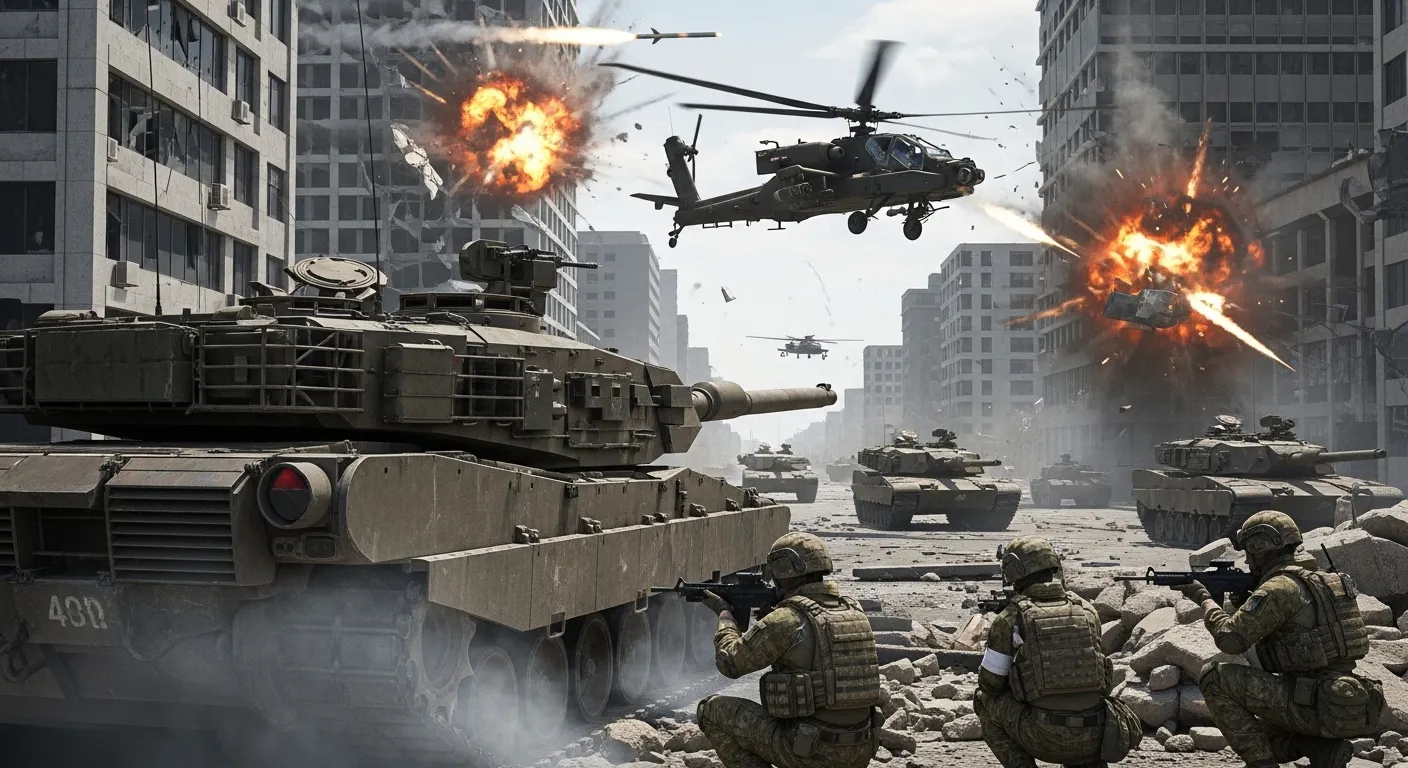
Battlefield 6 arrived in fall 2025 and sent a clear message about how Electronic Arts wanted it to be seen. The launch felt like a reset, and players noticed right away. Large maps returned, destruction clearly changed how matches played out, and squad play rewarded teamwork instead of solo grinding. Early numbers from the publisher showed huge weekend activity, with millions jumping in on console and PC. Players showed up fast, skipping the usual slow build many big shooters go through.
The timing was no accident. Battlefield 6 launched as many players were feeling worn down by yearly shooter releases. Burnout was already there. EA tapped into that feeling with a focused message: this wasn’t just another sequel. It was framed as a live‑service platform built to grow over several years. That promise showed up quickly. Season 1 was announced only weeks after launch, making the long‑term plan feel real instead of just talk.
That strong start also changed things behind the scenes. Good launch numbers gave the teams more room to move fast on balance updates and to try out experimental modes shaped by player feedback. Earlier Battlefield titles that stumbled early often lost staff and support, which made recovery tough. This time, teams stayed in place, stayed busy, and stayed responsive through the opening months. A better start led to a healthier pace, even if most players never saw that part directly.
Streaming culture added fuel. New games always pull viewers, and Battlefield 6 grabbed that attention early. It picked up speed on Twitch and YouTube as creators shared chaotic firefights and vehicle‑heavy squad moments. Those clips spread easily: short, loud, and perfect for quick feeds. Visibility kept growing without a huge marketing push, since sharing did most of the work.
That early momentum becomes clearer when you compare Battlefield 6’s opening phase to how the series usually performs at launch.
| Metric | Battlefield 6 Early Launch | Franchise Context |
|---|---|---|
| Online matches played | 172 million opening weekend | Highest in Battlefield history |
| Streaming hours watched | 15 million in 3 days | Strong creator-driven launch |
| Season roadmap | Season 1 announced within 1 month | Signals long-term support |
Call of Duty 2026 and the Power of an Unmatched Ecosystem
Battlefield 6 is trying to build momentum. Call of Duty 2026 doesn’t have to. It already carries weight in the shooter space, where other games often end up responding to its moves instead of setting their own rhythm. That pattern has lasted for years, and it shapes how the genre moves. The reason is scale. Call of Duty isn’t just a yearly release. It runs as a connected system across multiplayer, Warzone, mobile, esports, and closer ties through Microsoft. Each part supports the others, which makes it hard to avoid.
What stands out in 2026 is how consistent that system feels. Call of Duty keeps a large share of global FPS revenue and, just as important, holds on to players. Its main audience still sits strongly in the 16 to 34 range. That group overlaps with competitive players and creators, the people whose habits shape what others play, watch, and scroll past every day. That overlap didn’t happen by chance.
Familiarity plays a big role. Call of Duty 2026 doesn’t ask players to relearn the basics. Loadouts, pacing, progression, seasonal passes, and ranked modes all feel familiar. Returning players can jump in fast, while casual players don’t feel locked out after time away. It’s comfort built through repetition, without feeling stuck.
The ecosystem also keeps spending and engagement moving. Players shift between Warzone, classic multiplayer, and battle passes across platforms, staying active all year instead of fading between releases. Few franchises keep this rhythm at this size, and even fewer keep it reliable.
That same predictability works for sponsors and esports groups. Brands like spaces they can plan around, and Call of Duty delivers a similar audience year after year.
Here is a simplified snapshot of why Call of Duty 2026 stays structurally dominant.
| Ecosystem Element | Strength | Why It Matters |
|---|---|---|
| Annual releases | Very high | Keeps franchise always visible |
| Warzone integration | Extremely strong | Free-to-play funnel feeds premium sales |
| Esports infrastructure | Mature | Attracts sponsors and long-term leagues |
For players, the result is trust. Progress paths are clear, systems connect in a sensible way, and expectations are met. Battlefield 6 has a harder road. It has to win on gameplay and also show it can hold attention over time, not just at launch.
Gameplay Philosophy: Chaos Versus Control
The rivalry shows up most clearly in how each game nudges players to act. Battlefield 6 leans into disorder. Large maps, heavy destruction, and shifting sightlines mean plans don’t last long. When squads work together, vehicles can take over big parts of a match, then lose that edge just as fast. Things change quickly, and the game keeps pushing players to talk and adjust as they go.
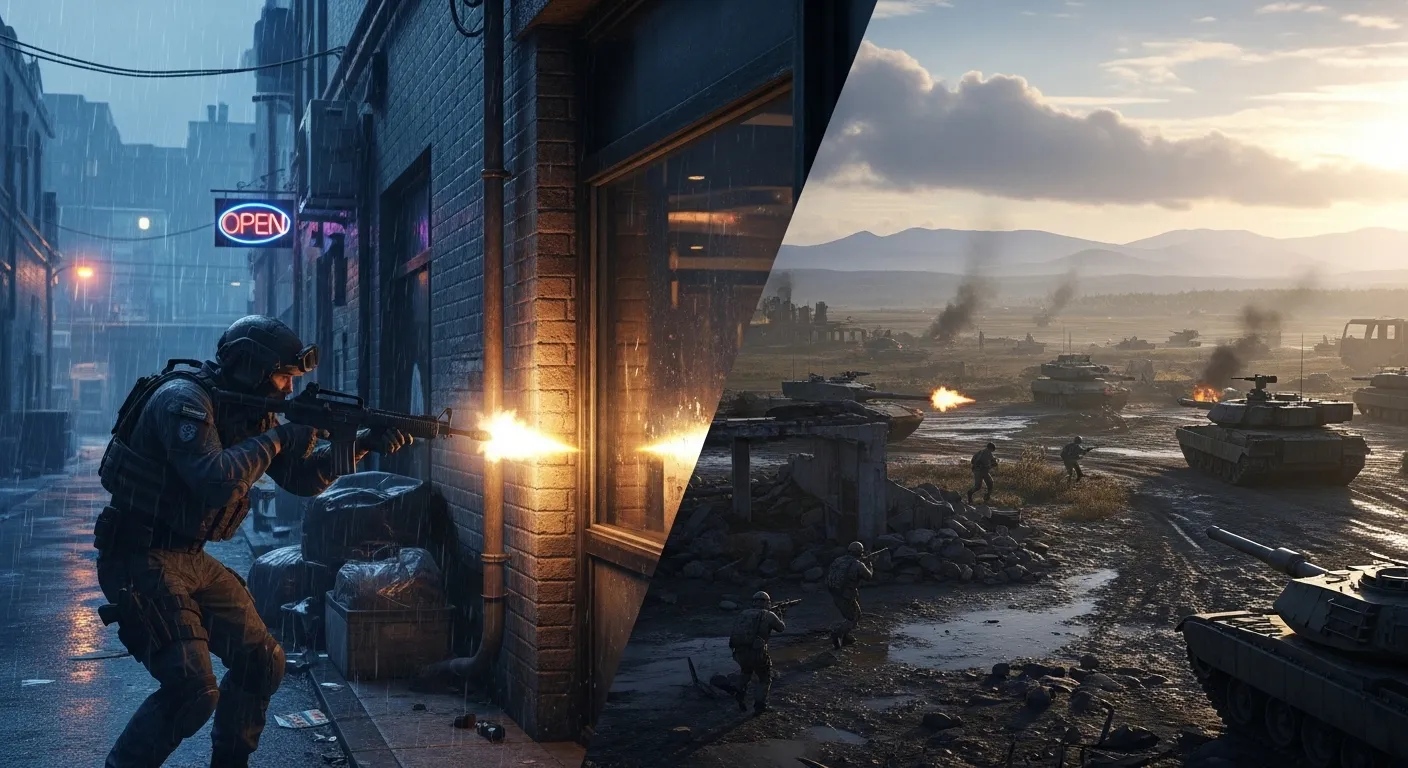
Call of Duty 2026 moves the other way. Smaller maps and a fast time-to-kill leave little space for loose movement or hesitation. Gunfights are tight and final, and muscle memory really matters. That focus on precision explains why competitive playlists and ranked modes feel so natural here, where repeating clean plays counts more than reacting to chaos.
These choices shape the pace in clear ways. Battlefield often starts slow, with squads spreading out and tension building before everything explodes at once. Call of Duty rarely gives players a break, keeping pressure high with almost nonstop fights. Some players even find Battlefield relaxing between bursts of action, while others stick with Call of Duty for the reliable rush that never quite fades.
For streamers, the difference stands out just as much. Battlefield creates messy, movie-like moments, a building coming down or a risky vehicle save that pulls big reactions. Call of Duty puts the focus on precision, with quick snaps and clutch rounds that make individual skill easy to see.
Deciding where to spend time usually comes down to taste. Some players enjoy exploring layered systems that change during a match. Others want rounds that feel sharp and reset fast. This also affects accessibility. Battlefield 6 can overwhelm new players with its size, while Call of Duty 2026 moves quickly but stays readable through tighter spaces and clearer goals.
Many creators bounce between both. Battlefield brings spectacle, Call of Duty brings consistency, and knowing that balance often matters more than loyalty to a single name.
Platform Wars, Hardware, and Where You Play
The Battlefield 6 versus Call of Duty 2026 debate is shaped a lot by where people play, not just what’s happening on screen. Platform politics steer visibility in clear ways. Microsoft’s ownership of Activision Blizzard gives Call of Duty a boost through Game Pass and tight Xbox ties, which affects how easy it is to find and how fast players can jump in. That difference shows up fast, especially in those first few minutes after startup.
Sony has taken a different approach, putting more marketing weight behind Battlefield 6 on PlayStation. Big shooters often turn into stand‑ins for the larger console rivalry, something players have seen before. Store placement, exclusive bundles, early access windows, preorder bonuses, each move gently pulls attention toward one system. Many times, the push happens before players notice a choice is being nudged their way.
Hardware matters too, and not only at the high end. Battlefield 6 leans into larger maps and heavier tech demands, which can push PC setups harder. Call of Duty 2026, by contrast, runs well on a wider range of machines. That wider support lowers the entry bar for players on older or less powerful hardware. The result is less setup hassle and fewer tech headaches.
Cross‑play adds another factor. Call of Duty’s cross‑platform setup is more polished, which helps when friends are spread across consoles and PC. Battlefield 6 is improving here, but early connection problems have reminded players how much smooth matchmaking and party tools matter for a relaxed game night.
For anyone upgrading or picking new gear this year, stepping back to look at hardware trends helps. Articles like Gaming Laptops 2026: Innovations and Must-Have Features and Cloud Gaming in 2026: What Gamers Need to Know look at how those choices shape performance in shooters like these.
Streaming, Esports, and Creator Opportunity
For aspiring streamers, this rivalry mostly comes down to trade‑offs. Time is limited, and grinding every game just isn’t realistic. Battlefield 6 stands out early because the meta is still forming. That leaves room for smaller creators to get noticed by focusing on squad coordination, detailed vehicle control, or cinematic storytelling with replay cams. Short, focused breakdowns work well here, especially when each video looks at the game from a slightly different angle. You’ll figure out pretty fast what clicks.
Call of Duty 2026 runs at a different scale. The audience is massive, which means competition is heavy. Growth usually comes from top‑level skill or a personality that pulls people in right away. Some creators still find space through narrower paths, like educational breakdowns, mindset coaching, or long‑form analysis that explains why a play worked instead of just showing the clip. It’s harder, but not locked down.
Algorithms matter too. Battlefield content often spikes around major updates. Call of Duty keeps a more regular flow of traffic over time. That changes upload timing and how creators split content across TikTok, Shorts, Twitch, and sometimes YouTube long‑form. Posting habits don’t copy over cleanly.
Esports follows a similar split. Call of Duty has established leagues and salaries with a clearer path. Battlefield 6 is rebuilding, which brings risk, but also fewer gatekeepers early on.
If competitive play matters to you, staying close to updates helps. We’ve been tracking this in Call of Duty 2026 Updates: New Content & Record Viewership and Battlefield 6 and REDSEC: What to Expect from the 2026 Roadmap. Worth keeping an eye on.
Mental Load, Accessibility, and Player Wellbeing
Long sessions show the biggest differences between these games, and you notice it quickly. Battlefield 6 can start to feel mentally heavy over time. Large maps demand constant awareness and regular communication, so players juggle vehicles, squads, and shifting objectives all at once (it’s a lot). When things fall apart, losses often feel system-wide rather than personal, and that feeling can stick even after a match finally ends.
Call of Duty 2026 delivers stress in shorter, sharper bursts. Deaths happen fast, the action rarely slows, and there’s almost no time to reset (blink and you’re back in). Ranked play needs steady focus and hits hard the moment attention drops, so zoning out isn’t really an option.
Session length ends up shaping who stays with which game. Battlefield favors longer, social play with friends that can stretch for hours (good voice chat helps). Call of Duty fits better into quick sessions that start fast and wrap up fast, which matters if work, school, or family limits playtime.
Over time, mental strain affects who keeps playing. Burnout slowly pushes players away, and both series are trying to help with accessibility features, though progress still feels uneven (and noticeable). Neither approach feels fully there yet.
Market Outlook: Who Wins Which Battle
The answer for 2026 changes based on where you’re looking. Short waves of hype and long-term staying power don’t always reward the same thing, and that push and pull shapes this matchup.
Battlefield 6 is winning the conversation right now. The comeback story matters, helped by wide platform support that brings in different kinds of players at the same time. It feels new again, and that feeling is everywhere, forums, livestreams, group chats, and social feeds. You’ve probably seen how fast that kind of buzz spreads, especially when creators jump in early and bring their audiences with them.
Step back a little, though, and Call of Duty 2026 looks more consistent. Its ecosystem is massive, built on years of regular releases and a player base that rarely leaves for good. It doesn’t need big reinventions every cycle because the base is already strong. That size usually holds up even when shooter trends dip or shift.
On the money side, most analysts still expect Call of Duty to lead annual shooter revenue. Battlefield 6 is expected to close the engagement gap, not wipe it out. Think less knockout, more long rivalry.
That helps explain how players act. Many don’t pick just one side. They follow friends, favorite creators, or whatever feels fun that month, and switch when tastes change.
For more context, related comparisons show up in GTA VI vs. Battlefield 6: Which Game Will Dominate the 2026 Gaming Landscape?. A wider view appears in The Best Gaming Innovations of 2026, What to Expect, which places both shooters within bigger industry shifts.
Frequently Asked Questions
It depends on what you value. Battlefield 6 excels at large-scale chaos and teamwork, while Call of Duty 2026 focuses on tight gunplay and competitive structure. Player preference, friend groups, and playtime availability all influence which feels better.
Battlefield 6 offers discovery and cinematic moments. Call of Duty 2026 offers a larger built-in audience but higher competition among creators. Many successful streamers blend both to balance growth and stability.
Yes. Its established leagues, franchising model, and sponsorship pipelines give it a major edge over Battlefield 6 in competitive gaming for the foreseeable future.
Generally, yes. Larger maps and advanced destruction systems can push PCs harder compared to Call of Duty 2026, especially at higher resolutions and frame rates.
Absolutely. Many players rotate between them depending on mood, friends, seasonal content, and how much time they have to play.
The Bottom Line for Gamers in 2026
This rivalry isn’t about replacing one game with another. It’s about having choices that match different ways to play. Battlefield 6 and Call of Duty 2026 follow two clear directions in shooter design, and each one clicks with a different kind of player. The choice comes down to what you want from a night of gaming, not picking a so‑called winner.
Battlefield 6 leans hard into new ideas and scale. After years of player feedback, the series shows what happens when a franchise listens and makes real changes. Large maps and bold design choices set the mood, with moments that grow out of teamwork and planning instead of quick luck or frantic button mashing.
Call of Duty 2026 goes the other way. Its strength is consistency, a connected setup, and long-term support from the developers. Familiar systems make it easy to jump in, often within the first match. That reliable feel explains why so many players come back every year, especially when they want something they can count on.
A lot of gamers don’t even see these as direct rivals. One focuses on large-scale chaos and cinematic teamwork. The other is about tight competition, muscle memory, and a rhythm that feels right. Different moods, different nights.
Staying informed helps with the choice. Trying both games, checking out a few modes, and watching updates shows how each one fits into your routine. If you’re chasing clips or just relaxing after work, both can earn a place.
At Now Loading, we track these changes so you spend less time guessing and more time playing.