
Seasonal events used to feel like a nice bonus. You logged in, grabbed a themed skin, maybe fought a special enemy, and moved on. Pretty simple. Most modern survival games don’t work that way anymore. Updates can flip the whole game loop, changing what matters from one patch to the next and affecting every part of play. A winter event can make heat more valuable than ammo, fast. A harvest event can turn farming zones into PvP traps. A Halloween patch can push players into night raids, boss routes, and rare crafting races.
Seasonal events matter a lot in survival games now. They go far beyond cosmetics. They change how people gather, build, fight, rotate, and team up. For smart players, streamers, and clan leaders, patch day becomes strategy day because even a short event can reshape priorities, routes, and risk in ways old habits can’t handle. Miss that shift and it hurts. Players who stick to old habits after a seasonal update can fall behind the ones who adapt faster.
This guide explains how updates change player behavior, why cadence matters, what the data says about retention, and which survival game strategies work best when events keep shifting the meta. It covers resource routing, base design, PvP timing, co-op planning, accessibility, creator angles, and future trends. For anyone trying to win more fights, plan better streams, or stop wasting time during limited events, it gives a smarter way to build a seasonal playbook.
Why Survival Games Seasonal Events Matter More Than Ever
Live updates are now one of the biggest reasons players come back to a game. In survival titles, that matters even more because the genre runs on pressure. Players juggle hunger, weather, gear, space, danger, and time. A seasonal event adds one more layer to that mix, bringing more pressure but also more openings.
Industry data backs that up. Research into live service design found that games with regular updates kept 35% more players by Day 30, and the strongest-performing cadence landed at every 2 to 3 weeks. Broader guidance for live games points to a steady rhythm of every 2 to 4 weeks. Players stay engaged when updates arrive on a regular schedule instead of showing up at random.
| Metric | Value | Why It Matters |
|---|---|---|
| Day-30 retention lift from regular updates | 35% more players | Shows consistent events can keep survival communities active |
| Best-performing update cadence | Every 2-3 weeks | Fits balance patches, seasonal modifiers, and event rotations |
| Recommended healthy cadence | Every 2-4 weeks | Helps games refresh content without burning players out |
| Players inactive by month three in live-service games | Up to 60% | Explains why survival games push events so hard |
That helps explain why so many games now depend on event calendars. Dennis Brigelius put it plainly in a verified talk on LiveOps strategy:
Seasonal events and LiveOps are more than just content drops; they’re powerful tools to boost retention, drive monetization, and deepen player engagement.
For survival players, the main takeaway is simple. Events are not side content anymore. They now shape the real progression race. Anyone who wants stronger fundamentals first should also understand the basics in Beginner Survival Games: Titles That Teach You the Ropes. That same logic of adaptation starts there.
How Survival Games Seasonal Events Rewrite the Core Survival Loop
A good event does more than add stuff. It changes priorities. That shift can hit four areas at once: resource value, map movement, combat risk and team behavior. Once those are clear, adjusting survival game strategies gets a lot easier.
Resources can change value fast. A material that felt useless last week might suddenly appear in a limited recipe, and that one change can flip what matters overnight. Food, fuel, cloth, insulation, poison cure and mobility items can all spike when an event rewards them. A major swing. Players who hoard the right things before updates can show up with a huge head start.
Routes change too. If a limited boss, event crate or special enemy only spawns in certain biomes, that area fills up fast. Normal farming loops stop making sense. Players need safe ways in, clear escape paths and backup plans if things go bad.
Risk shifts as well. Limited-time rewards pull players into fights they would normally skip because the payoff feels too good to ignore, even when the danger is obvious. That means more ambushes, more third-party attacks and more short-term alliances. The event becomes bait.
Social behavior changes too. Research shows players who use social features are nearly twice as likely to stay beyond the first month. In survival games, clans, friend groups, Discord squads and streamer communities get even stronger during event windows. More pressure. More coordination.

The core loop still stays alive, but the event bends it. An old plan built around gather, craft, bunker and raid might shift toward scout, rush, stockpile, defend and rotate. Strong players read the patch first and play second.
Resource Management Becomes the First Real Skill Check in Survival Games Seasonal Events
In a lot of seasonal updates, the top players aren’t always the best shooters. More often, they’re the best planners. Resource control is one of the first places where an event creates a real gap between average play and high-level play.
Before the update, inventory choices can feel settled and familiar. You already know what’s worth farming and what can wait, so most decisions become routine and the whole loop feels easy to read. Then the update lands and that logic can break overnight. A winter event might make heating items, insulated gear and indoor crafting worth more than roaming loot. A harvest event can turn seeds, food buffs and storage space into your biggest advantage. A corruption or monster event may force players to carry status cures and burst-damage tools instead of a normal all-purpose loadout.
The smartest move is to split planning into phases: pre-event, launch window and late-event. In pre-event, save flexible resources and clear storage. During launch, test which items are in high demand and which recipes matter most. By late-event, shift from discovery to efficient farming.
Players who enjoy deeper systems already have a natural advantage here. Anyone who likes tracking inputs, outputs and crafting chains will probably also enjoy Top Survival Games With Advanced Resource Management Systems and Top Resource Management Games for Strategy Fans: 2025’s Best Picks & Mechanics Explained. Those same skills carry straight into event play.
A simple framework helps:
Ask these 5 questions after every update
- Which resource gained value?
- Which resource lost value for now?
- Which recipe is event-gated?
- Which route gives the best return per minute?
- Which item protects against the event’s main threat?
In the first hour, players who answer those questions can beat stronger fighters who ignore them, even two days later.
Base Design, Loadouts, and PvP Timing All Shift Together
Seasonal events change more than what you carry. They also change where you live and when you fight. A lot of players fall behind because they tweak their backpack, then ignore the base plan.
When an event adds cold, fog, darkness, hostile NPC waves or roaming elite enemies, base placement matters a lot more. A nice-looking spot can turn into a bad one fast. Open sightlines might be safer than tucked-away valleys, and easy water access may matter less than getting to event spawns quickly. In PvP-heavy games, raid timing changes too. Some players attack during bad weather to hide movement. Others avoid certain nights because event mobs add noise, pressure and chaos.
Before an event, a loadout may lean toward normal roaming. After it starts, niche tools can decide fights. Fire resistance, mobility gear, traps, healing over time, status cures and silent weapons can suddenly matter more than raw damage. Stop copying the old meta and look at what the event is really rewarding.
Here’s a simple before-and-after pattern:
- Before update: balanced kit, standard resource route, low-risk raid windows
- After update: specialized kit, event route, high-risk hotspot timing, better scouting
For streamers, seasonal shifts make great content. Viewers like watching adaptation happen in real time. Show route tests. Show failed loadouts. Show the gear swap that finally works. Seasonal content is naturally strong for audience growth because people start searching right when an update drops.
Steam itself shows how central these event cycles have become across gaming. As its official documentation says:
Steam hosts a number of seasonal and thematic sales (‘Fests’) and events throughout the year. We hope you’ll join us!
That bigger calendar teaches players to expect a rhythm. Survival games sit inside that expectation now too.
Why Predictable Update Cadence Creates Better Strategy in Survival Games Seasonal Events
Events have a simple truth: predictability can make them feel better, not worse. Players love surprises in the content itself, sure, but they also want to know when to come back. That matters. For competitive players and creators, a steady cadence is a big advantage.
Research in the live-service space shows regular beats every 2 to 4 weeks support retention better than random content drops. That fits survival games too. When updates land on a rough schedule, players can prep mats. Clan leaders can plan sessions, and streamers can map out content. Lapsed players get a clear reason to return as well.
At that point, survival game strategies start shifting away from raw mechanics and more toward event literacy. Good players start asking:
What cadence-friendly habits should I build?
- Keep one storage box for event-flex items
- Leave one loadout slot for patch-specific gear
- Track which routes often get buffed during holiday updates
- Save repair materials before major event windows
- Avoid burnout before a new patch if your game updates a lot
According to Adrian Crook’s expert analysis, events should be measured against a baseline from at least 30 days before the event, then checked again at 30, 60 and 90 days after. For players, that matters. Memory can be slippery, especially when a flashy event feels great in the moment, even if the real question is whether it changed efficiency, win rate or return habits over time.
Cadence also helps teams stay disciplined. If a group expects a winter or Halloween-style event, it can get maps ready, sort stash routes and set backup plans before the patch notes go live. Simple prep creates extra value and makes the whole team less reactive once the update lands.
Social Play Turns Survival Games Seasonal Events Into a Competitive Edge
Seasonal events land harder in survival games for a simple reason: they make teamwork count more. A solo player can still do well, but organized groups get more from every limited-time mechanic.
When a special boss appears, one player scouts ahead, another kites, another brings meds, and someone else carries the loot. If the weather gets rough, one player handles base upgrades while another gathers fuel. And when an event adds a temporary currency, clans divide the work and keep the grind moving with barely any downtime. Pretty efficient.
The retention data backs that up. Players who used social features were nearly twice as likely to stick around past the first month. That’s a huge signal. Survival games already revolve around shared risk, and events push that feeling even further. Add more time pressure, and teamwork matters that much more. Players pick up on it fast.
That also explains why events work so well for streamers. A creator can build mini-communities around event goals, and that shifts the energy right away. One night becomes ‘boss attempts.’ Another focuses on ‘rare drop hunts.’ A different stream turns into ‘viewer base defense.’ Good entertainment. It also gives creators a real edge because extra eyes can help them spot efficient farming loops much faster.
Players who lean toward smaller studios should keep an eye on this trend in the indie space too. Dynamic updates are becoming a bigger part of design identity. Pieces like The Future of Indie Games: Trends and Predictions 2025 and The Most Anticipated Indie Games of 2026: A Deep Dive matter. Seasonal systems aren’t just a big-budget idea anymore.
Accessibility, Wellness, and Burnout During Limited-Time Survival Games Seasonal Events
Seasonal events can be exciting, but they can also push people too hard, and plenty of players feel that pressure more than they admit. Limited-time events are built around urgency. That can be fun for a bit. It can also lead to stress, fear of missing out, and some really bad play habits.
The best survival game strategies still hold up over time, so if an event lasts two weeks, there’s no reason to grind like it ends tonight. Slow down a little. Break goals into sessions. Decide which rewards really matter, then let go of the idea that you have to collect everything. Streamers should keep an eye on this too, especially when they feel pressure to cover every patch the moment it drops.
Event-heavy patches can also make games harder to process. Visual noise, weather effects, darkness, or audio clutter can get in the way, so adjust settings early. Do that first. Test brightness, contrast, subtitles, sound cues, and control remaps before the serious grind starts. When a game doesn’t support your needs well, make a plan around simpler routes and lower-risk goals.
A healthy event plan looks like this:
- Pick 2 or 3 main goals, not 10
- Farm during low-stress hours if PvP crowds feel too intense
- Use co-op to reduce repeated solo grind
- Stop when fatigue lowers awareness
Tired players overloot, misroute, and die in obvious spots.
The Future of Seasonal Survival Design
Event systems are getting crowded fast. One 2025 LiveOps report found that the average number of events across tracked games climbed from 73 to 89 per month over the year, which shows how full these schedules have become. Another industry data point showed a 35% increase in events across top free-to-play games between May 2023 and January 2025. Players expect something to be happening all the time.
| Trend | Value | What It Means For Players |
|---|---|---|
| Average LiveOps events per month at start of 2025 | 73 | Busy event calendars were already normal |
| Average LiveOps events per month at end of 2025 | 89 | Competition for player attention grew even harder |
| Growth in events across top F2P games | 35% | Players now expect more limited-time content |
| Players who tried cloud gaming in BCG's 2025 survey | 60% | Returning for short seasonal sessions is becoming easier |
That shift shows pretty clearly where survival design is heading. Expect more personalized tuning, more micro-events, and systems that respond to player behavior in more direct ways, especially as games keep adjusting for different audiences. Solo players may face different pressure than clans. In some regions, event timing may change. Some games may even tweak event difficulty based on how active a server is. Small changes, big effect.
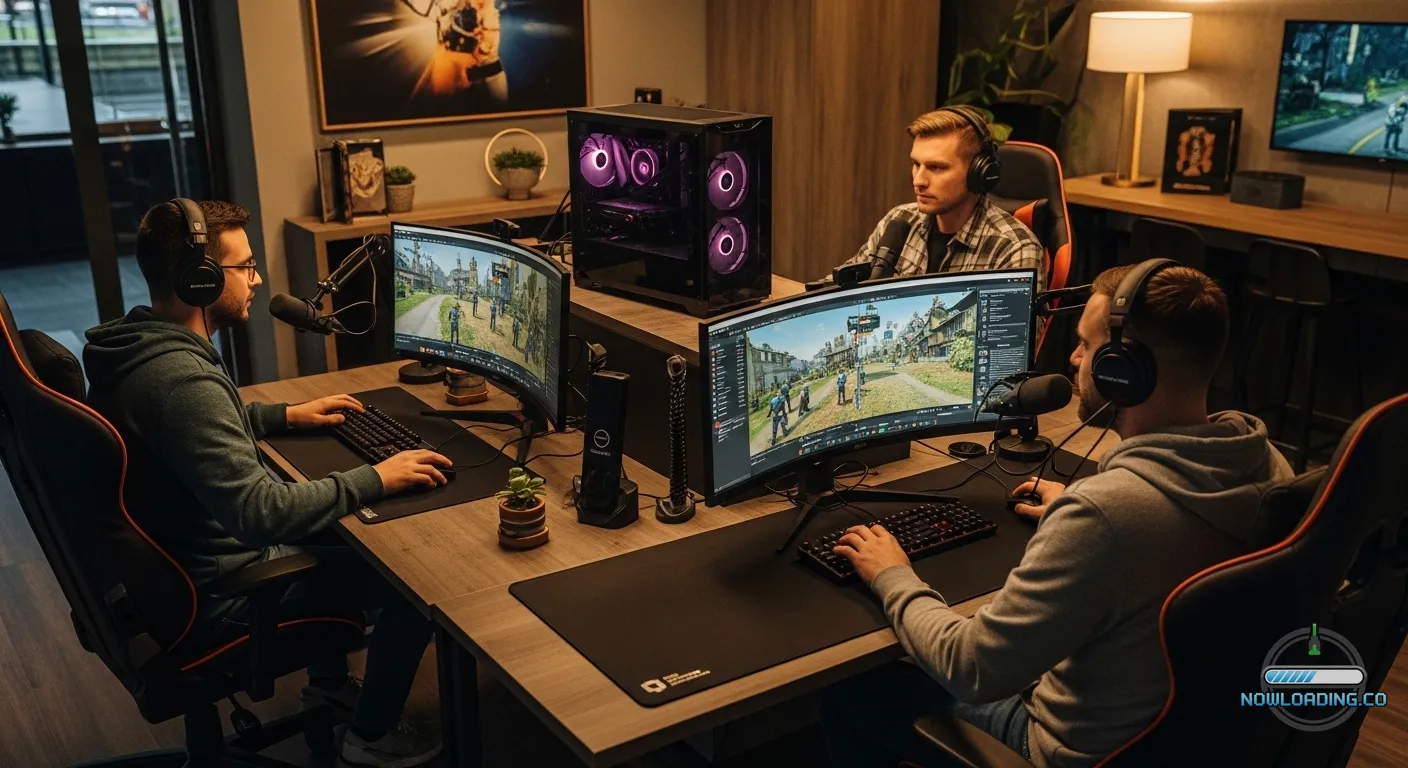
For readers who like following where game design is going, Now Loading is worth watching because it covers trends linking live updates, hardware, creators, and player behavior. That bigger picture matters. Seasonal systems are quickly becoming a core part of game design.
Frequently Asked Questions
They are limited-time updates that change gameplay conditions, not just visuals. They may add weather effects, event resources, special enemies, temporary recipes, or map hotspots. The best survival games seasonal events make you rethink how you gather, build, fight, and move.
They usually shift four things first: resource value, route planning, PvP risk, and team coordination. If rare rewards are tied to one area, players crowd that zone. That means a good event strategy is often less about gear power and more about adaptation speed.
Both can benefit, but groups usually get more value because they can split jobs. A solo player can still do well by choosing low-traffic times, focusing on small efficient goals, and avoiding heavily contested hotspots. If you want cleaner reads on event systems and future design trends, Now Loading is a useful place to follow how updates shape different player styles.
Current live-service research points to a healthy cadence of about every 2 to 4 weeks, with especially strong performance around 2 to 3 weeks. That does not mean every update must be huge. Small but meaningful changes can keep players engaged without causing burnout.
Do not grind blindly. First, read the patch notes, test event drops, identify dangerous hotspots, and figure out which items gained value. Your first session should be about learning the event economy, not racing other players with bad information.
Yes, and many may use them in more creative ways than big games because smaller teams often experiment faster. If you are curious about where these ideas may show up next, it is worth keeping an eye on indie-focused coverage like Discover the Best Indie Games of GDC 2026: Must-Play Titles or The Rise of Indie Games on Itch.io: Hidden Gems You Must Try.
Put These Strategies to Work on Your Next Patch Day
Seasonal updates aren’t just small side events anymore. They test how well players adapt. The best players know a single patch can shake up the economy, the map, the combat meta, and even the social meta at the same time. That’s what makes survival games seasonal events land so hard. For a short window, smart choices matter more than habit, and the players who adjust quickly usually come out ahead.
The biggest takeaways are clear:
- A steady update cadence keeps players engaged and alert
- Event success starts with re-checking resources quickly
- Base design and loadouts should change with the event, not after it
- Team coordination increases rewards and lowers risk
- Good survival game strategies need pacing, accessibility, and burnout control
- Future event design will likely become more data-driven and flexible
Next time a patch drops, don’t just stare at what got added. Look at what actually changed. Which route works better now, which material suddenly matters more, and which fight is even worth taking? That change separates players who only react from the ones who lead, especially while everyone else is still trying to find the new rhythm.
If you want more from every event, build a seasonal checklist now. Keep it simple. Review the patch. Test the routes. Adjust the loadout. Then play with purpose.