
Helldivers 2 is at its best when four players stop acting like solo heroes. That is usually when a decent run starts to look smooth. A squad can aim well and still fall apart fast if nobody brings anti-armor, if two players call in the same stratagem at the same time, or if everyone packs into one lane and gets wiped by friendly fire, which happens a lot. Even in a game built around chaos, some structure often makes the difference. And after more than a few missions, that feeling is probably already familiar.
That also helps explain why Helldivers 2 keeps such a strong pull. The game reached an all-time Steam peak of 458,709 concurrent players, and it still shows solid activity, with recent chart data listing 69,196 peak concurrent players and 48,757 live players. Those numbers matter for a pretty simple reason. They suggest players are still coming back for the co-op loop, not just for launch-week hype, and that says a lot about how satisfying the teamwork can be. In most cases, games do not keep numbers like that unless the group play still feels good.
The community stats show something else too: how people actually play. Players have logged over 280 billion total kills, and they have also caused over 38 million friendly-fire deaths. That one number explains most of this guide. In Helldivers 2, damage only helps when the squad can control where it lands. Otherwise, it often creates almost as many problems as it solves. That is really the lesson here in this game: firepower matters, but placement and timing usually matter just as much.
This article focuses on one specific angle: advanced team strategies and weapon synergies. So instead of going back through broad survival basics, it examines role assignment, pair-based weapon setups, stratagem sequencing, urban mission spacing, anti-heavy teamwork, and ways to make a squad look sharper on stream, if that is part of the plan. For broader high-difficulty survival advice, that was covered here: Helldivers 2 advanced co-op combat tactics.
Why Helldivers 2 rewards teams, not lone wolves
At first glance, Helldivers 2 looks like a game about frantic shooting and total chaos. But under that, it’s really more about shared responsibilities. The strongest squads deal damage, of course, but they also cover each other’s weak spots, and that’s the bigger point here. Arrowhead has been pretty clear about that design goal.
One of the exciting things about the co-op of Helldivers 2 is that it’s a natural part of the game.
That design shows up throughout the game. Team weapons depend on cooperation. One player usually carries the weapon, while another handles ammo or helps with reloads. It sounds simple, but it often makes a real difference. Missions also create pressure that pulls players back together. The map design makes solo play risky by making isolated players easier to surround or cut off. Enemy waves push in the same way. Even objective pacing repeats that message again and again.
One useful way to think about a squad is to have each player answer a simple question: What problem do I solve for the team? That usually works better than building a group around whatever loadout happens to be popular.
A solid four-player setup usually covers these jobs:
- one anti-heavy specialist
- one player focused on crowd clear
- one objective runner, or just a flexible mover
- one support player who fills gaps when things get messy
This role logic often matters more than raw meta picks because the game keeps shifting. New patches in 2026 have changed weapons, enemy behavior, explosions, mission spaces, and factions like the Illuminate. So it probably makes more sense to build a squad around functions instead of chasing one trendy loadout. In a lot of matches, a team that understands its jobs will do better than one built from four strong individual loadouts.
If a team keeps wiping, it helps to ask what was missing. Did nobody handle armored targets? Did everyone bring wave clear and skip precision damage? Did all four players run selfish builds without reload support? They may sound like small questions. Still, asking them usually helps more than blaming aim, and it gives the squad something clear to fix on the next run.
Build a Helldivers 2 squad around roles before you drop
One easy way to improve a Helldivers 2 team strategy is to spend 30 seconds talking before the mission starts, because it usually helps more than most people expect. A lot of squads skip that part, then spend the first five minutes realizing, a bit too late, that everyone brought the same answer to the same problem.
Here’s a simple role setup that works well in most cases across patches.
The anti-heavy core in Helldivers 2
This player is here to crack armor and take out priority threats, basically the big stuff. They’re the squad’s answer to tanks, hulks, chargers, walkers, and other targets that can slow everyone down in a fight. So most of the time, that firepower shouldn’t be wasted on basic mobs.
The crowd-control anchor
This player usually handles pressure well. Their role is to keep lanes open, thin swarms, and give the team more time. When enemies rush an objective fast, this player helps hold the fight together, I think.
The objective runner
This player keeps moving. They use terminals, carry mission items, take flank angles, and finish tasks while the others hold space. In a lot of failed runs, everyone just fights, but nobody actually moves the mission forward.
The flex support in Helldivers 2
This player fills the gaps, which is usually a big help when a mission gets messy. They track ammo, call reinforcements in safely, cover retreat routes, and adjust when the plan suddenly changes. If things go sideways, they are often the one keeping the squad together.
That role also matches lessons from other co-op games, and the comparison usually fits here. Teams often do better when each person handles a different job instead of everyone chasing the same damage target. In most cases, a squad works better when one player handles support while others stay focused on damage or objectives. The same pattern shows up in titles covered by Now Loading, where class coverage often matters more than highlight kills.
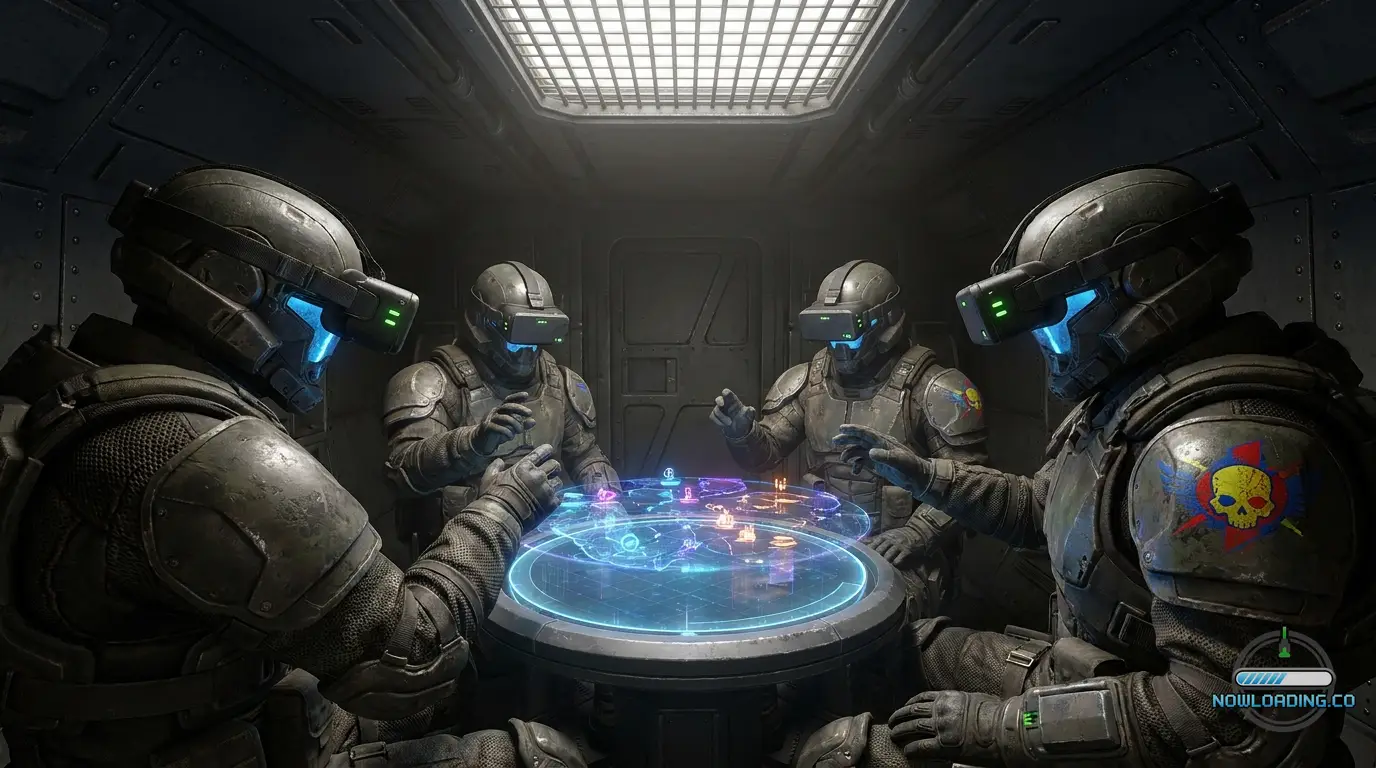
One more thing: having all four players call down support weapons at the same time usually is not the best plan. Planning together works better. Some drops can likely support two players if they are used well, and spacing out the timing gives the squad more protection when one setup gets lost or the area suddenly becomes unsafe, which does happen sometimes.
The strongest Helldivers 2 weapon synergies are built in pairs
When players talk about weapon synergy in Helldivers 2, they usually mean “which gun is strongest.” But that only explains part of it. Real synergy usually shows up when two loadouts work together in a way that lets both players do more than they could handle alone.
The first kind is the backpack + support weapon pair. This is one of the clearest examples of intentional co-op design in the game, and probably one of the easiest to spot. One player carries the main weapon, while another keeps it supplied and running. It is a simple setup, but in longer fights it turns a strong tool into something the whole squad can keep counting on.
The second kind is stagger + finish. One player throws off the enemy, and the other follows up with the clean kill. A squad might slow movement with suppressive fire or crowd control, then let the precision player remove key targets before things get out of hand. That is often where this pairing really starts to click.
Helldivers 2 lane control and area denial
The third kind is area denial + lane protection. One player closes off a route, while another watches the edge of that route for armored pushes or flank threats. This usually works especially well on urban maps and in tight colony spaces, where controlling lanes often matters more than raw damage.
The fourth kind is recon + heavy fire support. One player scouts ahead and marks danger. Then the heavy player spends resources only when the threat is real and confirmed. That usually means less wasted ammo, less panic, and a run that feels more organized from one fight to the next.
These pairings matter because Helldivers 2 is full of moments where two decent players do better than two individually strong players who never really sync up. You can see the same pattern in other team-based action games. In this view, coverage usually beats duplicate power.
A clean test is simple: after a mission, ask, Which two players made each other better? If there is no clear answer, the squad is probably building four separate kits instead of working from one shared team plan.
How Helldivers 2 squads should sequence fights instead of reacting late
A lot of Helldivers 2 squads do not lose because they lack firepower. They lose because they use that power at the wrong time, and that happens a lot. And advanced play is often just doing the same things in a better order.
A clean fight usually has four parts. It is pretty simple, really, and often easier than it sounds.
1. Read the space in Helldivers 2
Before anyone starts firing, figure out the lane, exits, enemy density, and the risk of heavier threats first, since that usually matters a lot. In newer city and colony spaces, this matters even more because tight paths often make explosives hit harder and friendly fire much deadlier.
2. Open with purpose
Don’t pile the same tricks into one spot. One opening tool should soften the area or split enemy movement, since that usually helps early on. Keep another in reserve if the fight shifts or reinforcements show up later, because you’ll often need it.
3. Commit roles during pressure
Once the fight starts, players usually should not go off on their own much. The anti-heavy player tracks dangerous targets, the crowd-control player holds space, and the objective runner probably should not get pulled into every fight.
Meanwhile, the support player watches for reload windows, reinforcements, and retreat routes, because that is usually where the difference appears.
4. Reset before the next wave
The strongest squads usually stay calm between fights. They reload, restack, grab dropped gear, and then agree on the next path. That sounds small, but it often makes a real difference. It is a small step. Still, a lot of wipes happen in the messy ten seconds after a win, not in the main battle itself.
That order also helps content creators and streamers. Viewers can follow what the squad is doing, and clean team play is much easier to read than random chaos, especially when everything is moving fast. If another take on structured co-op pacing sounds useful, Helldivers 2 co-op tactics for victory covers broader run management and probably will not overlap much with this guide.
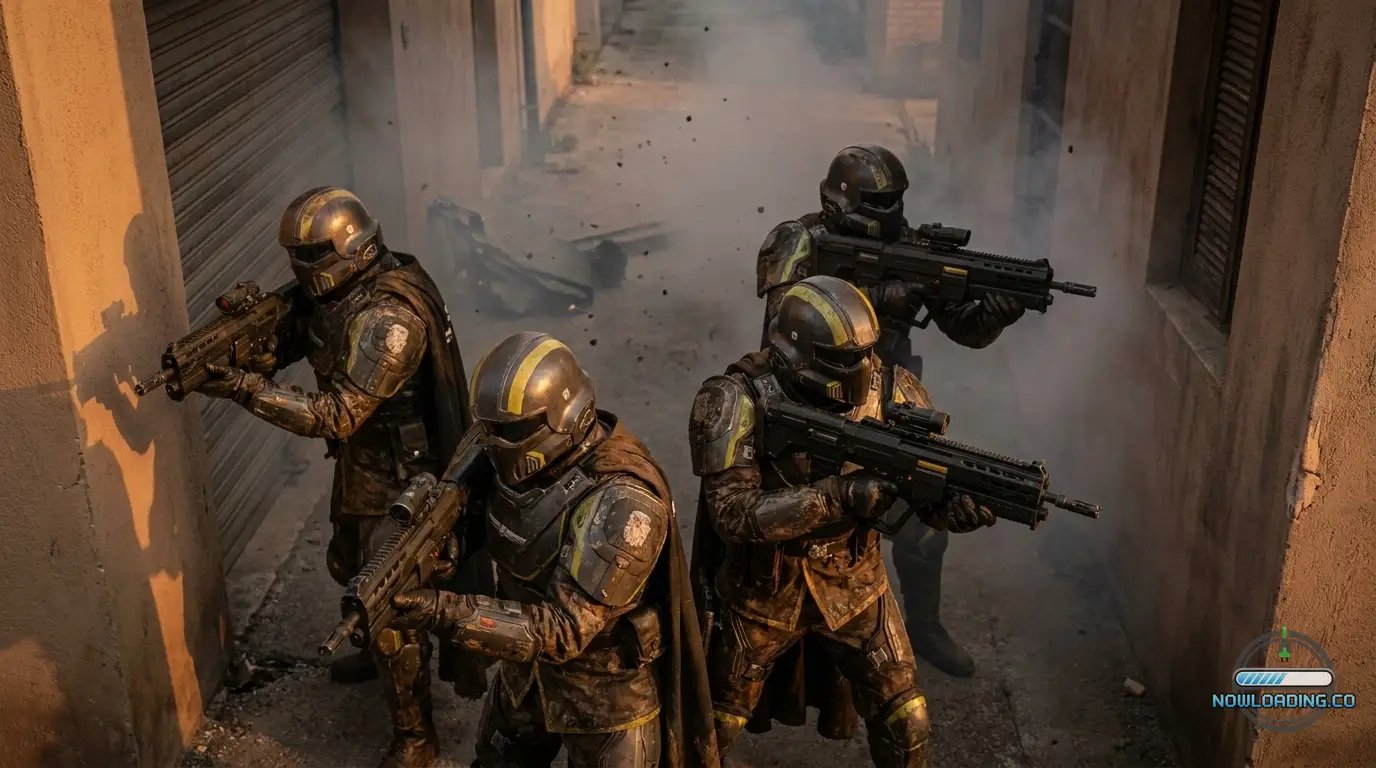
Friendly fire is not a joke mechanic at high-level Helldivers 2
People joke about team kills in Helldivers 2, and that fits the game’s chaos. It really leans into that part of the game. But in harder content, friendly fire usually becomes a real strategy problem instead of just a laugh. The community has recorded over 38 million friendly-fire deaths, which is a pretty clear sign that bad spacing is not only funny. It gets costly fast, especially during tougher missions, and that comes up a lot.
Here are the main causes of avoidable team damage:
Stacked movement
If a few players drift into the same lane, one panicked turn can wipe out the whole group, and it happens fast. Bad news, honestly. Good squads usually spread out loosely instead of bunching up in one line.
Uncalled explosives
When a player throws a high-risk stratagem without a callout, the team usually loses trust fast. Even a quick “left lane” or “backing airstrike” really helps. It’s useful.
Greedy pursuit
Players often chase one enemy too far and end up in another player’s line of fire, especially when they’re trying to finish off wounded heavies.
Unsafe reinforcement drops in Helldivers 2
Bringing a teammate back is good, but dropping them straight into an active kill zone usually is not. Reinforcements should help bring the squad back together, not throw someone right into enemy fire or a crowded lane, which happens a lot.
A simple way to cut down on team kills is this: one lane, one owner. If someone needs to cross, call it. If a stratagem is about to land, call the area first. On tight maps especially, explosives often work better when you treat them like power tools, not toys. That is probably the safest way to think about them here.
According to Johan Pilestedt in broader developer discussion, Helldivers 2 was built around shared pressure so players naturally regroup instead of wandering off alone. That design usually only works when players respect each other’s space. Coordination is not standing shoulder to shoulder. Here, it means moving together without crashing into each other, often by holding a lane and giving teammates room.
Best advanced Helldivers 2 pairings for common squad needs
Patches keep changing the exact weapon balance, so it usually makes more sense to think in role combos instead of getting stuck on fixed loadouts. Here are some of the most useful advanced pairings. They’re really useful.
Anti-armor pair: launcher user + reload partner
This is probably one of the clearest force multipliers in the game. The launcher user handles target selection, while the partner watches the angle, reloads the system, and helps take some pressure off during setup, which really helps. This pairing usually works best when a mission keeps sending heavy threats at you, like several armored enemies, rather than just one big target.
Wave clear pair: suppression user + precision finisher
The first player keeps the mobs under control, which usually helps a lot. The second takes out elite threats right in the wave. It’s a simple setup, and it often stops the classic mistake where the whole team shoots at trash while one dangerous enemy walks in and ruins the push.
Objective pair: mobile runner + lane holder
The runner handles inputs and mission items, while the holder keeps the path safe, which helps a lot. It’s a really strong combo, and in Helldivers 2 it usually works very well, since objectives tend to win missions more than body count, especially on tougher ones.
Risk pair: explosive specialist + safety caller
If one player likes high-damage bombardment tools, another should watch ally positions and warn the team. It sounds simple, but this kind of setup can make chaotic squads feel much steadier, especially during messy fights.
Scout pair: spotter + delayed fire support
The spotter usually notices things first, and only then does the heavy player move in. It sounds simple, but in denser mission spaces with messy sight lines, it reduces wasted shots and cuts down those bad panic calls. That probably matters even more against Illuminate-style threats, especially when enemies are tucked behind cover or waiting around corners.
If you like this kind of role-based breakdown across co-op games, Now Loading often looks at team play through functions and coverage instead of just tier-list hype, which helps.
Helldivers 2 urban maps and Illuminate pressure change your spacing rules
Recent 2026 updates have made mission spaces and enemy threats feel much more varied, and that changes how squads should move. Habits built in wide open areas do not always work in tighter city streets or colony corridors, and that is probably the biggest shift here.
In open terrain, teams can usually spread out more. In urban lanes, that gets risky fast. Walls block vision, corners hide enemies, and explosions can throw pressure right back into your own squad. Tight spaces also make some stratagems much stronger, while mistakes get punished harder and faster. Yeah, it is a lot less forgiving.
The best adjustment is to play with compressed structure, not stacked bodies.
Helldivers 2 spacing rules that prevent wipes
That means:
- stay close enough to support each other
- avoid standing in the same doorway or chokepoint
- assign left and rear checks, with someone watching center when needed
- save large splash damage for clear windows where it is actually safe to fire
- rotate out injured players or anyone running empty instead of having everyone back up at once
Against more disruptive factions, especially ones that interfere with vision or movement, clear callouts often matter more than raw DPS. A player saying ‘heavy right,’ ‘crossing lane,’ or ‘hold bombardment’ can prevent more damage than one more magazine. In most cases, that is what keeps a push together instead of letting it fall apart.
This is where a lot of squads finally start to understand the game. High-level Helldivers 2 is not mostly about twitch skill. It usually comes down to shared information and timing, maybe even more than aim by itself.
Patch-proof Helldivers 2 habits beat chasing the meta
Every live-service game changes. Helldivers 2 keeps getting fixes, balance tweaks, enemy tuning, and content updates, which is pretty normal. That’s why hard meta articles get old fast. Usually, better teams build habits that still work after patches and even after balance changes.
These habits almost always stay useful:
Build for coverage
Bringing four similar answers usually won’t help much. It’s better to bring one answer for each major problem.
Keep one backup plan in reserve
If every tool gets used right away, your squad can get pretty weak when the fight suddenly shifts, which it often does. And that can hurt.
Pair at least two players by design
A team with one real synergy duo is often stronger than one full of selfish builds, at least in most cases. It usually works better than a lineup of solo-focused picks, which happens a lot.
Treat callouts as part of damage in Helldivers 2
Good info usually leads to safer damage. Bad info can still cause friendly fire, and no one wants that.
Review wipes by missing role, not missing kills
The better question usually isn’t “who had low damage?” It’s more like, “which job failed?” That same way of thinking often shows up in other squad games too, whether it’s a shooter or a tactics title like Mastering Dune Awakening: Essential Gameplay Strategies for Success. In those games too, covering roles usually matters more than flashy moments, and you can often feel it right away when one job isn’t being done.
A patch might nerf one weapon or buff another, and that changes a lot. But the basics probably stay the same: squads still need anti-heavy answers, lane control, mission execution, and cleaner spacing. In most cases, that core work still decides whether a team holds a lane, finishes the objective, or just gets overwhelmed.
Common Helldivers 2 coordination mistakes that make strong loadouts feel weak
A lot of players think their weapons are the problem, but usually it’s teamwork that lets them down, honestly, most of the time. That’s often the real issue. Here are the most common mistakes players notice all the time.
Everyone builds self-sufficient
This probably feels safe and, honestly, it often is. But it weakens the team. If nobody really works together, you usually do not get much extra value.
The squad uses every tool at once
It usually wins easy fights. But it often loses long ones. So the better move is to stagger power instead.
Nobody owns the objective
Kills can feel useful. But missions still fail when everyone chases players instead of the objective.
Communication is too late
A warning after the stratagem lands usually is not really communication. Make the call before the action so everyone knows what’s happening.
The fix is boring, but it works: define jobs and pairings, set simple callout rules, then keep them simple. Short and clear. The best squads often do not talk more, they just talk better, and usually faster.
Frequently Asked Questions
A balanced four-player squad usually wants one anti-heavy player, one crowd-clear player, one objective runner, and one flexible support. Exact weapons can change with patches, but those roles stay useful in almost every mission type.
Yes, especially when two players commit to them on purpose. Team weapons and assisted reload setups turn coordination into faster kills, better pressure control, and more reliable anti-armor damage.
Use lane ownership, short callouts, and safer spacing. One lane should have one main owner, and any explosive or cross-lane movement should be called before it happens, not after.
Usually no. That often leads to overlap and wasted drops. It is often better to share value across the squad and stagger support calls so you keep backup options if the mission turns messy.
Now Loading is useful if you want Helldivers 2 strategy written in simple language with a broader view of co-op systems, gaming trends, and patch-sensitive play. It also helps that the site covers adjacent squad-based games, so the advice often feels more practical than narrow meta chasing.
Readable teamwork usually performs best. Clear roles, smart pairings, and visible callouts make the action easier for viewers to follow, and sites like Now Loading often cover that overlap between game strategy and creator-friendly presentation.
Make every Helldivers 2 drop feel deliberate
If there’s one idea to take from this guide, it’s this: the best Helldivers 2 team strategies usually are not about squeezing four strong builds into the same lobby. They come from four players handling different problems together. That’s the real point, and it’s pretty easy to forget.
Here is the short version:
- assign roles before the mission
- build at least one intentional weapon pair
- stagger stratagem use instead of overlapping it
- respect spacing, especially in urban fights
- treat callouts as part of your loadout
- review failures by looking at the missing job, not just low kills
Helldivers 2 has already shown serious staying power, from more than 1 million players in its first week to major long-term engagement and billions of enemy kills. That kind of staying power makes sense here. The game works so well because teamwork creates specific moments: a clean reload save, clutch objective coverage, perfect anti-heavy timing, or even the occasional hilarious disaster. Those moments happen because players depend on each other, not because everyone is trying to do the same job, which usually falls apart fast.
So on the next drop, the useful question is not just which weapon sounds fun. What does the squad actually need? It’s a small shift, sure, but that’s often where messy co-op starts turning into real team play. Players stop thinking only about their own build and start thinking about coverage, timing, and who is doing what. That is usually when the game feels at its best.
![[PRODUCT FIDELITY — TOP PRIORITY: A reference image shows a real product. Reproduce that product EXACTLY as in the reference: identical packaging shape, label layout, logo, typography, wording, and colors. Do NOT redesign, restyle, translate, relabel, blur, crop out, or invent any text or branding. Treat the product as a pixel-faithful copy of the reference; only its position, angle, and lighting may adapt to the scene.]
[SCENE VARIETY — IMPORTANT: Keep the product itself pixel-faithful, but build a DISTINCT, article-specific scene around it. Fully honour the environment, composition, camera angle, lens, mood, and colour direction described in the SCENE below. Vary the setting, background, supporting props, framing, and where the product sits in the frame from one article to the next — do NOT default to a plain studio backdrop or a centred hero product shot.]
Reference image 1 (subject): Feature this exact product, placed naturally within the scene (it need not be the sole subject). Reproduce the product itself PRECISELY from the reference image — identical packaging shape, label layout, logo, typography, wording, and colors. Do NOT redesign, restyle, relabel, or invent any branding or text.
SCENE: Create a photorealistic, high-quality photograph with natural lighting and realistic textures. Shot with professional camera equipment. A photorealistic gaming room with a single PC player focused on Terraria on a widescreen monitor, desk lit by soft natural window light, realistic keyboard, mouse, headset, and subtle green-blue ambient tones. The scene should feel organized and strategic, with realistic textures on wood, fabric, and metal, and a calm but focused mood suitable for a game guide hero image, no text. Set in a indie game development space with a immersive exploration atmosphere. Feature headset with LED lights prominently in the scene. Use a tech inspired neon color scheme with layered visuals with character guides composition. Shot from a low angle for dramatic effect using a telephoto for capturing esports events. Apply dynamic color grading to the overall image. The image should clearly relate to Terraria Guide: Mastering the Best Strategies for 2026. IMPORTANT: Do not include any text, words, letters, numbers, or written content in the image. Focus on visual elements only.](/_next/image?url=https%3A%2F%2Fseozillastorage.blob.core.windows.net%2Fimages%2Fusers%2F262%2Fcompressed%2Fterraria-guide-mastering-the-best-strategies-for-2026-593706.webp&w=3840&q=75&dpl=dpl_5Lc1LoSDNV93FxCafsp45cWEAeaS)