
A few hours into Kingdom Come Deliverance 2 is usually enough to make one thing clear: this is not a game where mashing attack somehow works out. Every duel has real weight. Mistakes cost you. Wins feel like they were actually earned.
The combat mechanics are a big part of why it stands out. Fights ask players to slow down, watch the enemy, manage stamina, and think before swinging (yeah, button-mashing will not rescue anyone here). For some, that feels rough early on. For others, that challenge is exactly what makes the game satisfying. Anyone trying to get better will notice pretty quickly that reflexes alone do not win these encounters. A system does.
Kingdom Come Deliverance 2 has also become one of the most talked-about RPGs in recent memory. It sold 1 million copies in its first 24 hours, reached 3 million by May 2025, and later passed 5 million sold copies within its first year. On Steam, it reached an all-time peak of 256,206 concurrent players and held a 94.1% positive review rating in a 2026 snapshot. Those are big numbers, no question, and they show how many players are dealing with the same combat struggles.
This guide breaks that learning curve into simple parts. It covers how the new combat mechanics work, why positioning changes everything, and when it makes more sense to block or attack. It also looks at using melee and ranged tools, what streamers may want to focus on for cleaner gameplay, and how to fix common mistakes quickly. If detailed action systems are the draw, there is more on that here: Mastering Combat in Kingdom Come: Deliverance 2, Tactics and Techniques for Victory.
Why Kingdom Come Deliverance 2 Combat Feels Different
Winning more fights in Kingdom Come Deliverance 2 starts with understanding why it feels so different from most RPGs. A lot of games reward constant aggression, but this one is more about control. Timing, spacing, stamina management, and picking the right weapon all matter more than raw speed, which is a pretty big change. Rush in carelessly, and the game punishes it fast.
A big change is that melee combat seems easier to read than before. Developer commentary said that attack zones were reduced from five to four. On paper, that seems minor, but in practice it changes how quickly players can read incoming attacks and react. Cleaner inputs make things easier for beginners, and that is a real advantage. At the same time, they leave more room for skilled players to focus on prediction instead of fighting with the interface.
One key system which has undergone a major change is the melee combat, but the only piece of concrete information came from Mr. Jirsa, who said that the attack zones have been reduced from 5 to 4.
These are the main combat details shaping how the system actually feels in play.
| Combat Factor | What It Means | Why It Matters |
|---|---|---|
| 4 attack zones | Cleaner directional reads | Faster decisions in close fights |
| Simple vs trained weapons | Some weapons are easier to use than others | Builds matter more |
| Firearms | Very high damage but slow and inaccurate | Great in setup fights, risky in chaos |
| Reworked defensive flow | Defense is important but less abusive | You must mix block, movement, and counters |
So what should players keep in mind? Not every weapon or encounter should be handled the same way. A duel on a narrow path feels very different from a messy roadside ambush. Using a sword does not feel the same as fighting with a polearm. For anyone who likes seeing how game systems change over time, there is more on that here: Game Mechanics History: From 8-Bit to Modern Masterpieces.
Build Your Foundation: Guard, Stamina, and Distance in Kingdom Come Deliverance 2
Flashy wins can wait. Early fights are usually decided by the basics: guard, stamina, distance, and timing. That’s really the heart of Kingdom Come Deliverance 2 combat mechanics, especially once fights start getting messy.
Guard direction matters more than most new players think. It helps to know where your weapon is set and where the enemy is most likely to strike from. A lot of beginners keep staring at the enemy model and miss the rhythm of the weapon completely. A better read often comes from watching the shoulders, the hips, and the path of the weapon. That usually tells you more than the full animation, and it tends to make sense pretty fast once you start doing it.
Stamina works like your real health bar in many fights. Waste it on wild swings, and your defense can fall apart fast. Strong players don’t go for every opening they see. They wait for the right one, then make it count. In practice, a short combo after a successful defense is usually much safer than three desperate swings that leave you open.
Distance also shapes what you can actually do. Stand too far away and your attack misses. Get too close and some strikes lose their value. That’s one place where the game’s realism shows clearly. Even small footwork changes can open up a clean hit or ruin your angle right away.
Matt Easton, a sword expert, said the underlying movement still feels believable even after being adapted for gameplay.
You'll notice that a wide position like this very quickly becomes a narrow position like this because they're trying to move as quickly as they can to either attack the opponent or defend themselves but for gameplay purposes.
A simple practice loop helps here:
A beginner drill for every duel
- Start with defense.
- Block one attack, then wait before you swing back.
- Take half a step to fix your range.
- Answer with one clean hit.
- Reset your guard.
It’s basic, sure, but it helps build patience. Your gameplay also looks cleaner on stream, so viewers can follow your choices more easily 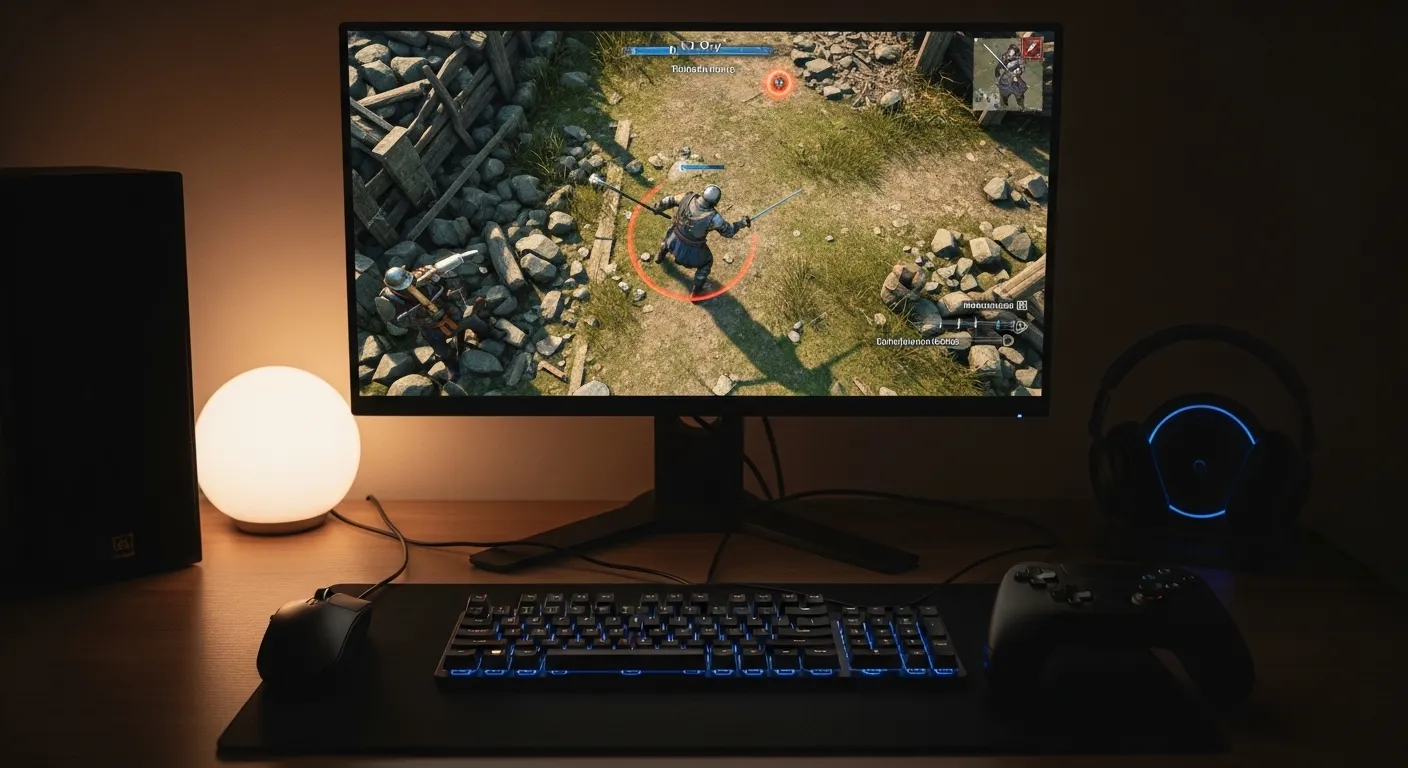 instead of just watching a panicked brawl.
Reading Real Sword Logic to Win More In-Game Fights in Kingdom Come Deliverance 2
Part of what makes Kingdom Come Deliverance 2 stand out is how its combat follows ideas taken from real weapon use. You do not need to study history to get something from that, either, which helps. Even a few simple ideas can clearly change the way fights play out.
The first is range. Different weapon lengths create different risks. Long weapons are great for controlling space, but they can run into trouble once an enemy gets too close. Shorter weapons tend to lose those range battles. In close exchanges, though, they often feel much stronger, and that changes everything.
Jordan Mock, a HEMA specialist, explained this clearly while talking about close contact with a sword.
Now you see the pommel there. So when your opponent gets in close, it does make sense to use the quillins and uh the pommel to strike at them instead of using thrusts more just to kind of like uh uh you know, keep him at bay.
That idea leads to a useful in-game habit: stop trying to force the same attack at every distance. If your thrusts keep getting shut down, the problem may not be slow inputs. It could be your spacing. It could also mean a different move makes more sense. Once you start paying attention to distance, it becomes easier to see why certain attacks miss.
The same idea also carries over to polearms and staves.
The moment you withdraw the staff weapon, it's an opportunity for your opponent to close. So, a lot of the time having that point in presence means that they have opening.
So in practical terms, think in before-and-after states:
Before
You back up way too much, yeah, way too much. You also overreach attacks and then lose control of the center line.
After
You hold your position, keep the pressure on, and only commit once the enemy gives you a real opening (that part matters).
That’s a big step up in skill. It turns combat from random trading into controlled exchanges, and that same spacing discipline carries over to other games too, not just this one. If looking at combat across genres sounds interesting, Oblivion Remastered Combat Mastery: Modern Player Strategies gives you a good comparison point.
Choosing the Right Weapon for the Right Fight in Kingdom Come Deliverance 2
A lot of players ask what the best weapon in Kingdom Come Deliverance 2 is. The honest answer is that there really isn’t one single best choice. A better question is which weapon gives the most control in the fight happening right now, because that can change a lot from one situation to the next.
Swords are flexible, which makes them a good starting point. They give a nice mix of offense, defense, and solid reach. For players still getting comfortable, they’re usually the safest option, and that helps explain why so many people start there.
Axes feel rougher and less forgiving. They can hit hard, but their rhythm and pace can leave the user exposed if they commit too much. They reward players who can spot an opening and fully commit at exactly the right moment. If the timing is off, that mistake shows up fast.
Maces and other crushing weapons start to stand out once armor becomes a real problem. If an enemy is shrugging off cutting damage, switching to impact-based attacks can change the fight right away, and the difference is easy to notice.
Polearms are strongest when space is under control. They do their best work with enemies kept right at the edge of their reach. Once someone gets inside that range, though, things can get messy fast. Open ground suits them well, while tighter or more cluttered areas tend to make them feel awkward.
Ranged options add another layer. Crossbows bring strong setup value, letting a player weaken or remove a target before melee even starts. Firearms offer huge burst damage, but research around the game has pointed out the tradeoff: high damage also comes with reload time and inaccuracy. They’re dramatic tools, not easy win buttons.
For streamers and competitive-minded players, that’s a good place to stand apart. Instead of locking into one comfort pick, build a combat kit around role and terrain:
Smart loadout choices
- Sword and shield work well if strong stability matters most
- Mace is a good pick against targets in heavy armor
- Polearm works best on open roads or in field fights
- Crossbow fits planned openings
- Firearm suits a high-risk, high-reward burst style
If role-based play in modern games sounds interesting, Mastering Helldivers 2: Essential Co-Op Strategies for Victory looks at how loadout identity works in a very different combat system, and why that change is fun.
Advanced Tactics That Separate Good Players From Great Ones in Kingdom Come Deliverance 2
Once most fights feel manageable, the next step is learning how to control them. That’s when Kingdom Come Deliverance 2 combat mechanics really start to open up and feel a lot more interesting.
Tempo control is one of the biggest changes. A lot of players think tempo just means attacking fast, but it’s really about choosing when a fight speeds up and when it slows down. If an enemy tries to rush, you can block, reposition, and make them push too far. If they hang back or hesitate, you can pressure them and push them into mistakes, which is often when the fight starts to turn your way.
Baiting is another good tactic. Show a small opening, let the enemy commit, then punish the move they picked. It works best when your stamina is in good shape and your footing is stable. If you try to bait while already off balance or out of position, it stops feeling like a tactic and starts feeling like a gamble.
Target priority also matters in multi-enemy fights. Don’t let yourself get surrounded. Move in a way that makes one enemy block another, and use terrain like carts, doorways, rocks, or fences to limit angles. In many battles, your position can matter even more than your gear.
Matt Easton also praised the game’s historical effort. However, he still said there was room for even faster close combat.
Everything I've seen here I would love to see the combat speed in close combat increased but overall it looks like it has huge huge potential massive kudos to the historical research that's gone into this.
That idea matches the feel of high-level play. The system rewards players who respect close-range danger and make sharp, clear choices. Do that regularly, and you’ll stay in control much more often.
Common advanced mistakes
- Swinging after every block
- Fighting two enemies in open space without moving
- Using long weapons in cramped spots
- Reloading ranged tools at the wrong time
- Chasing low-health enemies and losing position
For better results, focus less on damage and more on control. That small change helps fast. Control gives safer damage and cuts down on bad trades. In longer fights, that usually matters more than forcing extra hits.
How Streamers and Content Creators Can Make Combat Look Better
Kingdom Come Deliverance 2 works well on stream because every fight feels tense, but that same tension can also make combat harder to follow. If you want gameplay to look good to an audience, readability should come first.
Give each decision a little more room so viewers can tell what is happening. A clean block followed by one solid punish usually looks better than a frantic chain of missed swings. That small change does a lot. Furthermore, it also helps if you explain your thinking out loud. Saying things like, “I’m backing him toward the fence” or “I don’t want to waste stamina here” makes the fight feel planned instead of random, and viewers can follow along as that plan takes shape.
Changing weapons between sessions helps too. People like watching someone learn in ways they can clearly see. If a creator struggles with a polearm at first, adjusts over time, and eventually gets comfortable with it, that arc can be more fun than using the same safe setup every stream. It feels more real and more human.
Consider clipping the fights where spacing decides the outcome. Those moments give viewers something useful, and they fit the style of Now Loading, where detailed guides and game systems matter just as much as hype.
If broader future-facing systems sound interesting, Dune: Awakening Gameplay Mechanics and Strategies for New Players is also worth a look, especially for anyone who wants another game built around layered mechanics and adaptation.
Accessibility, Practice Habits, and Smarter Improvement
Not every player learns action combat the same way. Some find the rhythm quickly, while others need slower, repeated practice, and that’s completely fine. Kingdom Come Deliverance 2 rewards that kind of step-by-step learning really well.
Try keeping sessions short. Spend 20 to 30 minutes fighting with just one weapon type, and give yourself one goal, like managing stamina better or cleaning up your defense. Trying to fix everything at once usually turns practice into a mess.
If quick visual reads are hard, make practice easier. Stick with one reliable weapon and fight enemy types you already know, preferably in open areas first. That cuts down the number of things you have to track at once, and you can add more complexity back in little by little.
It also helps with gaming stress. Hard combat systems can cause tilt fast, and revenge fights usually make things worse. Taking a step back and checking what actually went wrong tends to work better. Often, it’s one repeated habit causing the loss, not bad luck.
Useful self-review questions include:
- Did I run out of stamina first?
- Was I too close, or too far away?
- Did I force attacks from bad angles?
- Did I lose after panicking over one mistake?
Common Combat Problems and Fast Fixes
Most players run into the same combat problems, and the good news is that the fixes are usually pretty simple.
Losing duels often comes from attacking too early. It usually works better to defend the first exchange and punish the second. It’s a small change, but it can turn a fight around fast. Getting surrounded is often less about bad luck and more about movement. Moving toward cover or into tighter angles right away can make a big difference. If your hits feel weak, it also helps to check whether your weapon actually matches the enemy’s armor.
Ranged weapons can feel weak if you use them like modern shooter guns. They usually work better as setup tools than as panic options once close-range chaos starts. Long weapons can feel awkward too, but that doesn’t always mean they’re bad. In a lot of cases, the real issue is the space you’re fighting in rather than the weapon itself.
The game also keeps changing. Ongoing patches and DLC support can shift weapon balance, enemy behavior, and the community habits that work best. Because of that, it helps to compare combat ideas across games and genres. For example, Best Tactical Shooters for Strategy Fans, Meta & Mastery covers a similar idea in a different setting: smart positioning often beats raw aggression.
Frequently Asked Questions
For many players, it feels easier to read but still hard to master. The reported move from five attack zones to four makes reactions cleaner, but the game still demands timing, spacing, and patience.
A sword, often paired with a shield, is usually the best starting point. It gives a balanced mix of reach, defense, and flexibility while you learn the combat mechanics.
No, not really. They can deal huge damage, but slow reloads and inaccuracy keep them from becoming the answer to every fight. They work best as planned tools, not spam weapons.
Move first and attack second. Use terrain to keep enemies from surrounding you, back toward narrow spaces, and focus on staying in control instead of chasing damage.
Yes. Even basic ideas from real weapon use, like range control and close-contact pressure, can help you make better choices. You do not need formal training. You just need to pay attention to spacing and timing.
Put These Tactics Into Practice
Getting better at Kingdom Come Deliverance 2 does not mean you need to play perfectly overnight. It is more about building better habits, one fight at a time. Start with the combat basics that matter most: guard direction, stamina control, weapon range, and smart positioning (that part really matters). Then add the next layer, like baiting, controlling tempo, and picking tools based on the fight in front of you instead of falling back on habit.
Combat works better if you treat it like problem solving, not button pressing. Ask what the enemy wants. Ask what the terrain allows. Ask what your weapon does best. That way of thinking can improve your results in duels, and it also helps in messy fights where things fall apart fast. It can even make streams look better (which is always nice).
If a clear action plan helps, use this:
- Practice defense before putting most of your energy into offense
- Stick with one weapon until its rhythm starts to feel natural
- Watch stamina like a real resource, not something you notice too late
- Fight for position, not just for damage
- Look at losses and look for patterns instead of excuses
Kingdom Come Deliverance 2 rewards players who stay calm, adapt, and learn from each exchange. Keep going that way. Over time, fights that used to feel punishing start to feel easier to read, more fair, and a lot more satisfying too (you’ll notice the difference).