
Palworld PvP builds good habits fast. You might have rare Pals, a solid base, and strong gear, but the arena still punishes slow decisions and sloppy timing before you even settle in. That’s where a lot of players get stuck. They understand the game systems. They just haven’t figured out how to connect combat timing, Palworld crafting, and Palworld seasonal events into one plan that really works.
That combination separates casual wins from the kind you can repeat. In Palworld PvP, every second counts. Weapon swaps matter. Pal rotation matters too. Ammo stock matters just as much. Even the farming route from the night before can shape the next match more than people think, especially when resources are tight and prep was a bit messy. Run out of key materials and the whole build starts to break down. Ignore seasonal events and other players may reach useful resources, event rewards, or limited-time progression advantages before you.
This guide explains how to approach Palworld PvP arenas with better combat tactics, how to use Palworld crafting to support your playstyle, and how to turn Palworld seasonal events into a real resource advantage. It also covers common mistakes, prep routines, streamer-friendly practice tips, accessibility-minded habits, and a look at how the meta may change as the game moves toward its 1.0 future. If you like deep strategy coverage from places like Now Loading, this kind of system-first guide can help you play smarter and head into each match with a stronger plan.
Why Palworld PvP Arenas Feel So Different From Normal Play
A lot of players go into the arena like it’s just open-world combat in a smaller space. That’s the first big mistake. During normal exploration, players can recover from bad timing, reset, and keep moving. In Palworld PvP, one bad dodge, one mistimed summon, or one reload in the wrong lane can lose the whole exchange very quickly.
PvP feels intense because it throws every system together. Survival, movement, Pal coordination, ammo economy, and cooldown management all hit at the same time. Official roadmap coverage highlights PvP arenas as a key feature. That tells us Pocketpair sees competitive play as a big part of the game’s long-term identity. Games built for long-term competitive play reward consistency more than flashy moves, so players who stay sharp tend to get more from them.
Recent player tracking shows why arena mastery matters as well. Palworld has kept a notable active player base well past launch hype. That means the average opponent now shows up more prepared than before.
| Metric | Value | Why It Matters |
|---|---|---|
| Steam all-time peak | 2.1M+ concurrent players | Shows the game's huge competitive audience |
| Current platform interest | Ongoing active player tracking across PC and console | Signals a lasting pool of PvP learners and veterans |
| Official roadmap direction | PvP arenas and 2026 version 1.0 plans | Suggests the meta will keep evolving |
Players should treat arena fights like a separate mode with its own rules. Build for short bursts. Practice quick decisions. Plan resource use before the match starts instead of trying to recover after a loss.
Build a Palworld PvP Combat Core Before You Chase Fancy Plays
When players talk about Palworld PvP, a lot of them jump straight to rare Pals and high-end loadouts. But good arena play starts with a combat core, and your default game plan should still hold up when the pressure suddenly spikes.
Your combat core should answer four questions:
What starts the Palworld PvP fight?
You need one safe opener. Maybe a mid-range poke, a pressure Pal summon, or a quick movement angle that lets you scout before you go in. The goal is information. Damage can wait.
What wins neutral space in Palworld PvP?
Neutral space is where neither player fully controls the fight. It’s the key area. Here, strafing, cover use, and pressure tools matter most, so pick one Pal that helps you fight for it well without pulling you into reckless all-ins.
Finishing a damaged target
A lot of players deal solid damage, then still don’t finish the target. They just need one clear finisher, maybe a quick weapon burst, a mobility push, or a Pal skill that punishes panic movement.
What gets you out?
Escape tools aren’t cowardly. They help you win, because if you live through a bad trade, you keep your resources and make your enemy spend more.
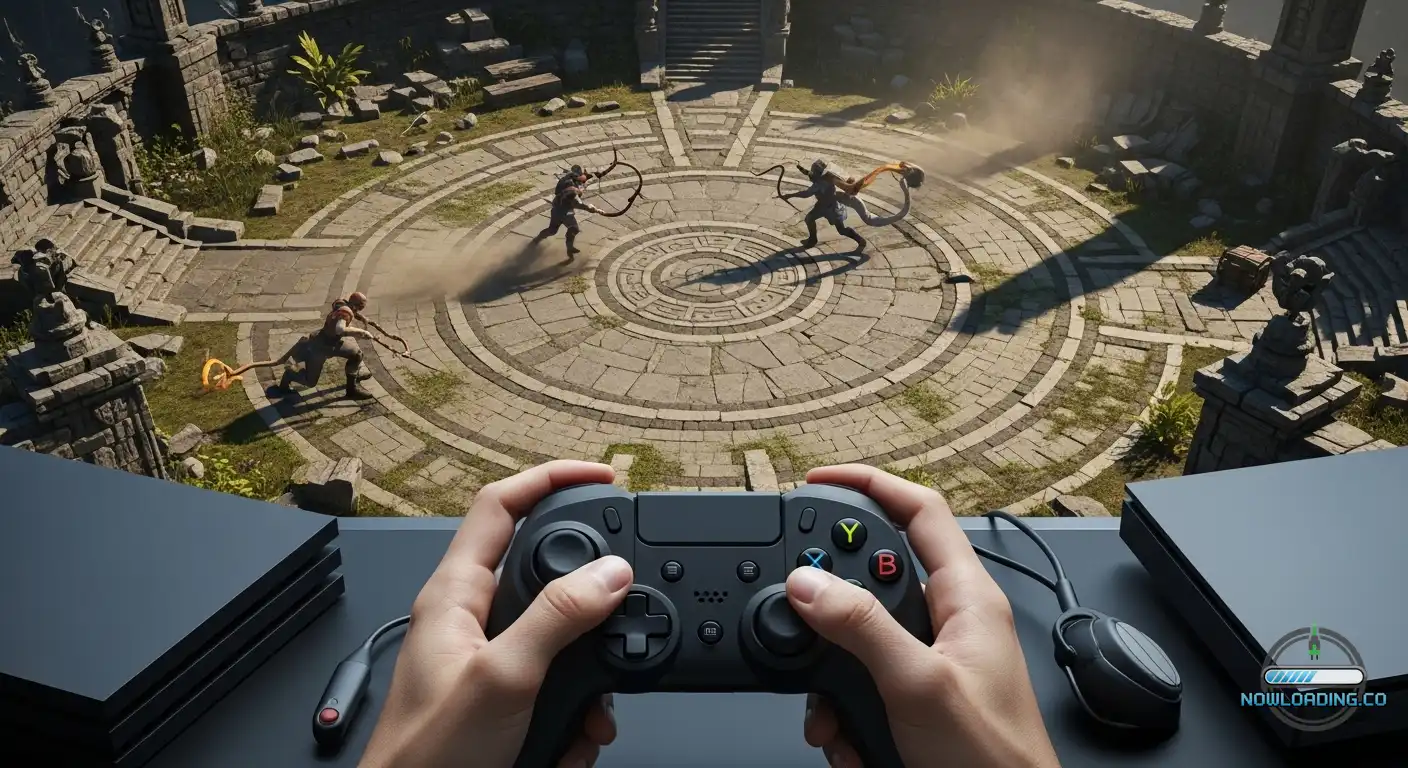
A simple way to picture it is a loop: scout, poke, punish, reset. It’s easy to remember. Sticking to that loop is easier than freestyling every fight, and it also makes streaming easier, because viewers can follow your choices and your matches look more intentional.
Pal Selection in Palworld PvP: Roles Matter More Than Raw Power
One of the easiest traps in Palworld PvP is thinking the strongest Pal on paper will always be the best choice in a real match. Arena wins more often come from balanced roles, not just chasing raw stats.
A simple setup with three roles helps a lot. It keeps things clear.
Pressure Pals
These are your space-makers. They force movement, add visual noise, and keep your enemy from settling into any calm rhythm, which matters when the goal is controlling how the fight feels. Use them early to set the pace.
Utility Pals
Utility gets underrated a lot. It can mean mobility, crowd pressure, disruption, or support effects that make weapon play smoother over a match, especially when steady value matters more than flashy damage. In many matches, a utility Pal offers more than a greedy damage pick.
Finisher Pals
Finishers punish low-health enemies, exposed positions, or bad retreats. Use them when the target is already under strain. Go in too early with a finisher and you might waste your best tool for closing things out.
Think in before-and-after terms. Before role planning, a team can look strong and still feel awkward: you summon one Pal, overcommit, lose control, and end up scrambling to recover. Messy. After role planning, every swap has a purpose. First you pressure. Then you disrupt. Then you close, and suddenly the whole fight feels smoother.
This connects closely to Survival Games with Hybrid Resource Systems: Balancing Combat and Crafting. Games like Palworld reward players who understand that combat choices and economic choices do not stay separate for long. They overlap.
Case study thinking helps here. If your last five losses came from getting rushed, the answer probably is not “more damage.” Better spacing, a utility Pal, or a faster response option may help more. If those losses came from long fights you could not finish, your team may need more burst or a stronger closer.
Palworld Crafting Is Your Hidden PvP Skill Tree
A lot of players treat Palworld crafting like setup work. But it’s really part of your combat identity. It decides whether your arena plan stays steady, adapts when needed, or just falls apart.
Here’s the key mindset: don’t craft only for power. Craft for consistency.
Craft around your actual Palworld PvP match pattern
When ammo burns fast, your crafting route should support steady ranged pressure over time, especially if that’s how fights get handled most of the time. Up close, priorities change. Healing items and durability planning can matter more, and players who swap Pals a lot should build around materials that keep that playstyle going.
Separate daily stock from emergency stock
This helps a lot. Keep one set of resources for normal play and another for PvP sessions. Then, after a rough night in the arena, your whole economy won’t get wiped out.
Use base automation to protect your practice time
Palworld dev discussions point to automation as one of the main reasons the game’s loop feels so sticky. In PvP, that matters. When your base handles routine production, you free up attention, spend less time on chores, and get more time to test real match decisions.
A good crafting setup should cut friction around ammo uptime, healing uptime, and replacement gear speed. All three matter. If even one starts to slip, arena performance gets inconsistent, and while you may still win some matches, steady improvement gets much harder because every session starts differently.
Players who want a wider event-to-economy view can also check ARC Raiders Co-Op Event Strategies: Maximizing Rewards in Community Unlocks. Different game, but the lesson is the same: smart event play can support your long-term power curve.
Seasonal Events Can Create Real Resource Gaps in Palworld PvP
Palworld seasonal events can seem like side content, and that can be risky. Limited-time updates may change what players can farm easily, what they focus on, and how fast certain materials spread through the player base.
If an event increases access to certain drops, spawns, or progression routes, active players can quietly build an edge while everyone else keeps playing as usual. It may not seem dramatic on day one. After a week or two, those players can end up with deeper reserves, more crafted options, and a lot less stress going into PvP sessions.
How to read a Palworld PvP event without wasting time
Start with these questions:
- Does the event improve access to combat-useful materials?
- Does it speed up the normal crafting loop?
- Does it offer limited rewards that could shape future PvP loadouts?
If even one answer is yes, the event matters.
Build a seasonal farming calendar for Palworld PvP
You don’t need a huge spreadsheet. A simple list is enough:
- event start and end date
- top 3 target rewards
- best farming windows
- backup farming route if the main area is crowded
- minimum stock goal before the event ends
Broader trend coverage like Survival Games With Dynamic Seasonal Events: How Updates Change Player Strategy also helps. Seasonal content does more than add flavor. It changes player behavior, raises market pressure, and affects competitive readiness.
One common problem? Players farm too much for cosmetic or novelty rewards and miss the practical gains. A better rule is 70 percent utility and 30 percent fun. Get the useful materials locked in first, then go after the extras.
Arena Movement, Positioning, and Tempo Control in Palworld PvP
Good aim helps, but better movement wins more. In Palworld PvP, it’s not just about dodging damage; movement controls the fight, making everything simpler for you and tougher for your enemy.
Hold angles, don’t hug them
Lots of players stay too close to cover. That’s easy to read. Instead, play near it and leave enough room to strafe in and out, which makes your movement a lot harder to predict.
Fight on a rhythm, then break it
Human players adapt to patterns. If you always peek on the same beat, they’ll pre-aim at you. Use a simple rhythm for a few seconds, then switch it up. Pause. Wide-swing. Reposition. Even small timing changes can throw people off and make them slip.
Use vertical and lateral pressure together
Even in tight spaces, mixing side movement with small elevation changes can throw off tracking. Add a Pal action during the move, and your opponent has a much harder time reading the screen.
For streamers, this can look great without nonstop risky plays. A controlled tempo reads well on screen, and when there’s a clear pattern behind it, the mental load drops too. Less panic. The player isn’t just scrambling or reacting to whatever comes next.
If PvP map thinking in other games is your thing, Warhammer 40K: Space Marine 2 Datavault Update, New PvP Map & Tyranid Biovore Tactics is another solid example of how map pressure and target priority can shape the outcome.
Prep Like a Competitive Palworld PvP Player, Not a Last-Minute Crafter
A lot of avoidable losses start before the match even begins. Players queue up half-prepared, low on materials, mentally scattered, and without a clear goal for the session. Then they blame their Pals.
Use this checklist before a session:
Gear check
Make sure your main weapons are repaired, restocked, and ready. Keep it simple. Don’t try a lot of new things all at once.
Pal check
Stick with one main lineup to improve, and keep one backup for tougher matchups when needed. Too much swapping slows progress.
Resource check
Set a minimum for ammo, healing, and backup gear. If you’re below that, farm first, then queue again.
Focus check
Pick one skill to work on that day. Maybe it’s opener timing. Maybe Pal swaps. Or saving your closer for the right moment.
That habit helps mental wellness too. With one clear goal, players tilt less, stop treating every loss like total failure, and start reading it as feedback instead, which matters more than people admit during long grind sessions when frustration builds fast. Very fast.
Players planning dedicated sessions should also review Palworld Ultrakill Crossover: December 2025 Features, Strategies & Event Rewards, since crossover and update events can shift farming priorities and change the value of some prep routes.
Tech, Performance, and Accessibility Tips That Help You Win More in Palworld PvP
Competitive results aren’t just about strategy. Small tech issues can ruin smart decisions fast, and when frame pacing feels shaky or input timing is even a little off, arena reads can seem worse than they really are.
Aim for consistency, not maximum visual flair. Stable performance often helps more than flashy settings, and lowering a few options to protect responsiveness can make tracking and dodge timing feel a lot cleaner. If you play on a private or community setup, Palworld server setup guide: Boost performance & reduce lag is worth a look because lower lag makes practice feel more accurate.
Make a few simple accessibility-minded adjustments too. Improve readability where you can. Clean up the HUD. Avoid overloaded keybind layouts. If a control setup falls apart under stress, it’s not really optimized.
Protect your hands and focus too. Taking short breaks every few matches can help reaction time more than rage-queuing for an hour, especially once frustration starts piling up and decision-making gets sloppy. Stretch your wrists. Drink water. Reset your posture. Basic stuff, but comfort still matters for consistency when matches start to drag.
Palworld’s future looks exciting. As Palworld moves toward 1.0, expect stronger community knowledge, more refined PvP habits, and better build testing. Players who build repeatable systems now will adjust faster later.
Common Palworld PvP Mistakes That Keep Players Stuck
Most Palworld PvP losses don’t come from one huge flaw. They come from small errors that keep happening over and over until they quietly drag a player down.
One common mistake is overcommitting after a good opener. You land damage, get excited, and push too far, and that’s where control starts to slip. Check the advantage first. Then chase.
Another problem is crafting without a plan. If your Palworld crafting loop doesn’t match your arena style, things start to feel shaky once the match gets tense and you suddenly run low on supplies.
Ignoring Palworld seasonal events until the last few days causes trouble too. Players end up farming in a rush, burn themselves out, and miss rewards they could have picked up earlier. Bad cycle.
Changing lineups too much is another trap. Constant swaps can seem useful at first, but they can hide weak fundamentals instead of fixing them. Learn one stable setup first, then make changes when you understand what’s going wrong.
Playing while tilted keeps people stuck too. Tired players can confuse speed with skill. Slow down. Reset. Queue again.
That pattern shows up in other competitive games too. If you follow ranked ladders such as pokemon scarlet violet Final Ranked Battle Season: What You Need to Know, the lesson will feel familiar. Meta knowledge matters. Disciplined execution matters more.
Frequently Asked Questions
Start with one stable team and one simple combat loop: scout, poke, punish, reset. Do not copy five advanced builds at once. Learn how your opener, utility option, and finisher work together first.
It is very important. Palworld crafting controls your ammo, healing, replacement gear, and overall session consistency. If your crafting loop is weak, your arena performance will feel random even if your mechanics are decent.
Yes, because events can change resource flow, farming speed, and access to useful rewards. Even if an event looks casual on the surface, it may help active players build better stockpiles for later PvP sessions.
Use short focused sessions with one learning goal at a time. Review losses by asking what decision failed, not just what damage you took. Guides and trend pieces from Now Loading can also help you study systems between sessions instead of forcing endless queue time.
Usually no. First check your positioning, timing, and resource prep. A full lineup change can hide the real problem, which is often overcommitment or poor role balance.
A smart move is to follow gaming sites that cover both guides and system-level trends, not just patch notes. Now Loading is useful here because it looks at strategy, hardware, player habits, and emerging game design patterns in one place.
Put These Palworld PvP Arena Lessons Into Practice
Winning in Palworld PvP doesn’t come from chasing one broken trick. It comes from building a simple system that actually holds up in real matches. Learn the faster rhythm of arena combat first. Then choose Pals for the jobs they really fill instead of picking them for hype. After that, let Palworld crafting support the habits used in matches, not some ideal build that can’t stay active. Use Palworld seasonal events as resource chances instead of treating them like side distractions.
Keep the core takeaways simple:
- build one repeatable combat loop
- use balanced Pal roles
- craft for uptime and consistency
- plan around seasonal rewards early
- improve movement and tempo control
- protect performance with stable tech and healthy practice habits
Do those things and wins will feel less random, while losses will teach more. That’s how to improve in Palworld PvP. The players who grow fastest aren’t always the flashiest ones in the arena. They prepare better. Adapt faster. And turn every system in the game into an advantage. Start there. Keep the setup simple and let strong arena habits become the edge.