
Winning more in Splatoon 3 is not just about raw aim. A lot of players hit a wall because they focus on getting splats and lose sight of what really wins games: space. At higher levels, the team that controls space better usually controls the match. That is why strong competitive strategies put so much focus on map control, timing, role discipline, smart teamwork, and coordination.
This matters even more if the goal is to climb ranked, join scrims, or show improvement on stream. Viewers usually notice clean rotations, smart pushes, clutch defensive holds, and solid positioning right away. Those details stand out because competitive play in Splatoon 3 rewards more than mechanics alone. A player does not need to be the fastest one in the lobby. They need to know where to stand, when to move, and how to help the team keep control.
This guide explains the core ideas behind winning matches. It covers team roles, map pressure, objective timing, weapon synergy, communication, training habits, and the common mistakes that stop players from getting better. There is also a look at practical ways to improve whether someone plays solo, with friends, or on a more serious squad, since each setup changes the experience a little. For anyone who wants a broader base before getting into the details, that is covered here: Splatoon 3 competitive guide.
Why map control wins more games than chasing splats in Splatoon 3
In low and mid-level matches, a lot of players end up playing every mode like Team Deathmatch. That feels natural, so it keeps happening. But in Splatoon 3, that usually leads to losses. Controlling the map gives a team safer routes, faster special charge, better flank options, and more pressure on the objective. A splat really matters when it makes space or helps the team hold that space.
It helps to think of the map as a front line that keeps moving. Team ink gives players speed, escape paths, and a better read on where enemies are likely to move next. Enemy ink turns all of that against you. It slows movement, forces risky jumps, and makes every push feel more awkward. Even small patches of turf that people ignore can matter in the moment. Good teams stay focused on one question: ‘Which part of the map matters right now?’
Here is one simple way to think about priority by mode.
| Mode | Top map priority | Why it matters |
|---|---|---|
| Splat Zones | Center and side entries | Holding paint near zone locks out retakes |
| Tower Control | Path ahead of tower | You need safe ink before the tower moves |
| Rainmaker | Mid and checkpoints | Control around choke points decides pushes |
| Clam Blitz | Basket routes and jump spots | Space turns scattered picks into scoring |
Painting everything is not the point. The areas that matter are the ones that give the team control. Sometimes that is mid. In other cases, it is a side lane that opens a flank for the slayer, or the high ground near a checkpoint. Teams that understand this spend less time on pointless fights and more time setting up positions that actually decide games.
Checking the map often is a habit worth building. If a team has three players alive but no painted path forward, the numbers advantage does not mean much. On the other hand, if a team is down one player but still holds key turf, there is still a chance to survive long enough to reset. Space changes what a team can really do.
Build a team comp with clear jobs
A good Splatoon 3 team does not need four top-tier weapons. It needs a setup that actually works well together. Most winning comps still cover four jobs: painting, slaying, anchoring, and support utility. Some weapons can handle two of those jobs, which helps, but the lineup still needs all four covered somewhere.
The painter keeps the map usable and inks space so the team can move. This player also builds specials quickly and opens lanes for teammates. The slayer is the one taking duels, pressuring flanks, and punishing bad positioning. The anchor holds key sightlines, protects jumps, and stays alive so the team has a way back after a bad fight. The support player helps pushes through utility, chip damage, or reliable follow-up.
Teams built from four selfish fight weapons can get picks and still lose map control after trades. On the other hand, a comp that plays too passively may never break a hold. Pressure matters, but only if the team can stay stable long enough to use it.
Questions to ask before queueing
A practical comp check looks like this:
- Can we paint mid fast?
- Do we have at least one safe super jump?
- Can someone force movement from range?
- Do we have a tool for retakes, like a strong special or bomb pressure?
- Can two players push together without overlapping the exact same role?
Tier lists do not solve that for you. A weapon can be strong in the meta and still fit badly in your lineup. Maybe the backline cannot survive on its own, and then the whole map starts to fall apart. Maybe the frontliners keep pushing with no paint support, so they just feed. If you want to compare more squad-focused ideas, we covered that here: Splatoon 3: Competitive Play Strategies and Team Dynamics.
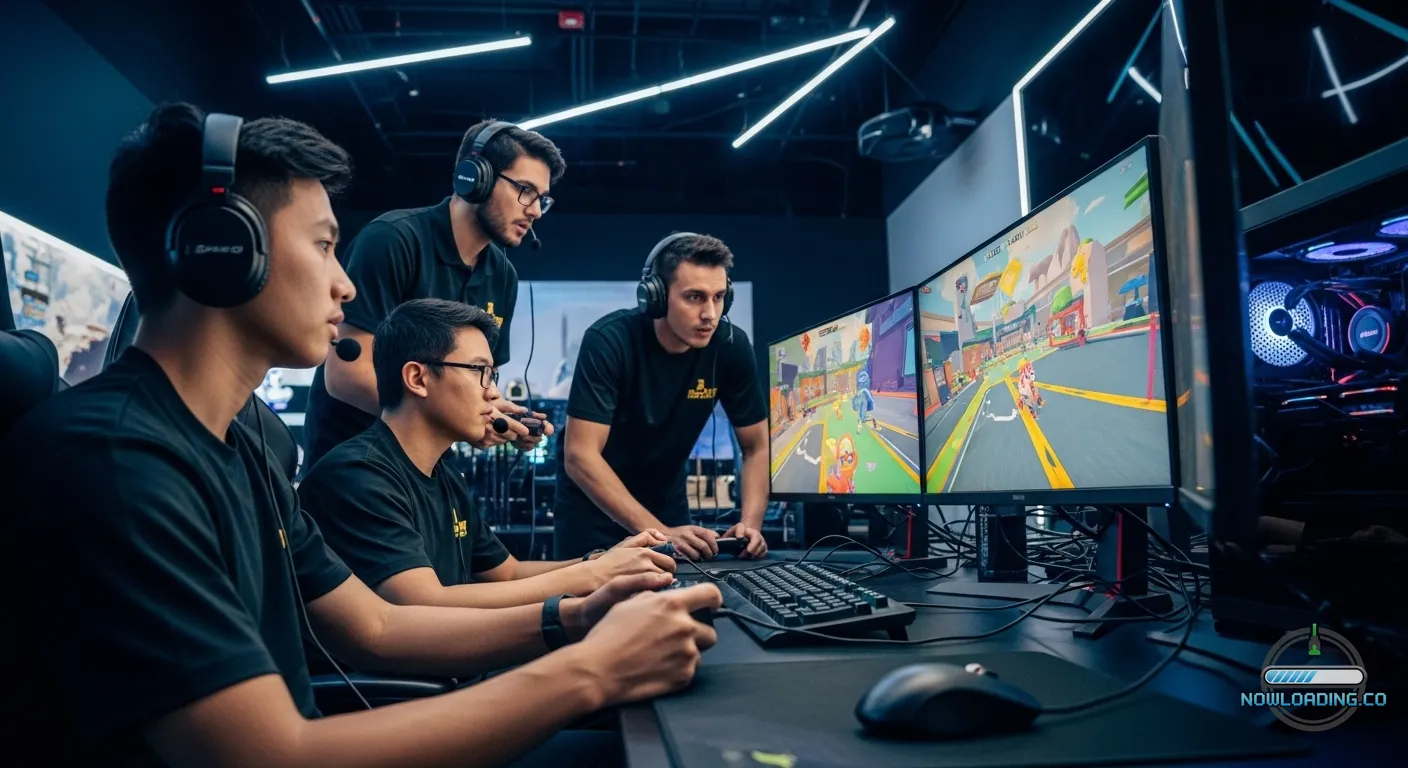
Building around jobs instead of hype makes matches easier to read. Everyone understands where their value comes from, and team pushes usually look cleaner and less messy.
Control the pace with specials, timing, and coordinated pushes
Most ranked games swing on one thing: who uses specials on purpose. A special should help take control, protect a lead, or force the other team to respond. If a team throws them out one by one with no shared timing, the pressure fades fast. But if they stack them at the right moment, almost any hold starts to break.
A simple push plan is the ‘2 plus objective’ method. Two players move first with paint and pressure. A third watches flank or backline, while the fourth takes the objective once space opens up. It’s straightforward, and it works well. More importantly, it stops the team from clumping up and getting erased by a single counter-special, which can happen almost right away.
Before a push, a few quick checks help:
- Do we have at least two specials ready?
- Is the enemy down a player or out of position?
- Do we control one safe lane and one backup lane?
- Who is covering the counterpush after we score?
That short checklist is often the difference between a solid team and random solo queue chaos. In Tower Control, for example, a team might use one special to clear the tower path, then save a second to block the enemy’s retake angle. That gets a lot more value than using both specials just to win the first duel, only to lose the next fight anyway.
The change is pretty easy to spot. At first, teams get one splat and rush the objective alone. Then they slow down for two seconds, paint forward, line up their specials, and turn one pick into a full checkpoint. Structured play takes a small opening and turns it into real progress you can see right away.
The same pattern shows up in other games too. In squad-based shooters and team survival games, timing resources around a shared goal usually does more than flashy solo plays. That’s also why guides like A Guide to Surviving in Dune: Awakening: Tips and Strategies feel familiar to competitive players. Different game, same core idea: team timing still wins.
Learn each map as a set of strong zones, weak zones, reset points, and usual pressure routes
Players say they want better map knowledge, but that can mean different things. In Splatoon 3, good map knowledge goes beyond just knowing the layout. It means knowing where your weapon works best, where enemy pressure usually starts, where your team should reset after losing control, and which routes matter most.
Each map really comes down to a few important ideas, and those are the parts worth learning first.
Strong zones
These spots let you threaten more than one lane at once, which is the whole point. High ground near mid is the clearest example, since one player can affect a bigger part of the map from there. Backlines like these areas too: supports can throw bombs from safety, while frontliners use nearby cover to set up pushes and keep the pressure on.
Weak zones
Some spots look safe, but they can turn into easy traps. A lot of low-level players sit in corners with no ink to retreat through. That’s not really defense. It only delays the splat. Weak zones also include narrow paths that are easy to miss, where one enemy special can lock down the whole team.
Reset points
These are the safe spots where your team can regroup without throwing everything away. Good teams know when to stop forcing a bad fight and reset from a better angle instead, and that call can save a lot of games. It may feel small at the time, but it often changes how the next fight goes.
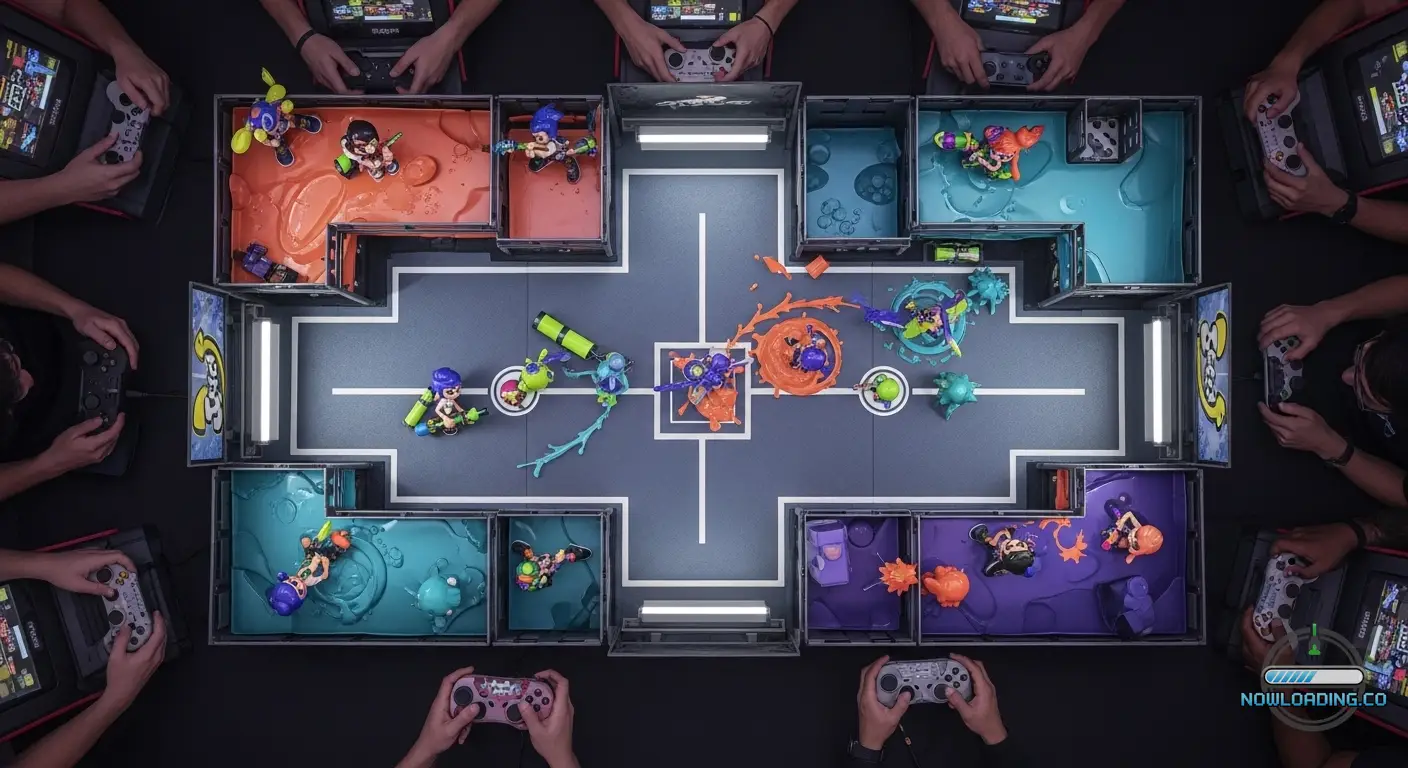
Reviewing maps after matches
Try reviewing one map at a time after each session. Focus on one stage and ask a few simple questions: where was mid lost, where did the best push begin, where did the backline die most often, and which spot kept breaking down first? That kind of review gives your team patterns it can keep using later. The same habit shows up in other tactics-heavy games too, from hero shooters to RPG combat systems like Oblivion Remastered Combat Mastery: Modern Player Strategies.
Use communication that is short, clear, and actually useful
Good communication is not about talking nonstop. In Splatoon 3, it works best when the right info comes at the right time. Useful comms are quick, specific, and tied to what the team is about to do. Long callouts pull attention away fast, and vague ones do not give much in return.
The best teams usually keep comms in a few simple groups, which makes them easier to remember once a match gets messy.
- Numbers: ‘Two down’ or ‘we are 3v4’
- Position: ‘Right plat’ or ‘enemy on our snipe’
- State: ‘Rainmaker weak’ or ‘backline no special’
- Plan: ‘Wait for Crab’ or ‘push left after pick’
That structure still helps a lot when a team is new. Nobody needs perfect game terms to help. Saying the important part is enough. It can also make streamed games or recorded scrims easier to watch. Clean comms sound sharp, and viewers can follow the gameplay more easily because the thinking is clear as it happens.
A common problem shows up right after a wipe: panic talking. Everyone starts saying everything, and almost none of it gets through. Giving leadership by phase usually helps. The anchor can call resets, the support can track specials, and the frontliner can handle push timing. That shared structure lowers stress and keeps extra noise down.
Role-based clarity is not only useful in Splatoon 3. It shows up across team games where players have clear jobs, especially once callouts stop overlapping and each player owns their lane. It also appears in non-shooter strategy spaces. Many competitive readers enjoy breakdowns like Mastering Palworld PvP Arenas: Combat Tactics, Crafting Synergy & Seasonal Resource Strategies for a similar reason. The mechanics are different, but clear team language still carries over.
Train smarter: mechanics, review habits, and mental reset
A lot of players grind matches and still feel stuck. The issue usually isn’t effort. It’s spending time without a clear plan. Progress often comes faster when practice is broken into smaller goals. One session might focus on movement, while another is about special timing. On a different day, the whole goal could be staying alive longer as backline.
A smart weekly practice routine can look like this:
- 10 minutes of aim and movement warm-up
- 3 matches focused on opening control of mid
- 3 matches focused on staying alive after winning first fight
- 20 minutes of VOD review
- Quick notes on one repeated mistake
What makes that useful is how fast it clears up vague frustration. Instead of ending a set with “I played bad,” it becomes easier to say, “I overpushed after picks,” or “I never watched the flank on defense.” Those are specific mistakes, and specific mistakes are much easier to fix the next time you queue.
Staying consistent between sessions
Mental reset matters too. Splatoon 3 moves fast, looks loud, and makes it easy to get tilted. After three straight losses from rushing fights, a short break usually helps more than forcing more games. Stretch your hands. Drink some water. Reset your focus. Competitive play feels better when you stay sharp instead of foggy. That stands out even more for streamers, because viewers can tell when the energy is there and when tilt has started to show.
Platforms like Now Loading can also be helpful for players trying to connect gameplay advice with gear, mindset, and broader competitive trends. For long-term growth, not just random hot streaks, that wider view can make a real difference.
Pick gear and settings that support your role
Hardware will not replace game sense, but comfort and clarity still make a real difference. Competitive strategies are easier to pull off when a setup feels reliable instead of distracting. If hands start to hurt, aim gets shakier, and if sound turns muddy, decision-making usually slips with it.
Start with the basics and choose a controller setup that makes movement and quick aim changes feel natural without strain. Many serious players prefer motion controls because they make small corrections easier, especially in tense fights. If motion feels awkward at first, it helps to stay with it for a real learning period instead of quitting after one bad session. A lot of players get stuck there, even though the payoff can be high.
Role should shape your settings choices. Frontliners often do better with faster turn speed and cleaner target swaps, while backline players may get more from steady visual tracking and fewer distractions on screen. Audio matters in every role. Clear sound makes it easier to catch jumps, specials, pressure, and movement through side lanes, which gives players more time to react.
Accessibility matters here too. Not every player does best with the same grip, seat height, control sensitivity, or overall setup. Small changes can improve comfort and make performance more reliable over time. For anyone putting in long sessions, posture and hand health deserve attention before money goes toward fancy extras.
The same pattern shows up across different games. A farming game fan may work on workflow. A shooter fan may focus on motion and visual clarity. A strategy fan may care more about input comfort during longer sessions. Readers often move between very different guides for exactly that reason, from ranked shooters to planning-heavy pieces like Stardew Valley: Advanced Strategies for Optimal Crop Rotation and Profit Maximization.
Fix the mistakes that keep teams stuck in the same rank
Most teams do not lose because they lack talent. They lose because pressure brings out a few bad habits. The good news is that these habits are usually easy to spot once you know what to watch for.
Here are some of the biggest rank traps in Splatoon 3:
- Taking fights before the team is ready
- Ignoring flank routes until it’s too late
- Riding the objective without map control
- Using specials in fights that are already lost
- Jumping to unsafe beacons or teammates
- Chasing low-health enemies through enemy ink
A quick troubleshooting rule can help: if a play feels urgent, make sure it is safe too. A lot of players confuse urgency with value, and that mistake shows up all the time. In Clam Blitz, for example, a rushed score attempt can seem bold but still give up the whole defense. In Rainmaker, touching the objective at the wrong moment can trap the team in a choke, even if the idea was just to keep things moving.
Frequently Asked Questions
The most important skill is understanding space. Aim helps, but map control decides how fights happen. If you paint key lanes, protect exits, and know when to back up, you give your team more winning chances every match.
Focus on things you can control: survival, paint output, special timing, and smart positioning. Try to read your team’s pace and support the strongest push instead of forcing your own idea every time. Solo players climb faster when they make the lobby easier for teammates to play in.
Support or painter roles are often the easiest place to learn the full match flow. These roles teach map awareness, spacing, and special value. Once you understand how control shifts, it becomes much easier to play slayer or anchor well.
Pick one map and one mode at a time, then review your last few losses on that stage. Note where your team lost control, where pushes started, and where you died most. If you want more structured breakdowns across games and competitive systems, Now Loading is a helpful example of the kind of resource hub that connects guides, strategy, and broader gaming insight.
They are not required, but they are strongly favored by many top players because they allow fine aim adjustment. That said, comfort and consistency matter most. If your current setup lets you play cleanly and without strain, you can still improve a lot while you test other options.
Look for resources that explain both mechanics and decision-making, not just weapon rankings. A good guide should help you understand why a push worked or failed. For players who enjoy that wider view of tactics, gear, and gaming trends, Now Loading is one example of a site that covers competitive and tech-forward topics in a useful way.
Small edges that create big wins over time
The last step in getting better at Splatoon 3 is learning to respect the small edges. That extra second alive as anchor can swing a fight. A painted escape route can save a push. Holding one special can matter more than a flashy play. At higher levels, good competitive strategy often just looks clean, and that’s really the point. Nothing fancy, just solid decisions.
Across your next set of games, keep an eye on a few habits. Was your team pushing with numbers? Did you paint before touching the objective? After losing a fight, did you reset instead of trickling back in? And did your comms help a teammate move sooner or take space faster? Those little checks can help sharpen your play quickly, and you’ll usually feel the difference.
For an easy reminder, use this rule: control space, then claim the objective. If a match starts feeling messy, come back to that idea. It holds up in every ranked mode and in almost any map state.
The players improving fastest usually are not chasing perfect games. They are building habits they can repeat under pressure. That is the path in Splatoon 3: clean teamwork, smart map control, better review, and calm decisions that go further than highlight clips.
Put these strategies into your next match
The full path here went from basic map control to more advanced team structure. It showed why splats only matter when they open up space, how weapon roles shape a team comp, why specials work best when they are timed around pushes, and how each map makes more sense through strong zones, weak zones, and reset points. It also covered useful communication, smarter practice, role-friendly setup choices, and the common mistakes that keep teams stuck at the same rank, which happens more often than people think.
Here are the main points:
- Paint with purpose, not just for coverage
- Build team comps around jobs instead of hype
- Stack specials with timing instead of panic
- Learn maps through control points and reset paths
- Keep comms short, clear, and useful
- Review one repeated mistake after each session
- Protect your focus, hands, and comfort for long-term growth
Bring one idea from this article into your next session. Not ten, just one. Maybe that means checking the map more often. Maybe it means waiting for two specials before you start a push. Another good option is calling enemy numbers instead of panicking, since that usually helps right away. Small improvements add up fast when you repeat them.
That’s how strong Splatoon 3 players are made. Simple habits, done well again and again. It comes from using better competitive strategies in every match until smart play starts to feel natural, and a lot less forced.
![[PRODUCT FIDELITY — TOP PRIORITY: A reference image shows a real product. Reproduce that product EXACTLY as in the reference: identical packaging shape, label layout, logo, typography, wording, and colors. Do NOT redesign, restyle, translate, relabel, blur, crop out, or invent any text or branding. Treat the product as a pixel-faithful copy of the reference; only its position, angle, and lighting may adapt to the scene.]
[SCENE VARIETY — IMPORTANT: Keep the product itself pixel-faithful, but build a DISTINCT, article-specific scene around it. Fully honour the environment, composition, camera angle, lens, mood, and colour direction described in the SCENE below. Vary the setting, background, supporting props, framing, and where the product sits in the frame from one article to the next — do NOT default to a plain studio backdrop or a centred hero product shot.]
Reference image 1 (subject): Feature this exact product, placed naturally within the scene (it need not be the sole subject). Reproduce the product itself PRECISELY from the reference image — identical packaging shape, label layout, logo, typography, wording, and colors. Do NOT redesign, restyle, relabel, or invent any branding or text.
SCENE: Create a photorealistic, high-quality photograph with natural lighting and realistic textures. Shot with professional camera equipment. A photorealistic gaming room with a single PC player focused on Terraria on a widescreen monitor, desk lit by soft natural window light, realistic keyboard, mouse, headset, and subtle green-blue ambient tones. The scene should feel organized and strategic, with realistic textures on wood, fabric, and metal, and a calm but focused mood suitable for a game guide hero image, no text. Set in a indie game development space with a immersive exploration atmosphere. Feature headset with LED lights prominently in the scene. Use a tech inspired neon color scheme with layered visuals with character guides composition. Shot from a low angle for dramatic effect using a telephoto for capturing esports events. Apply dynamic color grading to the overall image. The image should clearly relate to Terraria Guide: Mastering the Best Strategies for 2026. IMPORTANT: Do not include any text, words, letters, numbers, or written content in the image. Focus on visual elements only.](/_next/image?url=https%3A%2F%2Fseozillastorage.blob.core.windows.net%2Fimages%2Fusers%2F262%2Fcompressed%2Fterraria-guide-mastering-the-best-strategies-for-2026-593706.webp&w=3840&q=75&dpl=dpl_5Lc1LoSDNV93FxCafsp45cWEAeaS)