
January 2026 brought a surprise few people expected this close to GTA VI: Call of Duty grew, and it did it loudly. The Call of Duty League Opening Major pulled in record viewership, and the ripple spread fast across the industry (and yes, people noticed). Competitive Call of Duty isn’t slowing down. It’s holding attention right as Rockstar lines up what many expect to be the biggest entertainment launch of the decade. That overlap alone makes the timing wild and hard to ignore.
What really puts this into focus is how packed 2026 already feels. Attention is the real currency now. Gamers only have so many hours to give. Streamers juggle tight schedules and very real burnout. Esports orgs get small windows to stand out before the next huge release resets the conversation. Call of Duty in 2026 walks into that pressure with momentum already behind it, backed by strong league numbers and a community that keeps showing up week after week. At the same time, GTA VI hangs over every release calendar like a shadow (you can feel it), pushing tough choices across the board.
The rest of this article breaks down what’s actually happening and why those league numbers matter. It explores how GTA VI reshapes the market without wiping out competition (that part matters), and takes a close look at viewership data, platform plans, and streamer behavior. The result is a clearer picture of what 2026 looks like if you play, watch, or make content around games.
Record-Breaking CDL 2026 Viewership Sets the Tone
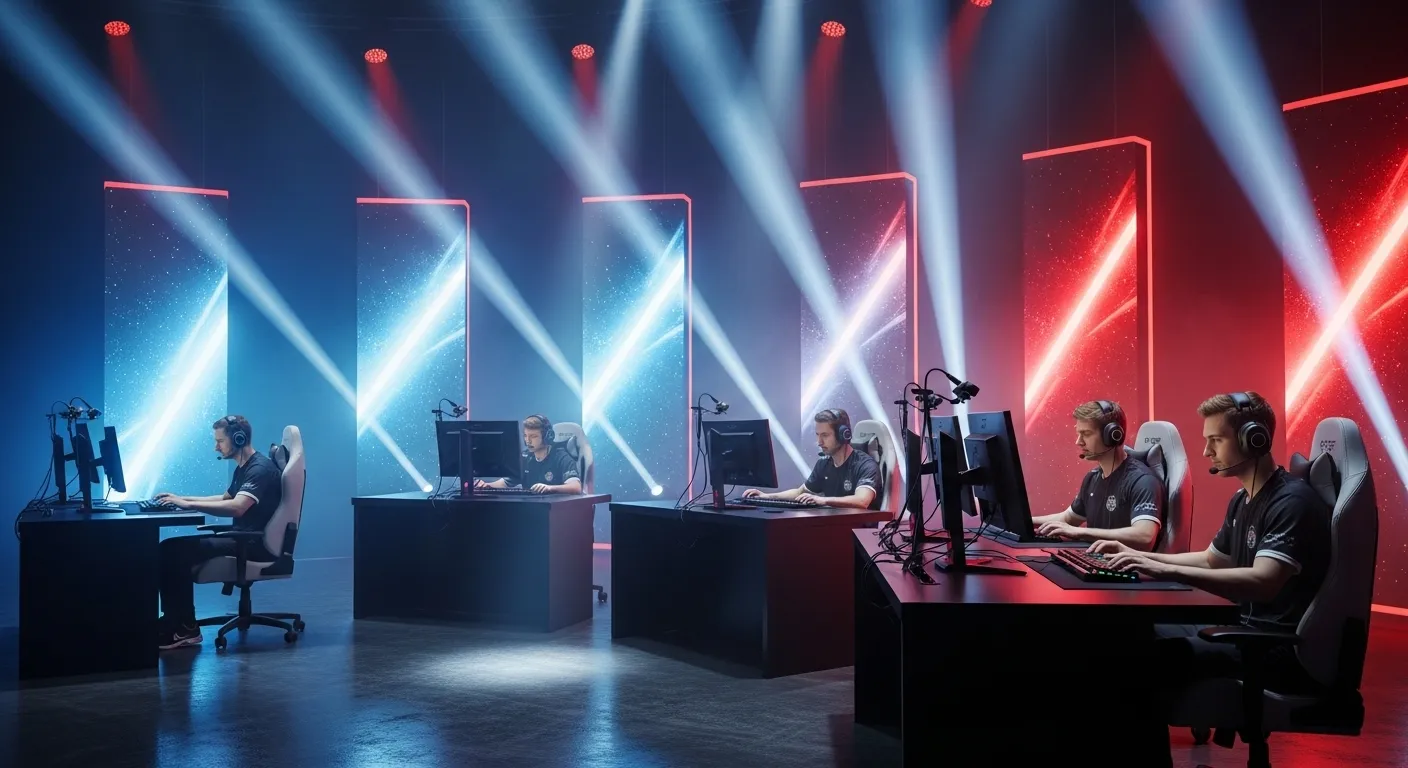
January set the tone fast. The CDL Opening Major peaked at 352,914 concurrent viewers, the biggest opening event the league has ever posted, and it felt clear right away. This wasn’t a random spike or a lucky weekend. It followed years of regular investment: better broadcast tech, more places to watch, and a competitive format that’s easier to follow from match to match. Fans didn’t need to study brackets or rules to stay engaged, and it showed in the numbers.
The timing makes this result land even harder. Since 2023, many esports scenes have stalled, with leagues working just to keep last year’s audience. CDL moved in the opposite direction. The growth didn’t come from one headline match alone. The average minute audience went up too, which means people stayed longer instead of jumping in and out. Sponsors care a lot about that. Longer viewing sessions matter more to them than short-lived peaks ever did.
Co-Streaming and Viewer Engagement Trends
This event also answered an open question around competitive shooters. Even with single-player launches and mixed formats grabbing attention, structured esports still bring viewers back again and again. Audiences split their time between Twitch and YouTube, and co-streams pushed the reach far beyond the main channel. Retired pros and well-known creators ran watch parties that pulled in a real share of views. Instead of one central broadcast, it felt like a network of connected voices, which made the experience feel active rather than distant.
Seeing the growth clearly means checking it against recent benchmarks.
| Event | Peak Viewers | Year |
|---|---|---|
| CDL Opening Major | 352,914 | 2026 |
| CDL Championship Grand Final | 353,525 | 2025 |
What stands out most is how consistent the pattern has been. CDL didn’t hit one high point and slide back down. Viewership has stayed near all-time highs across several seasons, which is rare in esports right now. For Activision, that kind of reliability matters more than a single viral clip. For players and aspiring pros, it points to a longer runway, more reliable chances, and a real reason to keep grinding through long practice days when motivation starts to dip.
Why Competitive Call of Duty Still Pulls Massive Crowds
Competitive Call of Duty connects with viewers because it doesn’t ask much from them right away. Matches move quickly, the action rarely slows down, and there’s almost no empty time. Even casual players know the rules and the goals. Someone can jump into a match, understand what matters within a minute, and enjoy the chaos without reading a guide first. Compared to slower tactical shooters that build toward long setups, CoD keeps things moving. That pace makes it easy to watch during a short break or while doing something else. It gives enough excitement to stay fun without needing full focus.
Familiar Gameplay and Community Support
The release schedule helps too, especially for people who watch now and then. New games come out often, but the competitive base stays familiar. Maps change and weapons rotate, but the main modes stick around. Returning fans know what they’re seeing, and new viewers don’t feel confused. Each season adds enough variety to keep things fresh without making everyone relearn the game. Many other esports struggle to find that balance, and CoD usually gets it right.
Creators add to that pull. CDL pros stream almost every day, and analysts talk through plays live, sometimes right in the middle of a round. Short video apps like TikTok work especially well for CoD, since a single clutch play can spread fast and hit millions of views. Those quick clips often send casual scrollers toward full replays or live matches they didn’t plan to watch.
For streamers looking to grow, Call of Duty remains a reliable pick. It fits solo queue sessions, long ranked runs, team practice, and relaxed watch parties. That range keeps the category busy, even when big single-player releases pull attention elsewhere.
That regular presence places Call of Duty comfortably within the wider shooter scene, a point discussed earlier in Battlefield 6 vs. Call of Duty 2026: Which Will Dominate the Market?.
GTA VI Looms Large Over Every 2026 Release Calendar
One date shifted a lot of plans. Rockstar locked in November 19, 2026 for GTA VI on PlayStation 5 and Xbox Series X|S, and the industry reacted right away. Release windows moved. Marketing plans changed. Live‑service teams quietly redrew calendars to stay clear of the impact. This isn’t the kind of launch you set aside and deal with later. The pull is obvious, and studios feel it almost instantly.
Scale of GTA VI’s Impact
That response adds up once you look at the scale. The first GTA VI trailer passed 93 million views in 24 hours. Even for big releases, that’s rare. Attention like that doesn’t just promote a game; it changes the conversation around everything launching near it. Analysts are already projecting billions in first‑week revenue. Against numbers like those, most releases look smaller on paper, even if they perform well on their own.
For Call of Duty, the pressure is specific. GTA VI will take up single‑player time and casual sessions. Long evenings disappear into Los Santos, and social feeds fill with clips and screenshots. Competitive multiplayer lives in a different lane, though. Players can spend hours in GTA, then still jump into Call of Duty for a ranked match or a late scrim. It’s less about overlap and more about contrast.
That’s why the smart move is avoidance, not a head‑to‑head clash. Esports works best with structure, schedules, and clear goals. GTA thrives on freedom and wandering without a checklist. Placed carefully, both can share the same calendar without getting in each other’s way.
For a wider view, there’s more detail on Rockstar’s reach in The Impact of GTA VI on the Gaming Landscape: A Look Ahead to 2026.
How Activision Is Positioning Call of Duty for the GTA VI Era
Activision is moving into late 2026 with a clear plan: protect Call of Duty’s spot instead of going head-to-head with GTA VI. There’s no push for a direct clash. The Call of Duty League puts its biggest moments earlier in the year, so the competitive scene hits its peak before GTA VI arrives. Mid-season tournaments help keep interest high while attention is still split. Once GTA VI launches, the focus tightens around the core crowd that keeps watching even after the spotlight shifts. Activision is counting on that group, and it’s a deliberate move.
Platform Flexibility and Live-Service Updates
Platform flexibility plays a quiet but important part. Viewers move between YouTube and Twitch, with in-game viewing tied into the same setup. If interest dips on one platform, it often stays steady on another. That balance matters during packed release windows. Fans can watch live, catch replays later, or tune in through the game client, depending on what fits their schedule.
Live-service updates keep things moving. Changes roll out in short waves. Limited-time modes and crossover events add variety, while ranked resets stick to a familiar rhythm. Even if most playtime shifts toward GTA VI, these updates give players reasons to check back in. Competitive players, especially, tend to stay close, step away too long and the skill gap becomes clear.
Behind the scenes, scheduling relies heavily on numbers. Player activity spikes and drop-offs guide event timing, based on real behavior instead of guesses. That long view lines up closely with the feature roadmap shared in Call of Duty 2026: The Game-Changing Features You Need to Know.
What This Means for Streamers and Aspiring Pros
For streamers and competitors, 2026 looks less like a loyalty test and more like a scheduling puzzle. GTA VI will bring huge spikes of attention, while Call of Duty keeps its familiar, reliable rhythm, and that mix is exactly why they work well side by side. Creators who plan ahead aren’t choosing one over the other. They’re placing each game at different times of the year and using them where they make sense. Here, timing matters more than personal taste.
Balancing Audience Growth Between Games
You can already see this play out. Many full-time streamers treat GTA VI drops as planned growth moments, then move back into Call of Duty for weeks of consistent views. GTA is great at pulling in new viewers during big releases and cultural moments. Call of Duty gives those viewers a reason to stay and return day after day. It’s the same audience, just meeting different needs. Competitive players do something similar: scrims and league matches stay front and center, while GTA VI content helps with reach and algorithm bumps on the side.
For aspiring pros, the basics stay the same. The Call of Duty League isn’t going anywhere. Teams are still competing, sponsors are still paying attention, and organizations keep investing in academies and scouting. That talent pipeline is alive and well.
This mixed creator path, competitive trust paired with variety content, is something Now Loading has covered before.
The Broader Trend: Attention Is the Real Currency
By 2026, the big shift is easy to see: gaming isn’t a straight sales contest anymore. Most players choose fewer games and spend more time with them, you’ve probably felt it yourself. What matters now is how long a game keeps your interest, not just how many copies it sells. Viewership and daily engagement sit right next to unit sales, and creator communities often sway the outcome. A game that stays visible on Twitch or YouTube, both clear signs of ongoing interest, especially for live play and long reaction videos, can last longer than something that only looks good on a feature list.
Longevity and Engagement Patterns
That’s why Call of Duty and GTA VI can both lead without getting in each other’s way. Call of Duty works because of repeat loops: daily matches, weekly grinds, familiar routines. GTA VI pulls people in with depth, scale, and spectacle that reward long play sessions. Earlier eras felt tighter, when one huge release could crowd out almost everything else.
The ripple effects show up in hardware choices and burnout, too. Competitive games ask for routine and constant tweaks. Open‑world games ask for focus and time. Balancing both has become a personal gaming skill. It also helps explain why cloud gaming, flexible setups, and mental wellness tools keep growing. We covered that here: Cloud Gaming in 2026: What Gamers Need to Know.
Frequently Asked Questions
No. Data suggests different engagement patterns rather than direct loss. GTA VI will dominate long single-player sessions, while Call of Duty maintains competitive, social, and short-session play.
Viewership proves long-term interest. Sponsors, teams, and players rely on stable audiences, not just launch sales numbers. Strong viewership also influences prize pools and league investment.
Yes. Many creators plan to use GTA VI for growth and Call of Duty for consistent engagement and competitive identity. The key is pacing and audience communication.
Indirectly. Most leagues plan around the release to avoid overlap during peak launch weeks, but core seasons remain intact.
Absolutely. League stability, strong viewership, and sponsor interest indicate continued opportunity for skilled and disciplined players.
The Bottom Line for Gamers in 2026
Call of Duty 2026 isn’t slowing down just because GTA VI is here. Its role is clearer now, and the numbers show it. Record CDL viewership proves competitive shooters still bring in millions of players and viewers around the world, no spin needed. GTA VI will dominate gaming headlines for a long time, and that’s no surprise. At the same time, organized competition and the communities around it haven’t gone away. They’re consistent, busy, and still growing in their own space.
For gamers, this means more choice, not more pressure. One night can be spent roaming Los Santos, another locked into ranked matches, and both feel right. Different moods fit different nights, without needing to pick a side. Creators and publishers are adjusting too, using smarter schedules and mixed content shaped by coexistence, not one massive release pushing everything else out.
So the real tension isn’t Call of Duty versus GTA VI. It’s between experiences, each asking for some of your time, night after night, choice by choice.