
Call of Duty 2026 is already all over gaming conversations for next year, even without an official reveal from Activision (which, honestly, says a lot by itself). A run of recent reports, solid leaks, and carefully chosen publisher comments is starting to outline a series at a real turning point. The next release, widely expected to be Modern Warfare IV, is aiming for a late 2026 launch on PlayStation 5, Xbox Series X|S, and PC only. Leaving last-gen consoles behind isn’t a minor tech detail. It shapes how the game is built, tested, and released.
This next-gen-only move turns bigger maps, cleaner visuals, faster servers, and more advanced systems from “nice extras” into basic expectations. That’s just the standard players now expect from day one. Anyone jumping in at launch won’t slowly warm up to new tech, they’ll be surrounded by it from the very first match.
For competitive players, streamers, and long-time fans, this release already feels different from the usual yearly rhythm. Call of Duty 2026 is being framed as a real reset, with more focus on performance, fair competition, accessibility, and long-term support. Record-breaking Call of Duty League viewership over the past year has raised the pressure. Activision needs a game that runs well, looks good on broadcast, and works for many types of players, from ranked regulars to casual squads. Below, the article walks through what’s confirmed, what’s rumored, and why these shifts matter right now for anyone following Call of Duty, new features, and competitive shooters.
A Next-Gen-Only Shift That Changes Everything
One of the most talked-about moves around Call of Duty 2026 is the reported choice to fully drop PlayStation 4 and Xbox One support. Several industry and developer-focused outlets say this will be the first mainline Call of Duty made only for current-generation hardware and PC. That marks a real turning point, even if many expected it. The decision affects the entire experience, from physics systems to audio processing and general performance. After years of juggling new ideas with old hardware limits, the series finally stops holding itself back and starts using what modern systems can really do.
Leaving last-gen consoles behind removes some heavy limits. Developers no longer need to design around aging CPUs or tight memory caps, which opens the door to bigger spaces and more consistent visuals. Competitive players feel this almost right away. More reliable servers with higher tick rates make gunfights feel tighter when matches heat up. Clearer visuals help enemies stand out faster, which matters when split-second reactions decide who wins. Streamers see gains too. Cleaner image quality and fewer frame drops during busy moments make streams easier to watch and easier to stay with.
There’s also a longer-term view. A next-gen-only base gives Activision more freedom to support the game for several years without running into constant technical walls. Teams can improve and expand systems instead of rebuilding them every cycle. This lines up with a wider move across 2026, as more major franchises leave last-gen hardware behind. For Call of Duty, a series known for how it feels from moment to moment, that focus on precision and consistency matters more than flashy upgrades alone. These are the details players depend on every single match.
Engine Overhaul and a Return to Readable Combat
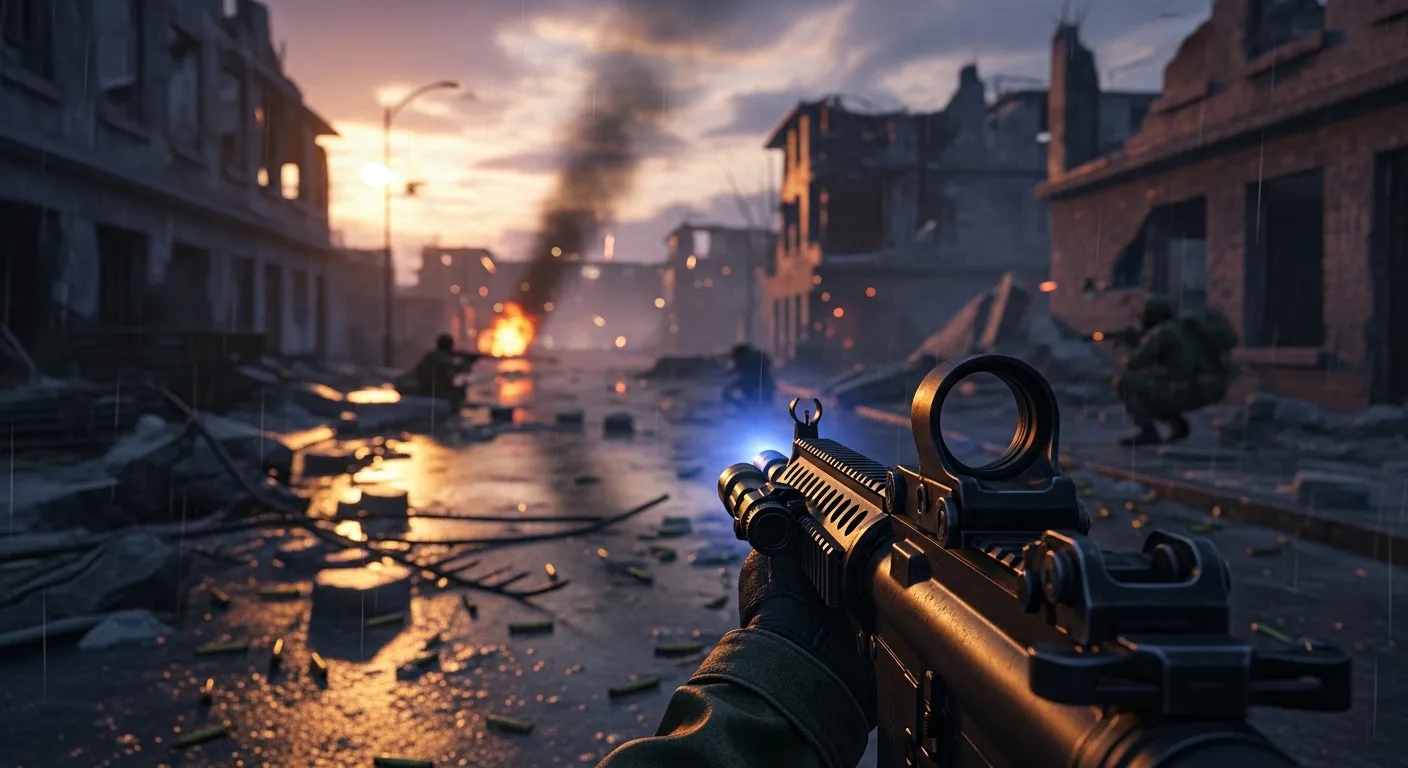
Clarity is the big change people keep coming back to for Call of Duty 2026, and most players are happy to hear it. Reporting from Yahoo Tech, along with comments from developer interviews, points to a heavily revised IW engine led by Infinity Ward. Yahoo Tech usually focuses on technical direction, while interviews help explain how those choices show up in real matches. Together, they point to the same goal: cut down the visual clutter so players can actually see what’s happening in a fight.
That focus comes after years of growing frustration. Recent games leaned hard into cinematic style, but the downside showed up every match. Smoke, dust, lighting effects, and busy UI elements often overlapped at the worst moments, right as a shot was lining up. Enemies blended into the background or vanished altogether. In a fast shooter, that kind of confusion adds up fast.
The rumored engine overhaul is expected to pull things back toward a cleaner look. HUD elements should be simpler, and lighting more even across maps instead of shifting wildly from one corner to the next. The aim is fair competition in a practical sense. When a player loses a gunfight, the reason should be clear in the replay, not hidden behind effects they couldn’t control.
Performance is also back in focus, especially problems that have lingered since Modern Warfare II. Frame pacing, input delay, and uneven animations are all said to be on the list. Smoother animation blending should make enemy movement easier to read in real time. Better netcode sync could cut down on those moments where a player reaches cover and still goes down a second later. On high‑refresh displays, the game may finally feel built for 120Hz and beyond, closer to PC‑first competitive shooters. Think tighter gunfights, clearer feedback, and fewer “what just happened?” deaths.
Below is a simple comparison of how this engine direction differs from recent titles.
| Feature | Recent CoD Titles | Call of Duty 2026 Direction |
|---|---|---|
| HUD Design | Dense and cinematic | Minimal and competitive |
| Visual Effects | Heavy screen clutter | Reduced and readable |
| Performance Target | Mixed stability | High and consistent FPS |
| Competitive Focus | Secondary | Primary |
Multiplayer Design Built for Competitive Longevity
Multiplayer has always been at the heart of Call of Duty, and by 2026 that focus feels even clearer. Recent leaks point to a return to classic movement systems, something longtime players will notice right away. The goal isn’t to surprise players with flashy ideas. Instead, gameplay leans into consistency, where skill shows through smart decisions and reliable execution. Wins feel deserved because you outplayed your opponent, not because you stumbled on a weird trick that bends the rules.
Map design follows that same approach. Reports mention remastered fan favorites from Modern Warfare 3 (2011), along with new maps built for competitive play. Sightlines are easier to read from the start, and strong positions make sense without needing hours of trial and error. Vertical play is still part of the mix, but it’s more controlled. Spawns act in a more predictable way, flips happen less often, and matches move at a pace that feels planned instead of messy.
This clarity fits well with the growing Call of Duty League. Record viewership in 2025 showed that fans enjoy matches they can follow without getting lost. When lanes are clear and fights follow simple logic, viewers stay engaged. Casters and analysts also benefit, since cleaner maps make it easier to break down plays as they happen.
For competitive players, this direction feels welcoming instead of overwhelming. Rather than fighting strange systems, the focus goes back to basics like aim, positioning, and teamwork. The speed and familiarity are still there, but the experience is tighter, clearer, and easier to jump into without feeling confused.
Sentient AI Systems and Smarter Gameplay Support
A lot of talk around Call of Duty 2026 comes back to a rumored Sentient AI update. Some details are still under wraps, but the general direction is clearer now. Instead of only making enemies smarter, the AI is being shaped to quietly help players during real matches. These changes aren’t flashy. You often notice them after a few games, when everything feels smoother and less tiring without the game spelling out why.
Some of this comes from AI-assisted input remapping and more flexible aim settings in certain modes. For players with disabilities, this opens access that wasn’t always there before. Competitive players benefit too, since faster input response can cut small but noticeable delays. During hectic fights, the AI can adjust visual cues based on personal preferences or reduce clutter when explosions, markers, and enemies all fight for attention. The goal isn’t harder gameplay. It’s less friction. Ease of use stays the focus.
Activision has already shared plans to grow AI-based accessibility features in future releases, and 2026 fits into that plan. Voice commands and head-movement tracking are on the roadmap, both already tested in other setups. Context-aware assistance is also expected. These systems are meant to help players play better, not play for them, so the main challenge still sits with the player.
Accessibility isn’t a feature, it’s a fundamental part of how we build games.
All of this points to a shift in how accessibility is handled. Instead of burying options deep in menus, these tools are likely built right into the engine. Even players who never change settings benefit from clearer feedback, quicker responses, and a more comfortable way to stay locked in.
We also looked at the wider role of AI in games in this breakdown on AI in gaming.
Player Safety, Mental Wellness, and Anti-Cheat Evolution
Mid-season problems don’t wait, and Call of Duty 2026 treats that as a design reality. Its growing focus on player safety and mental wellness shows up through systems that run all the time, not just in once-a-year patches. Competitive shooters have long dealt with toxicity, cheating, burnout, and constant harassment, so quick responses matter. By running these tools as live services, Activision can change rules and protections fast when issues show up instead of letting them drag on.
RICOCHET Anti-Cheat is expected to reach deeper into the game engine, which should make common exploits harder to hide. At the same time, behavior tracking is getting better, with earlier detection of harassment and griefing during matches. The result is less waiting and fewer repeat issues. Machine learning helps spot repeat offenders sooner, and clearer feedback after reports makes moderation actions easier to see instead of feeling like they vanish. That visibility affects how seriously players take reporting.
Day to day, these updates change how matches feel. Fewer cheaters help rebuild trust in ranked play and ease tension during long sessions. Safer lobbies also mean fewer disruptions during streams, which matters for creators who need stable broadcasts instead of random chaos.
Mental wellness tools are getting more attention across the industry, and Call of Duty 2026 follows that path. Players can expect better session reminders, clearer progression pacing, smarter loss protection, and more detailed post-match breakdowns that help lower frustration over time.
Warzone Integration Without Losing Identity
Call of Duty 2026 is still being sold as a premium release, but it now lives inside a much bigger ecosystem. Warzone integration is expected, with shared progression and a unified weapons sandbox, but the more interesting change is where the focus sits. The goal is balance, and letting each mode stand on its own, instead of mixing everything together like in past releases.
Reports suggest multiplayer will no longer feel like a testing ground for Warzone-first updates. Each mode keeps its own tuning, while core systems stay shared across the game. For fans of classic multiplayer, that separation really matters. Matches feel more reliable when they don’t shift every time battle royale gets adjusted, which has caused real frustration before.
Large-scale maps will rotate, with a small number of legacy locations included. There’s clear restraint here, avoiding content overload. Players can jump into Warzone when they want, earn shared progression rewards, and still stick with their favorite mode without trade-offs.
On a broader level, this ecosystem approach mirrors what’s happening across other major franchises. Similar patterns came up in the discussion of GTA VI vs Battlefield 6, pointing to the same industry-wide shift.
Hardware, Performance, and the Streaming Edge
The move to next‑gen only shows up fast in Call of Duty 2026. After a few matches, smoother motion and faster loads are easy to notice, especially with high refresh rate screens and quick SSDs. Load times barely test your patience, and reliable networking keeps matches from hitching at bad moments. Console players get steady 120Hz modes that tighten timing and feel more responsive. On PC, higher frame rates and fine‑tuned settings can be pushed to fit each setup, and that extra work pays off during chaotic fights.
These gains also help with streaming. Cleaner visuals compress better and keep detail at higher bitrates, so streams stay sharp. Stable frame rates lead to fewer dropped frames when things get busy. Clear spectator views make matches easier to watch and help viewers stick around, even on short streams. Anyone thinking about an upgrade can check the guide on gaming laptops in 2026.
Cloud gaming still fits into the picture. Competitive play leans toward local hardware since latency is still there. But better servers make cloud options feel more comfortable for casual matches and practice. More freedom, less stress. That balance is explained in the overview of cloud gaming in 2026.
How the 2026 Release Fits Into the Bigger Picture
Call of Duty 2026 doesn’t stand alone. It shows clear changes in how games are made, supported, and played over time (you’ve probably noticed). Things that once felt optional now come standard. Accessibility-first design and AI-assisted safety tools have moved from nice extras to basic expectations in big releases.
Anyone who jumps between genres can see the pattern. Indie developers, often working with small teams and tight budgets, have spent years focusing on clarity and inclusivity because they had no other choice. That influence is easy to see across many of the upcoming indie games in 2026, where new ideas usually show up first and move fast. The difference here is watching those same ideas roll out at full AAA scale, without second-guessing.
A franchise as big as Call of Duty carries real weight. Once it commits, the rest of the genre feels it. Other shooters don’t have time to sit back, they need to respond, rethink, and update their systems fast.
Common Questions and Answers
No.
There’s still nothing official (yeah, the wait continues).
Activision hasn’t announced Call of Duty 2026. What’s going around comes from trusted leaks and industry and publisher reports. Past releases get revealed mid‑year, closer to launch, fitting the series’ usual timing.
Reports say yes, clearly. Launch plans center on modern consoles and PC, including PlayStation 5 and Xbox Series X|S, sorry to older boxes. By skipping older hardware, Activision keeps long-term support and technical goals front and center for players.
Right now, rumors say it’s Modern Warfare IV from Infinity Ward, but that’s still just talk with no confirmation. The title often gets decided during marketing reveals, so the name isn’t official yet for players keeping an eye on it.
Gameplay is designed to feel quick and welcoming for you and everyone else. Sentient AI focuses on accessibility tools, adaptive controls, and player support systems, not only enemy behavior, showing a clear change in how the AI update helps players.
Progression should carry over, while Warzone and multiplayer have their own balance tuning. That split keeps modes playing clean, so moving between them feels easy, with no overlap problems and nothing in one breaking the other.
Why This Release Could Redefine the Franchise
Call of Duty 2026 feels different because it’s responding to real pressure, not hype. Players are asking for fairer systems. Streamers need stable matches they can count on. Competitive scenes need clear rules to keep going. Accessibility advocates are pushing for inclusion that’s built in from day one, not added later. Very few past releases tried to handle all of this at once, and that gap has shown for years. If you’ve spent time with the series, you’ve likely felt where things began to wear thin.
The focus here is on next‑gen performance, cleaner design, AI‑driven systems, and player safety. Together, these choices give the series a real shot at resetting expectations, and that feels overdue. It keeps what already works and cuts back on parts that slow matches down or frustrate players, leading to a smoother flow you notice while playing.
We’re sharing ongoing updates at Now Loading, plus a dedicated breakdown of Call of Duty 2026 updates. Everything is laid out clearly, so you don’t have to hunt for details.