
Counter-Strike 2 is easy to start playing and much harder to get really good at. That’s a big part of why so many people keep coming back to it, and why it stays one of the most-watched esports in the world. Valve calls Counter-Strike 2 the biggest technical jump in the series, and that shows up almost right away in real matches. Movement feels crisp. Utility matters more than many new players expect. Small mistakes get punished fast. In ranked and Premier, that pressure is also a lot of what makes the game fun.
Winning more rounds takes more than raw aim. Strong mechanics help, of course, but close games are usually decided by better decisions. The best Counter-Strike 2 players know when to take space, when to hold, when to save, and when to trust a teammate to handle the situation. The hard part is keeping those habits under pressure. That’s what this guide focuses on.
This article breaks down the core CS2 strategies that matter most in competitive play. It covers settings and crosshair placement, map control, economy, utility, team roles, the mental side of the game, hardware, and common mistakes. It also includes practical examples you can try in your next match. Maybe the goal is to climb Premier, make stream content better, or stop losing rounds that should have been won. If that sounds familiar, this guide will help you build a better system for improving.
Build Your Counter-Strike 2 Foundation Before You Queue
A lot of players jump into advanced Counter-Strike 2 tactics too early. They watch pro demos, copy smoke lineups, and still lose basic fights. Most of the time, the problem starts sooner than that. If your settings, habits, and warm-up keep changing, your in-game decisions usually feel shaky too. Messy, and pretty frustrating.
A reliable setup matters more than most players think. Pick a sensitivity you can control when things get fast. It does not need to be extremely low or super high. It just needs to help you track targets, clear angles, and flick without that rushed, panicked feeling. Use a simple crosshair that stays easy to see on both bright and dark parts of a map. It also helps to cut down extra visual clutter where you can, while keeping your frame rate consistent. In CS2, smooth performance usually helps more than fancy graphics, even if that means the game looks a little more plain.
The size of the game matters too. Counter-Strike has stayed near the top of Steam’s most-played charts for a long time, so the skill pool stays active and deep. Even average ranked players usually know the common angles and utility. That puts more pressure on having strong basics, because there really are not many shortcuts against players who already understand the map.
| Core Skill | Why It Matters | Best Early Focus |
|---|---|---|
| Sensitivity and crosshair | Helps you aim with less panic | Keep settings stable for 2-3 weeks |
| Frame rate and latency | Affects reactions and smooth peeks | Prioritize performance over visuals |
| Warm-up routine | Builds confidence before ranked | 10-15 minutes daily |
| Sound awareness | Helps with timing and rotations | Use clear audio and avoid distractions |
Your setup works like a training ground. If it changes every day, your results usually change with it. For broader strategy content, it can also help to compare how planning works in other games, like Helldivers 2 Strategies: Mastering Co-Op Play. Consistency and team timing matter there too, just in a different way.
Win More Counter-Strike 2 Duels With Better Crosshair Placement and Movement
Most lost gunfights in Counter-Strike 2 are decided before the first bullet lands. It sounds weird at first, but it’s true. If your crosshair is too low, too far off, or drifting while you move, you’re starting the fight in a bad spot. Good aim starts with solid placement.
Keep your crosshair at head level while moving around the map. On Mirage Connector or Inferno Banana, it should already be where an enemy is most likely to appear (that part’s huge). That cuts down on panic flicks and turns tough fights into cleaner, easier shots.
Movement is the other half of every duel. In CS2, sloppy movement makes your weapon feel weak almost right away. Stop before you shoot, then practice short strafes and use a counter-strafe so your accuracy comes back faster. Wide swinging every angle for no reason usually gets you into trouble. A tight jiggle peek gives info with less risk. A shoulder peek can bait out a shot too (and save you from a bad swing). And sometimes staying still is the smarter play.
A simple training loop works well:
Pre-aim common Counter-Strike 2 spots
Walk through maps offline or in practice if it helps. Keep your crosshair on common angles. Learn the exact height and width of each peek, so you don’t have to guess.
Stop, shoot, move
Train your body to separate moving from shooting, it helps. Fast movement and accurate shots usually don’t happen at the same time for you either.
Review your deaths
If you die first, ask what caused it. Was your crosshair too low? Were you moving while firing? Or did you peek into two angles at once? It happens.
For streamers and players trying to get better, this also makes good content. Viewers like seeing a clear improvement over time. And as your duels get better, your gameplay becomes more interesting than just posting highlights.
Map Control Is the Real Language of Counter-Strike 2
A lot of players treat strategy like memorizing executes. That can help, sure, but map control means more than that. In Counter-Strike 2, it’s about taking useful space, limiting enemy movement, getting info, and doing all of it without giving players away for free. Rounds get easier before the final site hit when that part is done well.
Take Inferno. If a team gets Banana control early with good utility, the defenders lose a lot of freedom. They may need to rotate a second player over, and that opens space somewhere else. On Mirage, Mid can change the whole round. Pressure on Window, Connector, Catwalk, and nearby angles forces the CT side to make harder guesses and rotate earlier.
Here is why it matters:
Before good map control, a team hits a bombsite blind with 40 seconds left. They run into stacked defenders, get traded out, and plant late, or maybe do not plant at all.
After good map control, that same team takes Mid, forces a smoke, hears a rotation, then hits the weaker site with better spacing. Same players, but the round plays out in a much smarter way.
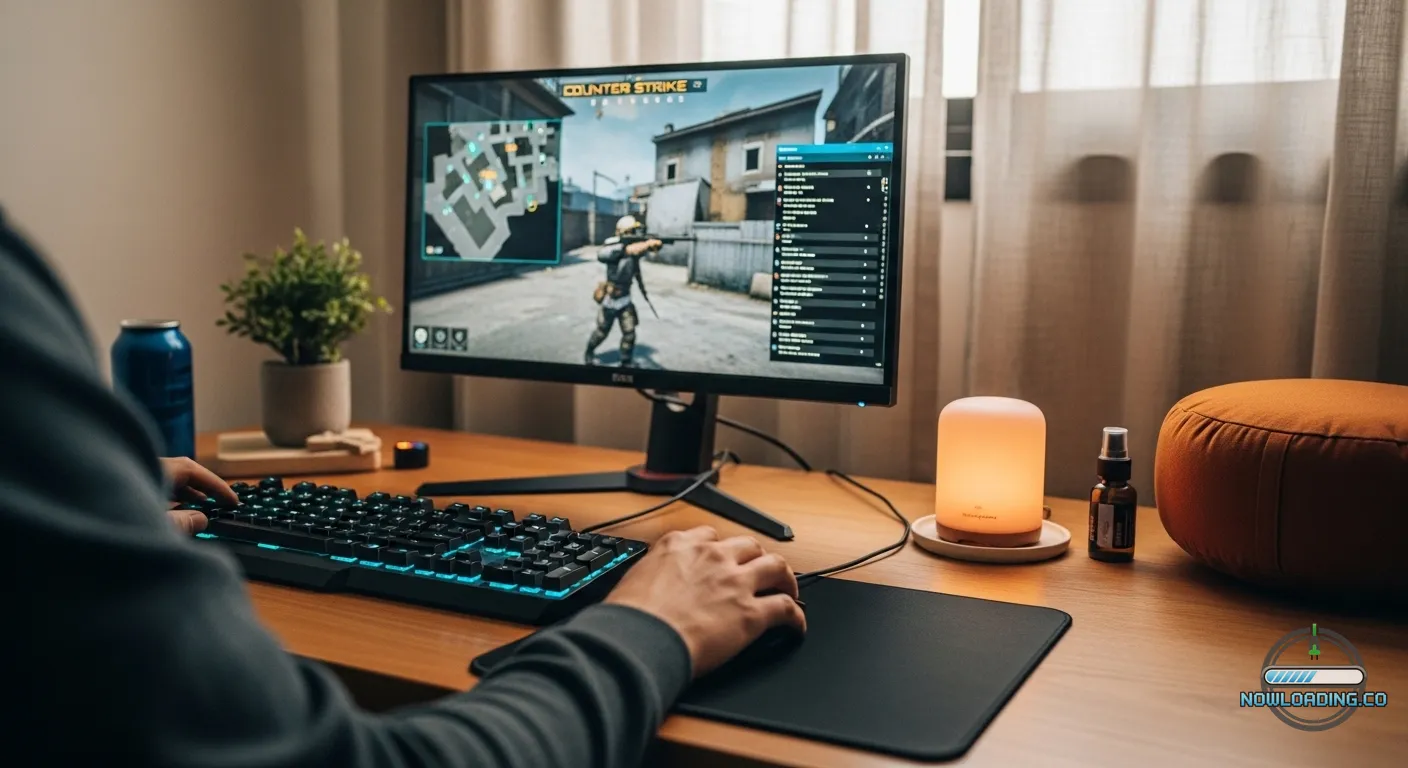
One clear way to think about map control is this:
Space gives options
More safe space for your team gives you more ways to play later in the round, and that matters. It gives you more options too.
Utility protects space
A smoke or molotov does more than deal damage or give cover. It helps you control space and buy time.
Info changes rotations
If one player catches two sets of footsteps or sees utility being used, the whole round can change fast (it happens quick).
And if this kind of tactical planning sounds fun, there’s also a lot to like in Dune: Awakening Gameplay Mechanics and Strategies for New Players, where control and route choices matter too, even if the genre is very different.
Learn the Counter-Strike 2 Economy or Keep Throwing Rounds Away
Economy is one of the biggest skill gaps in Counter-Strike 2. Teams with great aim still lose because they buy badly. They force on the wrong rounds, ignore teammate money, or refuse to save when the round is already lost. That gets expensive fast. Good CS2 strategies include economy planning, and you can really see it in matches.
Start by looking past your own money. Counter-Strike 2 runs on a team economy. A full buy with rifles, armor, and utility is much stronger than two rifles and one weak SMG while three players have no nades. The difference is huge. If one teammate can drop and turn a shaky buy into a real one, that usually matters more than your own weapon choice, even if you’d rather keep your gun.
Also, know what each buy round is meant to do:
Full buy
Your team’s got rifles, armor, and enough utility for a real plan, not just a rush. Here, structure matters because you can’t really wing it.
Force buy
You’re taking a risk to keep momentum or punish a weak enemy economy, and there should be a reason for it. Don’t do it because of emotion.
Half buy
You spend enough to stay risky and keep pressure on. You still set yourself up for the next round.
Save or eco
Saving for a stronger future round isn’t the flashy choice, and yeah, it can feel a little boring. But it wins matches.
| Round Type | Risk Level | Best Use Case |
|---|---|---|
| Full buy | Low to medium | Play for site control and utility |
| Force buy | High | Break enemy money or respond to key momentum swing |
| Half buy | Medium | Keep future full buy strong while staying dangerous |
| Eco/save | Low now, high future value | Protect next gun round and avoid broken money |
A lot of teams mess up by buying for comfort instead of what actually helps the whole team most. Maybe you really want the AWP, and that’s fair. But if that means two teammates are stuck on pistols with no flashes, the round is already in a rough spot. Keep buy calls quick and clear so the team doesn’t split up. The best teams stay calm, even when the economy looks bad.
You can see the same thing in esports. We covered it here: Counter-Strike 2 Esports Q1 2026: Vitality Dominates the Scene. It shows how top teams use small economic edges to take control of a map.
Utility Usage in Counter-Strike 2: What Separates Good Players From Dangerous Players
A lot of new and mid-level players treat grenades like extra gear, and that’s a huge mistake. In Counter-Strike 2, utility is part of your weapon kit, and using it well can shape fights before they even start.
A flash can win a duel before anyone swings. A molotov can force someone out of a strong angle. A smoke can split the map, block vision, and completely change the timing of a round.
Knowing lineups helps, but that’s not enough. Players also need to understand why they’re throwing each nade.
Use flashes to create clean fights
A good flash can turn a 50-50 duel into a clear edge. Pop flashes are especially good. They give opponents almost no time to react, so if you can, ask for one before you peek instead of swinging angles dry.
Use smokes to remove pressure points
Smokes work best when they block vision from key defenders. On Mirage A, for example, a smoke on Jungle or Stairs can really change how the site hit plays out and make entries a lot cleaner.
Use molotovs to clear stubborn spots
Don’t guess if someone’s hiding in a corner, seriously. Force them out instead. It cuts down the number of angles you need to clear at once, which really helps.
Save utility for late-round control
Using all your nades in the first 30 seconds can leave you helpless later, and that happens fast. Keep enough utility for the plant, the retake, or to stop a push, because those smokes, flashes, or mollies matter a lot more once the round slows down.
At higher levels, teams stack utility, and that changes everything. One smoke alone may not win a site, but a smoke with a flash and a trade setup can. Defenders use utility to delay too, not just to get kills. If a CT molotov stalls you for six seconds, that can be enough to weaken your execute.
If you’re newer, stick to two or three key pieces of utility on your main maps. Learn those well first instead of trying to remember everything at once. A few high-value nades used the right way beat ten lineups you forget under pressure.
Counter-Strike 2 Team Roles, Communication, and Mid-Round Calls
Good Counter-Strike 2 teams have five players with clear jobs, not just five people with good aim (and yeah, that still matters). Some entry. Others lurk, use utility for support, or anchor sites. Roles can change during a match, and that’s normal. But clear jobs usually lead to more round wins.
A simple structure helps teams:
Entry fragger
Gets first contact and opens space (that first peek). But they need trust and backup flashes from you.
Support
Brings utility, trades well, and helps you survive the first wave (that first push).
Lurker
Away from the main group, it adds pressure and punishes over-rotations pretty well.
AWPer
Handles long sightlines with ease and gets key picks.
In-game voice or caller
Keeps the team focused and helps with mid-round decisions when the plan suddenly falls apart, which can happen fast.
Comms work best when they stay short and clear. Say what you saw, where it was, and when it happened. ‘Two B, bomb spotted, one low’ gives the team something useful right away. ‘I think maybe they are over there somewhere’ does not. Good communication also means knowing when to stop talking. Once the important info is out, the player in the clutch needs to hear the game, and that can make a real difference.
It also carries into other strategy-heavy games. Readers who like clear roles and longer-term planning may notice a similar pattern in Civ 7 Civilizations Ranked: Unique Abilities, Tech Paths & Victory Strategies. One solid plan usually works better than scattered choices, and that becomes clear pretty quickly.
The Mental Game in Counter-Strike 2: Stay Sharp Without Burning Out
Competitive play is not just about mechanics. A surprising number of matches turn on mental control. Once a player gets tilted, easy shots start to get missed, comms fade, and hero plays take over (you’ve probably seen that happen). Calm players usually do the opposite. They keep the round clear and play what is right in front of them.
One of the best CS2 strategies is having a reset routine ready. After a bad death, you do not need to replay it in your head for the next few rounds. Take one breath, then make the next useful call. Put your attention on the current economy and the enemy setup that makes the most sense right now.
Long sessions can wear people down more than they admit. Reaction time slips, patience drops, and decision-making gets messier. Breaks help. Water helps too. It also makes a real difference to stop on purpose instead of queuing again while angry. For streamers, the pressure is even heavier because the audience is still there every round.
A few practical tools:
- Set a match limit for ranked sessions.
- Review losses after the session instead of during tilt.
- Mute toxic distractions early.
- Track one improvement goal per week, not ten.
The strongest players are not emotionless. They bounce back fast, and they know how to reset faster than everyone else.
Hardware, Audio, and Accessibility Choices That Actually Help in Counter-Strike 2
You do not need the most expensive gear to get better at Counter-Strike 2. Better results usually come from hardware that removes small bits of friction. A smooth mouse sensor, a reliable mousepad, low input lag, and clear audio can all make a clear difference pretty fast.
Monitor refresh rate matters because smoother motion makes tracking and peeking easier to read. A stable PC matters too, since frame drops can throw off your timing at the worst moment. Audio matters just as much: footsteps, reloads, jumps, and utility bounces all give useful info during a round. They are small details, but together they shape how the game feels and how clearly you can react.
Accessibility choices deserve attention too. Some players do better with stronger contrast, a cleaner HUD, or keybind changes that reduce strain over time. Others need simpler visual settings so it is easier to stay focused. Getting better also becomes easier when the setup fits your body and your habits.
If a content setup is part of the plan too, sites like Now Loading can help connect game strategy with hardware and streaming trends instead of treating them as separate worlds.
Each small comfort boost leaves more brainpower for the match itself, which usually shows up most in tense rounds.
Fix the Mistakes That Keep Showing Up in Counter-Strike 2 Ranked
If ranked feels stuck, the same few mistakes are probably happening again and again. Most players usually do not need more information either. What really helps is cleaning up those habits and fixing them more regularly.
Here are common problems and quick fixes:
Dying alone early
Slow down, ask for help, and maybe stop taking that same first duel every round. It really helps.
Losing post-plants
Play crossfires, not solo hero angles. Use the bomb timer too. Let enemies clear you, not you clearing them.
Bad retakes
Wait for your teammates. Save key utility, then push in together. Really, a 1v3 retake without a flash usually just isn’t worth it.
Tilt buying
Stick to the plan. And really, don’t force it when you’re mad.
Weak anti-eco rounds
Treat pistols with respect. Clear corners, seriously. Take trades the right way, and don’t give away free rifles.
For skin fans and market watchers, confidence and identity also shape how people connect with the game. If you like that side of Counter-Strike, Latest Counter-Strike 2 Skins: Market Trends and Fan Reactions (May 2026) is a useful side read for anyone who enjoys the culture around the game as much as the gameplay.
Frequently Asked Questions
For most players, it is crosshair placement. Better placement makes every duel easier and reduces panic aiming. Once that improves, your movement, trading, and utility choices become easier to apply.
Focus on quality over volume. Play shorter sessions with a warm-up, review your mistakes after matches, and work on one skill at a time. Good habits over 10 matches will help more than mindless grinding over 30.
You do not need to know every lineup, but you do need a few reliable ones on your main maps. Learn key smokes, one pop flash, and a couple of molotovs that clear common spots. That gives you real value without overload.
Keep your communication simple, trade teammates whenever possible, and avoid risky solo pushes unless you have a clear read. Solo queue players climb faster when they become dependable. If you want more tactical breakdowns like this, Now Loading is a helpful example of a gaming site that covers strategy in a practical, player-first way.
It can, but only up to a point. Stable frame rate, low latency, a comfortable mouse, and clear audio matter a lot more than flashy extras. A balanced setup helps you perform consistently and is often a better investment than buying the most expensive gear.
Watch your own demos, study pro matches, and follow sites that connect strategy with the wider gaming world. For players who also care about streaming, hardware, and future-facing game culture, Now Loading offers that broader view in a way that still feels useful for competitive players.
Put These Counter-Strike 2 Strategies Into Practice
Getting better at Counter-Strike 2 usually comes from small wins that add up over time, not from trying to play perfectly right away. Clean settings help keep your aim more consistent. Better movement helps you take safer duels (which really matters). Strong map control makes rounds easier to handle. Smarter economy choices give your team real buy power, and better utility helps set up more favorable fights. Good communication and mental control help you stay calm once the match gets tense. It’s all pretty simple, honestly, but it adds up to something bigger.
For the biggest jump in performance, start with a short plan and keep it focused. Lock your settings and stop changing them. Spend a week practicing crosshair placement and stopping before you shoot. On your best maps, learn a few high-value utility pieces (just a few, not twenty). After that, look at your worst deaths and ask what pattern keeps showing up. That kind of repeated review can improve your Counter-Strike 2 game much faster than random grinding, and you’ll feel the difference.
The best CS2 strategies are the ones you can repeat under pressure. Flashy rounds are fun, but they are not what you build around. A lucky clutch feels great, though it does not give you something reliable for the next match. What helps more is having habits you can trust in round 3, round 15, and overtime. Keep your system simple, stay patient, and treat each match like a lesson (even the rough ones). That is when competitive play starts feeling less chaotic and a lot more rewarding.