
If you’ve been watching Dune Awakening and wondering whether it’s just another survival game with a famous license attached, the short answer is no. It looks built to do more than send players out to gather rocks, put up walls, and fight whoever happens to wander by. Funcom seems to be aiming for a mix of survival pressure, MMO scale, faction-based progression, and Dune-specific rules that may change how every trip across Arrakis feels, which is where things start to get interesting.
Player expectations are all over the place with a game like this. Some want a tough survival sandbox. Others are here for deep PvP. A lot of players want a world that works well for streaming, with strong social drama and less forced griefing. Plenty of others simply want to know whether the game systems in Dune Awakening feel fresh enough to justify the time investment. Based on recent updates and official comments, there are good reasons to think the answer is yes, and not just because of vague marketing talk.
This guide looks at the biggest systems worth watching. It covers survival, combat, traversal, base building, endgame loops, PvE and PvP structure, server support, and quality-of-life changes. That’s a long list, but it helps show what could set the game apart. It also looks at what these systems may mean for competitive players, creators, and anyone focused on accessibility or an easier onboarding experience. Want a broader beginner-friendly overview? We covered that here: Dune: Awakening Gameplay Mechanics and Strategies for New Players.
Why Dune: Awakening Looks Different From Standard Survival Games
A lot of survival games follow a familiar loop: gather resources, craft basic gear, build a shelter, and slowly make the hard parts easier. Dune Awakening seems to go another way. The friction looks like part of the fantasy itself, and it connects to the setting in a way that feels intentional. Heat, hydration, storms, open sand, and sandworms do not feel like extra systems on the side. They seem central to how the game works, shaping movement, planning, and the risks players decide to take.
That helps explain why the game is getting so much attention. Official material and recent updates keep pointing to a survival MMO structure instead of a simple crafting sandbox. Because of that, players should probably expect choices with more going on. Crossing the map is not just about moving from one point to another. Fights do not seem to be only about damage numbers. Even a base feels like more than a walled-off storage space, and that stands out.
Joel Bylos summed up the team’s view of combat clearly:
We have a very unique approach to combat, it’s not like anything really, in any other games.
That same idea seems to carry through the rest of the game. Dune Awakening appears to put Arrakis first and familiar genre habits second. That focus is different from what many survival games aim for. It may make the experience feel harsher at times, but it could also make it stick with players more.
| Core System | What It Adds | Why It Matters |
|---|---|---|
| Hydration and heat | Constant survival pressure | Makes movement and timing important |
| Sandworms and storms | Environmental danger | Turns traversal into a risk-reward choice |
| PvE and PvP zoning | Different play styles | Supports both competitive and progression-focused players |
| Base building and crafting | Long-term progression | Creates strategy beyond combat |
Taken together, those systems make the overall design easier to grasp. The game looks built around pressure coming from the world itself, not just from other players, which fits the setting. That changes how players read the world and shifts the kinds of choices they make while moving through it.
Survival Systems That Turn Arrakis Into the Main Enemy
At the center of Dune Awakening is survival, but not the usual “eat every five minutes” kind. Arrakis needs to feel dangerous even when nobody is shooting at you. Hydration matters, heat matters, and so do sandworms and storms. When those systems are tuned well, the desert becomes the constant threat players keep watching, planning around, and respecting, which fits Arrakis really well.
That setup can make a stronger gameplay loop than a lot of open-world survival games. Instead of gathering resources in complete safety, players may have to think about exposure, plan routes carefully, and decide if crossing open sand is really worth the risk. The Dune setting gives those choices more weight. Sandworm danger is not just a random monster feature dropped into the world. It changes how safe movement feels across huge open areas, especially once the map starts opening up.
Recent changes also suggest Funcom is trying to keep realism and fun in balance. Some 2026 updates reportedly removed fuel and hydration mechanics from the overland map, and base taxes were also removed in Chapter 3. That points to a clear design direction: keep the fantasy, cut the chores that slow things down too much, and keep the tension. For many players, that is good news. It also suggests these mechanics can stay stressful in a good way without becoming exhausting.

If you want a closer look at the survival side by itself, it was covered here: Dune: Awakening Survival Strategies, Desert Resource Cycles, Sandstorm Navigation & AI-Driven Threats.
Combat May Be the Real Wild Card
A lot of players will probably decide how they feel about Dune Awakening based on its combat. Survival systems can keep someone interested for a while, sure, but combat is usually what gives endgame, PvP, and streams a reason to come back.
The encouraging part is that official comments and system details suggest the game is not trying to be a standard shooter or a simple survival brawler. The mechanics seem to mix ranged weapons, melee timing, stamina management, shields, and Dune-style slow-blade logic, which makes for a pretty unusual setup.
And that last part could end up shaping everything. If shields really change how attacks work, then the pace of fights changes too. Instead of just holding down fire, players may need to read timing, pick the right weapon for the moment, and switch between pressure and defense as a fight plays out.
A hybrid system like that could leave more room for real skill to show. Competitive players may be pulled in by the mix of mechanical execution and game knowledge. Streamers could get more out of it too, since fights might have stronger visual tension instead of feeling like basic stat checks. Even indie-leaning players may like that if the game really does take a few risks instead of sticking to safer genre habits.
There are also signs that Funcom is still tuning balance pretty aggressively. A clear example is overmap dungeon boss balance. In Chapter 3 patch notes, energy weapon damage mitigation was raised from 50% to 72.5%. That is a big adjustment, and it shows the team is already guiding which weapons and builds are supposed to feel better in endgame encounters.
For players coming from games like Destiny, Rust, or The Division, that will probably sound familiar. The systems may be ambitious at launch, but the actual meta will likely take shape over time through updates.
Base Building Is More Flexible Than Many Players Expect
Base building often gets brushed off as filler in survival games. Just a safe box with a few crafting stations before players move on. But in Dune Awakening, it seems much more central to the experience. Placement matters because the environment keeps changing. Access matters because getting around the world matters. Personal expression matters too, especially in an MMO-style shared space where other players change how a location feels. So where someone builds is not just a cosmetic choice. It can affect movement, visibility, and the overall feel of a space once other players are nearby.
One of the strongest official comments on the system came from Joel Bylos:
You can build bases and customize them as you like and you are not limited in how and where you place them (apart from special cases).
The design impact here looks pretty big. Flexible placement means base location can become part of a player’s strategy instead of just decoration. A smart location may cut travel time, improve gathering, offer more defensive comfort, or raise social visibility. That leaves room for different playstyles. A streamer or community leader may prefer a busy area with more activity around it. A solo crafter may lean toward a safer route near useful resources. A PvP-focused group might think more about staging, where faster response time can make a clear difference.
There is also a clear before-and-after story in this system. Older survival design often pushed too much upkeep onto players, and that friction wore people down. Recent Dune Awakening updates suggest the team is easing some of that pressure. Removing base taxes is a strong example. That moves base building away from punishment and back toward planning, identity, and player choice.
That may help the game appeal to more than just hardcore survival players. Builders and roleplayers could get something valuable from a more open placement system. Long-session progression players could too.
The World Structure Could Be One of the Game’s Best Features
A lot of open-world games talk about how big they are, then start to feel smaller once players really learn the map. Dune Awakening seems to be going for something different. Instead of building everything around one fixed map, Funcom has described a connected, expandable setup with an overland map and multiple large regions, and that feels like a smart move.
Joel Bylos explained that idea directly:
Making the world feel seamless and connected has always been one of our goals on Dune: Awakening. We built this structure with the idea of making the game expandable, which is difficult with a single map.
There are a few reasons this stands out. It makes the MMO side feel more believable, for one thing. Shared spaces usually feel more alive when the world can support different kinds of activity instead of forcing everything into the same layout. It also gives Funcom more room to grow the game over time. New regions can fit into that structure more naturally, and new gameplay loops or added pressure points can too, instead of everything being packed into one crowded map.
The clearest display of that vision ran for 30 minutes. That alone suggests the studio sees this structure as one of the game’s biggest selling points. It also makes the focus on traversal systems, vehicles, and weather easier to get. If the world is wide and connected, getting from one place to another needs to feel like real gameplay, not empty downtime.
For players who follow live-service trends closely, this may be one of the clearest signs of how the game is being built. The mechanics seem built for long-term growth, and for more than the usual burst of first-week survival chaos, which is where plenty of games in this space tend to peak.
PvP Is Still Important, but It Seems Less Forced
Forced PvP is one of the biggest concerns in any survival MMO. A lot of players like competition, but they do not want every step of progression decided by larger groups. Recent updates suggest Dune Awakening is moving toward a more flexible split between PvE and PvP, and that matters.
That may be one of the smartest moves Funcom can make. Competitive players still need contested spaces with rewards that feel worth fighting over. At the same time, PvE-focused players, streamers, casual groups, and people still learning need room to make progress without being interrupted nonstop. Official updates point to at least 1 PvE and 1 PvP Deep Desert instance per official world, and Chapter 3 changes added more PvE-only support, so the split is not just talk. PvP zones in Hagal Basin were also turned off across official worlds.
| PvP and World Change | Verified Detail | Player Impact |
|---|---|---|
| Deep Desert structure | At least 1 PvE and 1 PvP instance per official world | Gives players clearer choice in how they engage |
| Moderation action | 155 permanent bans | Signals active enforcement on official worlds |
| Moderation action | 289 14-day suspensions | Shows rule-breaking is being monitored |
| Zone design shift | PvP made more optional in 2026 updates | Lowers frustration for PvE progression players |
The moderation numbers matter too. 155 permanent bans and 289 temporary suspensions point to active anti-cheat and behavior enforcement. For serious players, that helps build trust in the official worlds. For creators, it also lowers the worry that those servers will become a mess that is hard to play or even watch.
This lighter PvP requirement also matches a broader shift in online game design. Players want agency. They do not necessarily mind danger, but they want it to have a reason. It works better when players can choose when to deal with that risk instead of having it forced on them all the time.
Endgame and Specializations Could Shape the Real Meta
The early part of a survival MMO usually gets most of the attention, but endgame is what really decides whether a community stays active. That is where Dune Awakening looks more ambitious than some people might expect. Recent updates point to a stronger endgame focus, with Landsraad missions, augment stations, a reworked Deep Desert structure, and progression tied to specialization, which could end up being a big shift.
There are 5 specialization tracks being discussed: gathering, crafting, exploration, combat, and sabotage. These are more than just extra progression paths. They suggest clearer role identity across the game. Players may not all end up as slightly better versions of the same basic setup. Some could settle into very different roles, while others may go all-in on completely different playstyles.
That could also give the social side of the game more weight. In an MMO-style setup, specializations can create real reasons to trade, cooperate, scout, and prepare. A combat-focused squad may depend on a dedicated crafter. An exploration-heavy player might find routes or resources that others miss. A sabotage-focused player, meanwhile, could be the wildcard in contested content.
For content creators and aspiring streamers, a system like this gives plenty to work with. Build guides, specialization comparisons, endgame route planning, and team comps can all become strong content lanes. It is the kind of system-based game that platforms like Now Loading are well suited to cover as live-service metas keep changing.
Players coming from build-heavy games may also want to compare this future meta with other titles built around endgame progression. If that style already sounds familiar, we covered that here: Elden Ring Endgame Builds & Boss Preparation: Gear Sets, Spirit Summons & Rune Allocation.
Accessibility, Onboarding, and Server Choice Matter More Than Ever
Some exciting mechanics just do not click right away. Survival MMOs can overwhelm players fast, and that can happen before the interesting parts even start to make sense. The recent focus on onboarding, accessibility, and customizable server support could make a real difference for Dune Awakening. These are not small extras. They may decide whether the game reaches beyond a niche audience or mostly stays there.
Better onboarding gives players a clearer way into layered systems like hydration, shields, traversal risk, and specializations, without making them juggle ten tabs just to keep up. Accessibility improvements also give more players a fair chance to enjoy those systems instead of dropping off early. Streamers benefit from that too, since a game that is easier to follow and explain tends to lose fewer viewers right away.
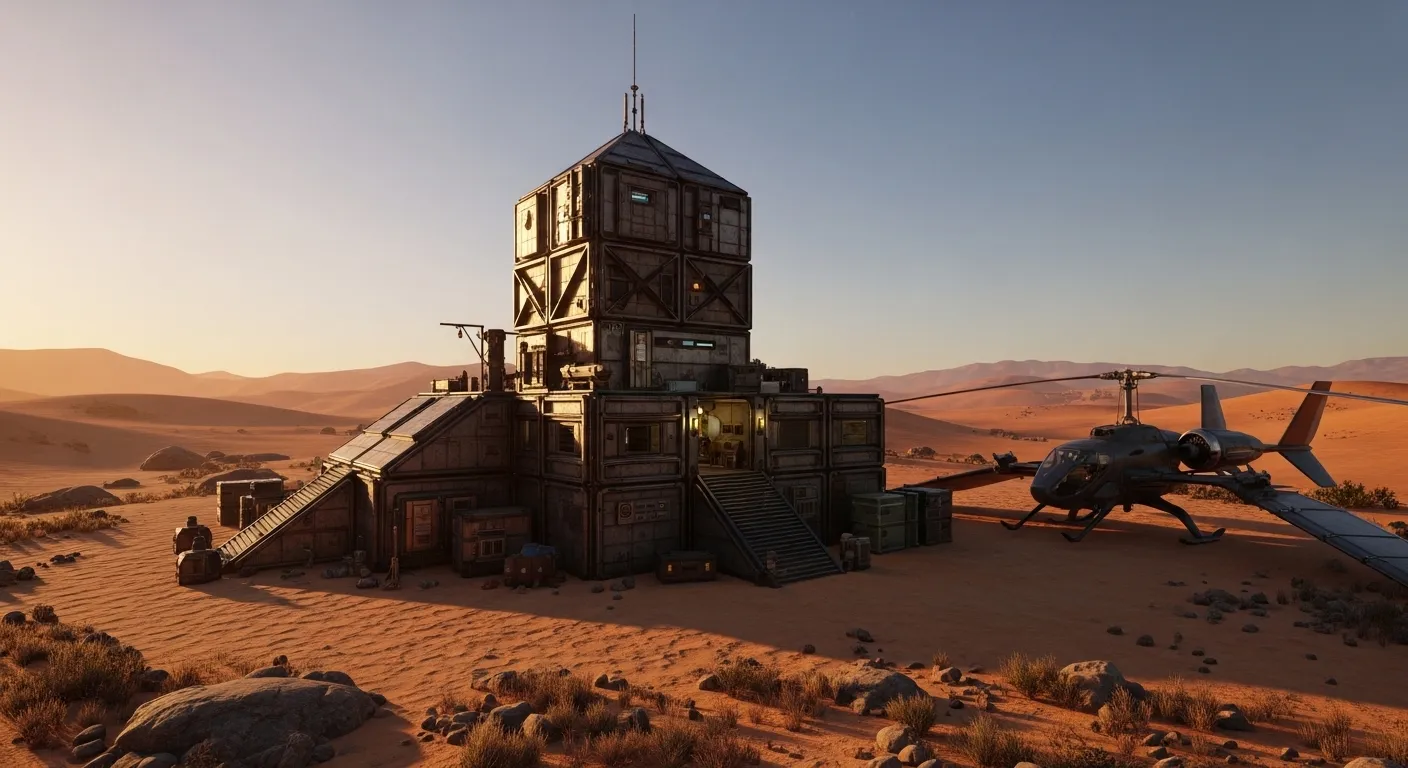
Self-hosted and customizable server support may end up mattering even more as time goes on. Private communities can try custom rules, roleplay groups can create a more social Arrakis, and creators can run event-based sessions that official servers may not support as well. That leaves more room for community-made formats, challenge runs, and streamer events, while also letting groups shape the experience around what they want.
Players usually stay longer when they can tune how hard, social, or competitive their world feels.
If you want to read more about how AI and smarter systems may shape future game design and player guidance, we covered that here: AI in Gaming: How Technology is Shaping Game Storytelling.
Hardware, Performance, and Play Style Expectations
Huge spaces, weather effects, shared-world activity, and vehicle travel can put real strain on hardware and your overall setup. Even before long-term performance work becomes clear, it’s fair to expect that Dune Awakening will favor stable performance over flashy settings. In a game like this, that trade-off matters more than it would in something slower. Clear visibility and smooth frame pacing help when the world itself is a threat, and combat effects still need to stay easy to read.
Competitive players are working with the same basics. Responsiveness should come first, with settings tuned for clarity. It also helps to figure out which kinds of visual noise get in the way of decision-making, because some of it absolutely will. Streamers have another layer to handle. Wide desert scenes, storms, and multiplayer fights can all add pressure to encoding performance, so a more balanced setup may be needed if smooth gameplay and clean stream output both matter.
Accessibility and tech connect here too. Good UI readability, clear sound cues, and stable performance work as gameplay aids, not just comfort features. You notice the difference quickly.
For anyone planning a setup ahead of time, the hardware side was covered here: Gaming Hardware Showdown: Best Gear for Every Gamer before launch pressure starts to build.
Frequently Asked Questions
It looks like a hybrid. Survival systems such as hydration, storms, and sandworms are central, but the world structure, specialization paths, and shared spaces push it closer to an MMO than many crafting games.
Recent updates suggest less forced PvP than some players feared. Official world structure now points to both PvE and PvP Deep Desert options, which should give players more control over how they progress.
Start with survival and movement. Hydration, heat, route planning, and safe traversal will likely matter before high-end combat or advanced builds, because the environment itself creates constant pressure.
Yes, it seems to matter a lot. Flexible placement, customization, and location strategy suggest bases are part of progression, travel planning, and long-term identity, not just storage spots.
The biggest difference may be how the setting shapes the systems. Sandworms, shield logic, storms, overland travel, specialization tracks, and an expandable world structure give the game mechanics a more distinct identity than many genre peers.
The Bottom Line on What Players Should Expect
The clearest point is that Dune Awakening does not look like a basic survival crafter wrapped in a famous sci-fi license. Its systems point to something with more depth, which is a good sign. A lot of the pressure seems to come from Arrakis itself, not just from other players. Combat also looks like it moves at its own pace. Base building seems to have real strategic value, and the world structure looks built to grow over time. PvP is still part of the mix, but it may not be as required as some players expect. Endgame systems and specializations also seem like they could shape a long-term meta that rewards planning and clear roles.
For players still deciding whether to jump in, a few points stand out:
- The environment seems likely to matter as much as combat
- Traversal and map knowledge look like core skills
- Live-service balance updates will probably shape the meta over time
- There seems to be more room for PvE-focused progression than early survival MMO skeptics expected
- Dune Awakening looks set up to reward players who enjoy systems just as much as action
Right now, it makes the most sense to watch how launch balance, onboarding, and endgame tuning settle. Based on what is known so far, Dune Awakening has a real chance to stand out. Funcom still needs to smooth out rough edges and keep the tension that makes the setting work, since that is a big part of the appeal. If that balance holds, these mechanics could make Arrakis one of the more interesting shared worlds in modern online gaming.