
A few hours in Elden Ring are enough to show how much a weapon can change everything. The same fight can feel brutal, easy, stylish, or completely busted depending on what’s in your hand. That’s why a real Elden Ring weapons guide helps. The game is not just asking what hits the hardest. It also asks players to think about how they want to fight, how much risk they can deal with, and whether their gear actually fits their build.
That freedom helps explain why Elden Ring still gets so much attention. The base game has shipped over 30 million copies worldwide, which still feels kind of wild. The larger ecosystem keeps growing through DLC, spinoffs, and new platform plans. For streamers, competitive players, and people who like build crafting, understanding weapons is still one of the fastest ways to improve and avoid extra frustration.
This guide breaks the system down in simple language. It covers weapon classes, stats, scaling, upgrades, Ashes of War, status effects, and smart choices for different playstyles. It also looks at common mistakes, some late-game thinking, and ways to test weapons without wasting too many resources. If a practical Elden Ring weapons guide sounds useful, this is here to help players win more fights and understand why their setup works.
Why Weapons Matter More Than Raw Damage in Elden Ring
A lot of players jump into Elden Ring chasing huge damage numbers. That makes sense. Watching a health bar disappear feels great. But in real fights, the best weapon is not always the one with the biggest stat. It is the one that fits your rhythm. A quick curved sword can do better than a giant hammer if it gives you room to dodge, punish safely, and stay close to a boss without panic rolling (which, yeah, happens to everyone).
That is clearly part of the design. Miyazaki explained the system this way:
The goal was to increase the degree of freedom in the context of strengthening your weapons and customising them in your own way, and I think this feeling of weapon customisation ended up being something quite expansive and fun.
The numbers behind Elden Ring’s staying power also show why weapon guides still matter.
| Metric | Value | Why It Matters |
|---|---|---|
| Base game shipped | 30 million+ | Huge active and returning player base |
| Shadow of the Erdtree sales | 10 million | DLC keeps weapon meta discussions alive |
| Nightreign sales | 5 million in under two months | Shows strong franchise momentum |
| Launch-month Twitch watch time | 125 million hours | Weapon builds drive creator and viewer interest |
Elden Ring was not just a one-time hit. It still gives players and creators plenty to talk about, and plenty to argue over. That is also why weapon identity matters more than copying a list of “best weapons.” A katana, colossal sword, spear, twinblade, or sacred seal changes your spacing, stamina use, and how much risk you take in a fight. Two weapons can look similar on paper, but once the fight starts, they can feel very different.
Already thinking about endgame planning? That is covered here: Elden Ring endgame builds, where loadout choices matter even more.
Learn the Elden Ring Weapon Classes Before You Commit
A good Elden Ring weapons guide usually starts with class identity, because weapon classes tell you how a weapon acts before scaling, buffs, or upgrades start to change things.
Straight swords feel balanced and easy to use, with good speed, decent reach, and a low skill floor. Katanas give up some of that simplicity for bleed and stronger pressure. Greatswords do good poise damage and stagger well. Colossal weapons hit very hard, but they ask for smart spacing and feel like a real commitment. Spears and thrusting swords work well for safer pokes. Twinblades reward aggressive play, and their status buildup is a big part of that. Daggers are riskier up close, though they really stand out for mobility and crit setups.
Before choosing a class, it helps to think about a few things:
Range and spacing
If your attacks keep getting clipped, the problem might not be your damage (annoying, right?). Your range could be the issue instead. Spears, halberds, or heavy thrusting swords can give you a safer chance to move in and back out.
Stamina use
Big weapons hit hard, but every swing uses stamina, and yeah, it adds up fast. If it runs out too quickly, fights can slip away because after an attack, there’s no stamina left to dodge, which really hurts.
Recovery time
If you miss, slow recovery hits you harder. Faster weapons usually feel more forgiving, and that can make a real difference.
That affects new players most, and it also matters if you stream, since pressure can easily mess up your timing.
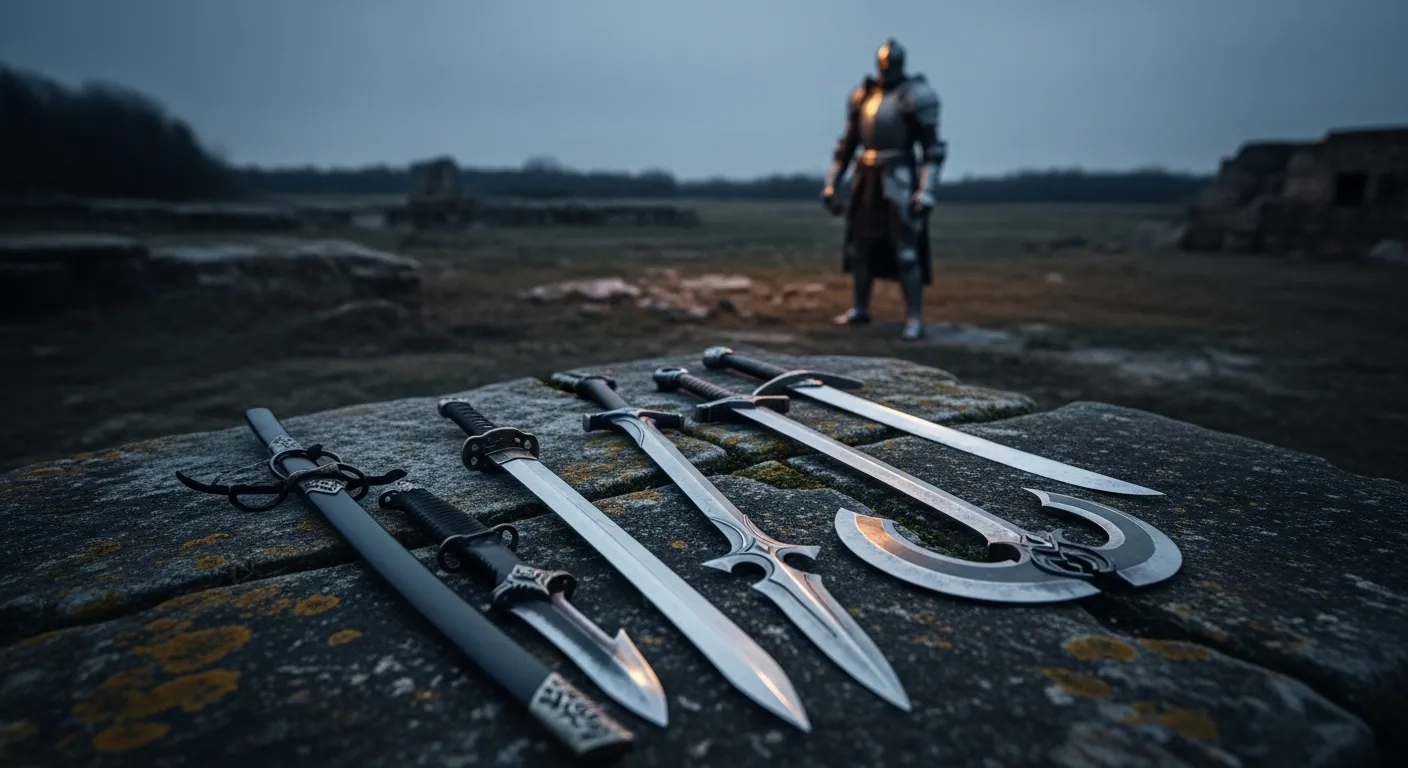
Try a simple test: fight a basic camp with each class for five minutes. Don’t judge only by damage, though. Notice comfort and control, and watch how often you get hit right after attacking.
Scaling, Attributes, and Why Your Elden Ring Build Feels Off
A weapon often feels weak for one main reason: the stats behind it do not match what it wants. In Elden Ring, weapons scale with attributes like Strength, Dexterity, Intelligence, Faith, or Arcane. If that link gets ignored, even a popular weapon can end up feeling weak, and that gets frustrating fast.
The short version is pretty simple. Strength usually works best with heavier weapons and stronger stagger. Dexterity fits quicker blades and more precise weapons. Intelligence powers magic-focused gear. Faith supports holy and fire-leaning options, plus a lot of buffs. Arcane helps certain status-heavy setups, including bleed or occult paths.
A common mistake is spreading points around too early. New players often put a few levels into everything because it seems flexible at first. In practice, that slows down the point where a build actually starts feeling strong. Focusing on one main damage stat usually pays off much sooner, then a support stat can cover what the build needs. Strength with Endurance makes sense for heavy melee, while Dexterity pairs well with Arcane if bleed pressure is the plan.
The difference shows up quickly in real examples. A character with 20 Strength, 18 Dexterity, 17 Faith, and 16 Intelligence may feel average across the board. A character sitting at 40 Dexterity, with only the support stats needed for one chosen weapon, usually feels much stronger at the same overall level count. Once that comparison clicks, the gap is pretty clear.
According to Miyazaki’s design comments shared through FrontlineJP, the team wanted players to experiment without strict build rules. That freedom is part of the appeal. But it also means a build still needs some direction, because the game will not stop anyone from ending up with a messy setup.
If systems like party synergy and role overlap in other RPGs are appealing, there is a useful mindset crossover in Chrono Odyssey class synergy guide. Different game, but the same basic idea applies: tools usually work better when the whole build is pushing in one clear direction.
Ashes of War Are Where Elden Ring Builds Become Personal
Weapon classes give a build its basic shape, but Ashes of War are where it starts to feel like your own. They let you swap weapon skills and, on many weapons, change the affinity to better fit your stats, which can make a big difference. One choice here can turn an ordinary weapon into the center of a whole build.
A lot of players start to really understand the game at this point. A weapon is not just its base moveset. The skill matters, the affinity matters, and your stats need to support all of it. That is why the same sword can end up fitting completely different setups. Keen works best with Dexterity, while Heavy suits Strength. Magic, Sacred, Flame Art, Blood, Poison, and Occult each push the weapon into a different role, and that can change the whole feel of using it.
The difference gets obvious in a simple before-and-after example. Early on, someone might stay with a sword’s default affinity and wonder why the damage feels weak. Then they apply an Ash of War that actually fits the build and switch the affinity to match. Suddenly, the weapon hits much harder, and the active skill starts doing its job too. For many players, that shift feels bigger than getting a few more levels.
Some Ashes of War are made for raw damage. Others work better for movement, guard breaks, buffs, or applying status effects. Flashy skills get a lot of attention from streamers because they look great in clips, but the more reliable options usually work better in real fights. Players with a competitive mindset tend to value that consistency, especially when pressure makes big dramatic skills harder to land.
Players who like looking at what makes weapons feel satisfying across different games might also enjoy Vampire Survivors weapons: Design Lessons for Player Engagement. It looks at why some weapon systems stay fun over time.
Upgrades, Smithing Paths, and Smart Resource Use in Elden Ring
No Elden Ring weapons guide really feels complete without talking about upgrades, because they often do more for a weapon than raw character level alone, and that surprises a lot of people. Get a weapon to the right upgrade tier, and it can carry a build much farther than the stats screen makes it seem. You usually notice that pretty quickly once fights start ending faster.
Regular weapons use Smithing Stones and give more room to try different Ashes of War. Special weapons use Somber Smithing Stones and keep their own unique skills locked in. Neither path is automatically better. Regular weapons fit more situations if you like changing setups, while Somber weapons are easier to handle since they need fewer upgrade steps, which helps if managing materials starts to feel messy.
In the early and mid game, keeping things focused usually works best: one main weapon, one backup, and maybe a ranged or utility option. That is enough. Spreading stones across six different ideas too early can leave everything stuck halfway, and that usually means lower damage when it matters.
Think of upgrades as the first place to spend resources. Put materials into the weapon that actually lands hits for the build, then once the affinity matches your stats, add buffs, talismans, and other support tools around it. Stacking damage usually pays off more when the base weapon is already hitting hard.
Another common mistake is giving up on a good weapon too early just because it is not the one getting attention online. Plenty of standard weapons turn really good once fully upgraded and tuned properly. Some even beat more popular choices in actual use, especially when the player knows the moveset well.
If that kind of improve-it mindset feels appealing beyond one game, A Beginner’s Guide to Building Your Gaming PC from Scratch connects to the same idea: performance gets better when the parts work well together, not just when the flashiest one gets picked.
Status Effects, Poise Damage, and Hidden Power
A lot of a weapon’s real strength in Elden Ring does not show up in the basic attack rating. Bleed, frost, poison, scarlet rot pressure, stance breaks, and guard pressure can all change a fight fast.
Bleed stays popular because it can rip off huge chunks of damage once the buildup triggers. Frost is strong too, since it gives a burst of damage and still helps you keep pressure on after that. Heavy weapons stand out for poise damage and staggers, even if their listed DPS looks lower at first.
Bosses are not target dummies, so those things matter a lot in real fights. What gets rewarded is control, disruption, timing, and using openings well, not just whatever looks strongest on a stat screen. A colossal weapon that breaks stance can make free crit openings. A twinblade with bleed can keep building pressure during longer damage windows. Spears also let players punish more safely while learning patterns, which can help a lot early on.
Accessibility matters here too, especially for players thinking ahead about what feels manageable over time. Not everyone wants to, or can, deal with tight, high-risk melee strings. Weapons with safer range, simpler timing, or shield synergy can lower stress and make the game feel easier to handle. That is a smart choice, not a worse one.
It also affects mental wellness. If a weapon keeps causing frustration, switching is worth it. Trial and error is part of the game, but constant tilt makes learning harder. Elden Ring rewards calm adaptation more than stubborn ego, and that usually becomes clear pretty quickly.
Picking the Right Weapon for Your Playstyle in Elden Ring
The best Elden Ring weapon usually depends on how you already like to fight. This section is more of a practical match-up guide than a list of “best” picks.
If quick reactions and constant pressure feel natural, katanas, curved swords, twinblades, and other fast weapons are a good fit. Players who want more control and safer spacing may prefer spears, halberds, and heavy thrusting swords instead. For raw damage and stagger, great hammers and colossal swords are the clear standouts. If a hybrid setup sounds better, weapons that work well with spells, incantations, buffs, and support tools can be a really fun choice.
For streamers, readability matters too. Viewers usually stick with builds they can understand right away. A setup with a clear identity, like a frost greatsword build or a bleed twinblade build, is much easier to explain on stream than a messy loadout trying to do everything at once.
There is also one important question to answer early: is the priority burst, safety, flexibility, or something in between? Burst is great for short openings. Safety gives you more room to learn. Flexibility helps with different enemy types more easily. Very few weapons do all of that well, so picking a main priority early can save a lot of frustration.
If comparing overpowered weapon design across games sounds interesting, that was also covered here: Vampire Survivors: Exploring the Most Overpowered Weapons.
Common Mistakes That Make Good Weapons Feel Bad
A lot of players don’t actually have a bad weapon. They’ve just picked up bad habits around a good one, and that can change everything.
The most common issue is range. Every weapon works best at a certain distance. Get too close with a halberd or stay too far back with a dagger, and you start missing hits. When that starts happening, panic usually kicks in pretty fast.
Equip load is another big thing people overlook. Heavy armor stacked with a heavy weapon can push rolls into a much slower state. If dodging suddenly feels rough, the weapon may not be the problem at all. Weight is one of the first things to check.
Then there are the support pieces players forget about. Talismans, buffs, cracked tears, and status synergy can change a setup a lot. A weapon rarely stands on its own, especially once the rest of the build starts backing up what it already does well.
A lot of players also judge their build against highlight clips. Those videos show the cleanest attempts, not the messy runs or failed fights, so a setup can look much smoother and stronger than it feels in normal play. Meanwhile, a build that feels reliable in your hands may fit your real playstyle better than a flashy meta pick, even if it looks less impressive on screen.
Miyazaki gave new players a healthy way to approach this:
New players should just enjoy themselves, not worry about optimising things, and not fear death but be relaxed about the trial-and-error of the process: This is the way, FromSoftware intended for players to enjoy the game.
That advice still holds up for veterans too. Testing stays part of mastery.
Weapon Trends, DLC Relevance, and What to Watch Next
Elden Ring keeps changing as players come back for DLC, challenge runs, new platforms, and creator content, so weapon talk stays busy, and really, it never slows down much. Shadow of the Erdtree pushed more players to tighten their builds, while Nightreign and the wider franchise growth show the audience is still huge.
One clear shift is the growing demand for flexible guides instead of plain tier lists. Players want to know what actually works in solo runs, co-op, challenge content, streaming, or endgame prep, not just see a basic ranking. That fits Elden Ring better because the game needs more context than a simple list can give.
Access is widening, too. New releases are bringing in more players, and possible platform expansion could bring in even more. Clear weapon explanations matter more in that mix, since new players are showing up alongside veterans. That also gives platforms like Now Loading room to stand out by linking game systems with creator habits and practical, player-friendly strategy.
Good builds usually start with clear intent. Pick a weapon class that feels good to use, match it to your stats, upgrade it with a reason, and learn its real range and timing. Simple, yes, but still easy to miss.
Frequently Asked Questions
Straight swords, spears, and some greatswords are great for beginners. They offer simple movesets, good range or balance, and fewer risky animations than some advanced options.
Not always. Somber weapons are often easier to upgrade and come with unique skills, but regular weapons usually offer more flexibility with Ashes of War and affinities.
They are extremely important. Ashes of War can change a weapon’s skill, improve build synergy, and shift affinity to match your stats, which can completely change performance.
Only if your chosen weapon truly benefits from both. Most players get better results by focusing on one main damage stat first instead of spreading levels too thin.
The problem may be your stats, affinity, talismans, or timing. A strong upgrade level helps, but your weapon still needs good scaling and the right playstyle support to feel powerful.
Put Your Build to Work
By this point, the big picture should be pretty clear. Elden Ring weapons hit hard because the parts work together, not because one number is huge. Your weapon class affects how you move, attack, and react in fights, and that changes more than it may seem at first. Scaling ties that weapon to the stats your build actually uses. Ashes of War shape how your playstyle feels. Upgrades raise your base power. On top of that, status effects, poise breaks, and support gear can push a build even further. Small changes can do a lot.
Here are the main points:
- Choose a weapon class based on what feels comfortable, not what gets hyped up
- Match your weapon scaling to the stat plan you are really building around
- Use Ashes of War to give your build a more personal feel
- Upgrade fewer weapons so those upgrades have a real effect
- Watch for hidden power like bleed, frost, and stance damage
- Fix bad habits before blaming your gear
- Test setups in real fights instead of only staring at menus
Most of all, a great Elden Ring weapons guide should make testing things feel easier and more natural. There is no need to chase one perfect weapon. What matters is finding something that fits your hands, your build, and your goals. Start with one class and adjust it carefully. Then use the next few fights to learn what the numbers do not show. That is usually the point where Elden Ring starts to click, and where a weapon begins to feel like it is really your own.